THE LONG GRIND
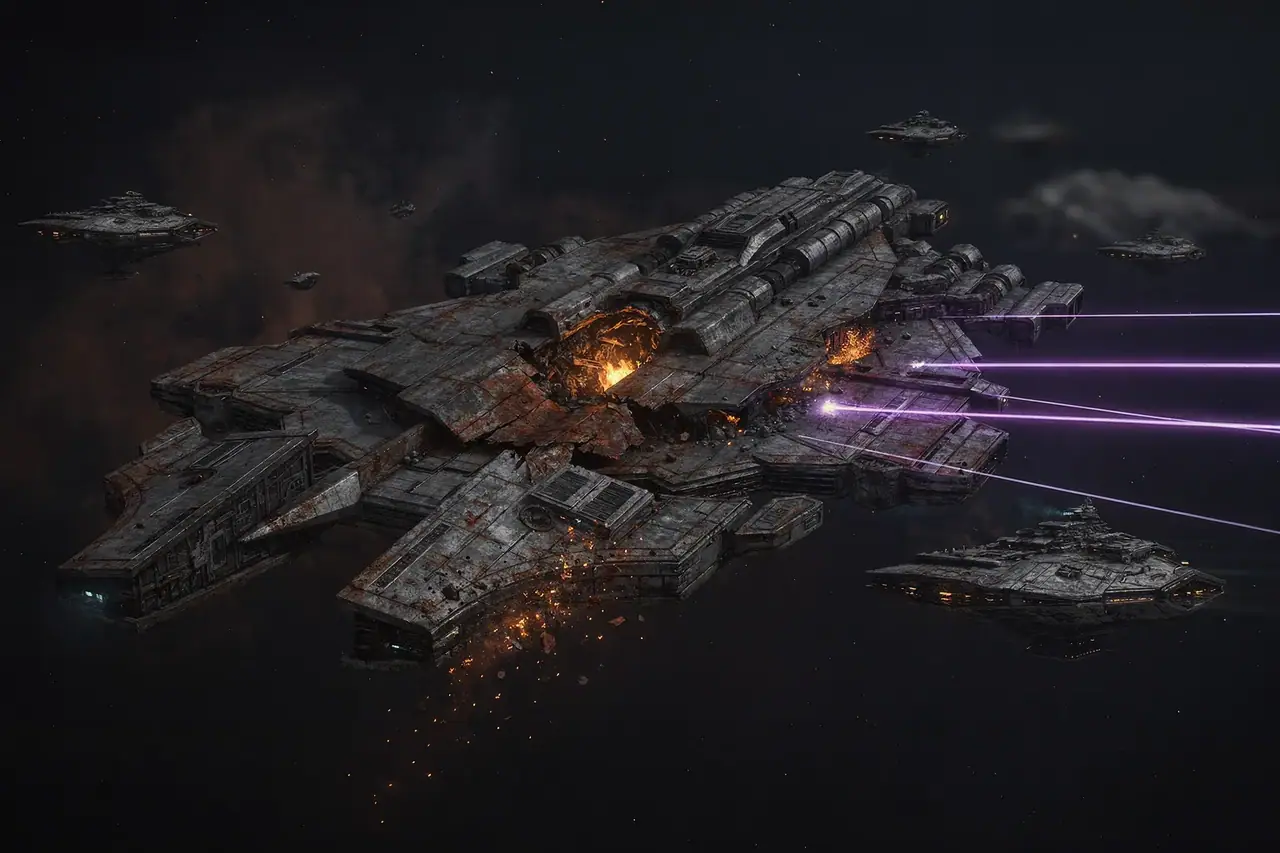
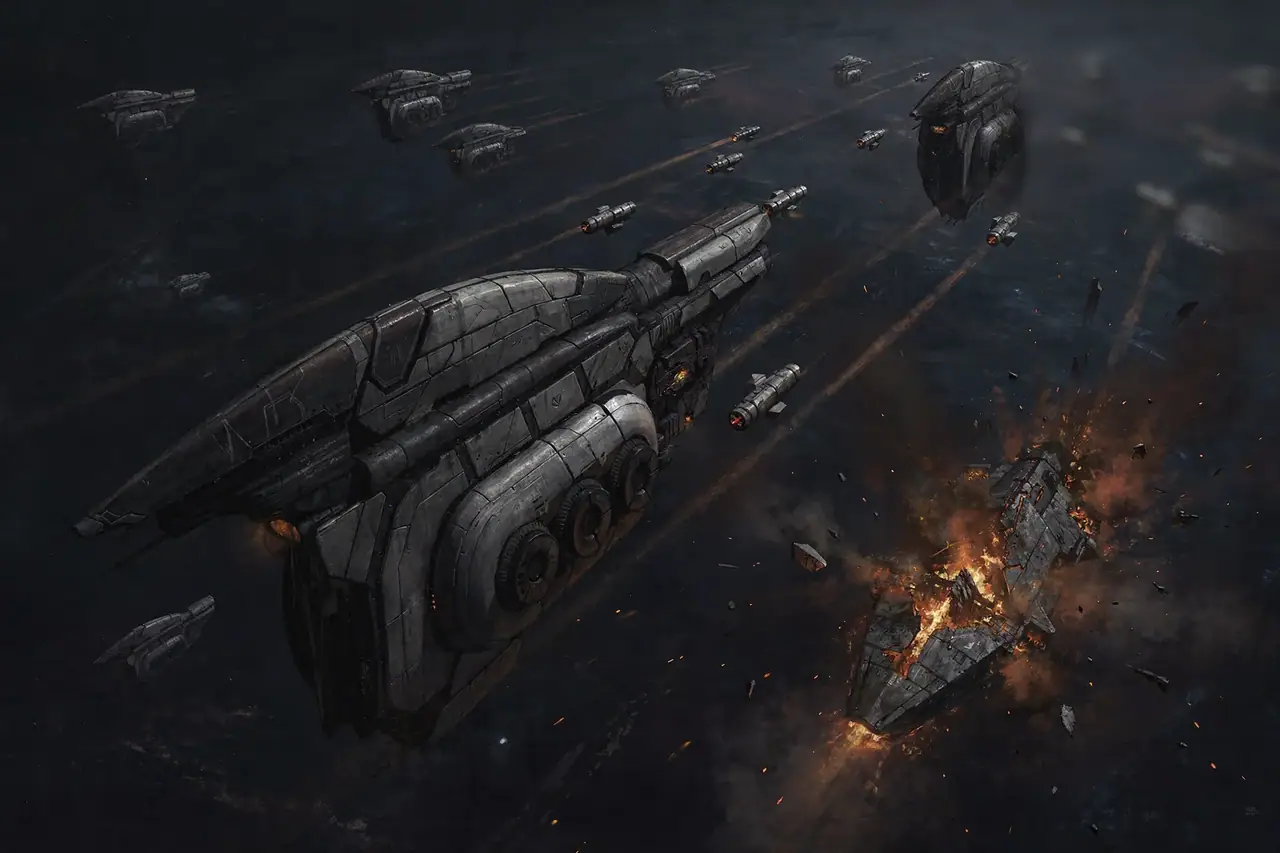
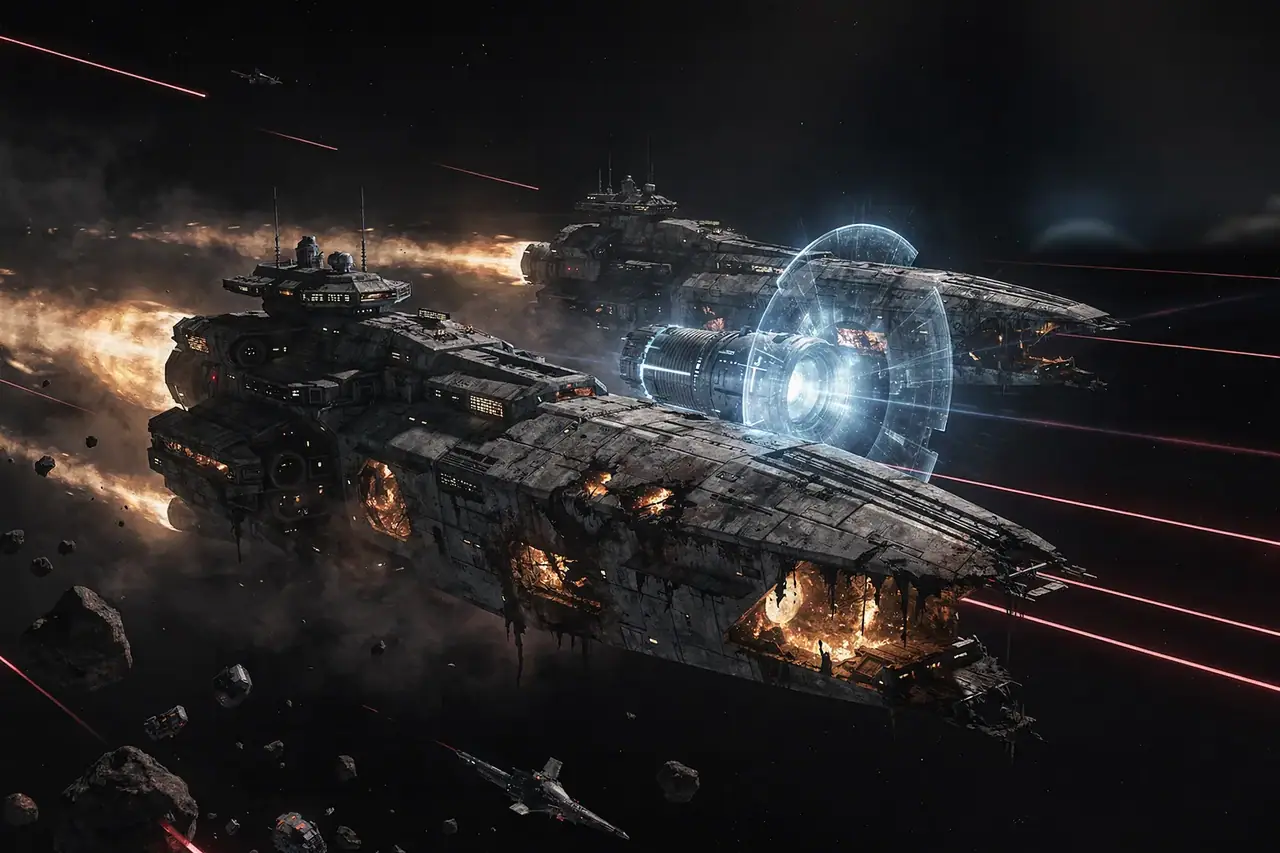
What began in Dal at 20:00 UTC stretched deep into the night, becoming the kind of prolonged fight that only a committed fleet effort can sustain. By the time the engagement ended at 02:21 UTC, the system had seen 293 ship losses and 492 participants, suggesting a large-scale clash rather than a brief interception or roaming skirmish. The ship mix alone shows the intensity of the exchange: Tempest Fleet Issues, Typhoons, Barghests, Tempests, Ravens, and Bifrosts all vanished into the wreckage.
THE PRESSURE BUILDS
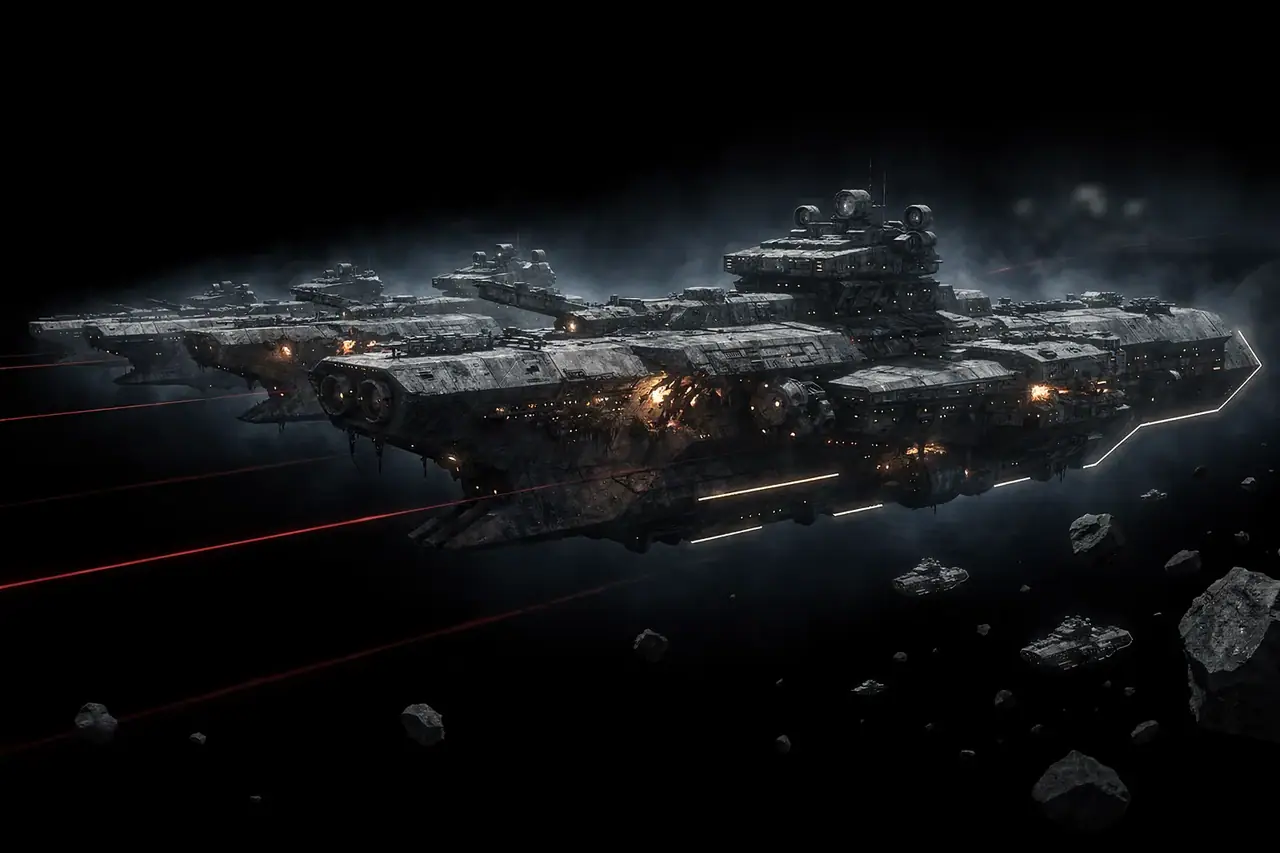
The numbers point to a contest in which both sides kept forcing the issue, but Deepwater Hooligans and Sedition., with support from 7.62, GunFam, 24th Imperial Crusade, and others, appear to have maintained the upper hand in the damage trade. The reported losses suggest the Minmatar Fleet Alliance and The Initiative. coalition, and associated allies, absorbed the more punishing blow, with wrecks from expensive battleships and command support ships marking the cost of holding the line.
THE COLLAPSE
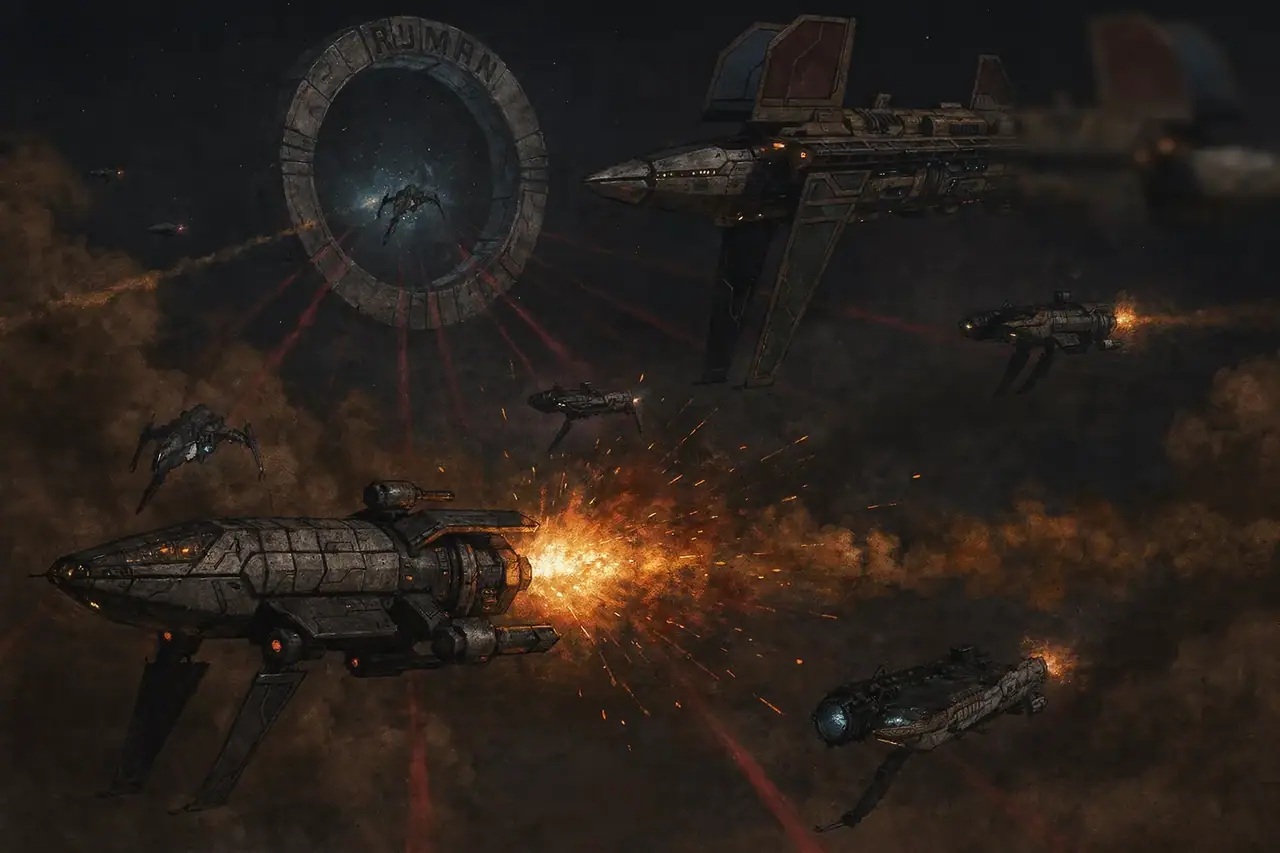
At the center of the engagement was Dal itself, where the battle report structure makes clear that this was not a series of disconnected losses but one sustained confrontation. The decisive damage was attributed to WarBeacon, and the final tally gives the fight its shape: 114.3 billion ISK destroyed, with the bulk of the value tied to the losing side’s ships and fittings. Even without a single standout flagship in the data, the concentration of battleships among the wrecks makes this feel like a hard, methodical dismantling rather than a lucky strike.
WHY IT MATTERS
For both coalitions, the fight in Dal likely carried more weight than the raw kill count alone suggests. A six-hour engagement that bleeds dozens of battleships and support hulls can disrupt operations, drain morale, and force commanders to reconsider how much firepower they are willing to commit in the same place again. Dal now stands as a reminder that in New Eden, the price of persistence can be measured in billion-ISK wrecks and the slow collapse of a fleet’s staying power.