THE CLASH IN DAL
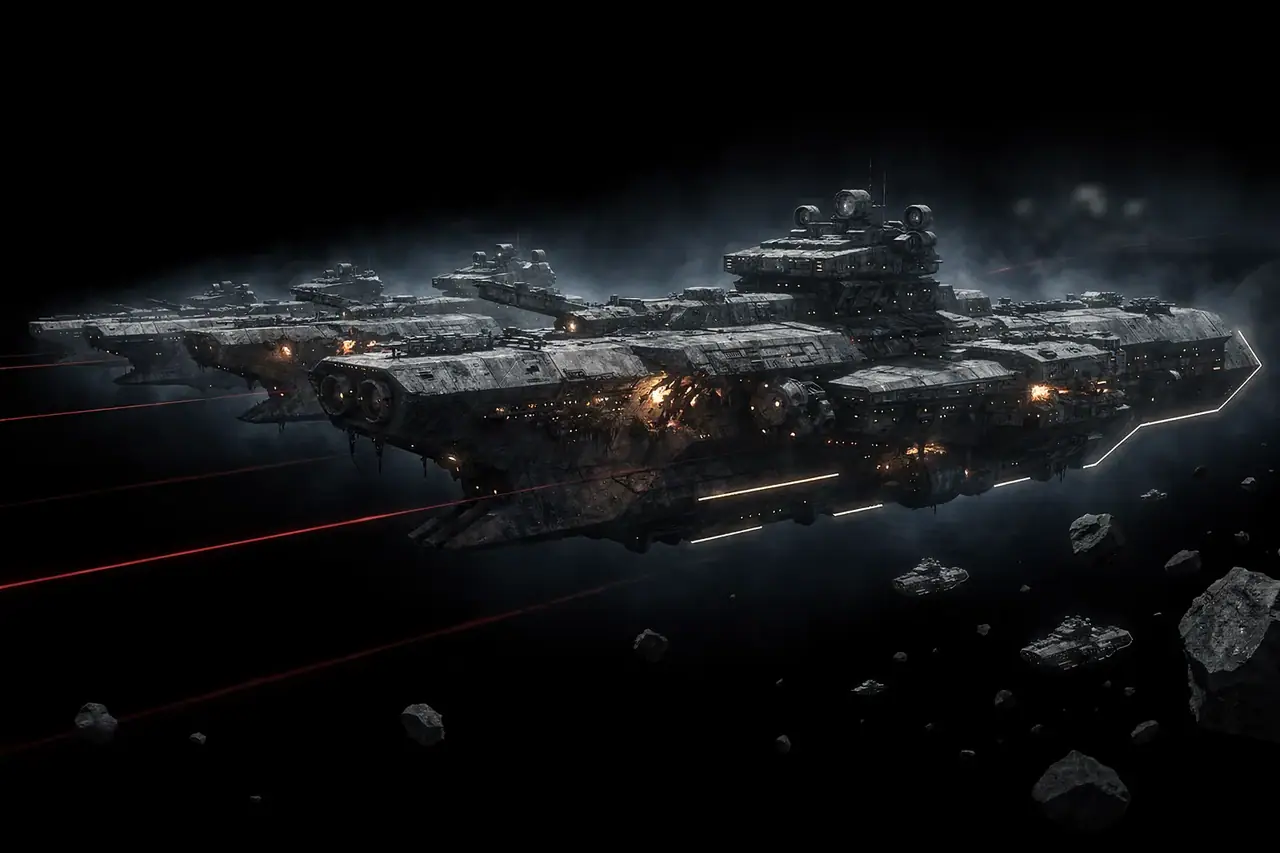
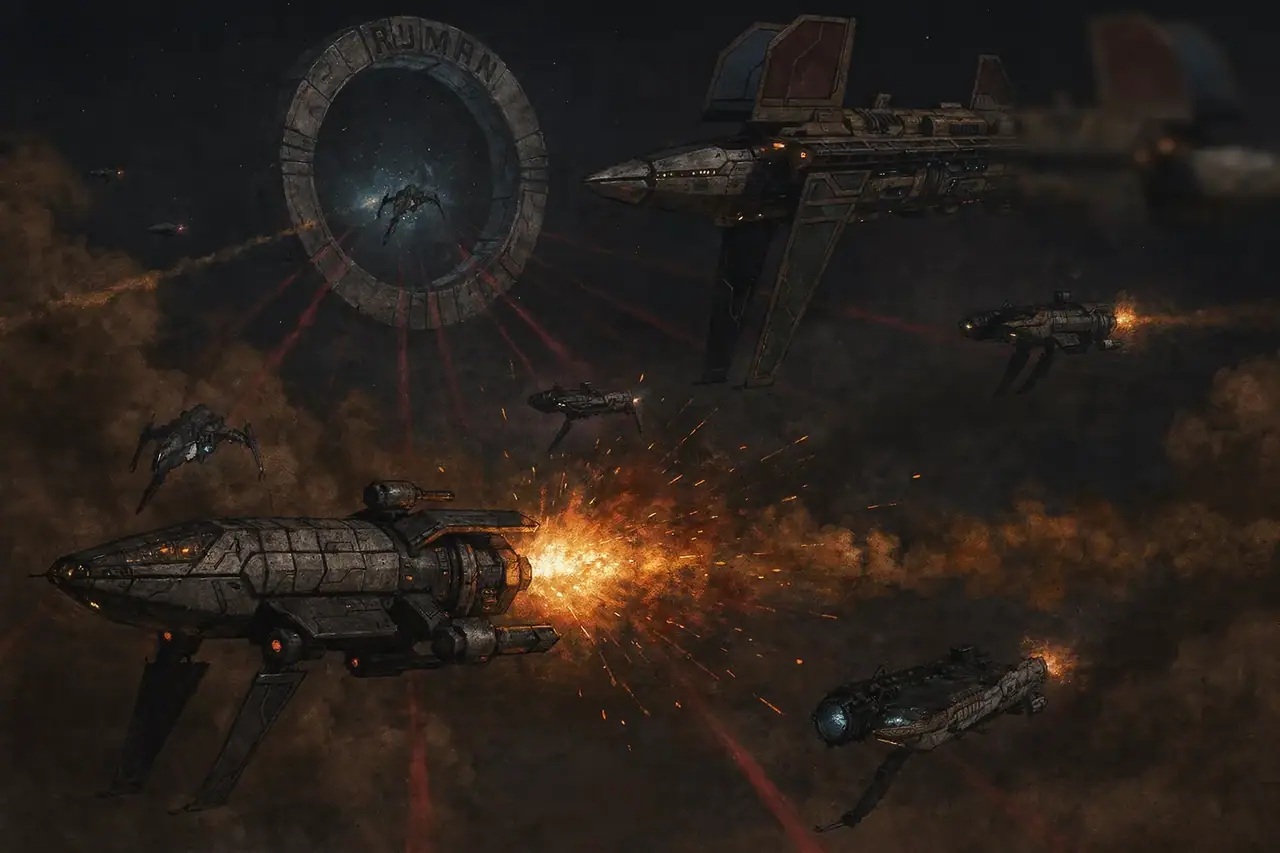
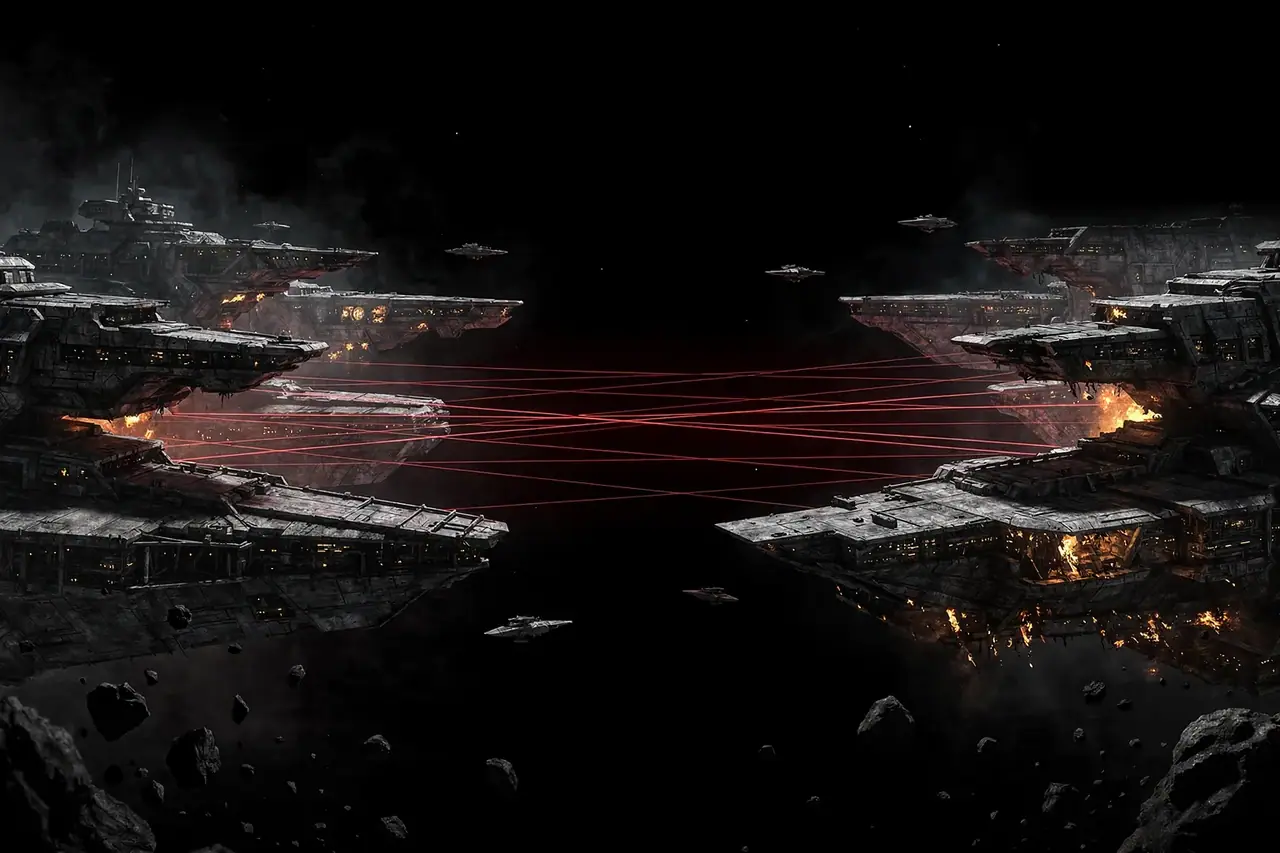
The battle began at 13:49 and stretched until 14:39 UTC, drawing 65 participants into a fight that never really stayed small. Fraternity. and Fraternity Auxiliary, joined by several smaller allied groups, accounted for most of the pressure on one side, while Slide On Contact and Rapid Life In The Amarr, with Ful'Tang alongside them, took the brunt of the damage. The ship and pilot at the center of the loss were eventually overwhelmed, but the scale of the engagement suggests this was a contested and persistent fight rather than a quick catch.
THE DAL LOSS
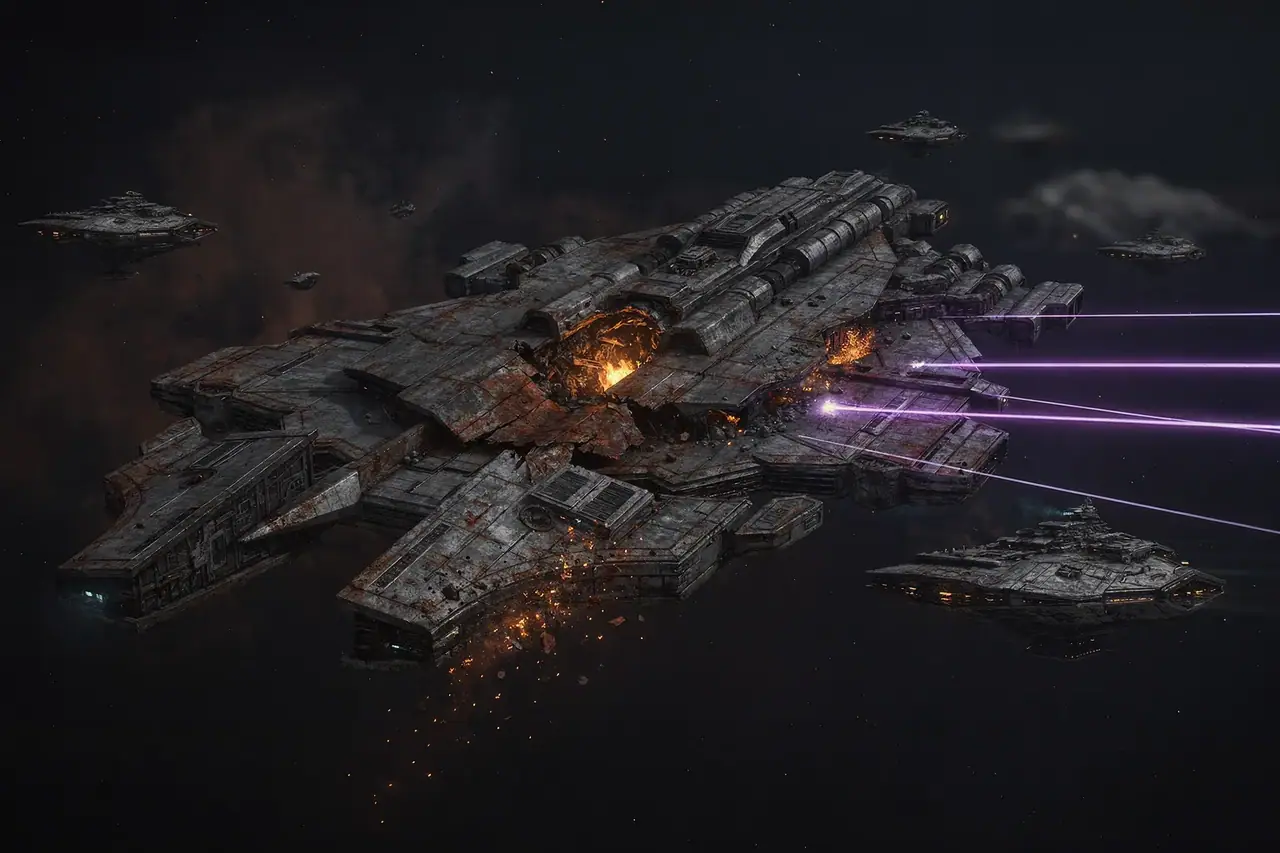
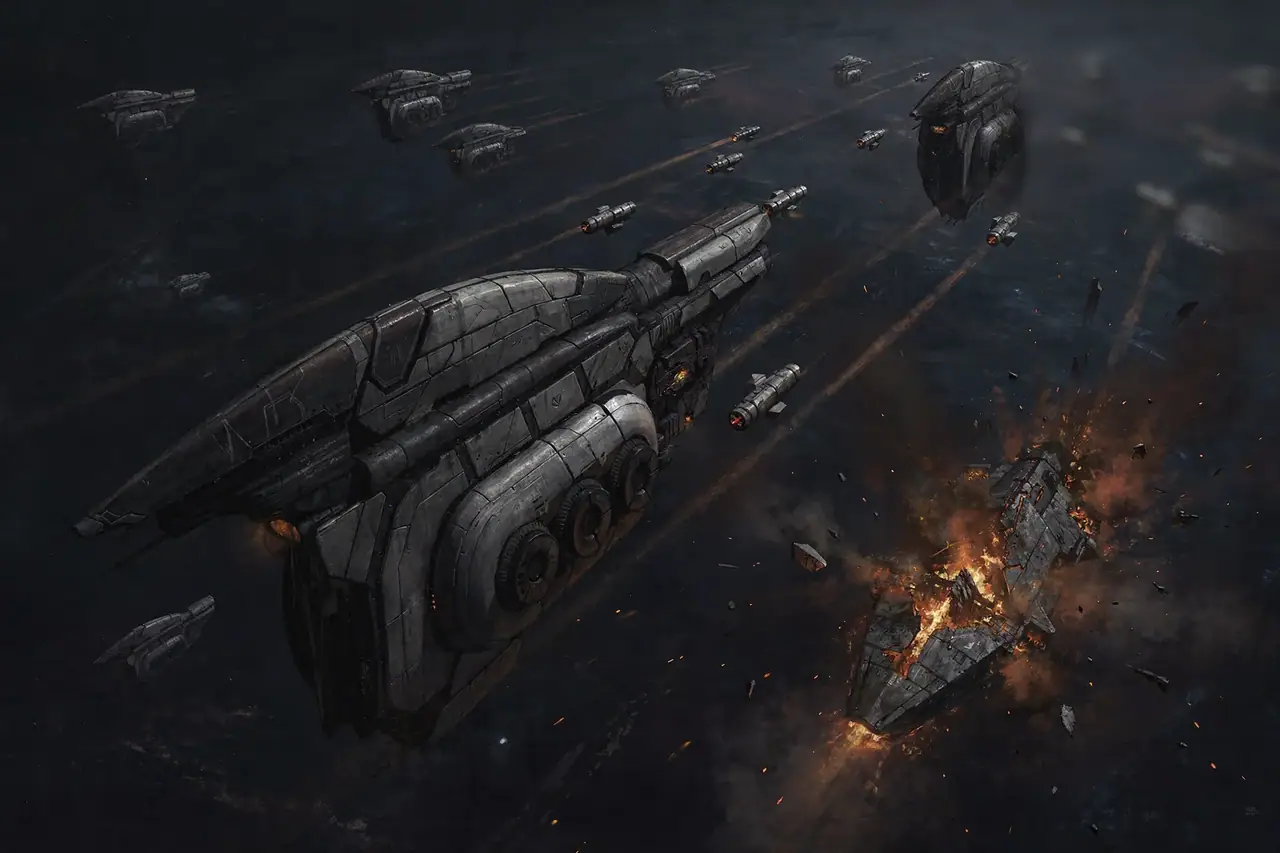
The headline destruction was the Dal itself, valued at 3.1 billion ISK and destroyed in the fight’s closing accounting. The loss stood out immediately against the rest of the wreckage, which was made up mostly of subcapital hulls: Drakes, Caracals, Osprey Navy Issues, Slashers, Brutix Navy Issues, and Exequror Navy Issues. That mix points to a bruising engagement in which both sides committed enough force to keep the fight alive, even as the more valuable target slipped away.
THE PRESSURE BUILDS
Fraternity. appears to have carried the heavier share of the effort, with supporting damage also coming from Fraternity Auxiliary and smaller contributors including Invidia Gloriae Comes, Dracarys., and Cryonic Origin Alliance. On the losing side, Slide On Contact and Rapid Life In The Amarr absorbed the larger share of the ISK destroyed, with more than 2 billion ISK in losses attributed to that group alone. The numbers suggest the engagement was not simply about one ship, but about sustained pressure that steadily tipped the field.
WHY IT MATTERS
A 3.1 billion ISK destruction in a single regional fight is enough to make any system feel the cost. Dal saw a relatively compact battle turn expensive, with 33 losses spread across a broad mix of combat ships and support hulls. Even without a titan or capital hull to anchor the story, the loss of an expensive target in a 65-ship fight leaves a clear mark: someone committed hard, someone was caught, and the bill was large enough to matter.