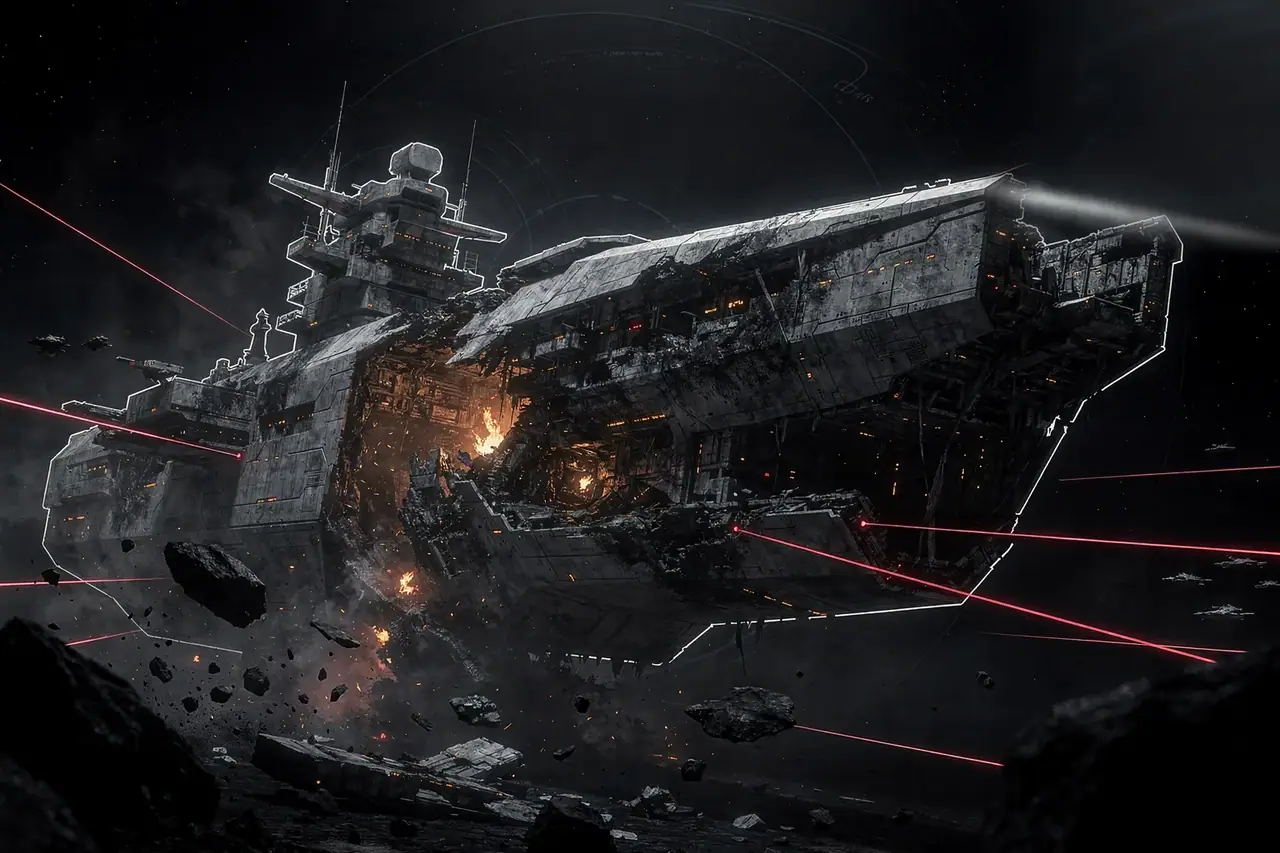
THE HOLD
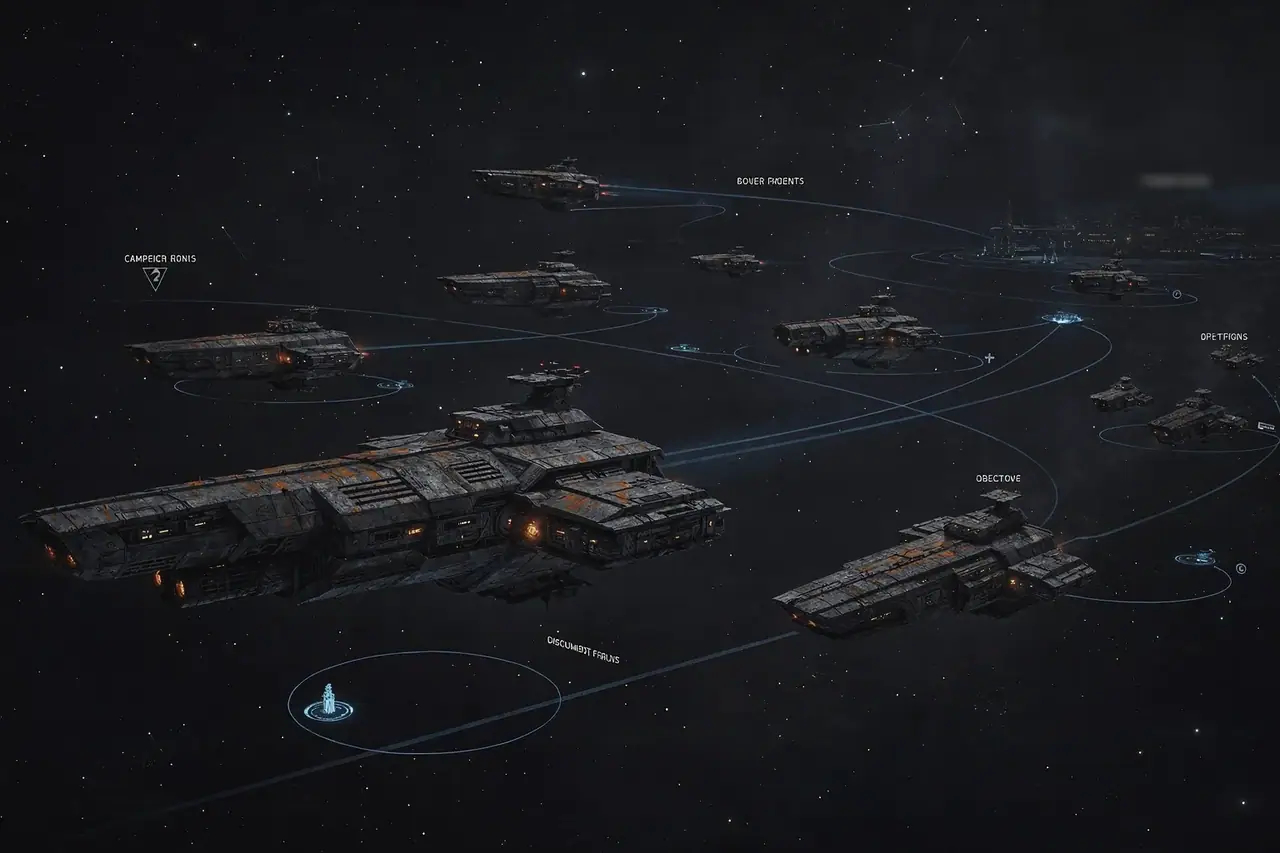
At the centre of the campaign sits Project Oasis, defending its position in Outer Passage while pressure continues to build around OW-QXW. The available indicators point to a defensive effort that is not simply absorbing hits, but starting to recover momentum. That matters because a localised campaign can quickly become more dangerous when defenders begin to stabilise the front instead of retreating through it.
THE SPREAD
The most important change in this snapshot is the addition of OW-QXW to the campaign picture. With no systems removed, the pressure is not easing; it is spreading into new ground. That suggests the contest is expanding rather than resolving, and that local pressure may now be testing more than one point in the region. For alliances operating in Outer Passage, that kind of spread can complicate staging, logistics, and response timing even before the front broadens further.
THE TURN
The fact that defenders are regaining ground gives this campaign a different shape from a simple push into open territory. It suggests Project Oasis is still under strain, but not without leverage. In strategic terms, that is often the point where a campaign becomes harder to predict: attackers must keep applying pressure, while defenders gain a chance to turn a narrow defence into a more durable hold.
THE NEXT FRONT
With the campaign only 12 hours old, this remains an early contest rather than a settled outcome. But the signs are already clear enough: Outer Passage is not passive, Project Oasis is not collapsing, and OW-QXW now sits inside a wider pressure pattern. If the spread continues, the region could see a more defined border struggle take shape around this opening phase of the campaign.