THE SHIFT
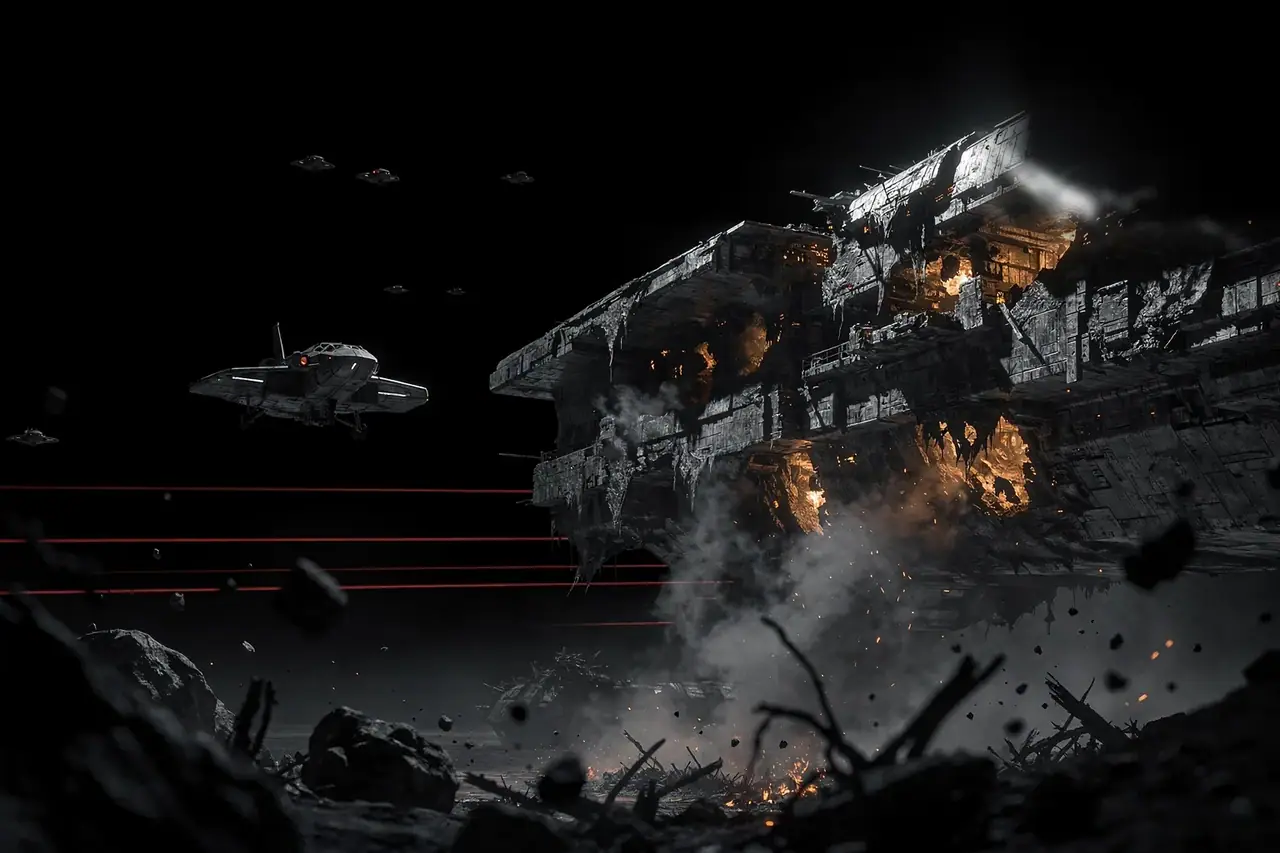
The clearest change in Perrigen Falls is that the defenders are no longer merely absorbing pressure — they are beginning to push some of it back. That does not mean the campaign is over, only that Brotherhood of Spacers appears to be stabilising parts of the front after several days of broad regional strain. In sovereignty warfare, that kind of recovery matters: it can blunt momentum, force attackers to widen their effort, and buy time for the defender to reset the shape of the campaign.
THE WIDENING FRONT
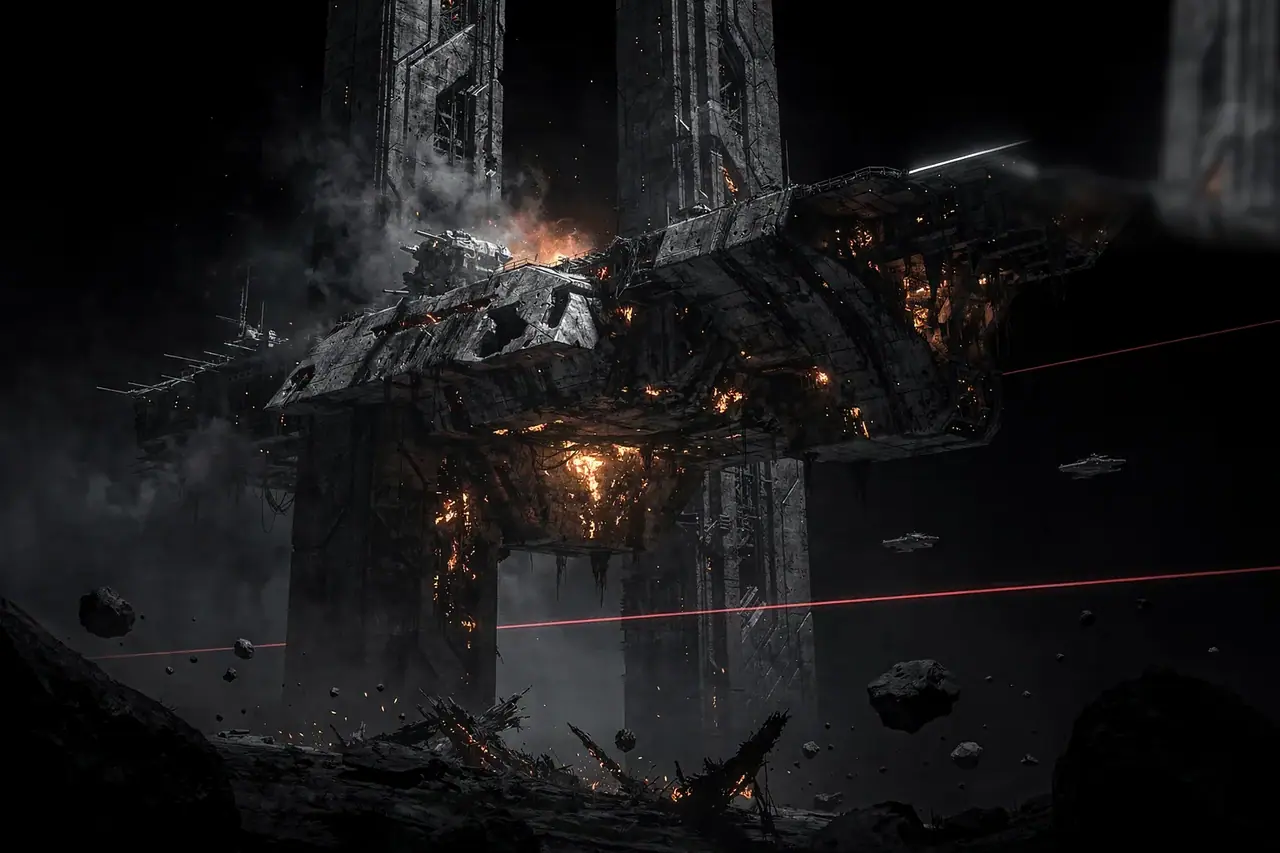
The pressure is not confined to a single pocket. Systems now in play include B-7LYC, EH2I-P, G-GRSZ and R-AYGT, with B-7LYC and EH2I-P newly added to the active theatre. That expansion suggests the campaign is still moving outward, testing more than one approach and forcing attention across multiple points of the region. When a front spreads like this, the strategic question is no longer only who can hold one system, but who can sustain presence across a broader swathe of space.
THE HOLDING ACTION
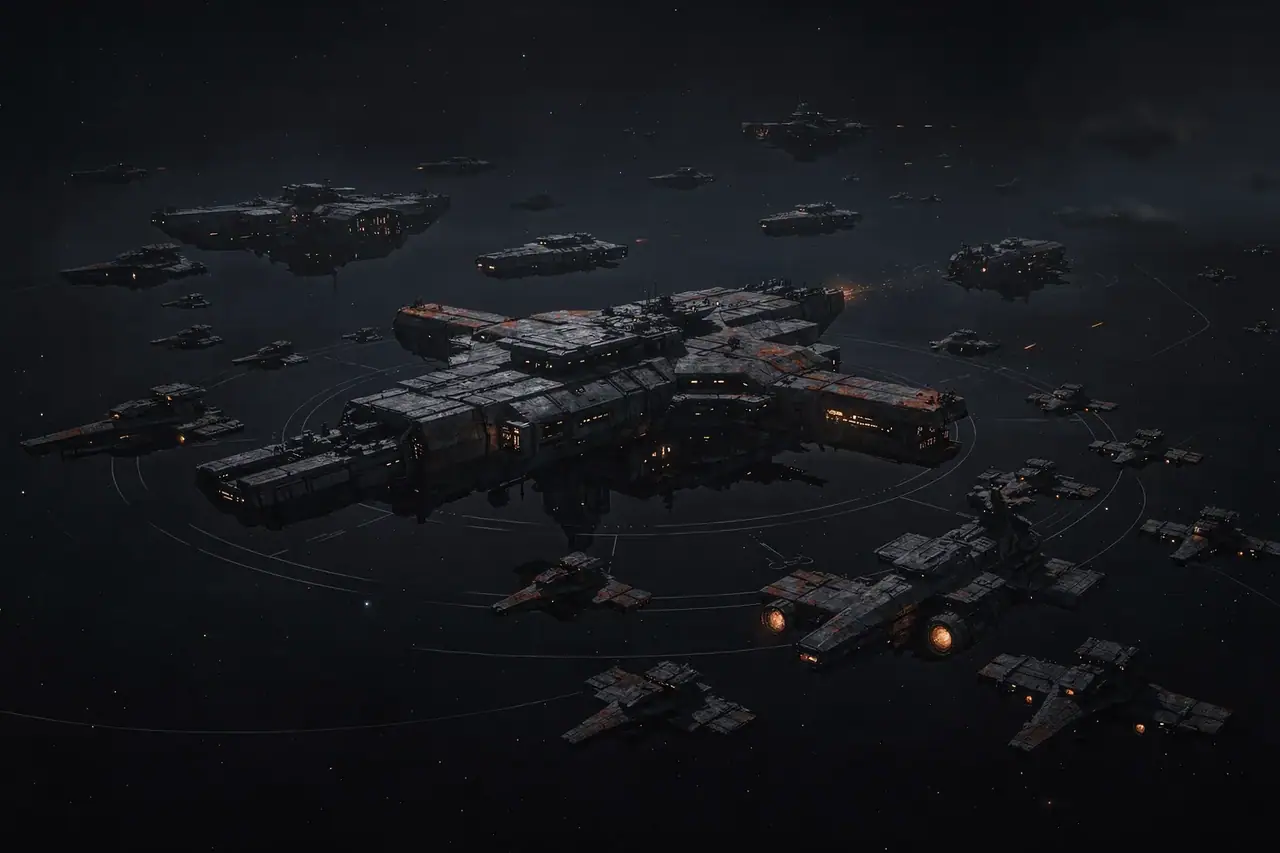
For Brotherhood of Spacers, regaining ground is a meaningful sign even if the wider picture remains unsettled. A defender recovering territory in a campaign of broad regional pressure suggests the line is not collapsing, and that local resistance may be slowing the advance. At the same time, the fact that no systems have been removed from play shows the campaign remains active and unresolved. The region is still under strain, but the defender’s position may be becoming less fragile than it was at the start of the push.
WHAT IT MAY SIGNAL
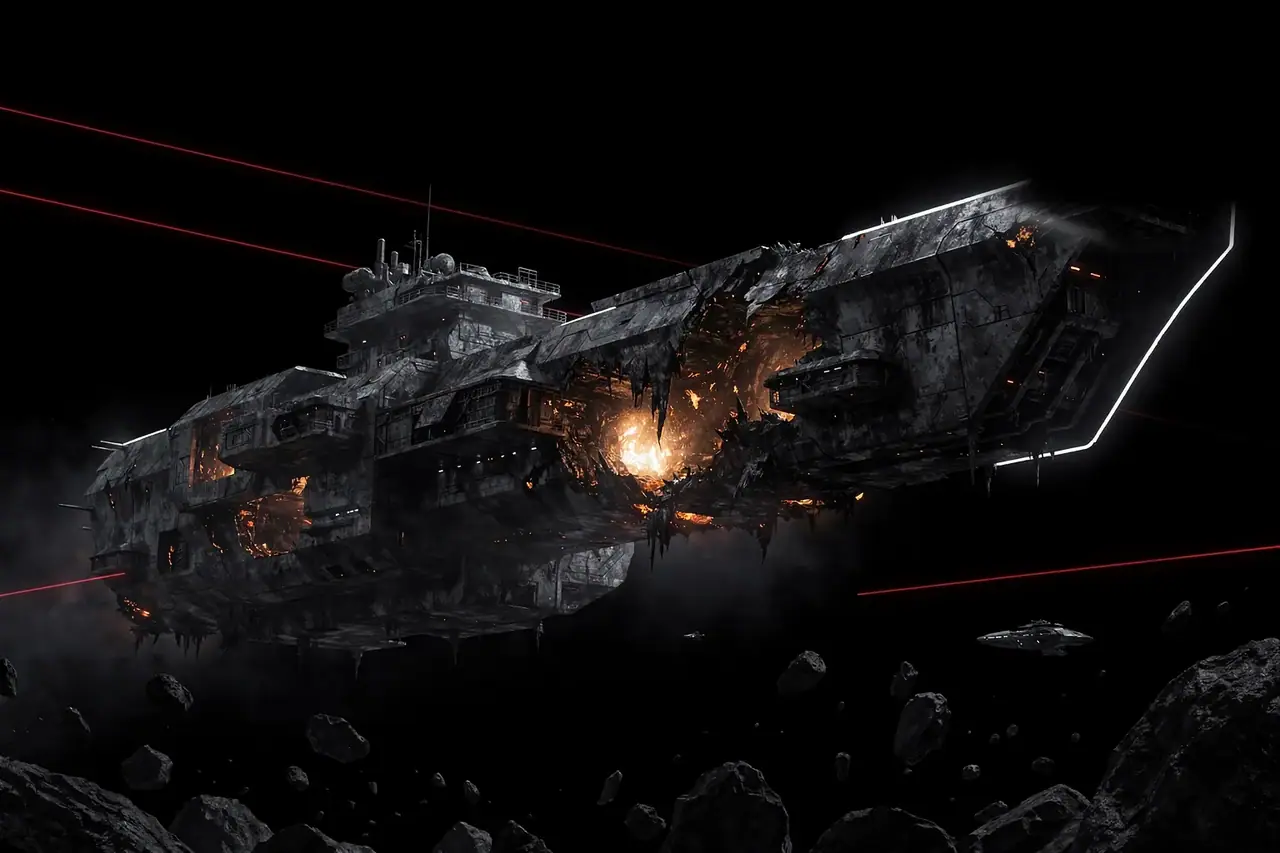
The current shape of the campaign points toward a contest of endurance rather than a quick decision. With the front stretching into new systems and the defenders regaining ground, both sides appear to be testing how much pressure Perrigen Falls can absorb before the wider balance changes again. For now, the story is not one of collapse or breakthrough, but of a region still in motion — and of a front that could keep shifting if either side finds room to press harder.