THE PUSH
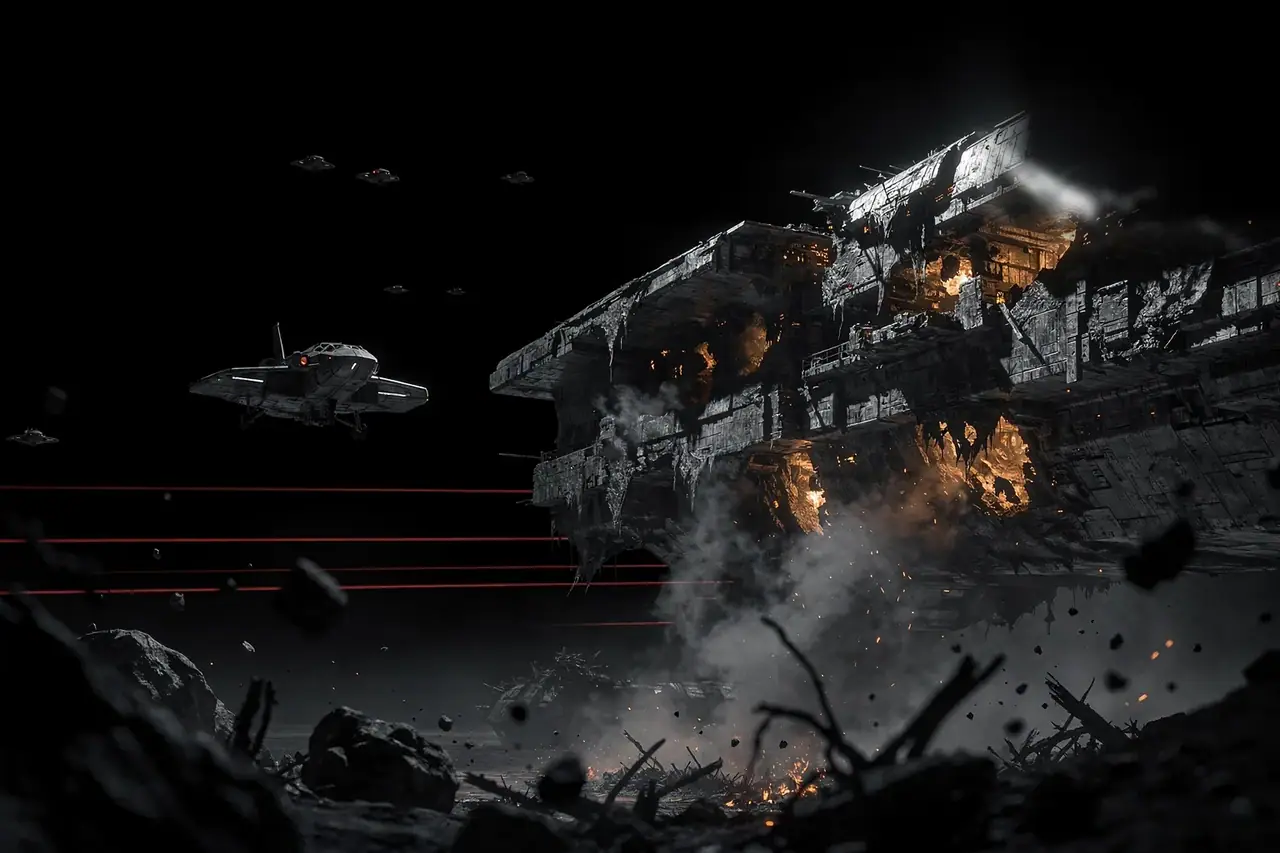
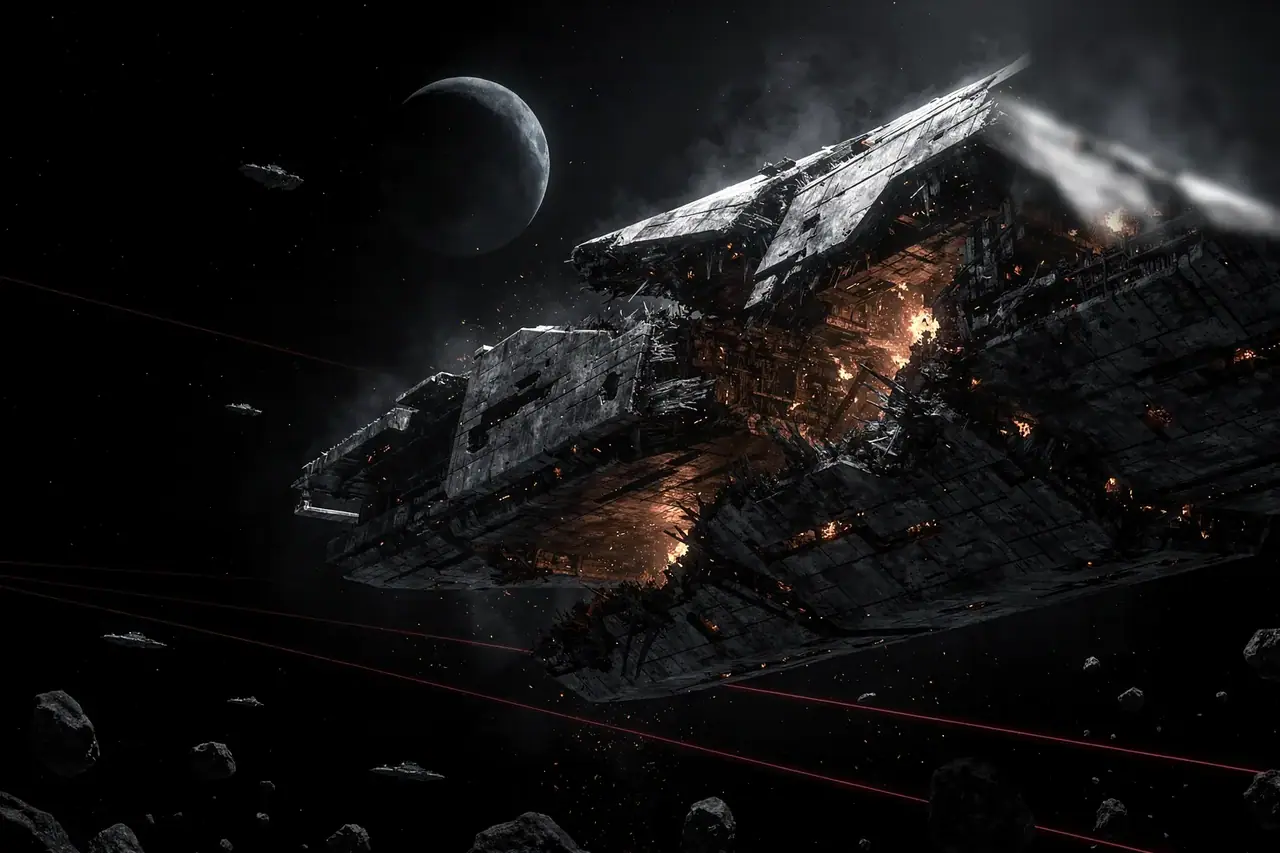
D-QJR9 remains the focal point of the campaign, and the latest signals show pressure concentrated rather than dispersed. That matters: when a front stays tight, it can become far harder for defenders to absorb the strain or redirect support elsewhere. BorderZone is still holding the line, but the current balance indicates the attackers continue to dictate the pace.
THE FRONT HOLDS TOGETHER
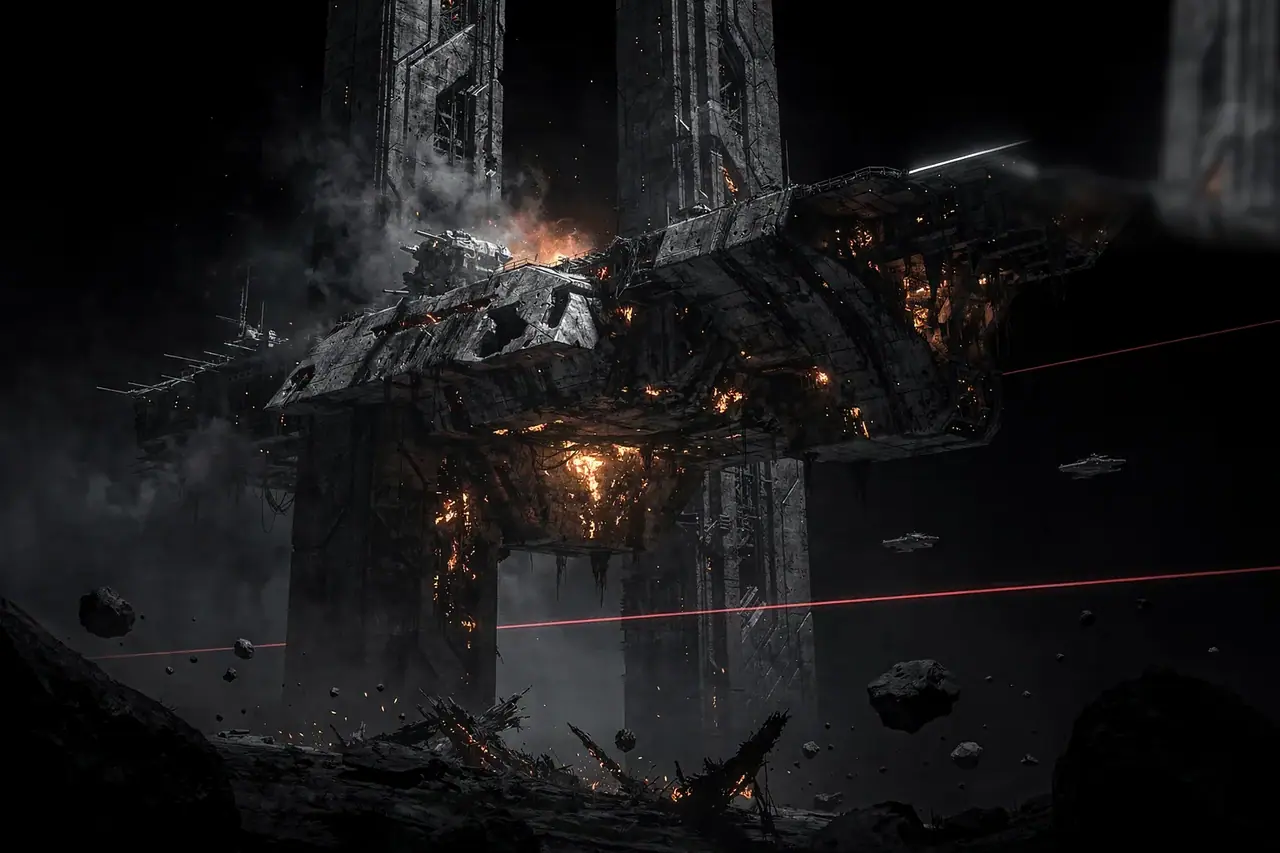
This is not a widening regional collapse. The available data points to localised pressure, which suggests a contained but persistent campaign rather than a sweeping offensive across Perrigen Falls. Even so, a stable front under repeated challenge can slowly reshape control in the area, especially if the attackers maintain momentum without expanding the battlefield.
THE IMPLICATIONS
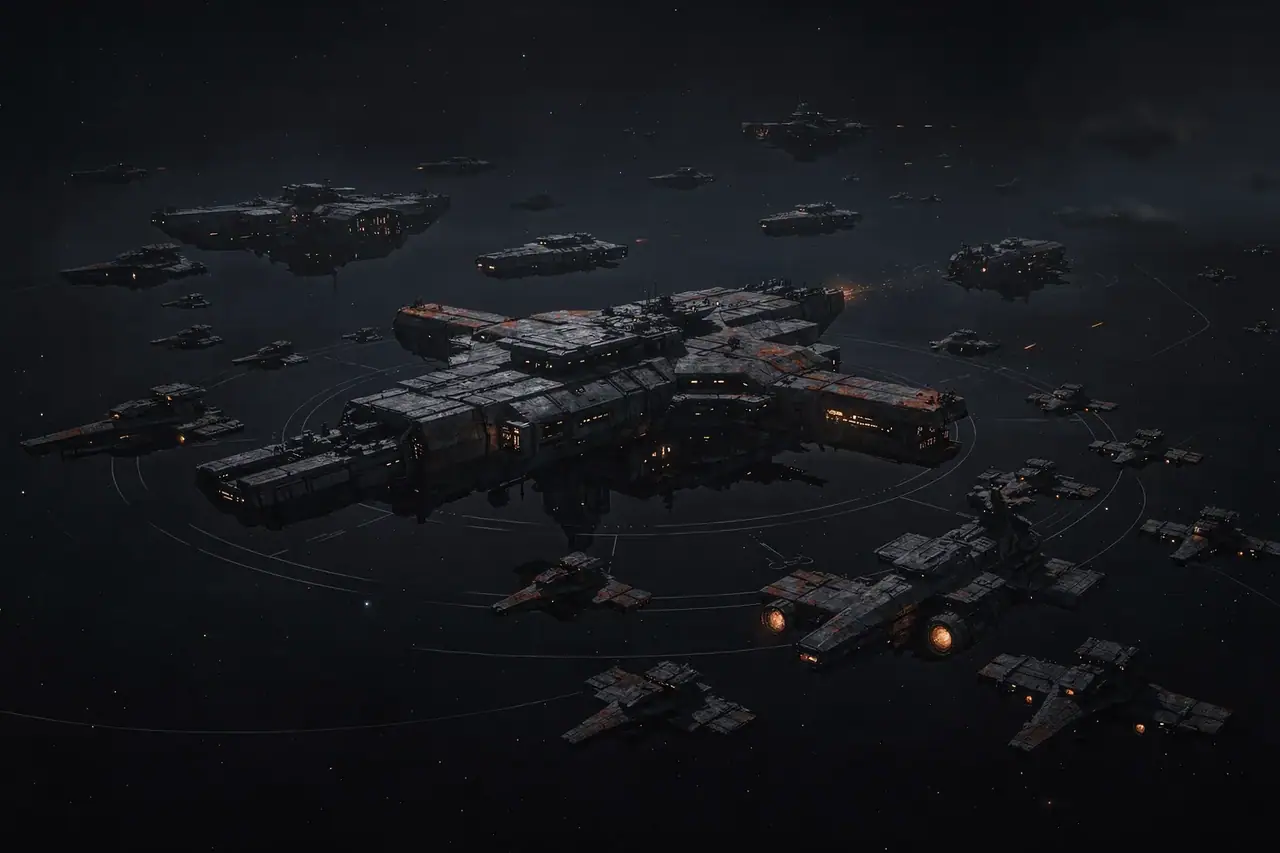
With no systems added or removed from the fight, the strategic picture remains focused on a single point of contest. That makes D-QJR9 more than just a system under pressure; it is now the clearest measure of which side can sustain commitment in Perrigen Falls. For BorderZone, the challenge is not merely to endure a timer cycle, but to prevent a concentrated campaign from turning into a broader foothold for the attackers.
WHAT COMES NEXT
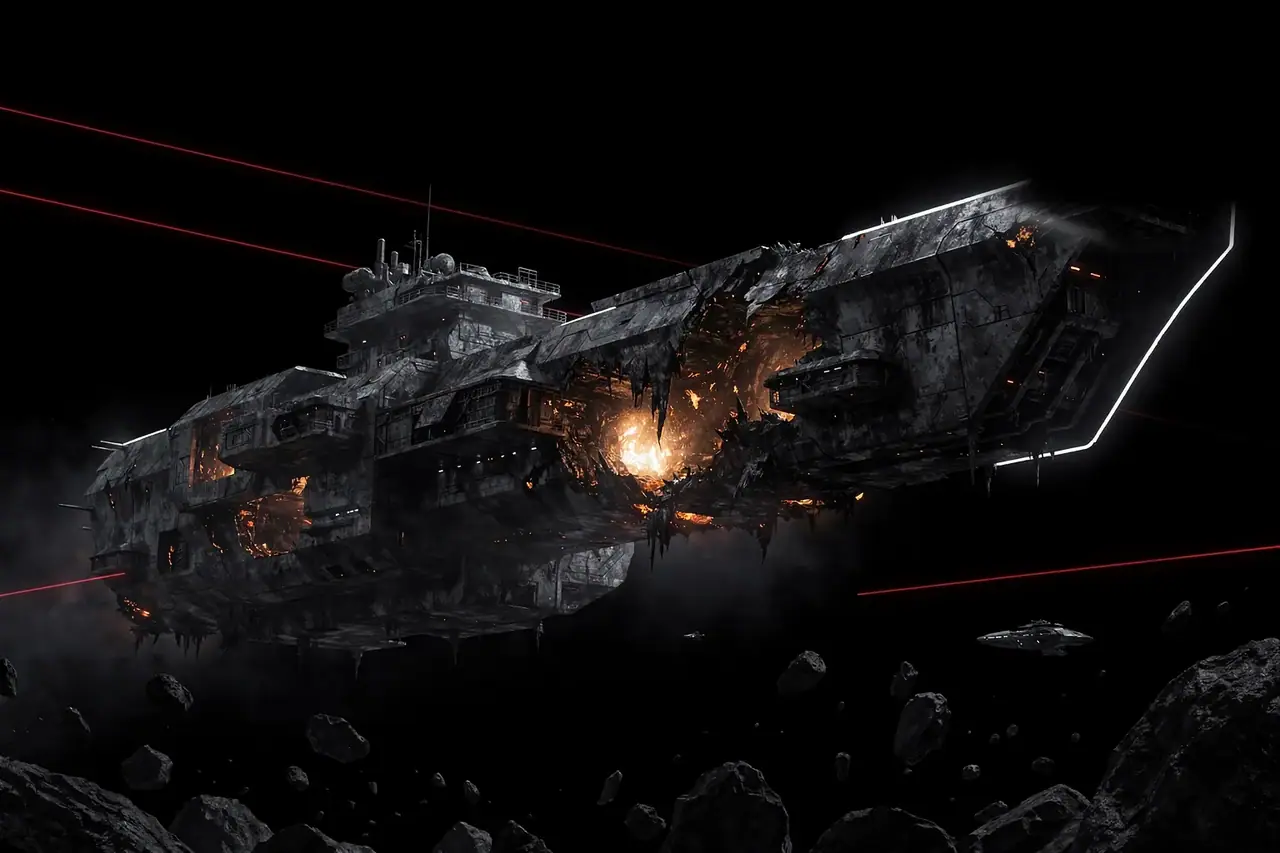
The front appears set to remain active, and the key question is whether BorderZone can stabilise the line or whether the attackers continue to convert pressure into further gain. For now, the campaign’s shape suggests persistence rather than flash — a slow struggle for influence on a border that has not yet cracked, but is clearly being tested.