THE HOLD
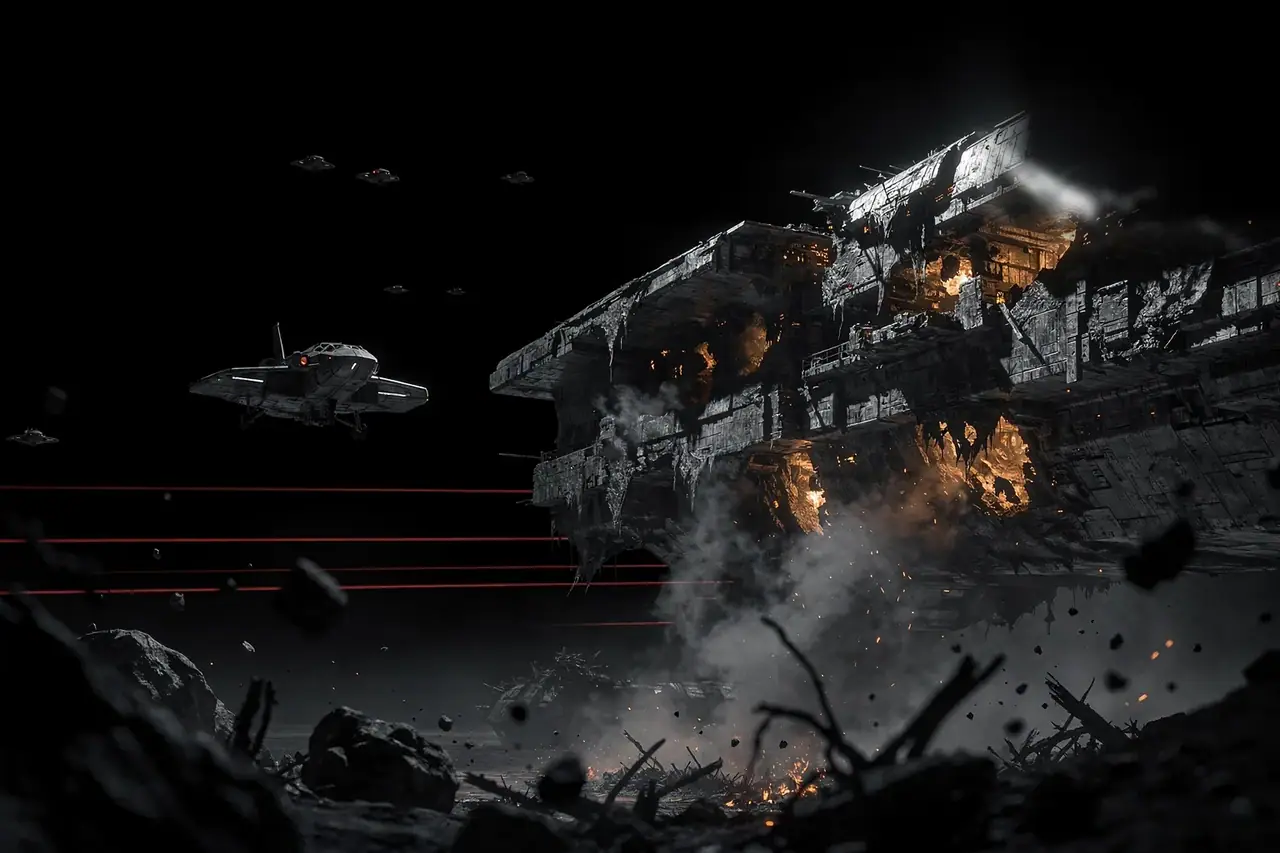
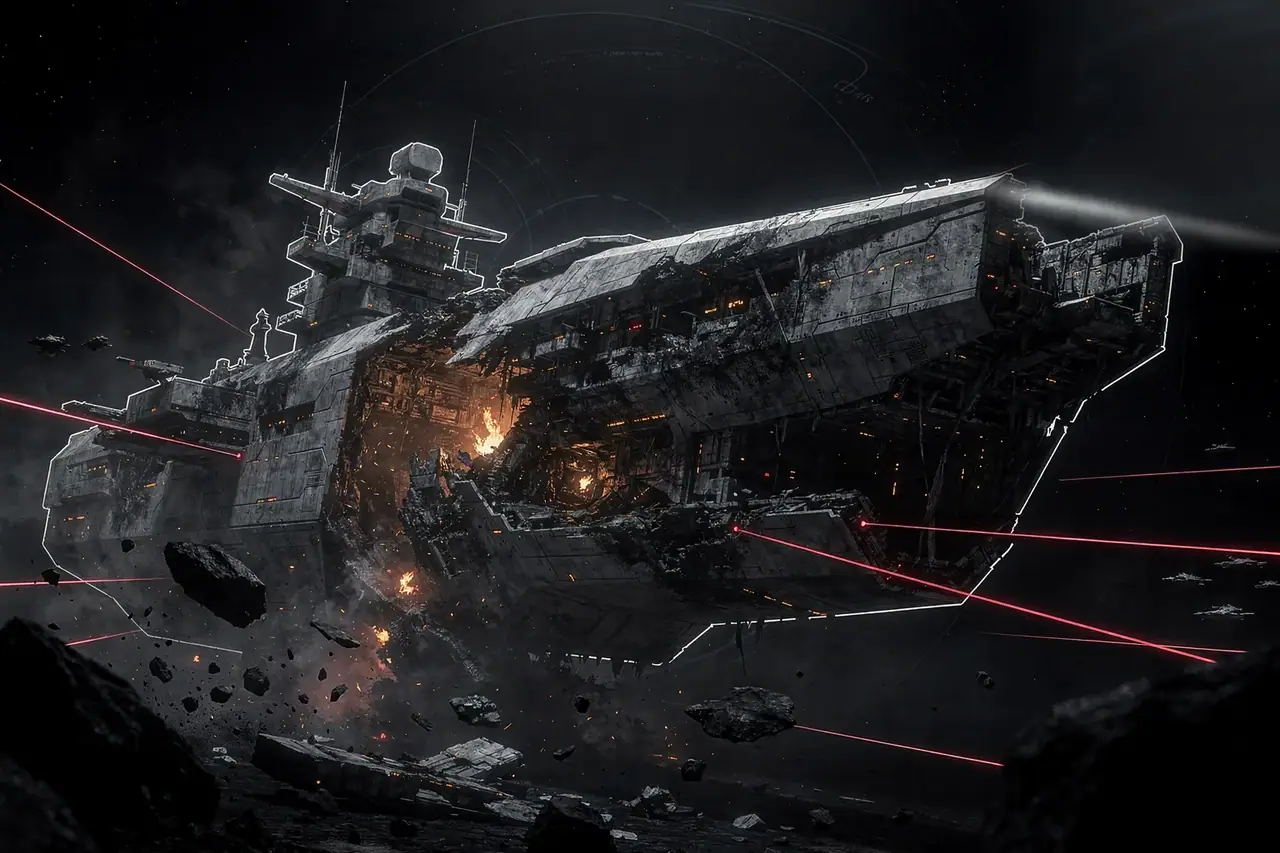
BorderZone’s position in Perrigen Falls appears to be hardening. The current balance points to defenders regaining ground, which matters because it suggests the campaign has not simply stalled, but met resistance strong enough to reverse some of the pressure that had been building. In sovereignty warfare, that kind of shift can matter as much as a fresh advance: it changes the tempo, forces a re-evaluation of momentum, and can make future pushes more costly.
THE FRONT
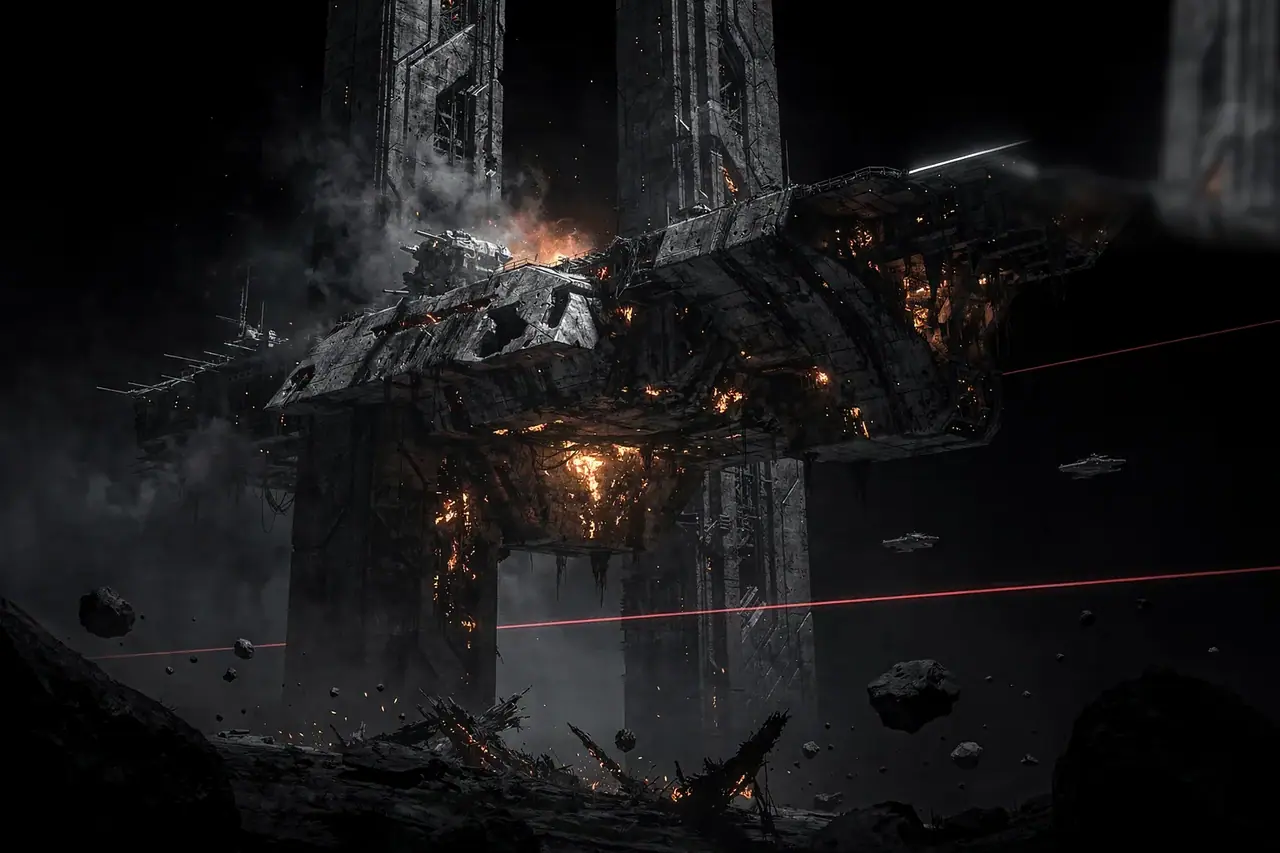
The contest remains focused on two systems, 6Q4-X6 and U4-V3J, keeping the campaign concentrated rather than diffuse. That concentration is strategically important. With the pressure pinned to a stable front, both sides are likely being forced to commit attention, logistics, and pilots to the same narrow corridor instead of opening new lines elsewhere in the region. The campaign is growing, but it is doing so in a controlled shape rather than spreading unchecked across Perrigen Falls.
THE SHIFT
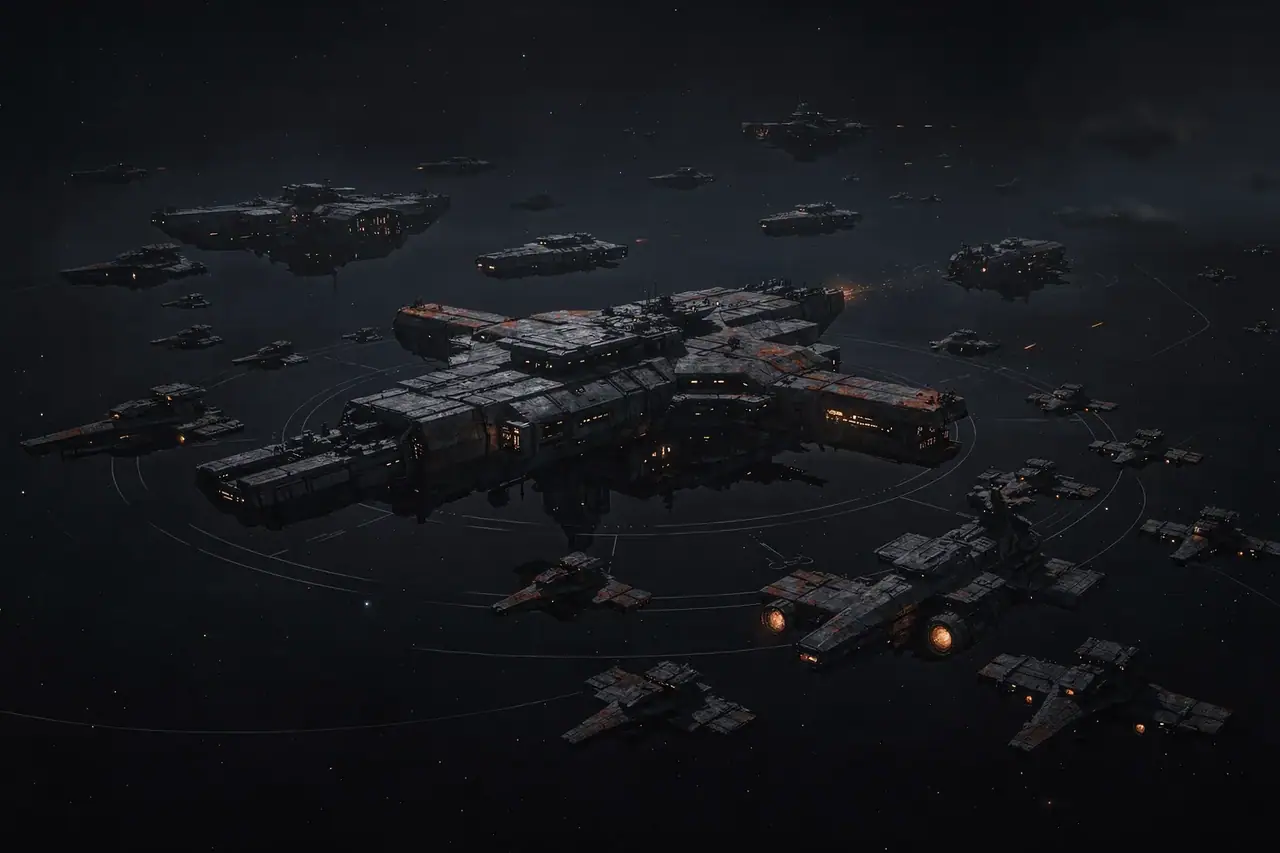
The removal of B9N2-2 from the active system set suggests the battlefield has narrowed. That does not end the campaign, but it can signal consolidation, a change in operational focus, or simply a front that has been absorbed into the wider struggle. For defenders, a tighter area of conflict can be an advantage if it helps concentrate resistance. For attackers, it can mean the campaign is becoming more stubborn than expansive.
THE NEXT MOVE
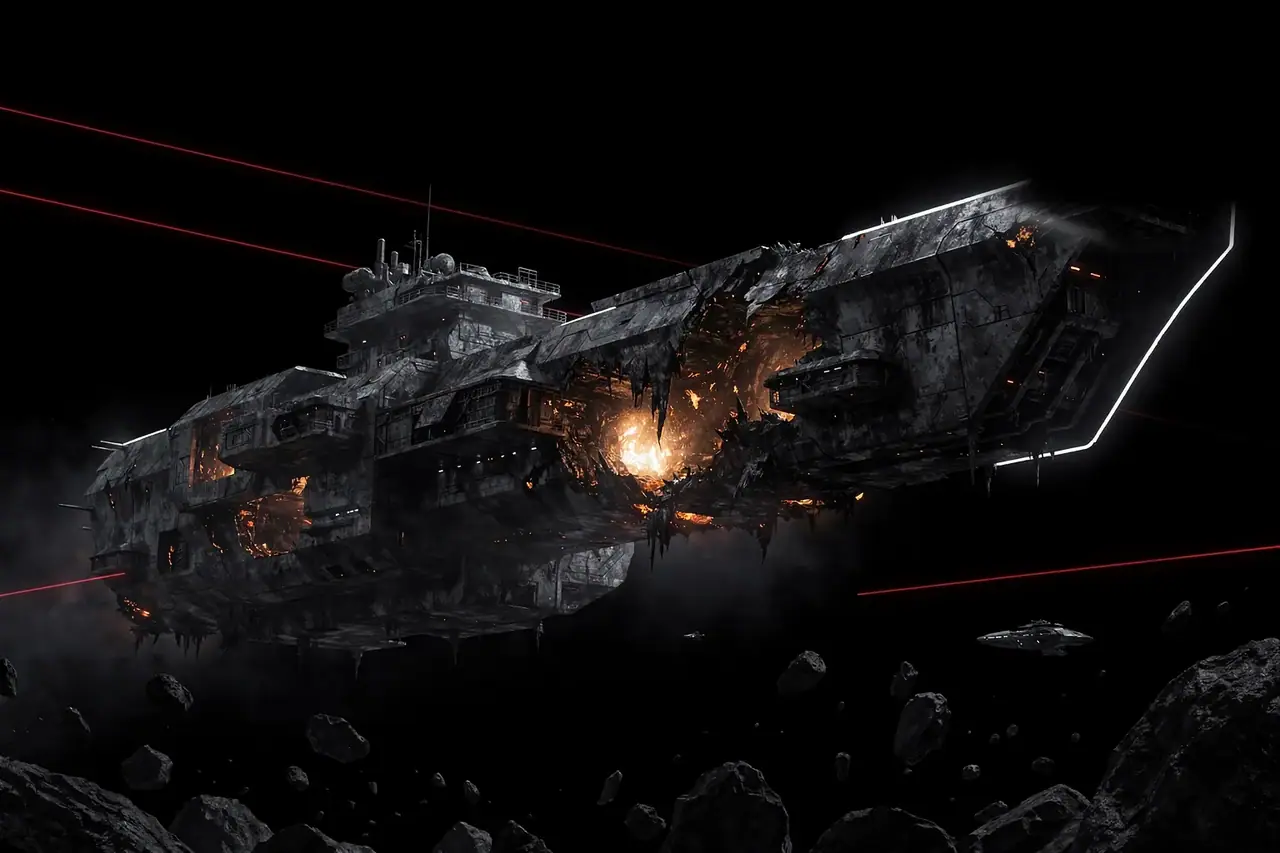
For now, the story in Perrigen Falls is one of pressure meeting resistance. BorderZone remains under strain, but the defenders are no longer being pushed back without answer. If that trend holds, the coming phase may be shaped less by rapid movement and more by a contest over endurance, positioning, and who can keep the front from widening again.