THE TURN
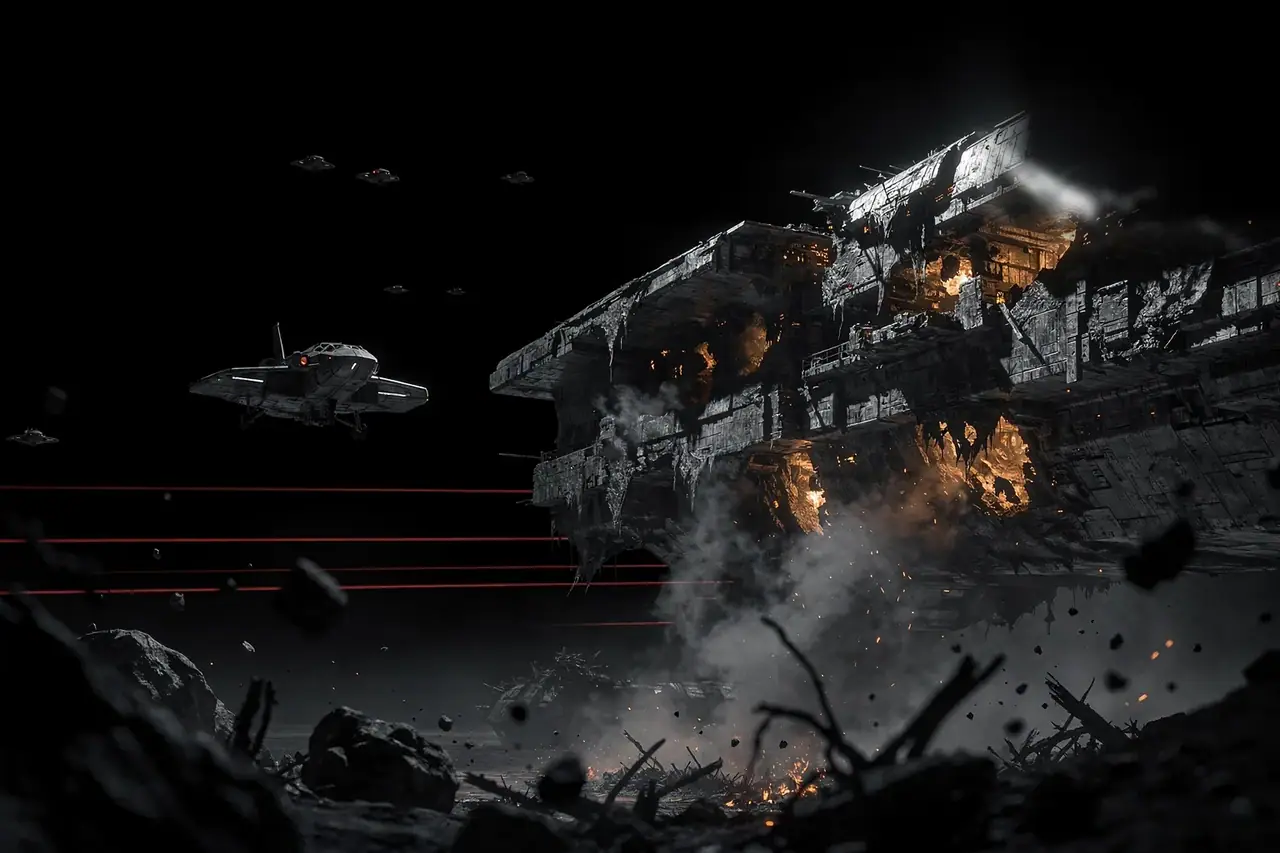
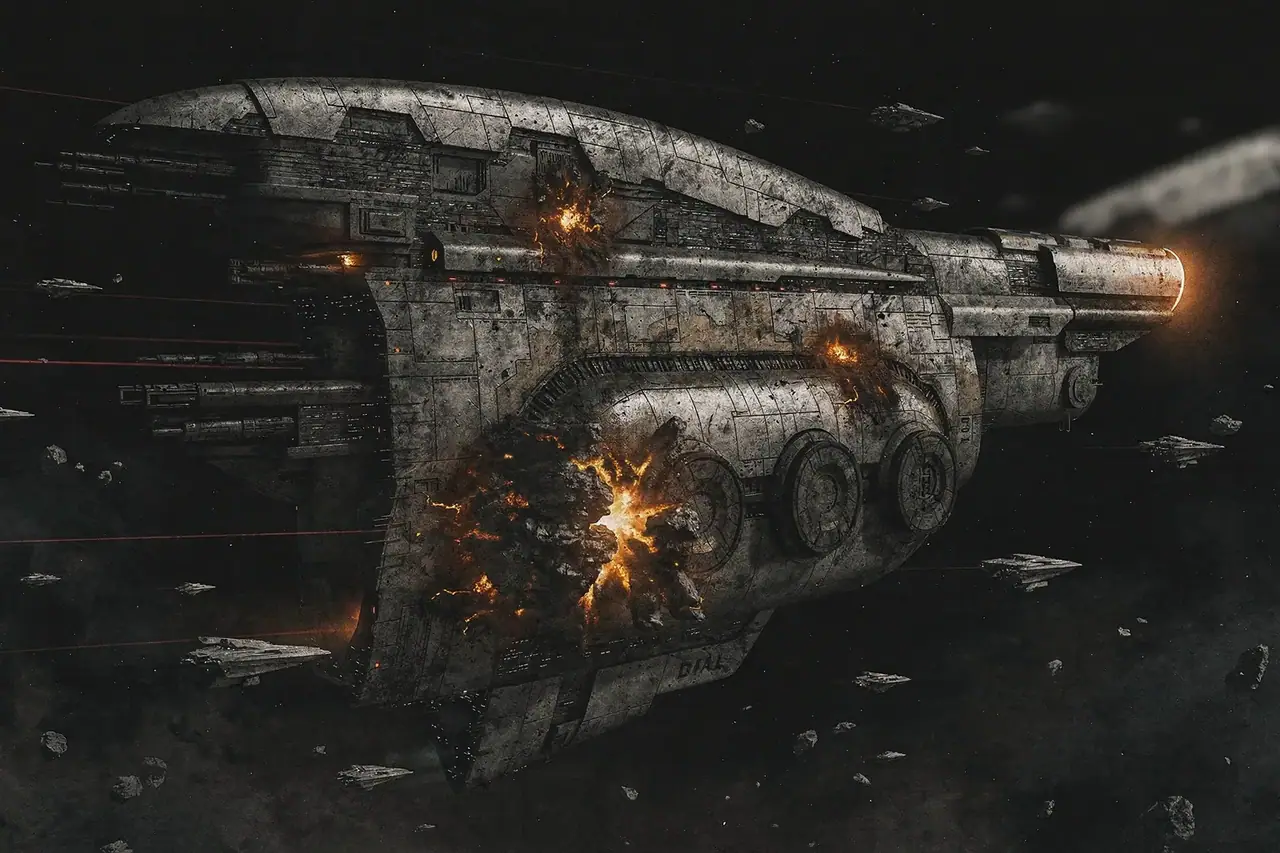
The clearest development is the change in momentum. The Minmatar Fleet Alliance is still under pressure, but the latest picture shows defenders reclaiming ground rather than simply absorbing the campaign's advance. In practical terms, that suggests the pressure is not breaking the region open as quickly as before, and the immediate fight has narrowed to a smaller set of systems.
THE BORDER
2G-VDP is now the system in play, with several earlier flashpoints no longer listed in the active set. The removal of 43-1TL, 5U-3PW, 9F-3CR, KMH-J1, KRPF-A, and R-6KYM points to a contraction in the visible theatre. That does not mean the threat has vanished; instead, it appears to indicate that the campaign is concentrating around a tighter edge of the region, where control may be easier to contest and harder to dislodge.
THE HOLD
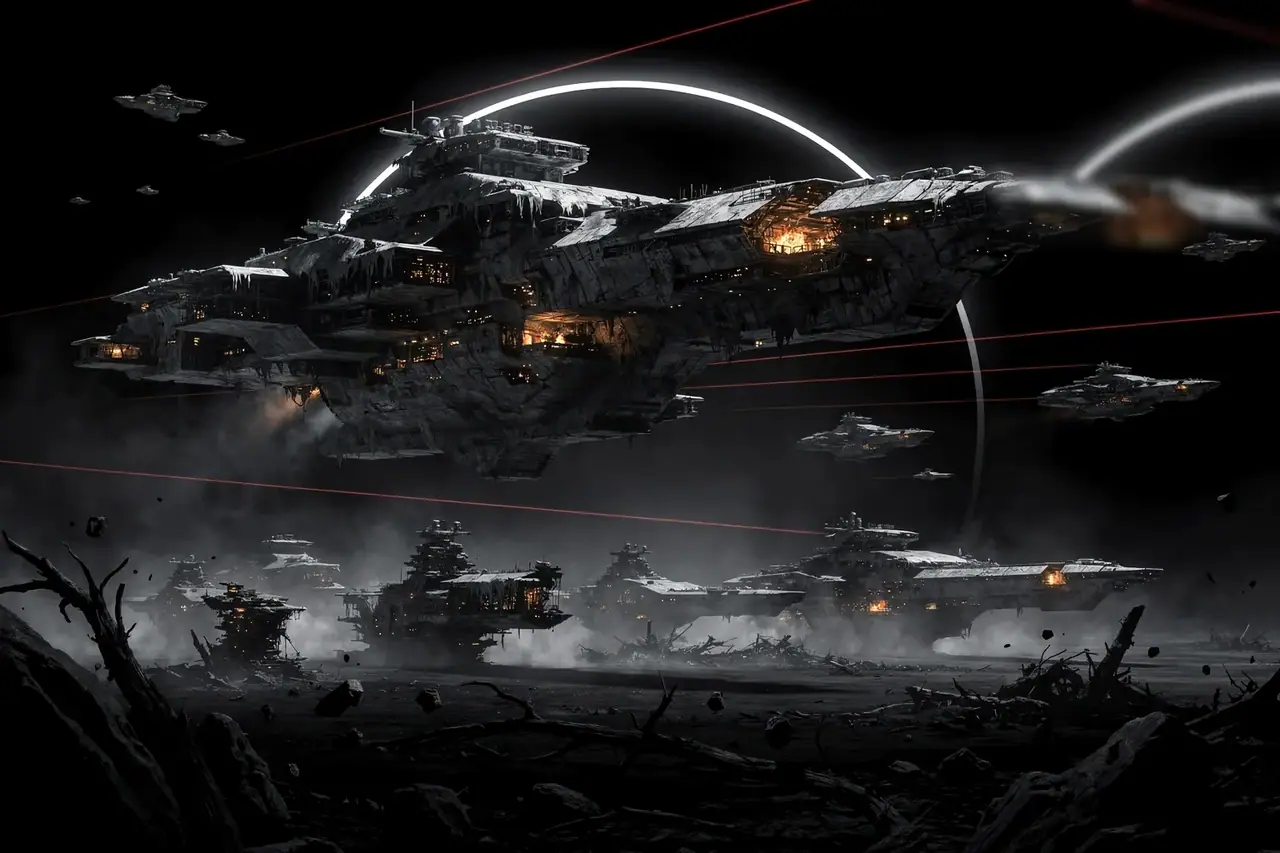
For the defenders, regaining ground matters because it can slow the rhythm of a campaign and force hostile pressure into fewer avenues of approach. A localised front gives the Minmatar Fleet Alliance room to stabilise, even if only temporarily. In sovereignty conflicts, that kind of breathing space can matter as much as raw territorial movement, because it shapes where fleets can stage, how far logistics must reach, and which systems remain vulnerable to renewed attention.
THE NEXT FRONT
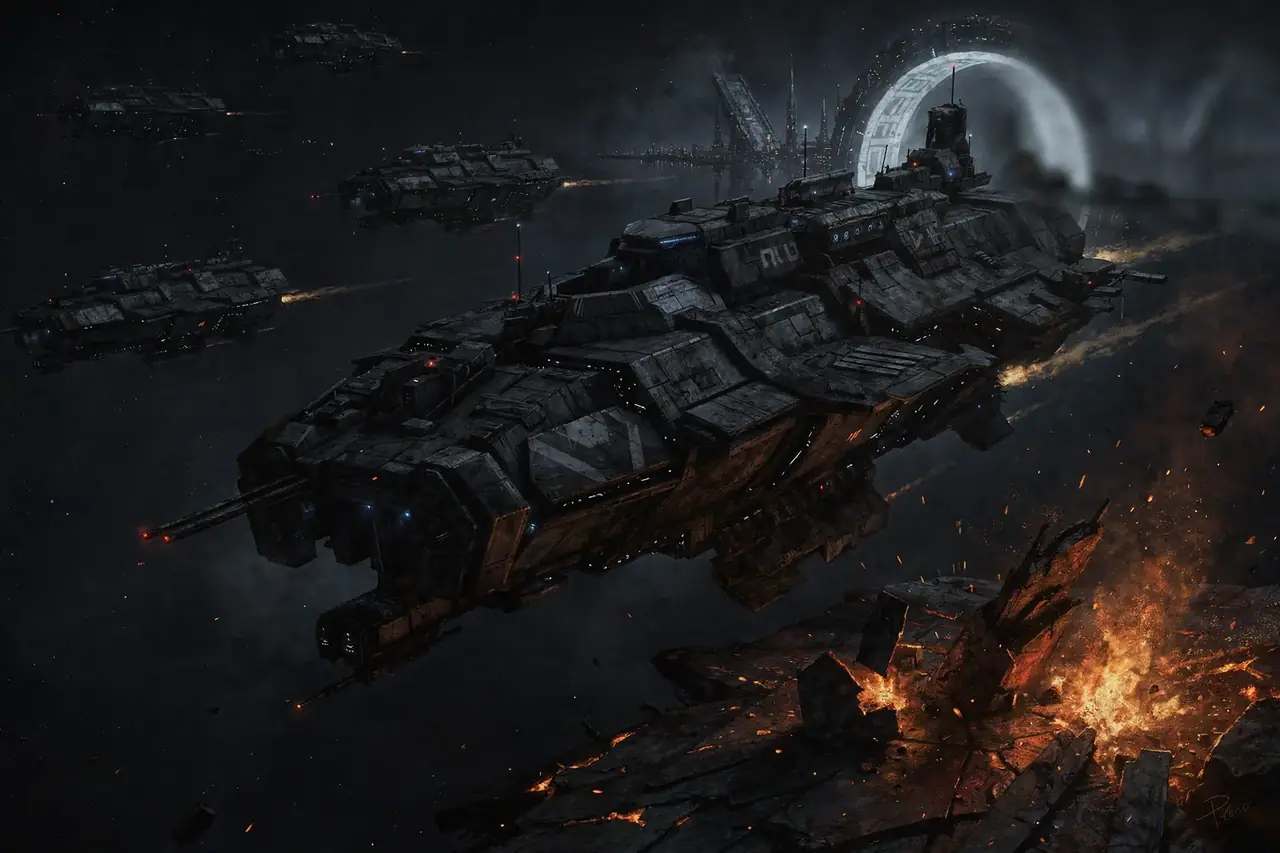
The broader signal here is not a decisive end, but a campaign that remains alive and adaptive. The same front is still active, and the signs of pressure spreading into new systems suggest the situation could change again if momentum returns. For now, Etherium Reach looks less like a sweeping regional collapse and more like a contested pocket where each shift in pressure redraws the immediate boundary of the fight.