THE HOLD
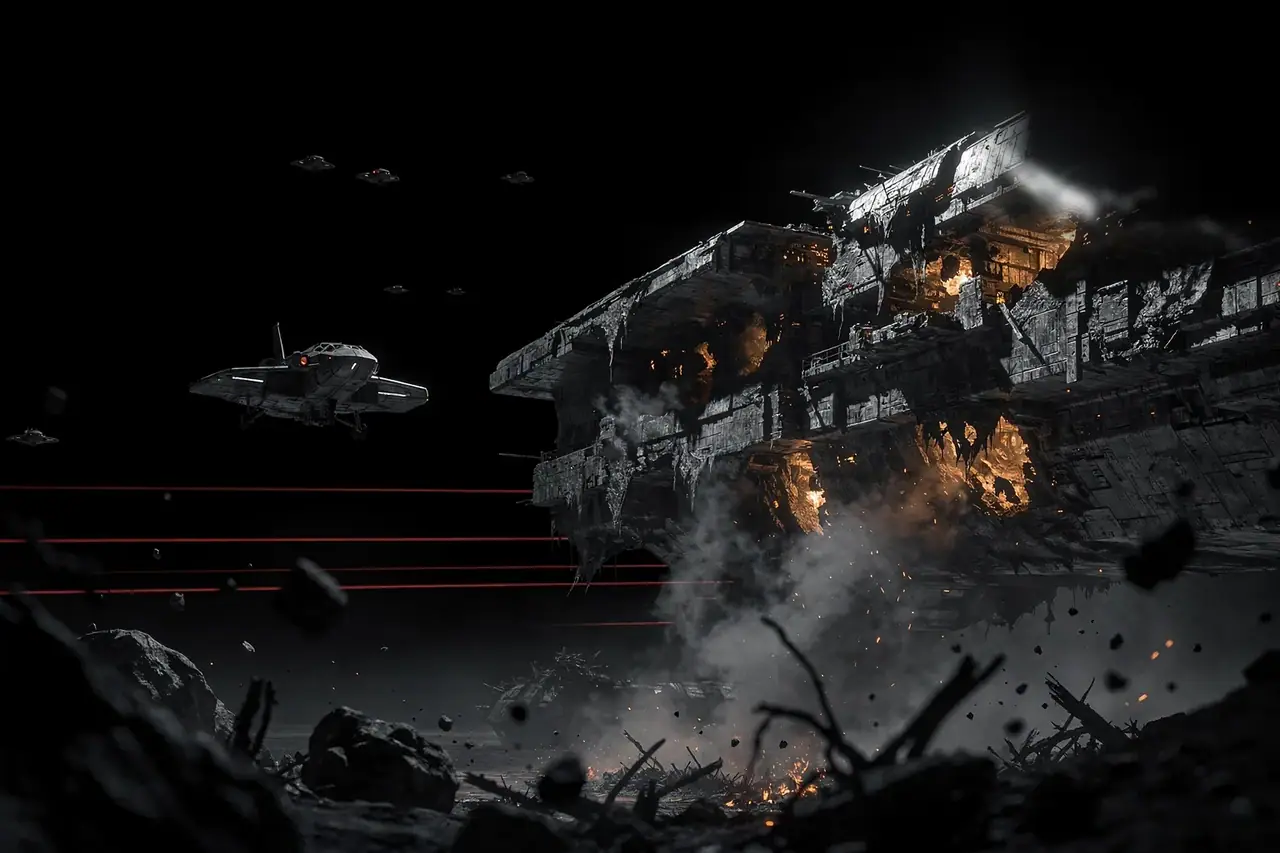
The clearest signal from Perrigen Falls is that the defenders are no longer simply absorbing pressure. Get Off My Lawn appears to be clawing back space across the campaign area, a shift that matters because it can blunt momentum even when the wider threat remains unresolved. For now, the contest is still active, but the defenders’ ability to regain ground suggests the line is proving harder to crack than it first appeared.
THE FRONT SHIFTS
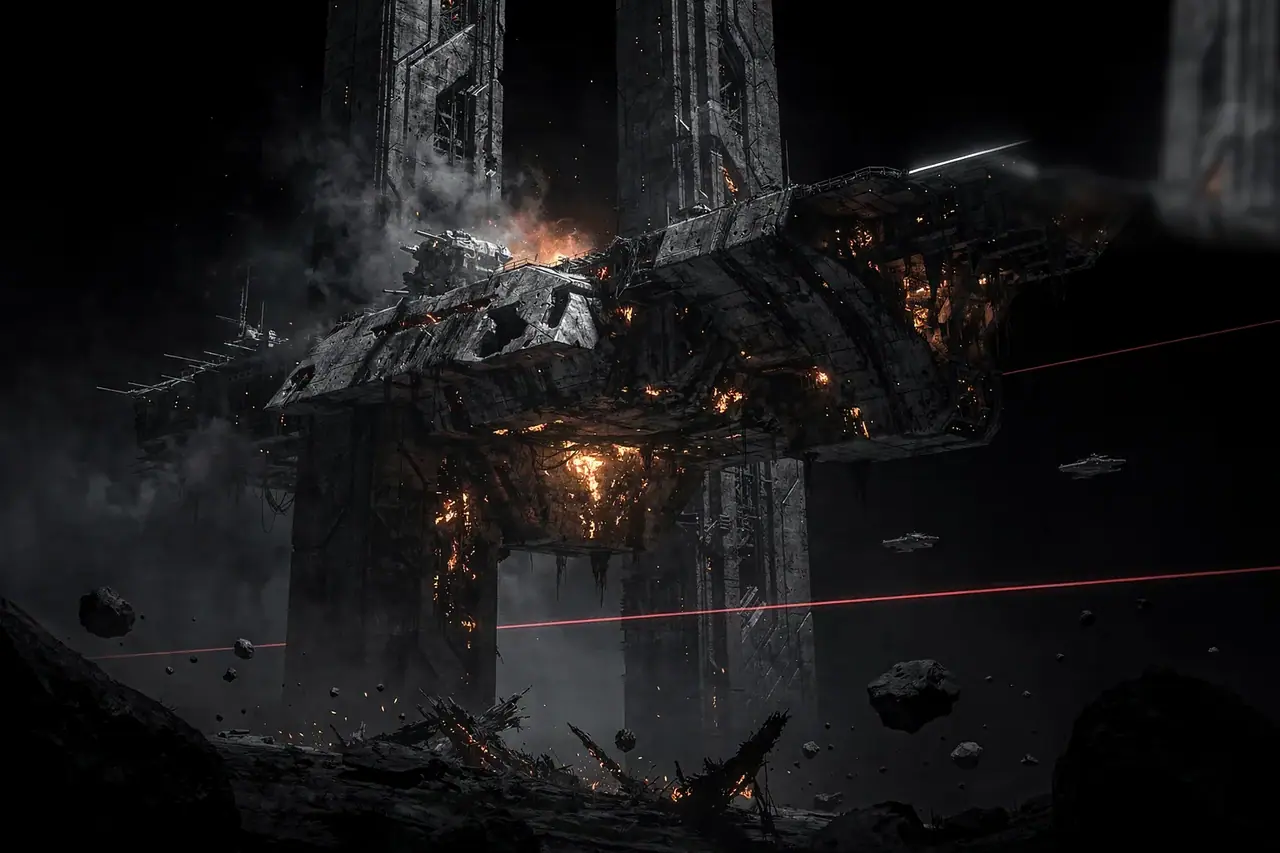
The campaign remains broad in scope, with activity still tied to 3LL-O0, 49V-E4, JM0A-4 and PT-2KR. Even so, the loss of 6-8QLA from the active set points to a front that is narrowing into a more stable shape. That kind of consolidation can be important in sovereignty warfare: it often means the struggle is becoming less about scattered pressure and more about who can sustain control over the systems that still matter most.
THE RECOVERY
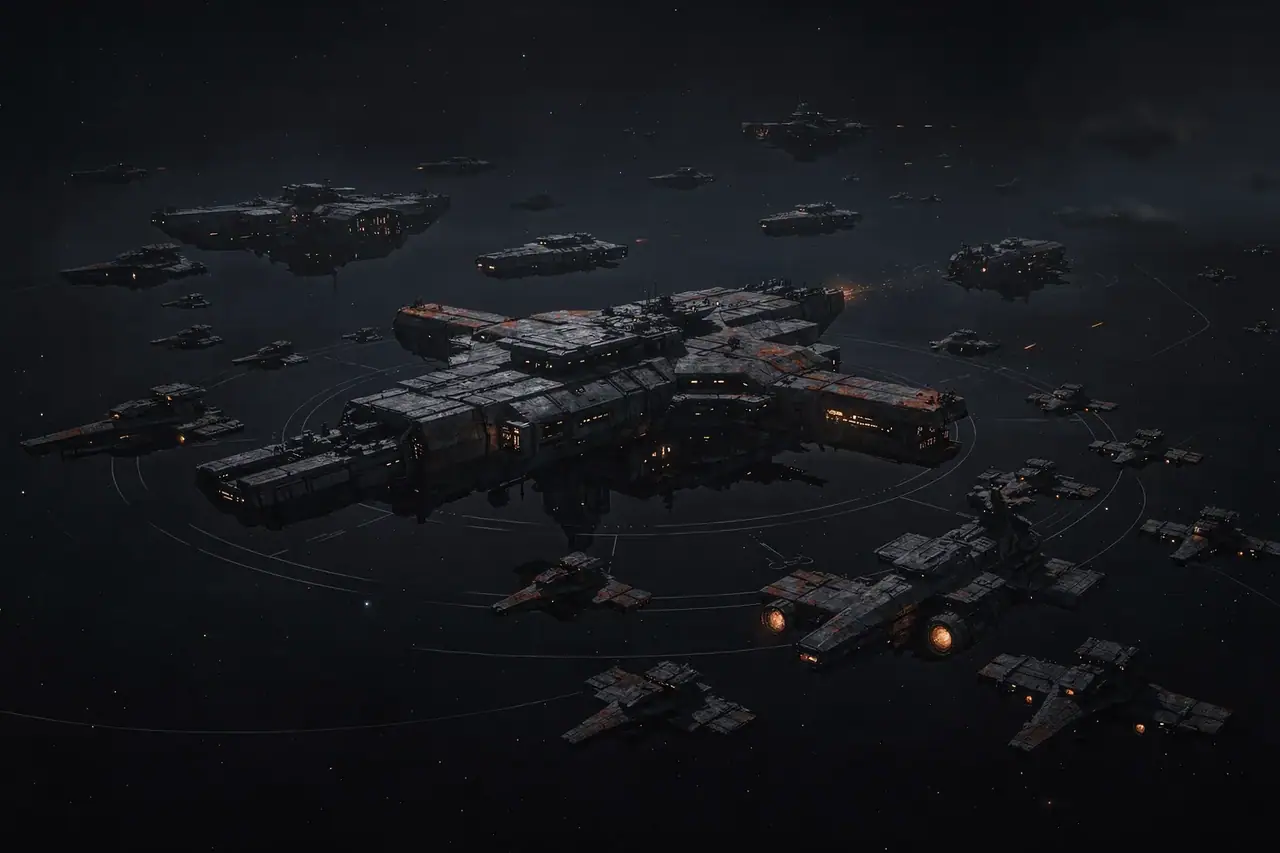
Six days into the campaign, the pressure on Get Off My Lawn has not disappeared, but the current balance suggests the defenders have found room to push back. In practical terms, that may help them defend staging options, reduce uncertainty along the border, and force attackers to work harder for any further gains. The strategic picture is therefore less about a sudden breakthrough and more about a grinding contest over who can hold the line longest.
WHAT COMES NEXT
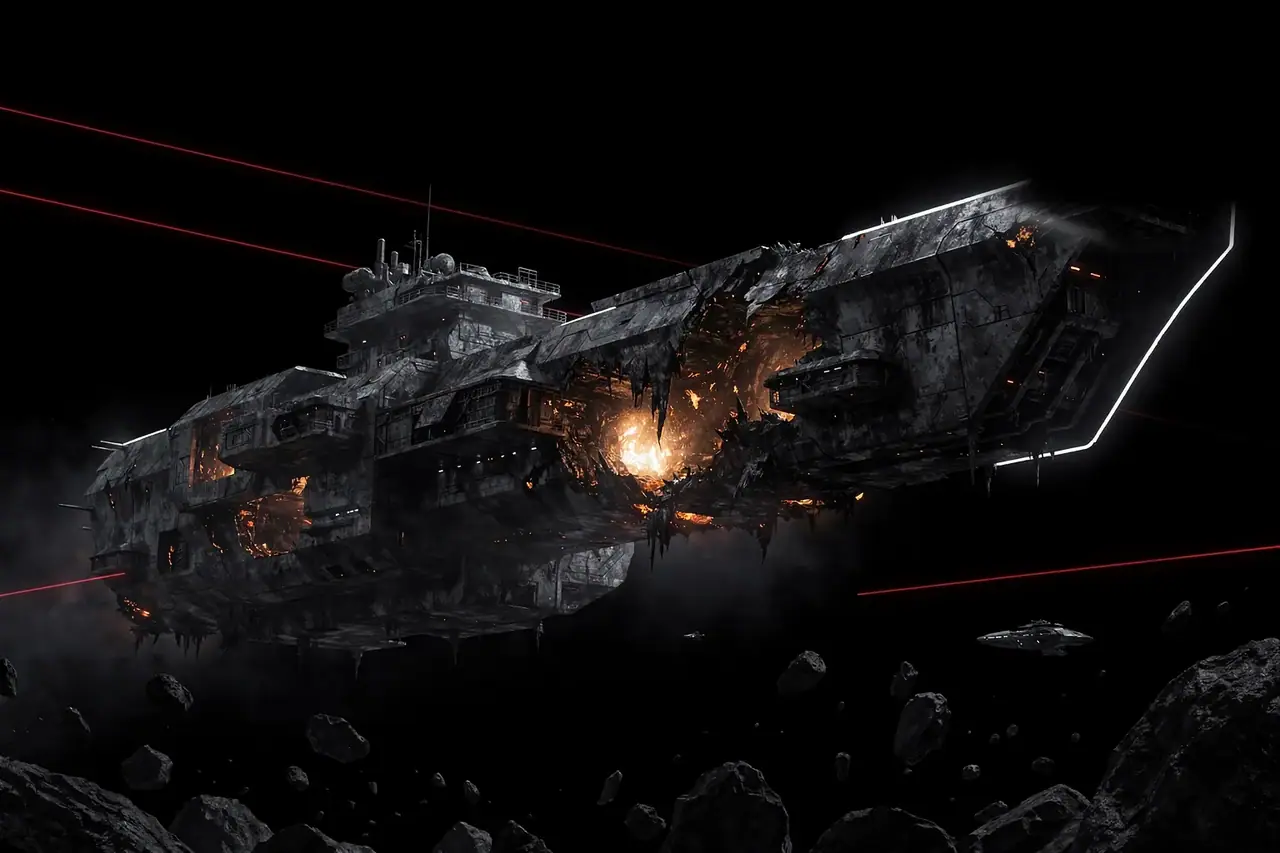
Perrigen Falls now looks like a campaign entering a test of endurance. If the defenders continue to recover ground, the pressure could begin to stall into a prolonged standoff. If not, the remaining systems in play may still give the attackers room to renew the push. Either way, the front remains live, and the region is still being shaped by the same central question: whether Get Off My Lawn can turn recovery into a lasting stabilisation.