THE TURN
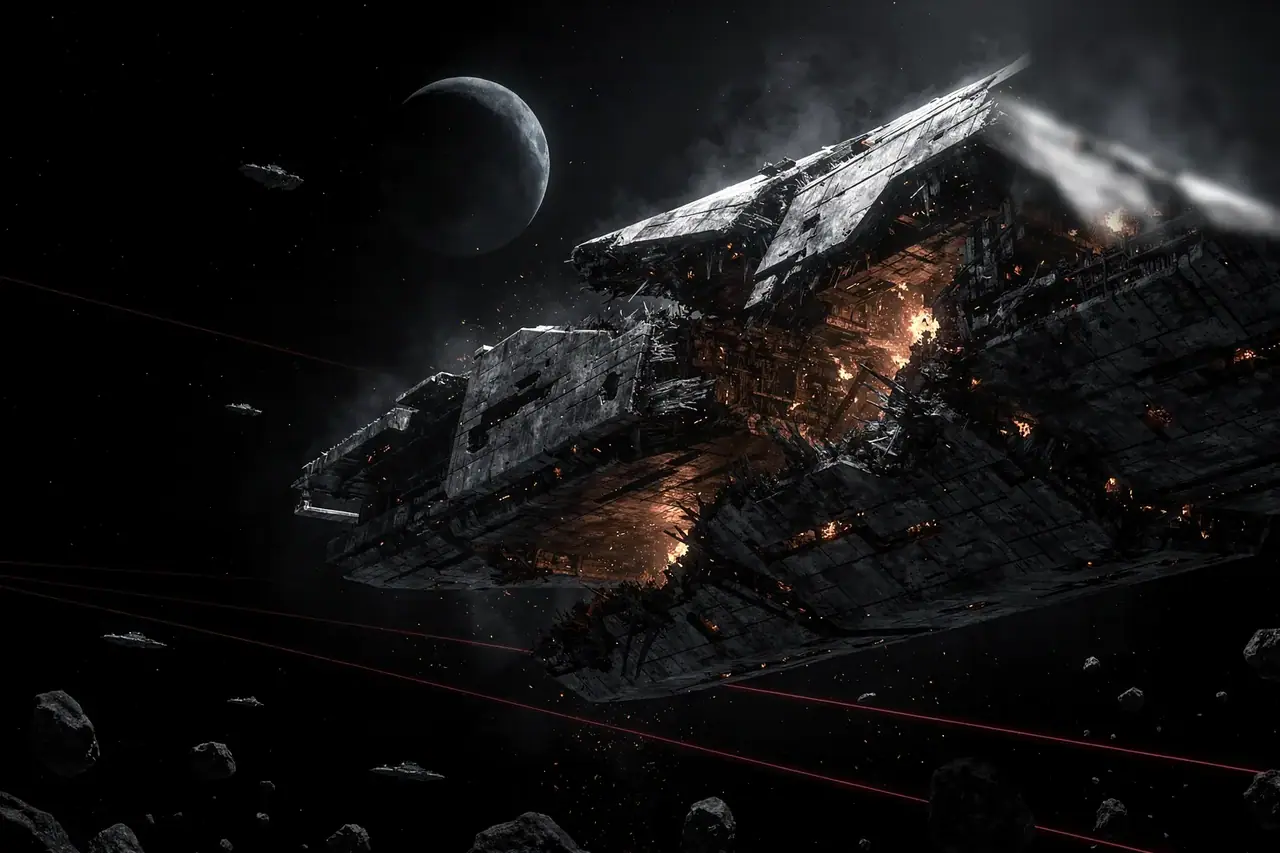
The most important change in Outer Passage is not a breakthrough, but a reversal of momentum. D3ad End, which has been under pressure since the campaign began, is now regaining ground. In a war of territorial influence, that matters as much as any single timer: it suggests the defenders are no longer simply absorbing the campaign, but are beginning to push back against it.
THE FRONTLINE
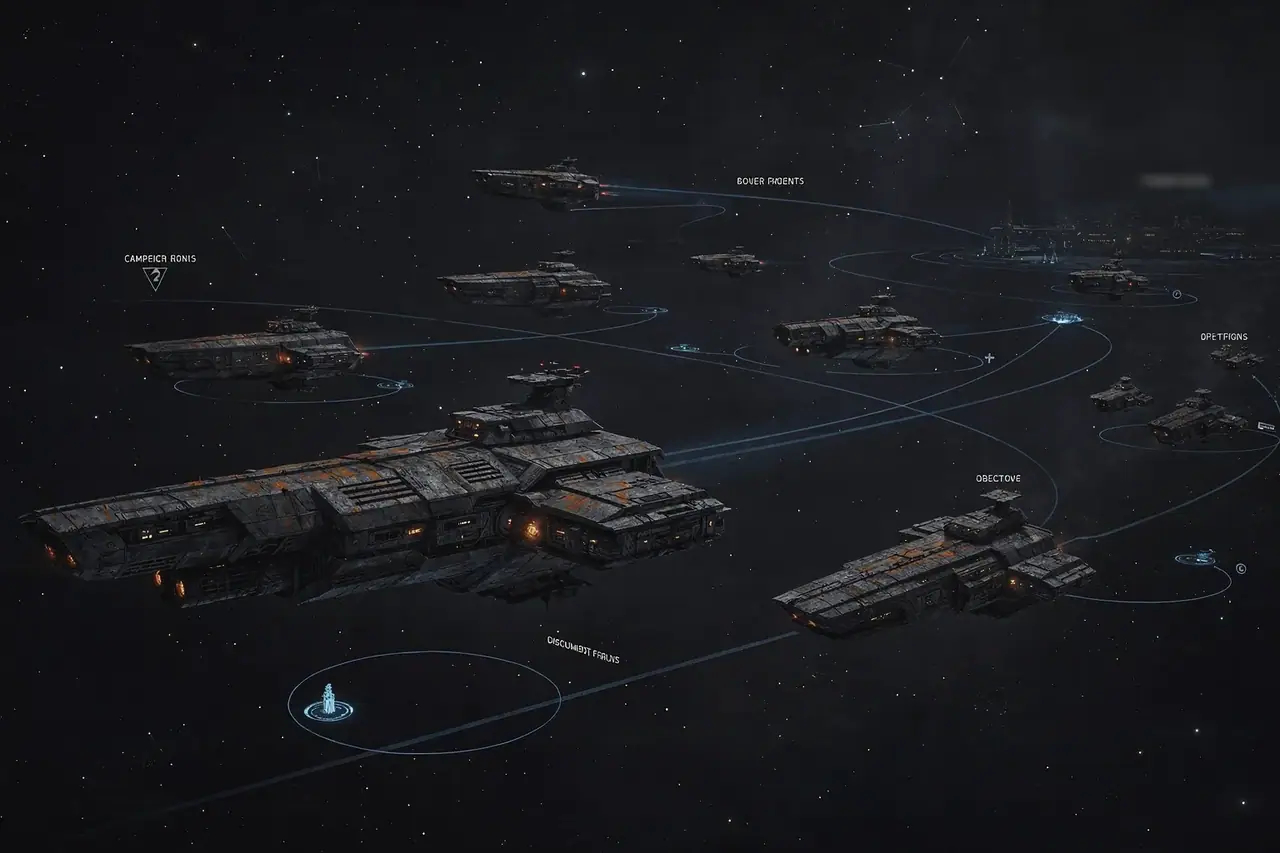
The campaign remains focused on JBUH-H and XDTW-F, with no new systems added and none removed from the fight. That stability tells its own story. Rather than spilling outward, the conflict appears concentrated along a fixed front, where both sides are continuing to contest the same strategic ground. For fleets, logisticians and staging planners, that kind of pressure can be as important as expansion, because it defines where control is being tested and where access may be secured or denied.
THE PRESSURE
A campaign that is six days old and still active is rarely just about isolated skirmishes. The signals here point to a growing regional effort, with pressure remaining concentrated in a stable corridor rather than dispersing across Outer Passage. That kind of sustained focus may indicate that both sides see these systems as important to the wider contest, whether for border security, movement, or future operational depth.
THE OUTLOOK
For now, the significance lies in the defender’s recovery. D3ad End remains under pressure, but regaining ground suggests the campaign is not following a one-way path. If that momentum continues, the front may tighten further around the current systems; if it stalls, Outer Passage could quickly settle back into a drawn-out struggle for control. Either way, this remains a campaign worth watching closely, because the balance is changing without the front disappearing.