THE LONG FIGHT
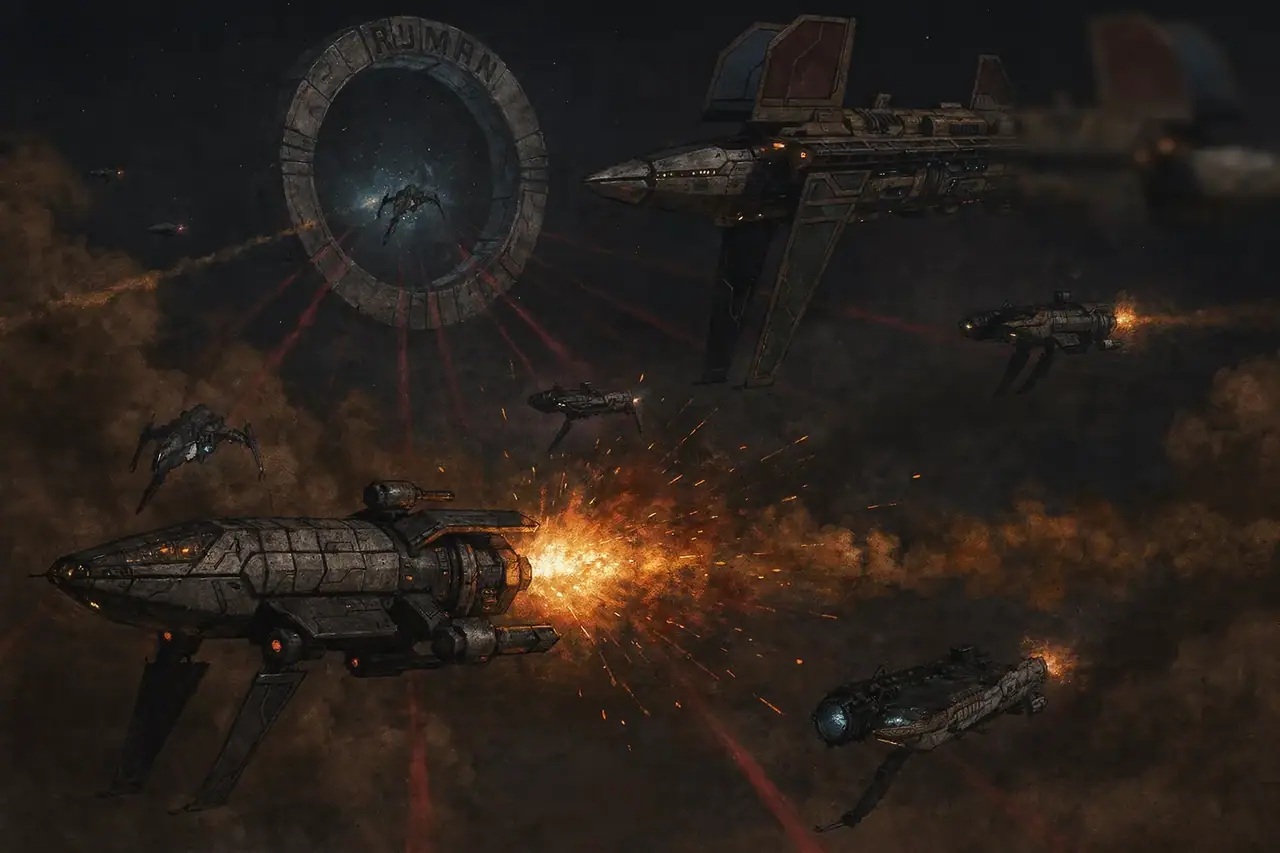
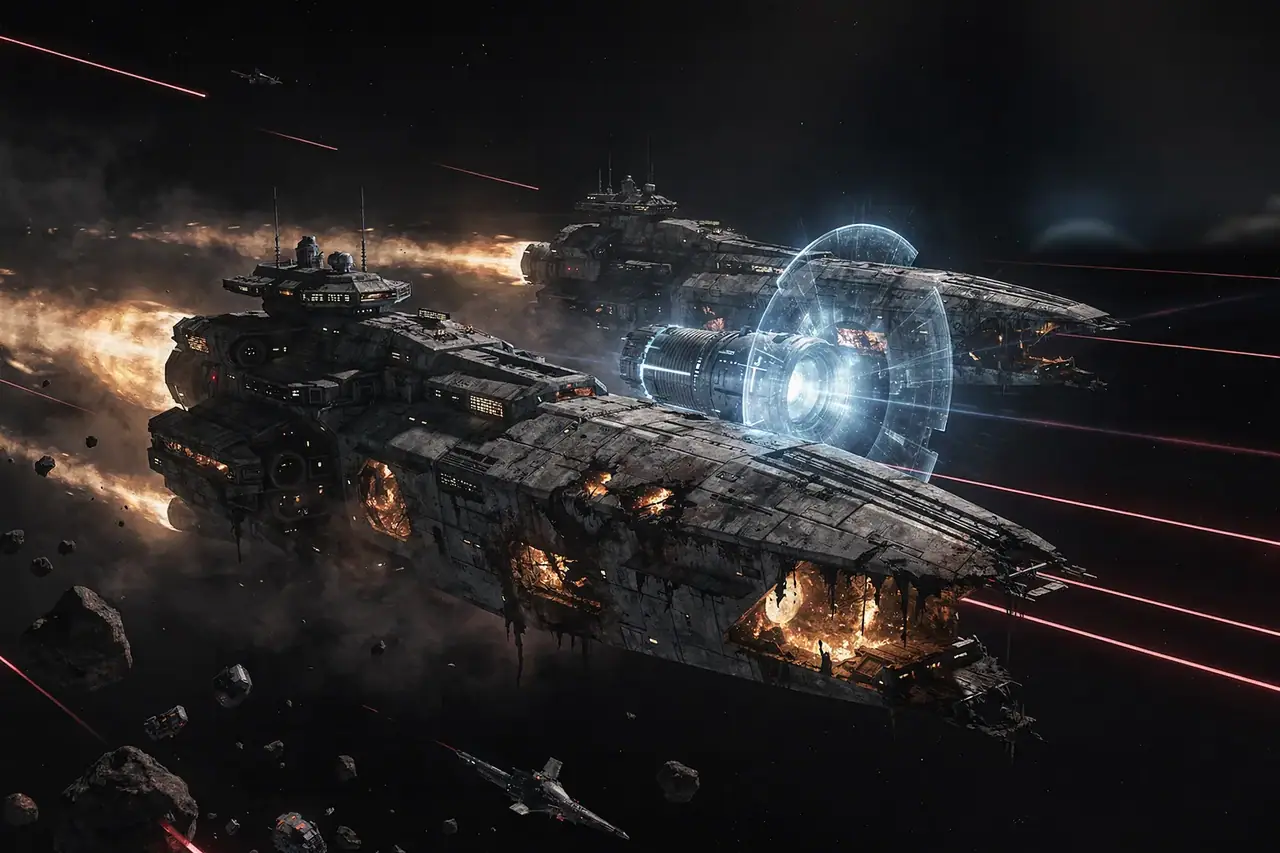
This was not a quick hit-and-run exchange. The engagement stretched across the better part of a day, suggesting both sides were willing to commit and keep pressure on long after the first ships burned. With 261 participants involved, Raravoss became a crowded and unforgiving place, where each new commitment appears to have deepened the cost of staying in the fight.
THE HEAVY HULLS FALL
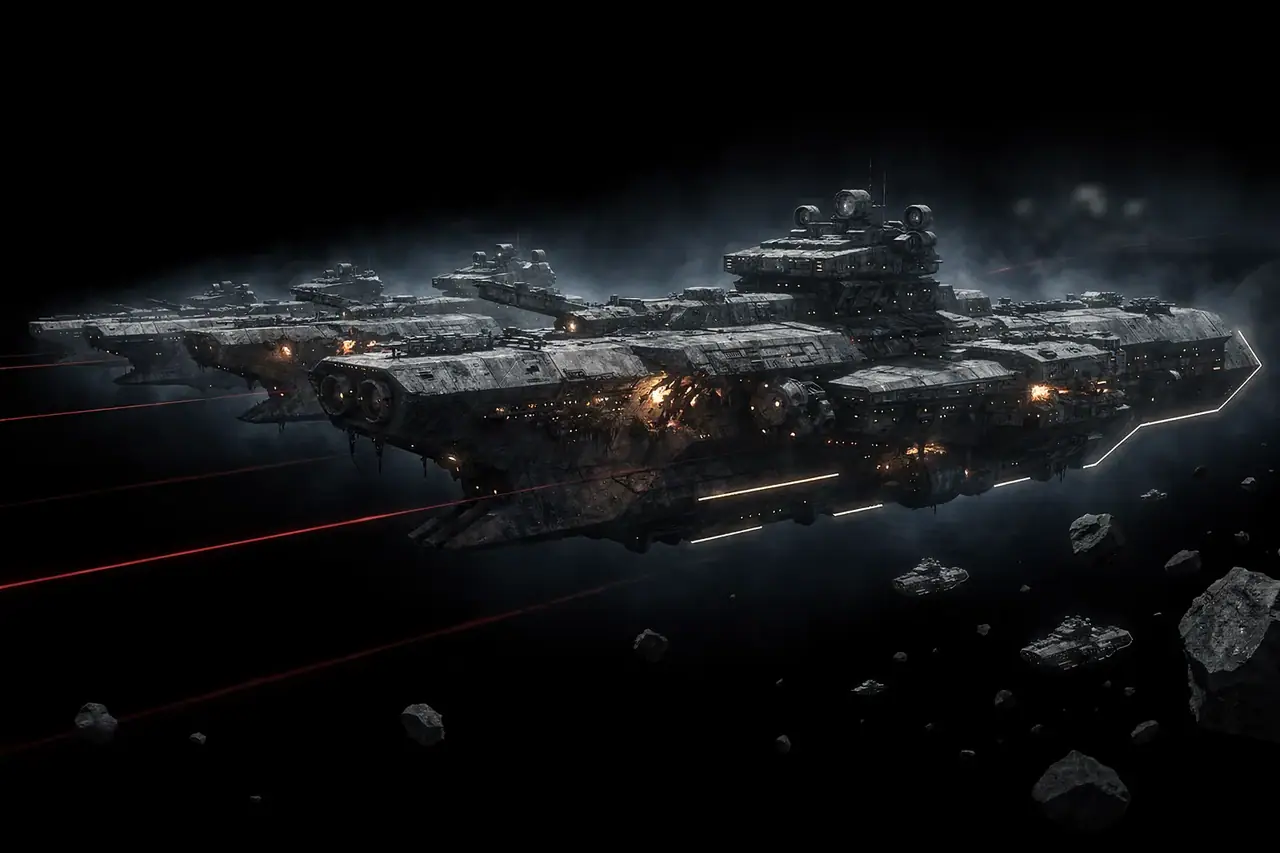
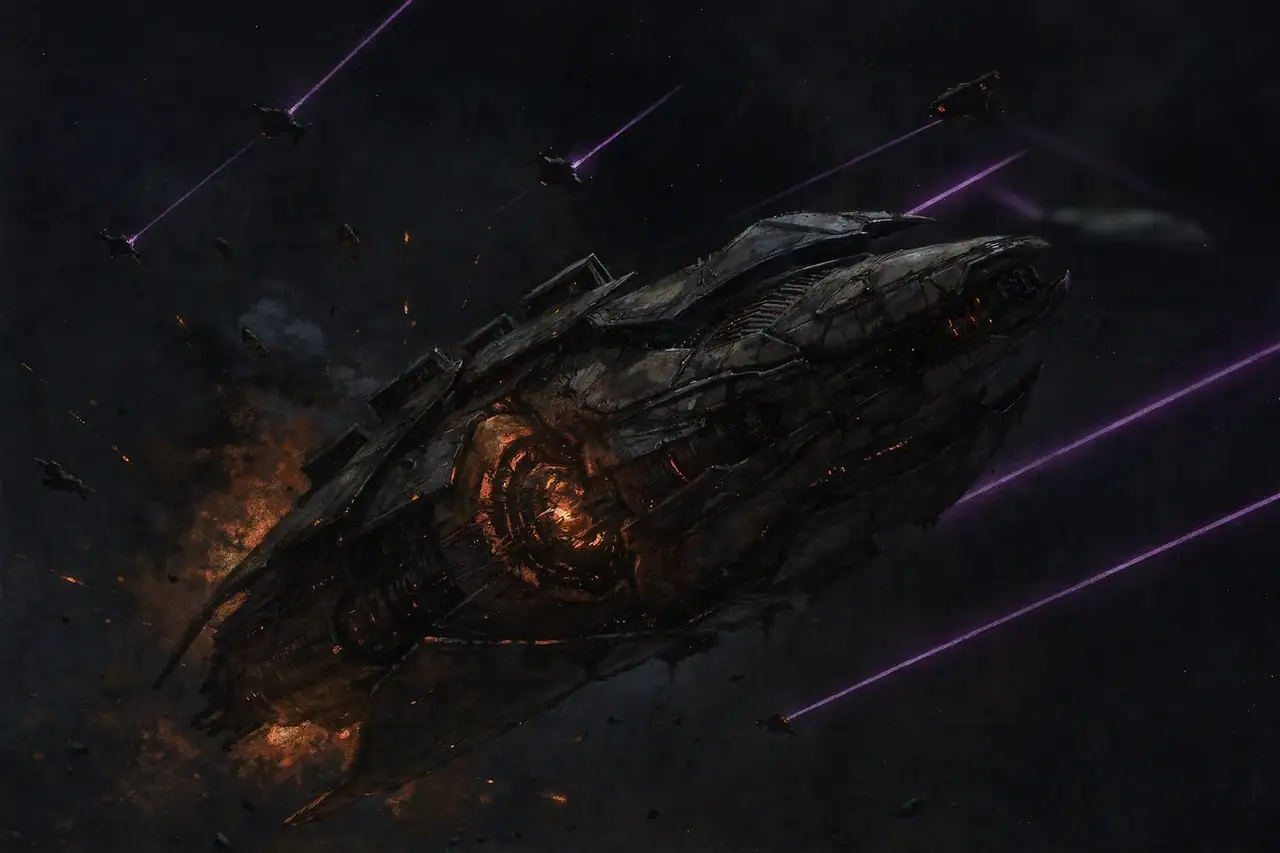
The losses tell the story of what was brought to the field: Kronos marauders, Sacrilege heavy assault cruisers, Paladins, a Legion, and even a Tempest among the wreckage. Those are not disposable hulls, and seeing multiple battleships and strategic cruisers among the destroyed ships suggests this was a serious commitment rather than a brief skirmish. The scale of the losses alone points to an engagement where both sides were willing to risk expensive assets for control of the field.
THE BREAKING POINT
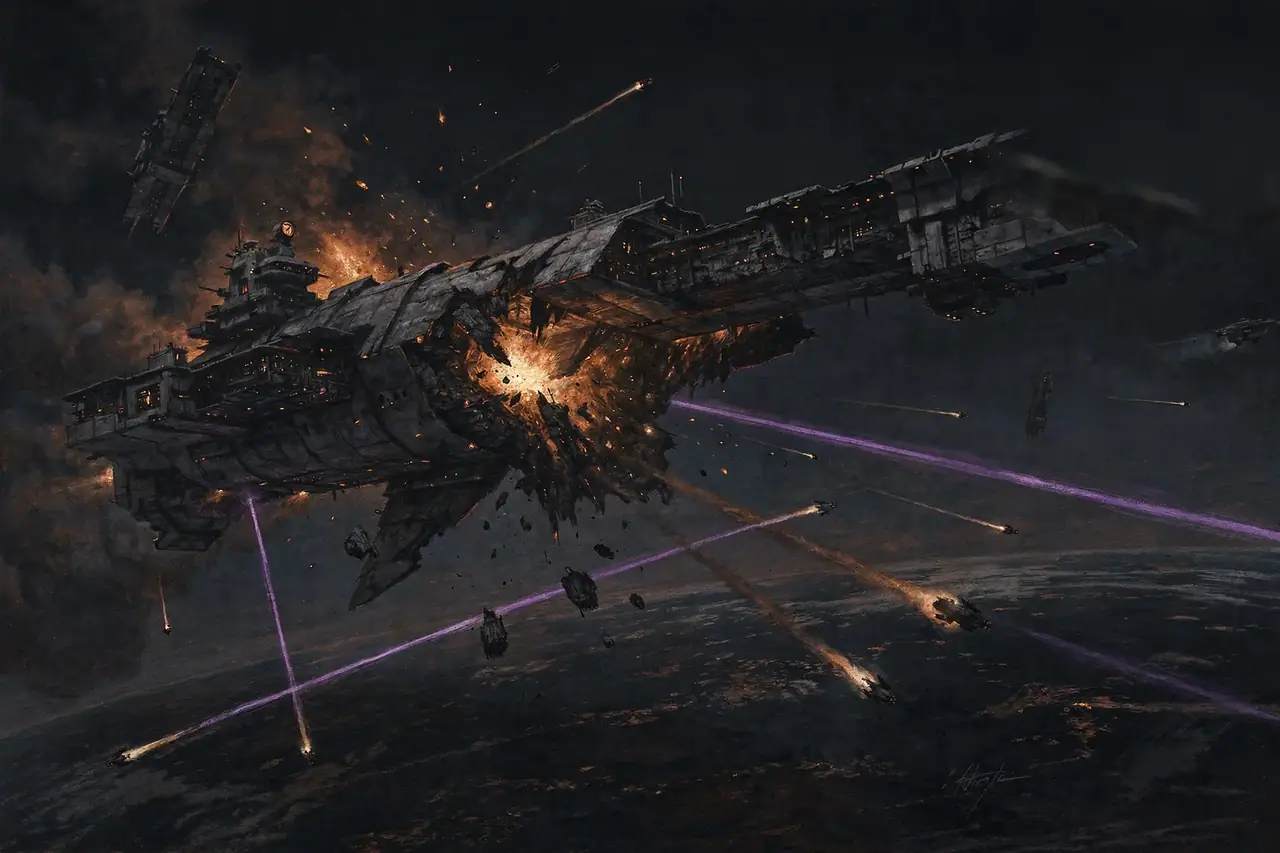
The single largest loss was the destruction of Raravoss itself, valued at 114.2 billion ISK and attributed to 7.62 and Project Oasis as the victim side, with Wings Freedom. and ChuangShi Federation and others credited on the attacker side. WarBeacon records the final blow, but the larger picture is a coordinated collapse rather than a lone strike: multiple organisations on both sides contributed damage, and the top-loss record reads like the culmination of a sustained and collective effort to finish what had already become a costly battle.
THE COST
For 7.62 and Project Oasis, the damage was especially severe, with more than 104.4 billion ISK in losses attributed to that side alone. Wings Freedom., ChuangShi Federation and allies also absorbed nearly 9.7 billion ISK in destruction, showing that the victory came with a price. In practical terms, the fight in Raravoss was a demonstration of force and endurance — the kind of engagement that can drain a region’s reserves, flatten momentum, and leave both sides counting the cost long after the wrecks are gone.