THE FIGHT TAKES SHAPE
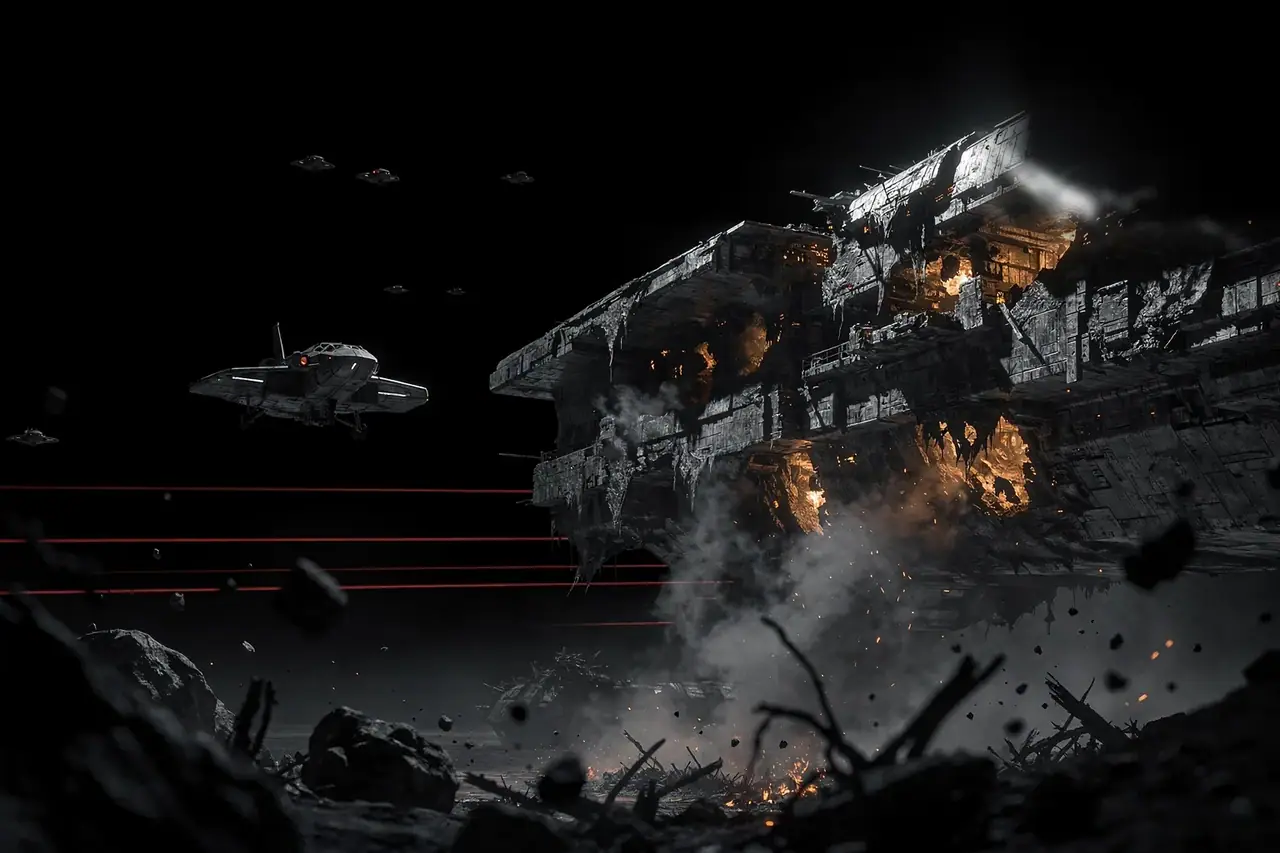
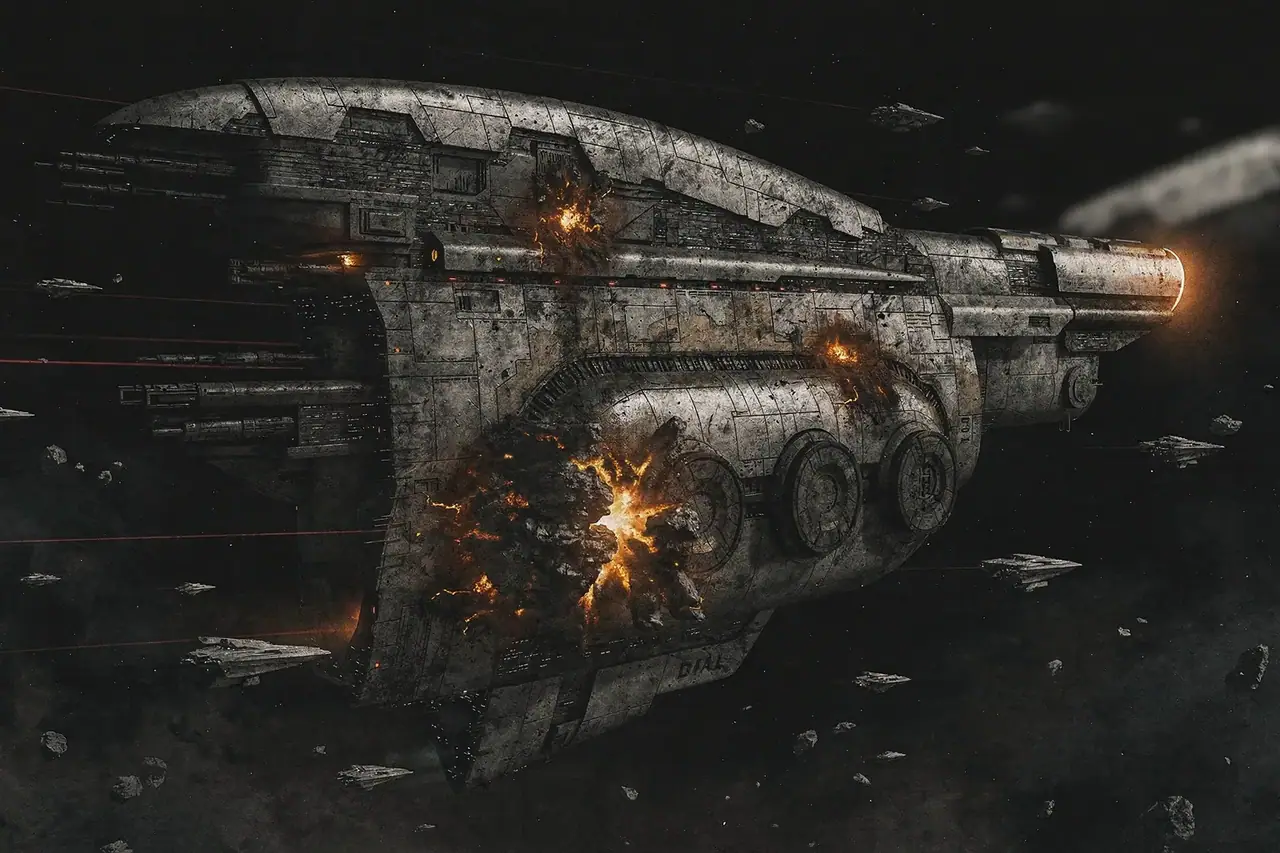
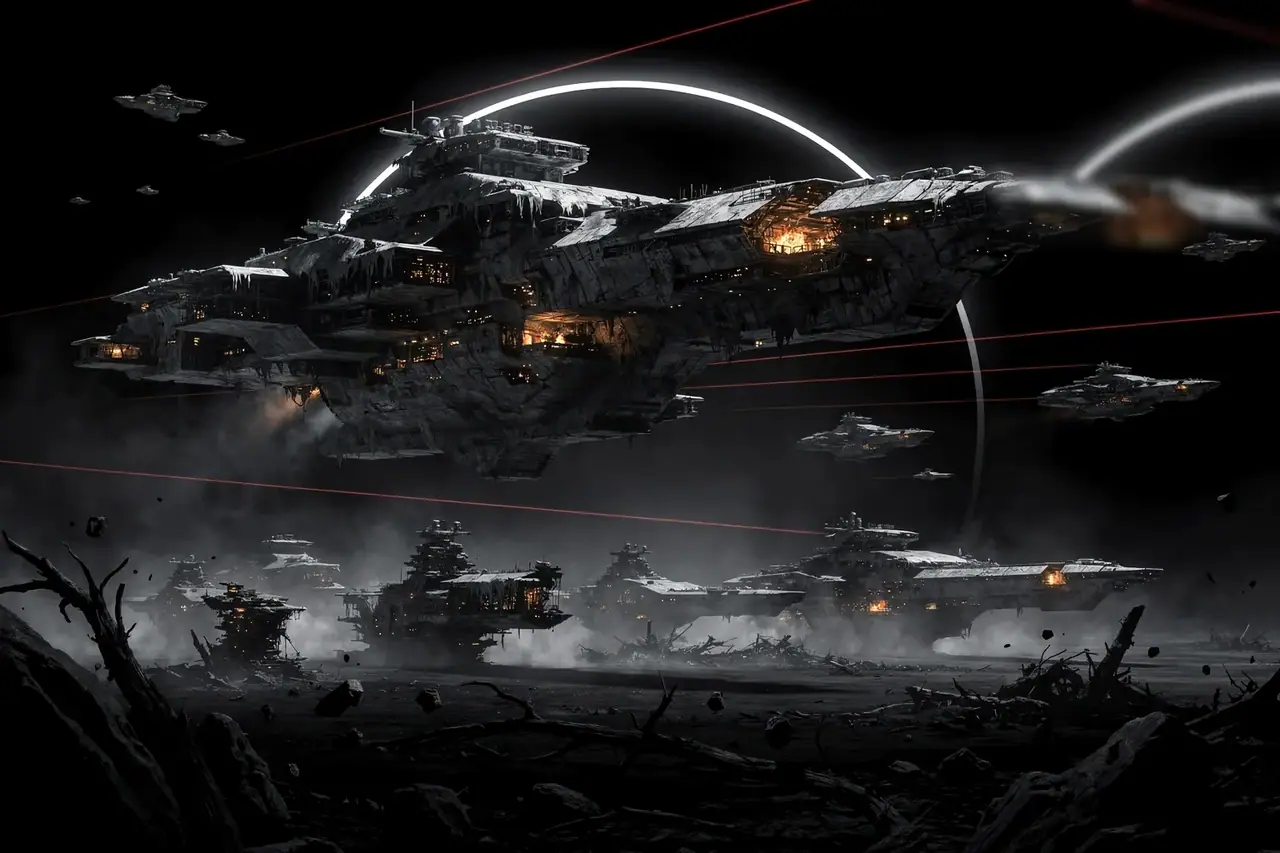
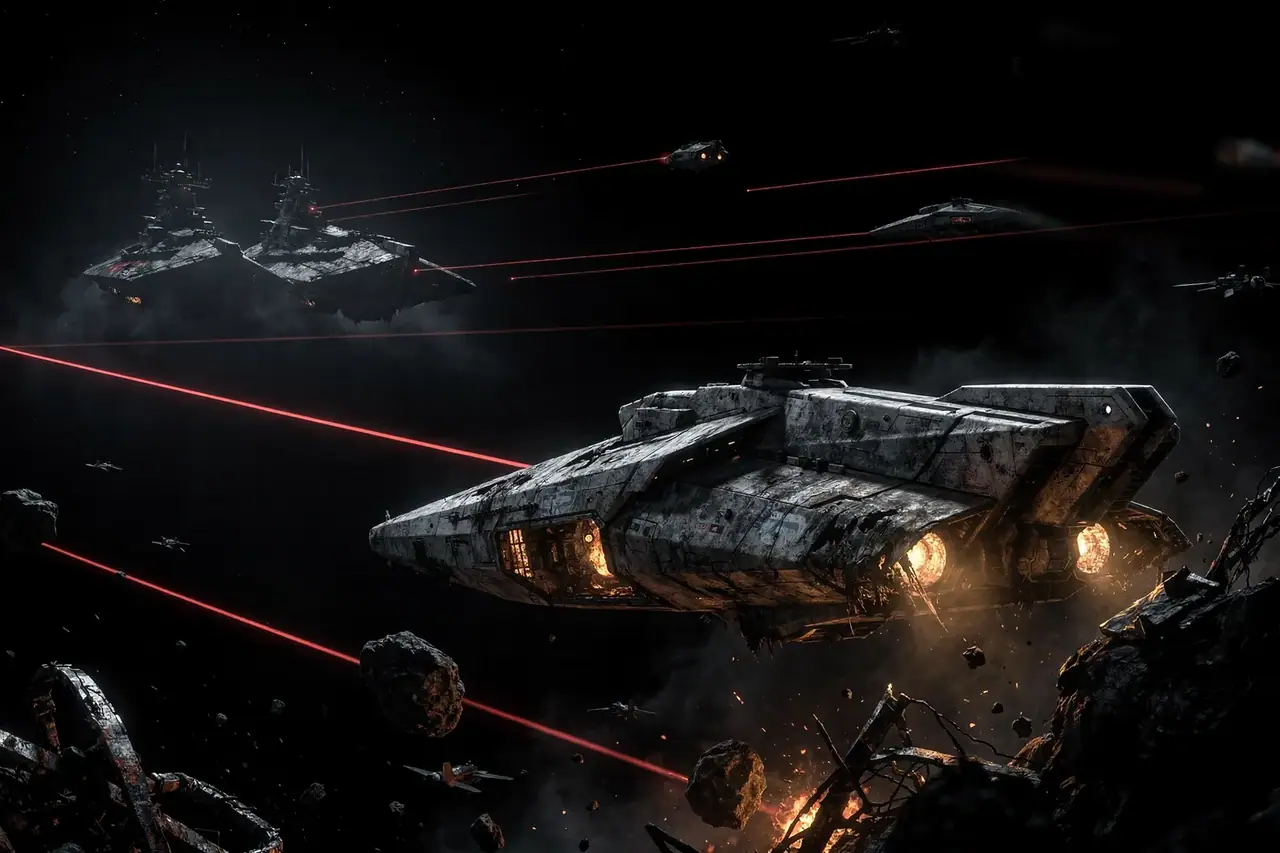
The battle in Raravoss opened at 13:47 and did not finish until 15:52, suggesting a drawn-out clash rather than a brief ambush. With 230 losses recorded in total, the engagement appears to have developed into a sustained fleet action in which both sides committed enough hulls to keep the fight alive long after the first exchanges.
HEAVY DOCTRINES IN THE WRECKAGE
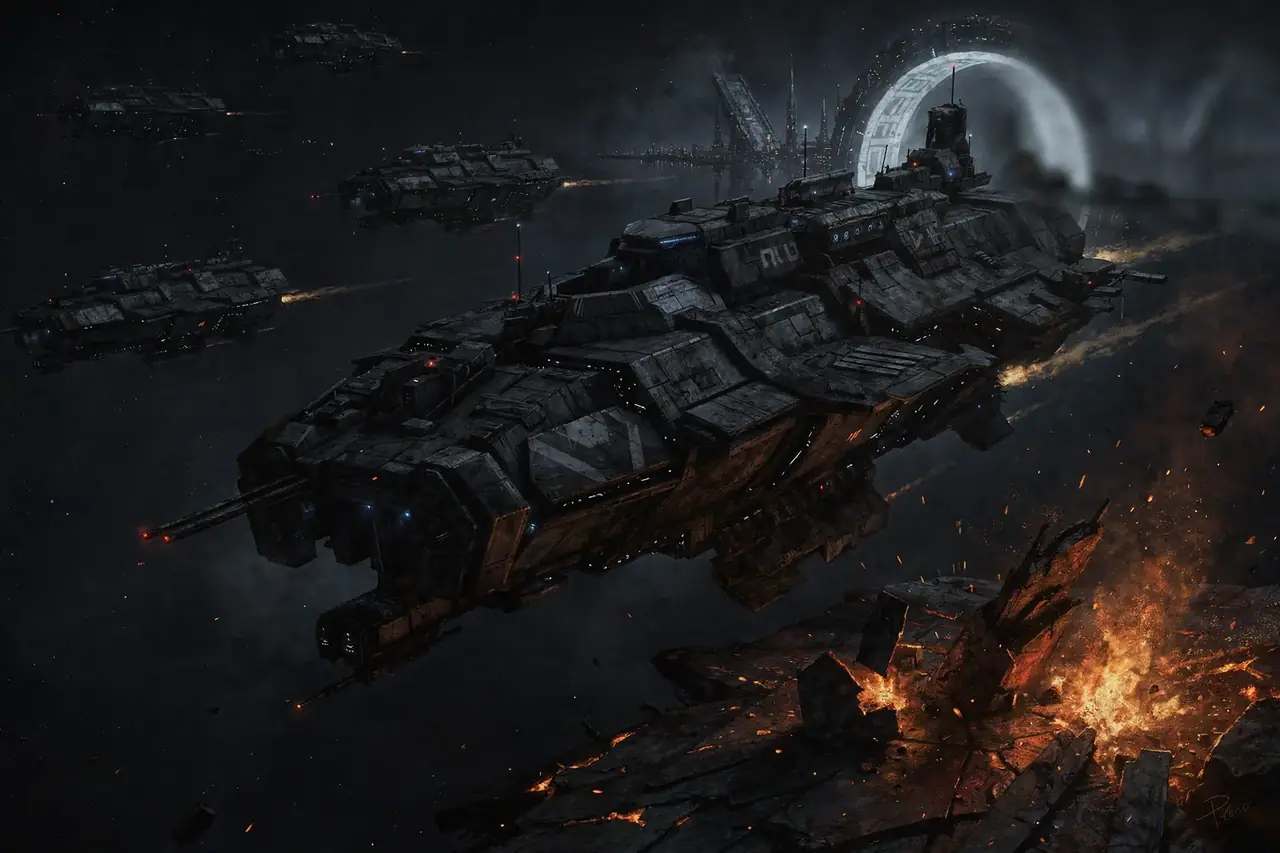
The ship losses point to a hard-fought brawl between armored and missile-heavy formations. Kronos, Sacrilege, Paladin, Muninn, Legion, and Proteus all appear among the destroyed hulls, a mix that suggests both close-range pressure and more flexible fleet elements were on the field. The repeated appearance of marauders and strategic cruisers indicates this was not a light roaming skirmish, but a costly contest of committed forces.
THE COSTLY SIDE OF THE FIELD
Most of the value appears to have been concentrated on the 7.62 and Project Oasis side, which accounted for 117.0B ISK in losses. Wings Freedom. and Observatory Great Bear also suffered meaningful destruction, with 12.8B ISK attributed to their side. Even in a battle this large, the imbalance matters: one coalition came away carrying the heavier bill, and the scale of the losses suggests the fight turned punishing once the main bodies of ships were fully engaged.
WHY RARAVOSS MATTERS
The destruction of 130.1B ISK in a single engagement is enough on its own to make Raravoss stand out, but the composition of the losses gives the battle additional weight. When fleets begin losing marauders, command ships, and strategic cruisers in numbers, the price is not only measured in ISK but in the disruption of whatever operation brought them there. This was the kind of fight that leaves a region taking stock afterward: who held the field, who paid the higher cost, and whether the next form-up will be stronger or more cautious than the last.