THE CATCH
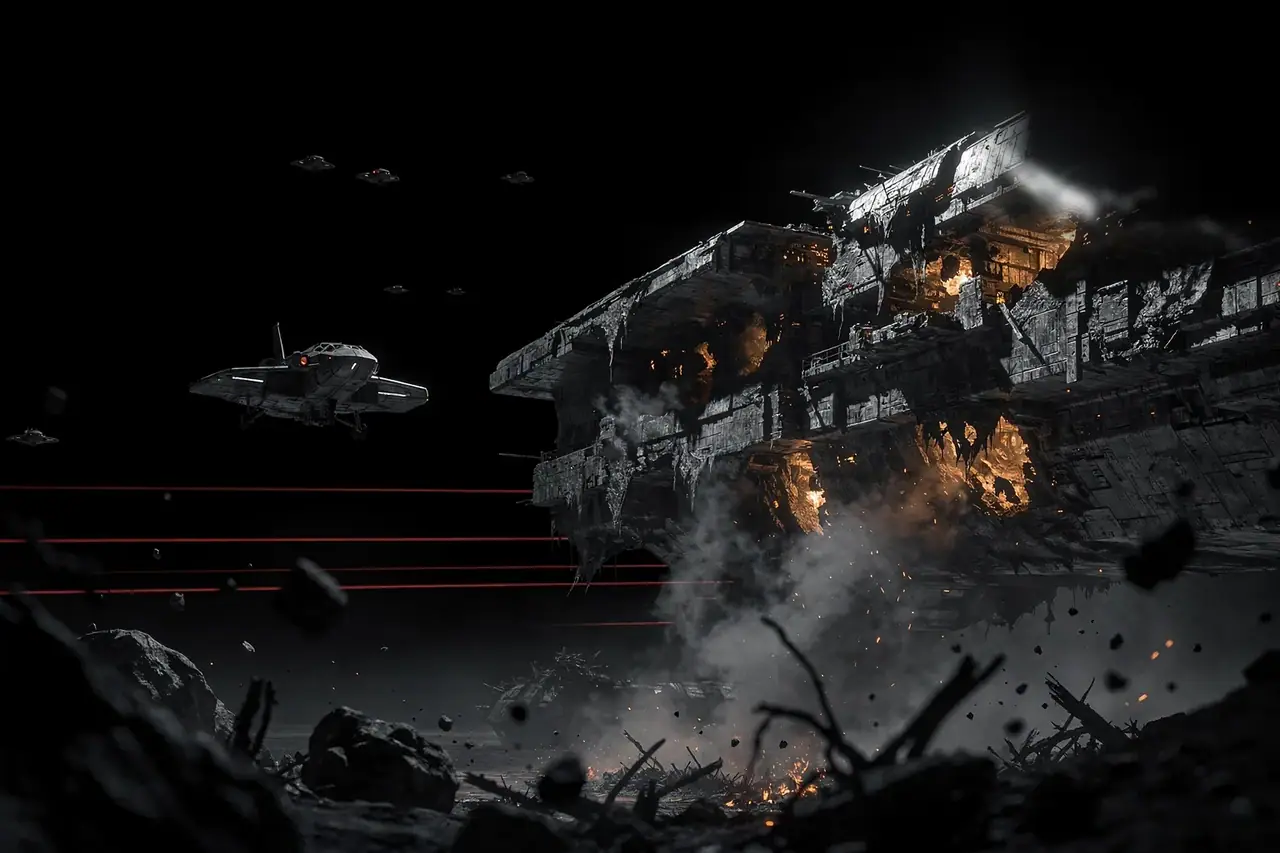
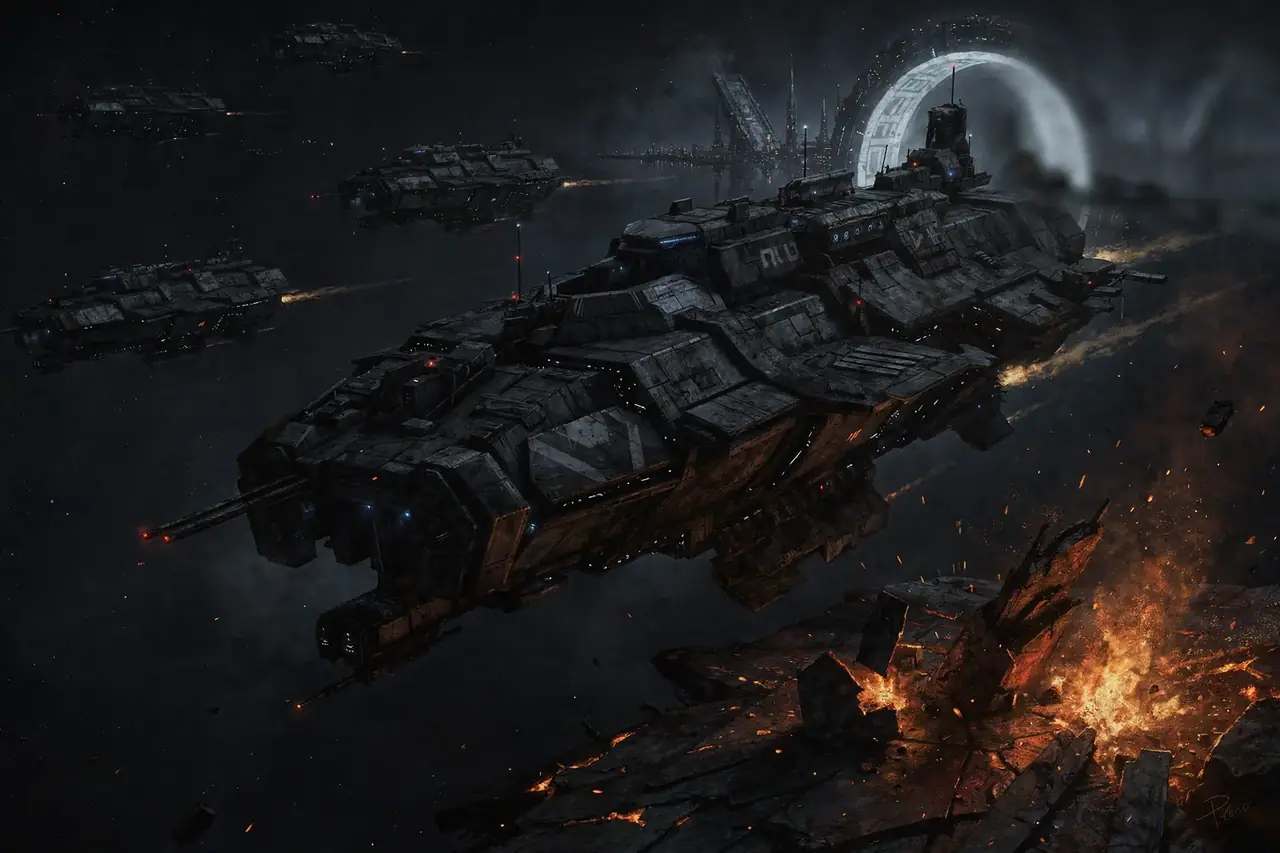
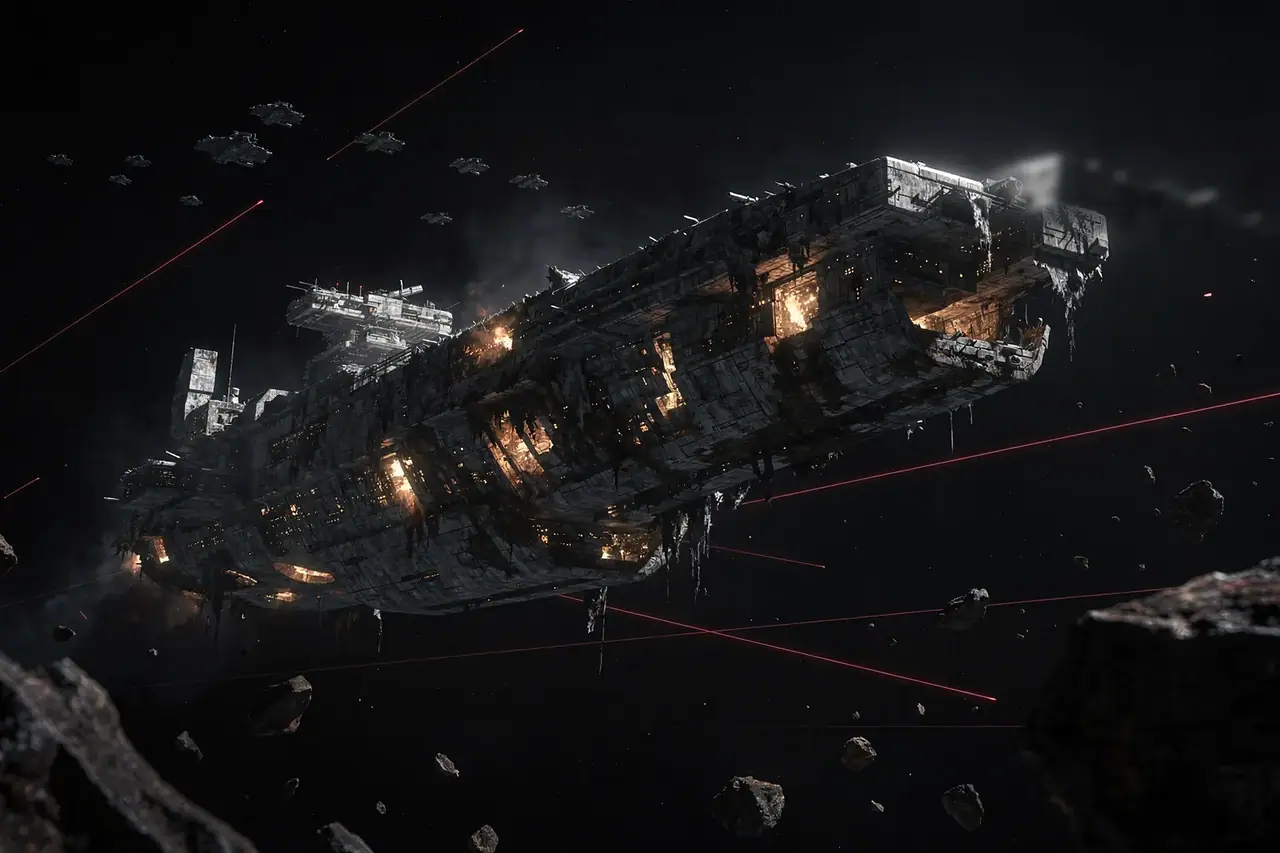
The fight in Modun appears to have been a compact but expensive interception, with nine pilots on the field and D-sync. accounting for the pressure that eventually brought down Lynn Olium’s Proteus. The engagement was brief, but the scale of the target gave the encounter real weight: a strategic cruiser does not become easy prey simply by being isolated, and the report suggests the ship was exposed long enough for the attackers to commit decisively.
THE DAMAGE
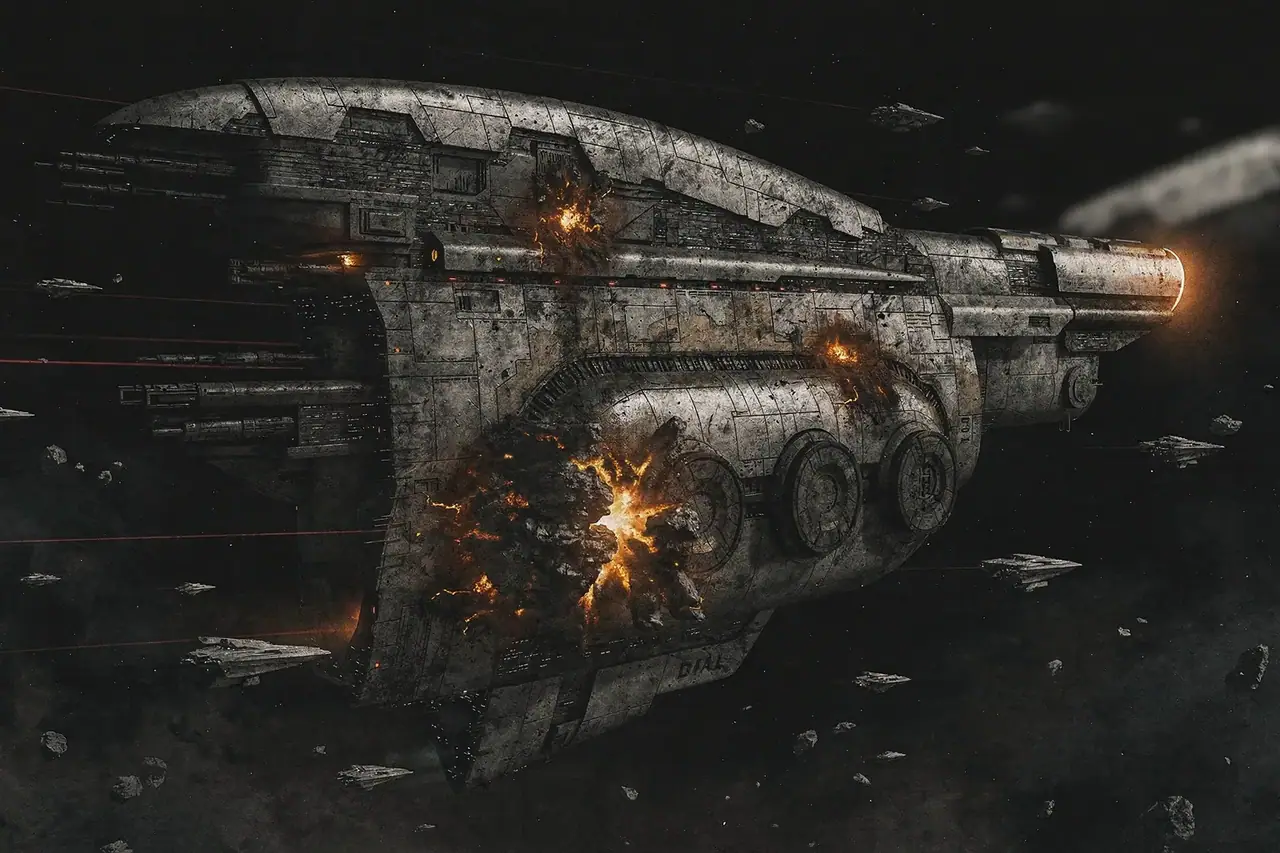
D-sync.’s attack came from multiple angles. The Main Jihad’s Hecate delivered the finishing strike, but the damage record shows the work was shared across a hard-hitting mix of ships, including Cenotaph and Talos hulls. That kind of spread usually means the target was pinned long enough for the attackers to cycle through their fire without giving the Proteus room to break away cleanly.
THE BREAK
When the Proteus finally collapsed, the wreck still held a substantial amount of value. Roughly 384 million ISK in material was recovered, while 727.8 million ISK was lost with the hull. The cargo tells its own story of a ship built for active duty: missiles, scanner probes, liquid ozone, and nanite paste all point to a vessel prepared to keep moving, probing, and repairing itself under pressure.
THE COST
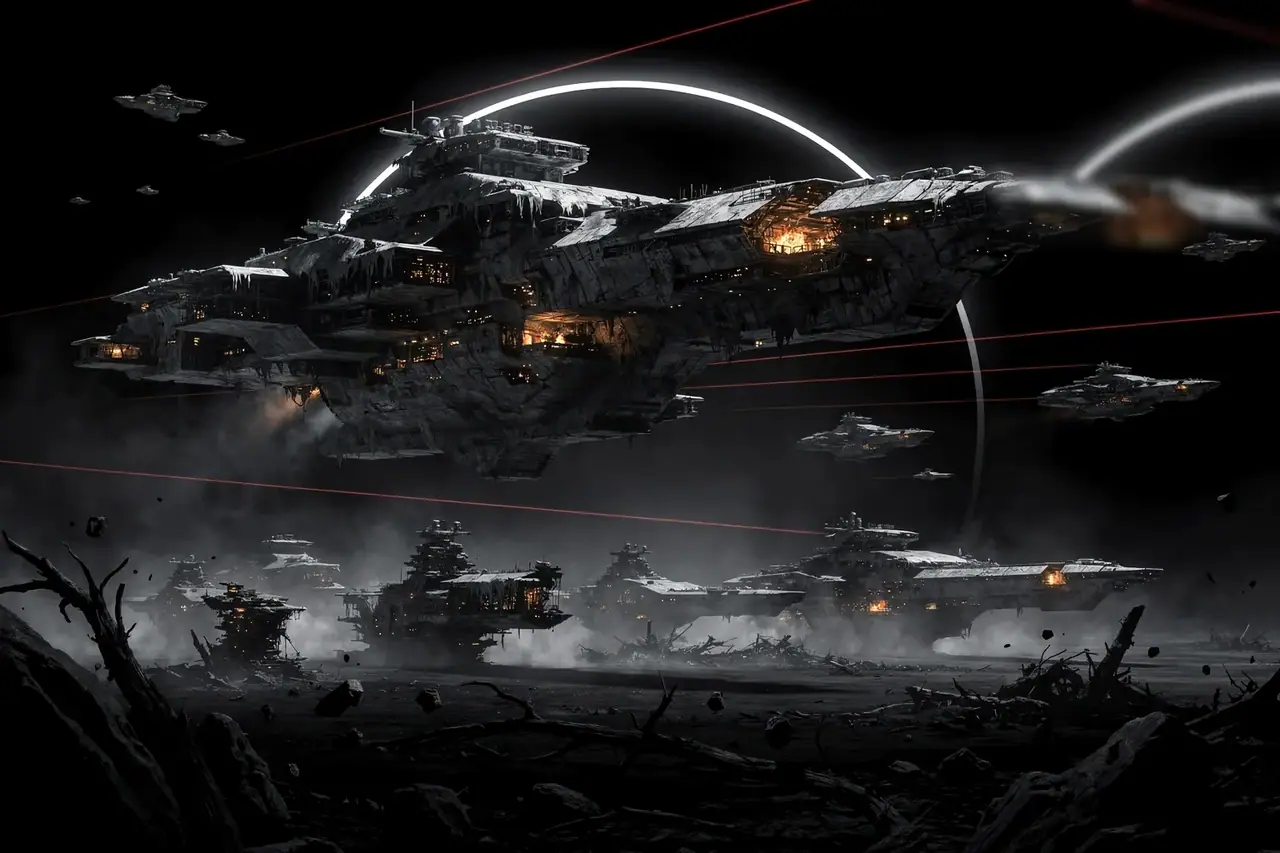
For Stain Neurodiverse Democracy, the loss of a Proteus in Modun is the kind of blow that stings well beyond the ISK figure. Strategic cruisers are flexible, dangerous, and often expensive to replace in both money and time. Even in a fight this small, D-sync. turned a nine-pilot engagement into a costly result, and Modun was left with a wreck that underlines how quickly a seemingly self-reliant ship can be erased once the trap closes.