THE LONG GRIND
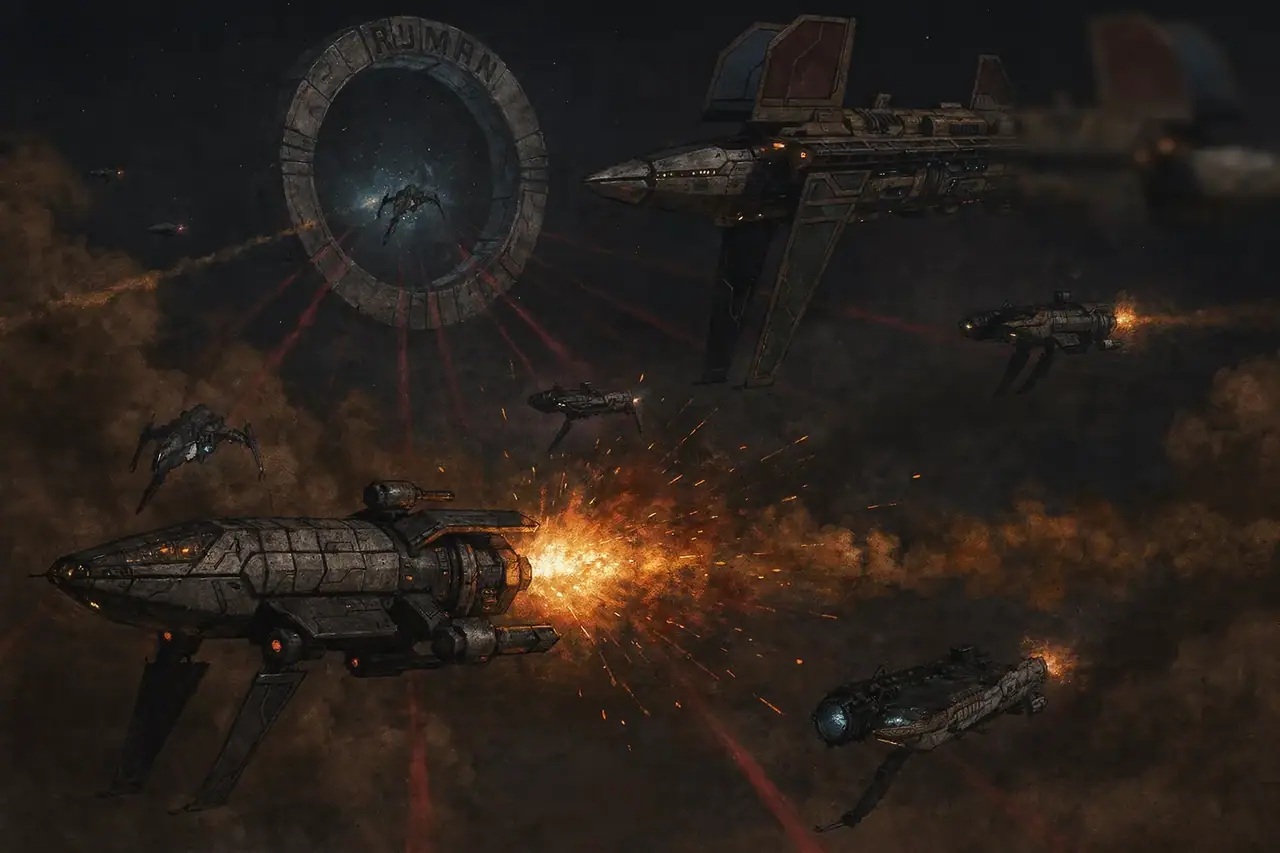
The engagement in Dal began at 18:25 UTC and did not conclude until nearly 22:49 UTC, a sign of a fight that kept reopening as new ships entered and others were forced off grid. Four major groupings show up in the report: Deepwater Hooligans and Sedition., Minmatar Fleet Alliance and OnlyFleets., The Initiative. and Curatores Veritatis Alliance, and Snuffed Out. With 487 participants and 278 ships lost, this was not a brief skirmish but a sustained regional clash that appears to have drawn in a wide mix of armor, missile, and artillery hulls.
THE PRESSURE BUILDS
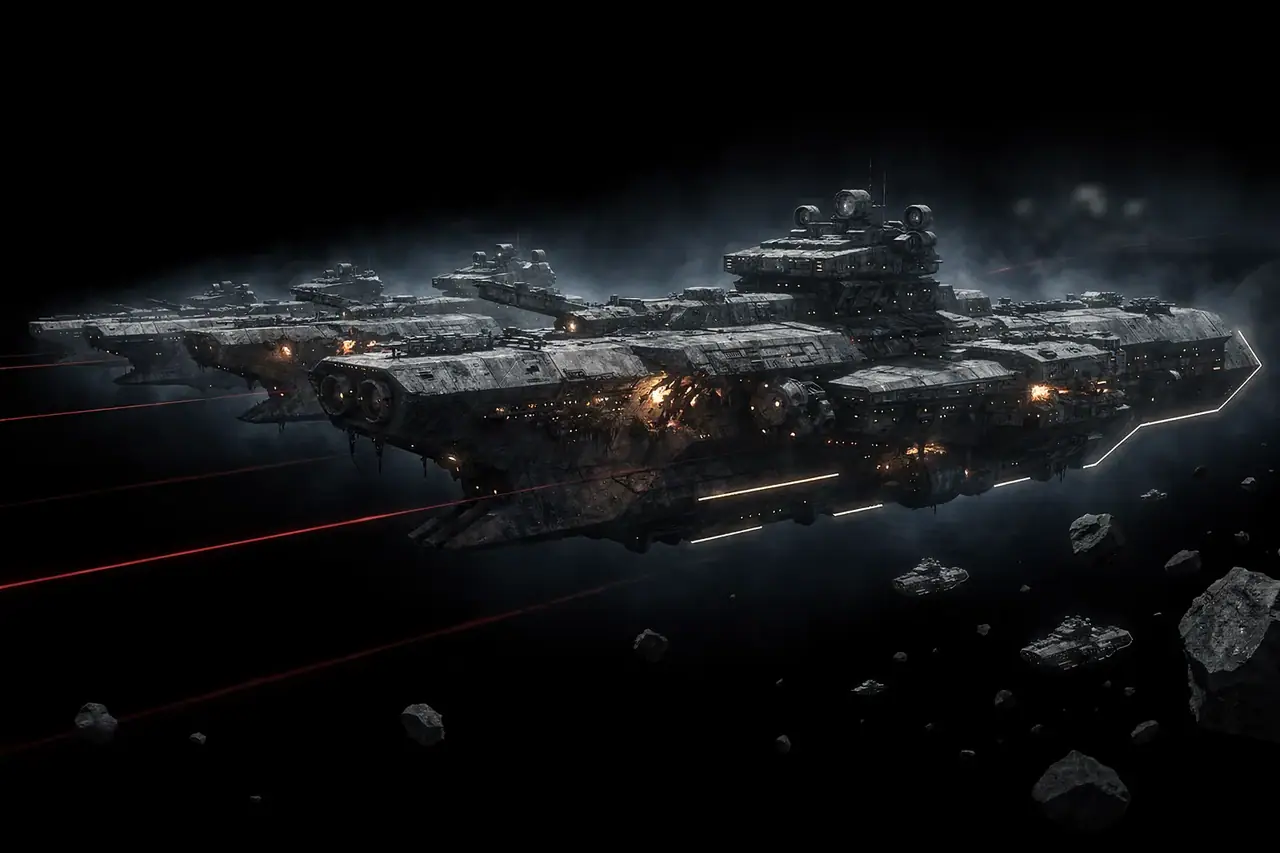
The ship losses suggest fleets on both sides were committing harder hulls as the battle unfolded. Tempest Fleet Issue losses led the list, followed by Typhoons, Barghests, another Tempest Fleet Issue wave, Tempests, and Ravens. That mix points to a fight where firepower mattered and where expensive battlecruiser- and battleship-class ships were being exchanged under pressure rather than peeled away cleanly. The presence of multiple organizations within each side also suggests a coalition-sized effort rather than a single standing fleet.
THE COSTLY TURN
Minmatar Fleet Alliance and OnlyFleets. are listed with the largest victim share in the report, at just over 45.4 billion ISK, ahead of Deepwater Hooligans and Sedition. at roughly 45.0 billion and The Initiative. and Curatores Veritatis Alliance at about 23.1 billion. Snuffed Out appears only as a minor participant in the final tally, with losses far lower than the others. The concentration of losses on the Minmatar-aligned side suggests the battle may have turned on a sustained exchange that punished one formation more heavily as the action dragged on.
THE DAMAGE LEFT BEHIND
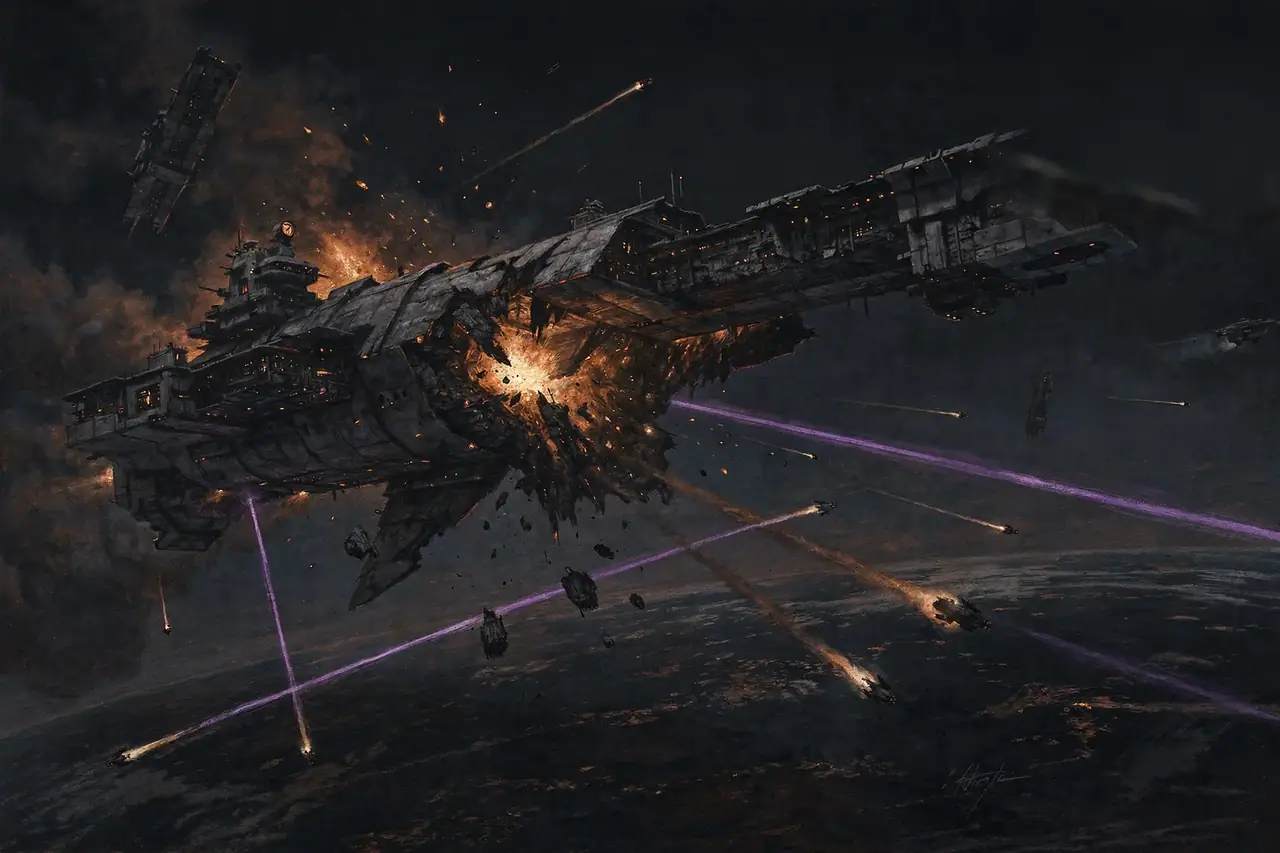
The final blow is attributed to WarBeacon, with the destruction recorded at 113.8 billion ISK and unpriced loot dropped. The report does not show a single iconic capital casualty; instead, the significance lies in the scale and breadth of the wreckage. For all sides involved, Dal became an expensive meeting point where large hulls were committed, traded, and destroyed over hours rather than minutes. The result is the sort of battle that can reshape local momentum simply by exhausting fleets and forcing each side to absorb a heavy material cost before the day was out.