THE CLASH TAKES SHAPE
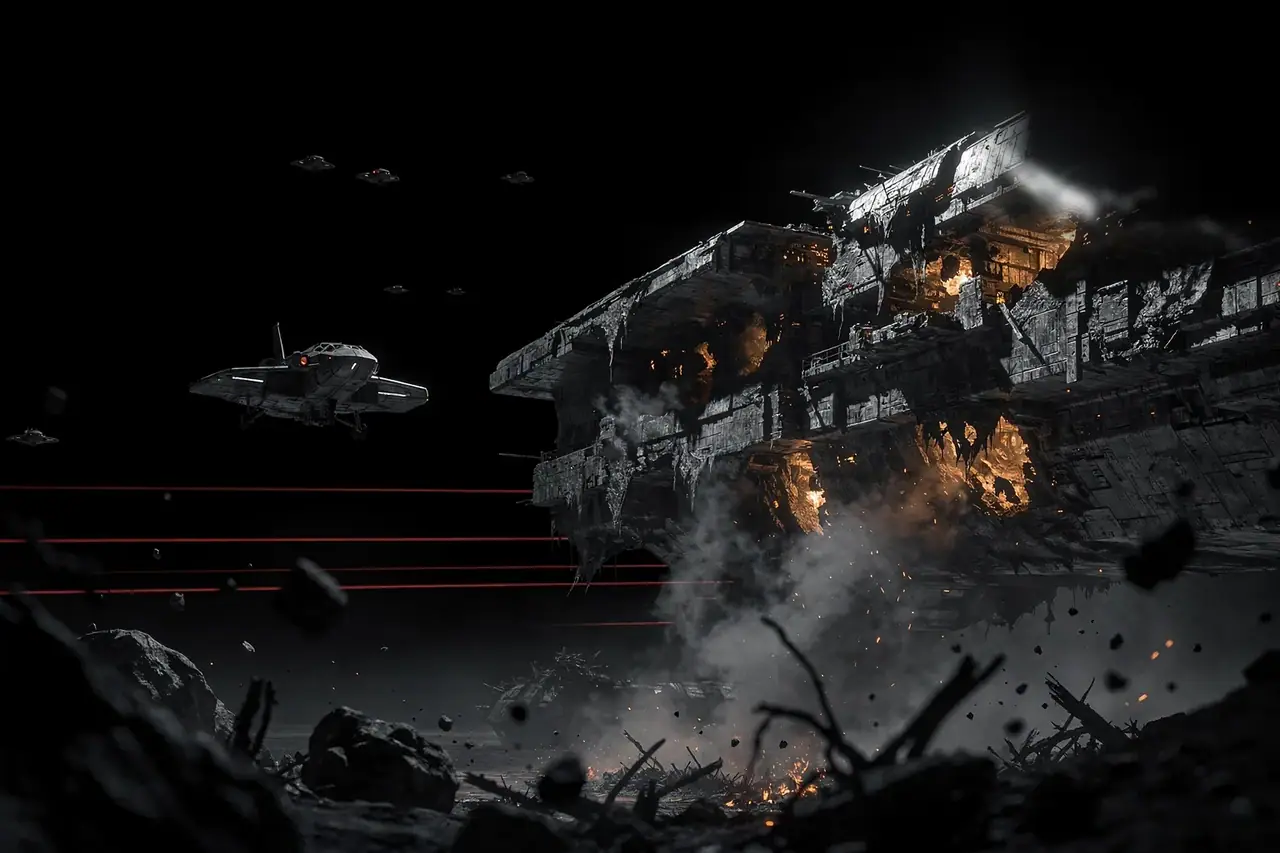
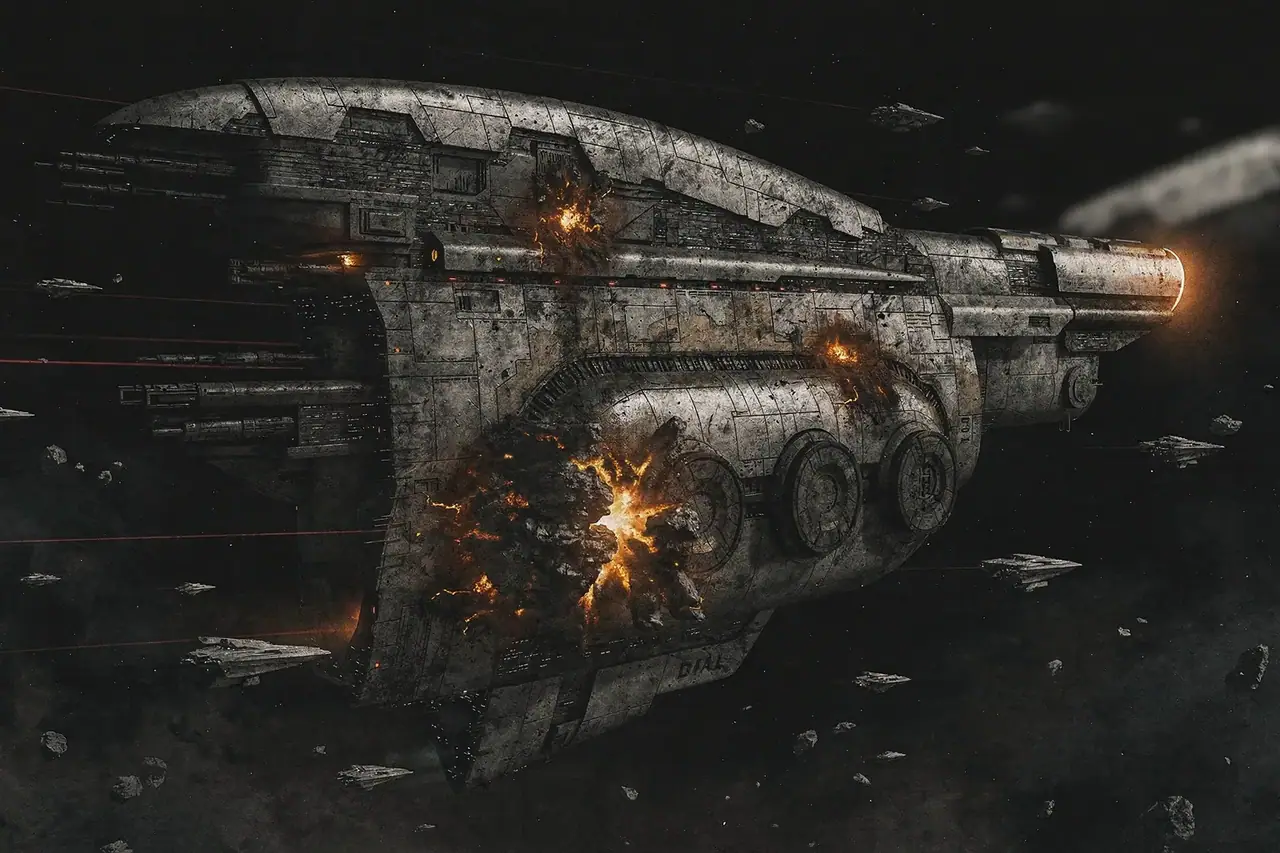
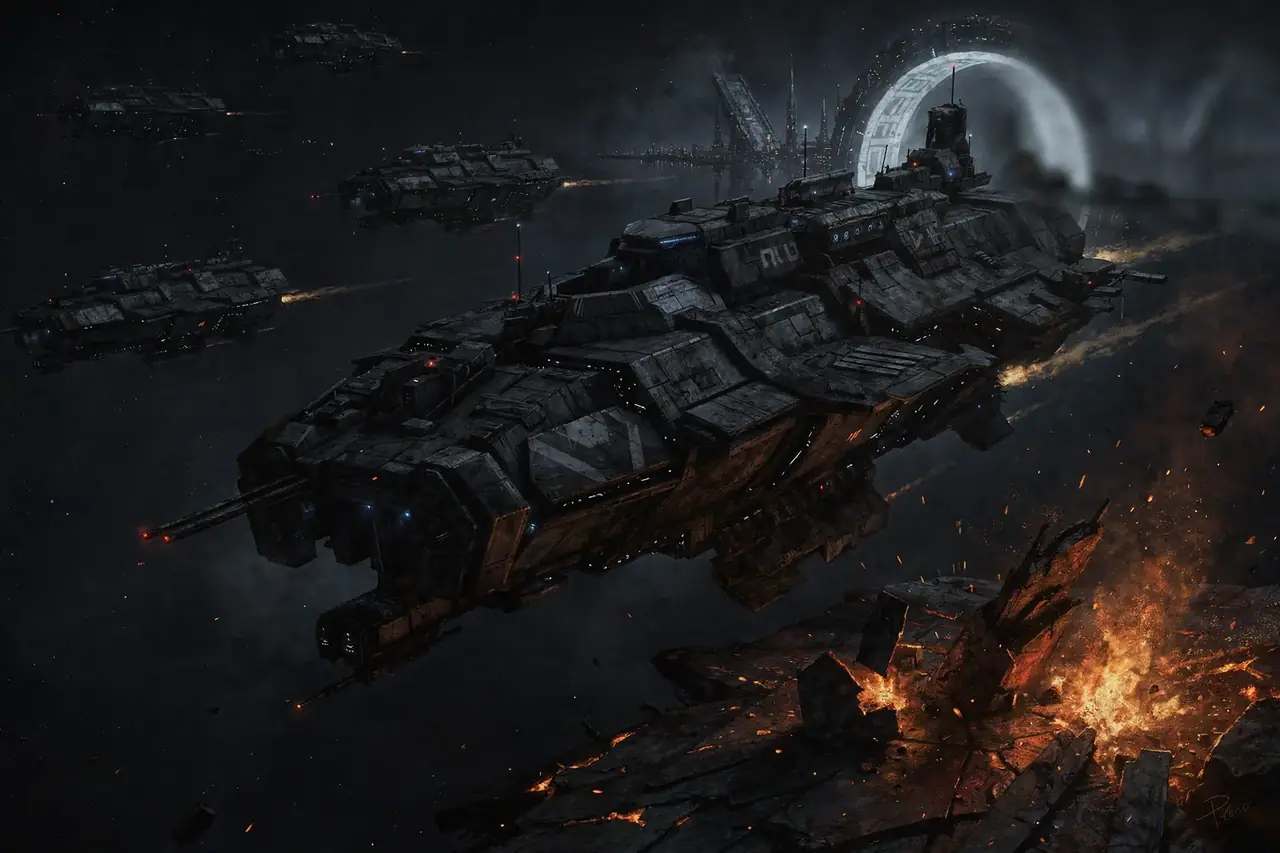
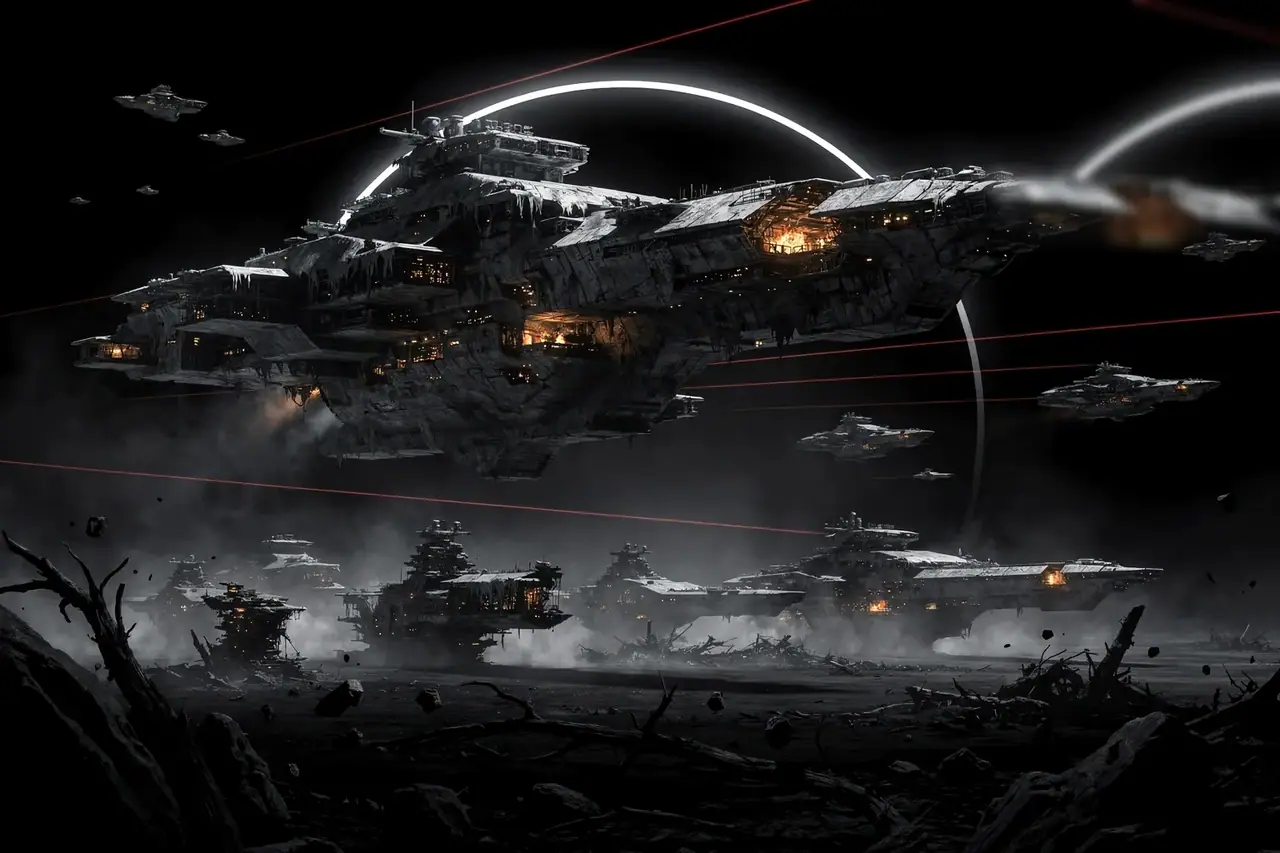
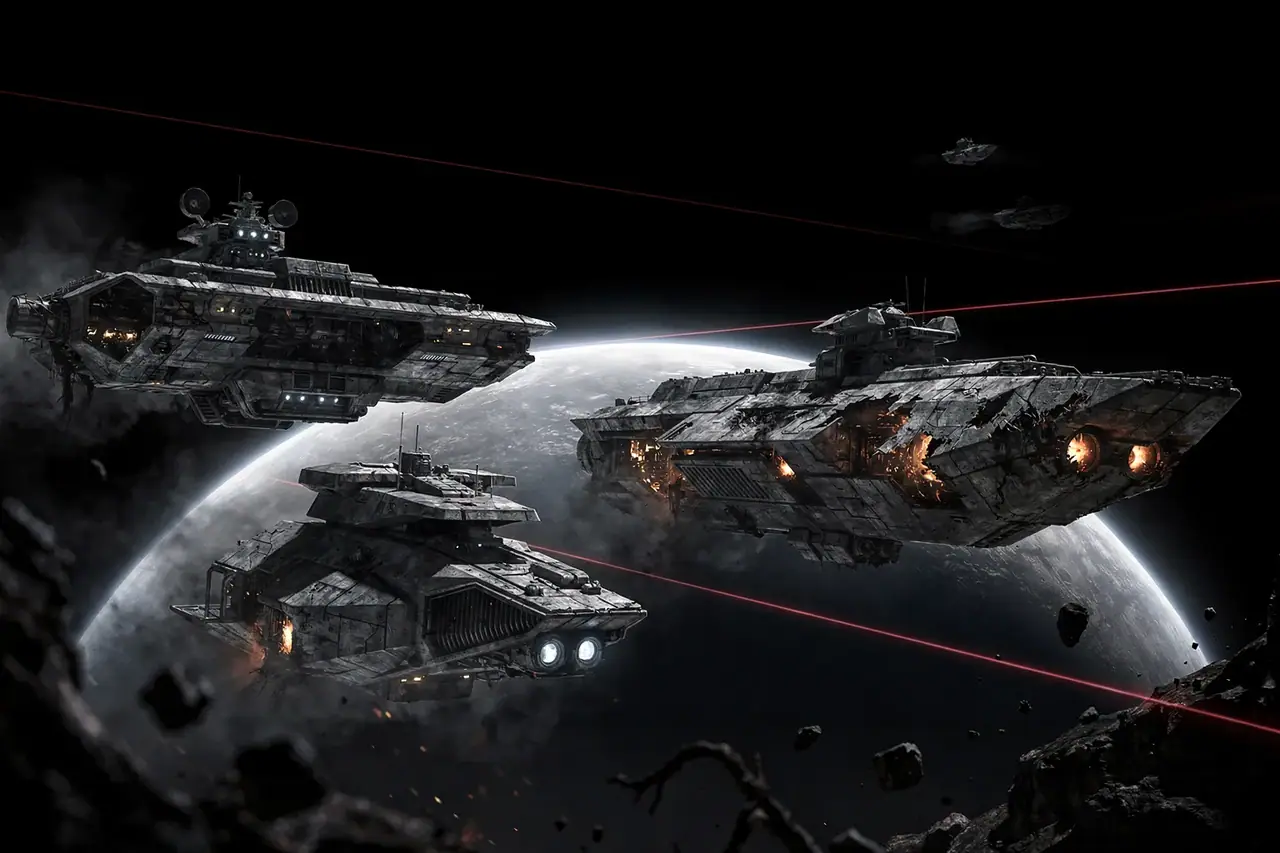
The fighting in 4-HWWF began at 19:51 and did not fully wind down until 21:45, suggesting a sustained engagement rather than a quick strike. What unfolded was a large-scale collision between two coalitions: Fraternity. and Fraternity Auxiliary, and others on one side, and The Initiative. and Sigma Grindset, and others on the other. With 289 participants involved, the battle quickly moved beyond a roaming skirmish and into the territory of a major fleet action.
THE WEIGHT OF THE FIELD
The losses show a fight built around familiar fleet hulls and fast-response ships. Ferox battlecruisers accounted for the largest share of destruction, followed by Omen Navy Issue cruisers, Jackdaws, Thrashers, Sabres, and Maledictions. That mix suggests a battle where heavier line ships and lighter support elements were both committed, and where tackle and anti-tackle roles were every bit as exposed as the main damage dealers. In total, 134 ships were destroyed, underscoring how hard both sides were pressed over the course of the engagement.
THE TURNING POINT
The most significant loss in the fight was the 8.6 billion ISK destruction associated with the battle itself, with WarBeacon recorded as the final blow. The scale of that hit points to more than routine ship trading; it appears to have been the decisive prize of the engagement, the moment where the fight’s cost became impossible to ignore. The data suggests The Initiative. and Sigma Grindset, and others were able to press the engagement hard enough to claim the most valuable outcome of the day, even as both sides continued to suffer heavy losses.
THE AFTERMATH
For both blocs, the result is a reminder that even a fight without a single titan or supercapital on the board can still leave a deep mark. Fraternity. and Fraternity Auxiliary, and others absorbed the larger share of the destroyed value, while The Initiative. and Sigma Grindset, and others also gave up billions in ships during the same battle. In a system like 4-HWWF, a long engagement of this size can disrupt operations, drain replacement stockpiles, and force commanders to reconsider the cost of holding the field. The battlefield was not just busy — it was expensive, and both sides paid for the privilege of staying in it.