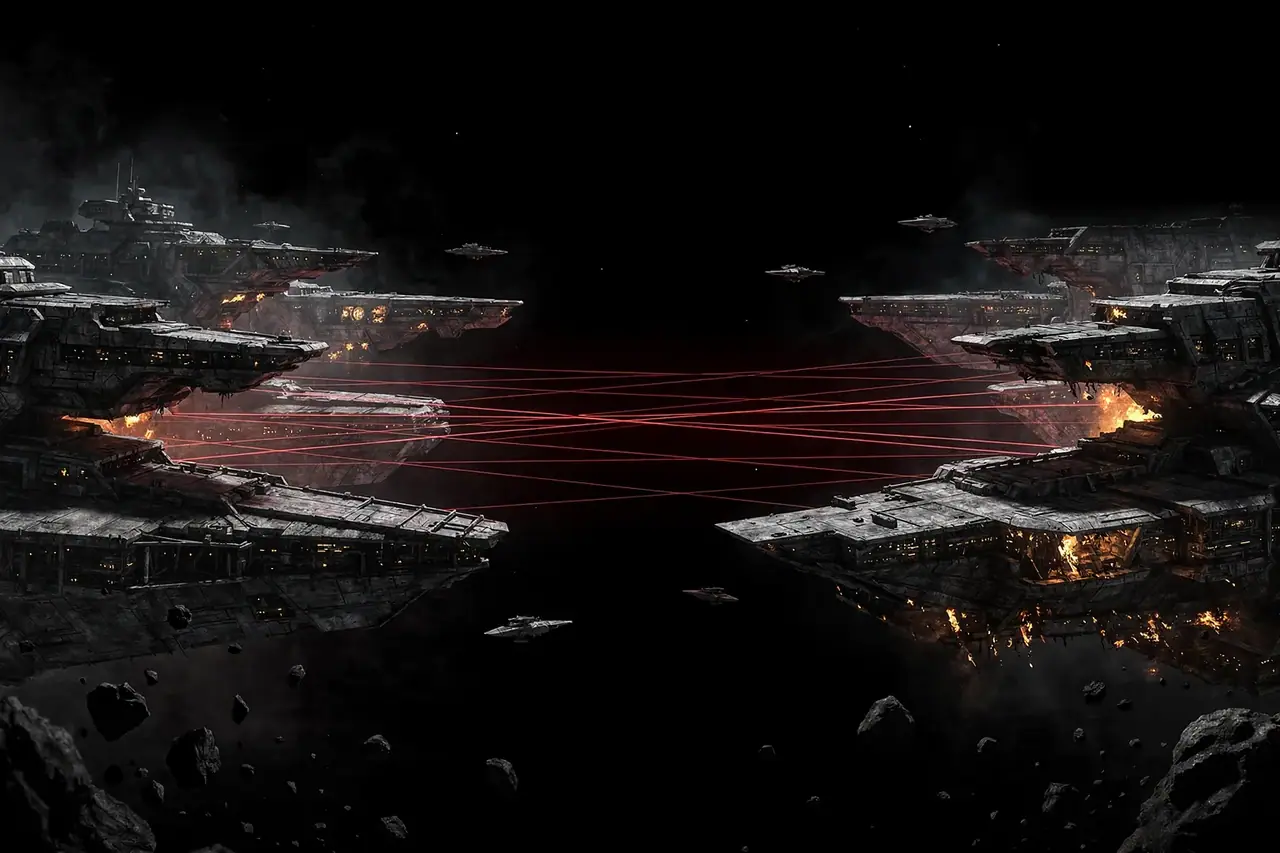
THE CLASH BUILDS
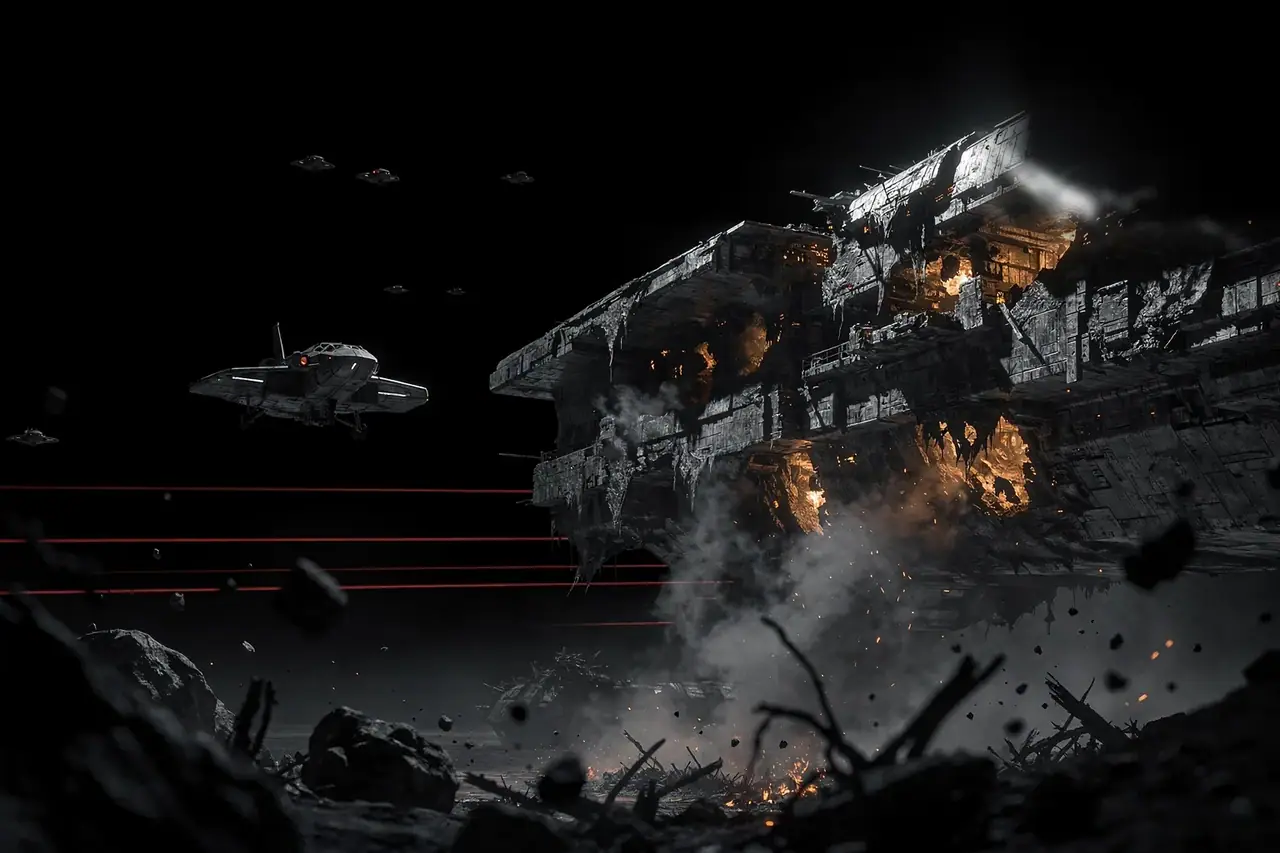
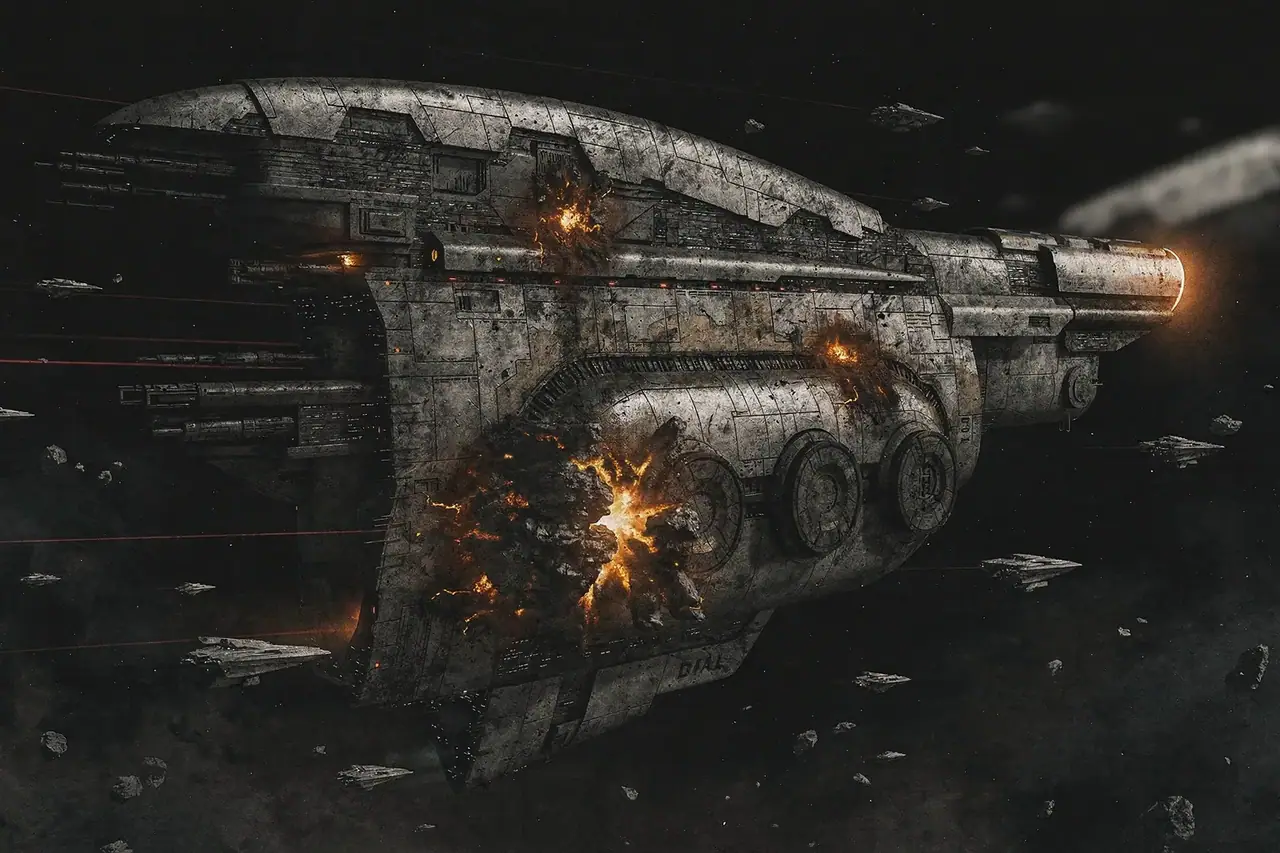
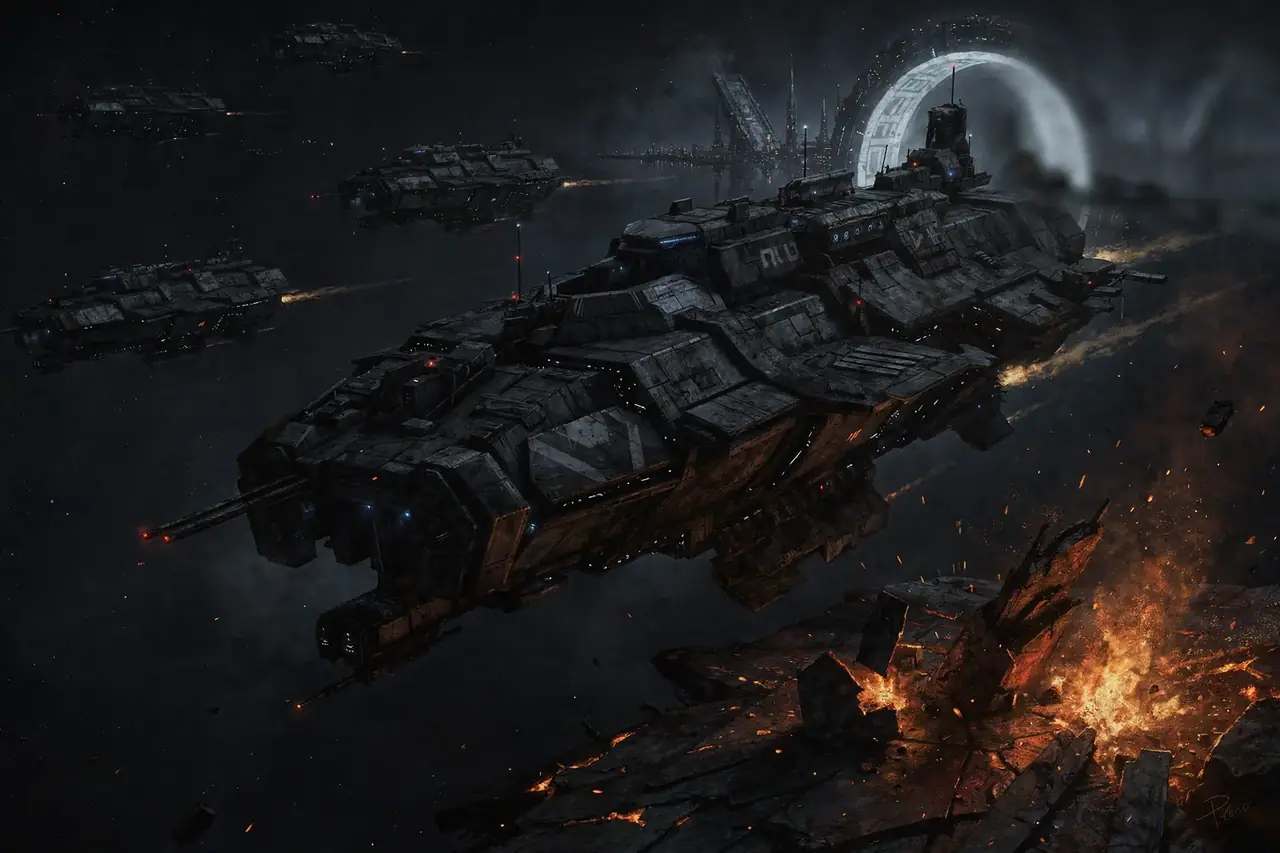
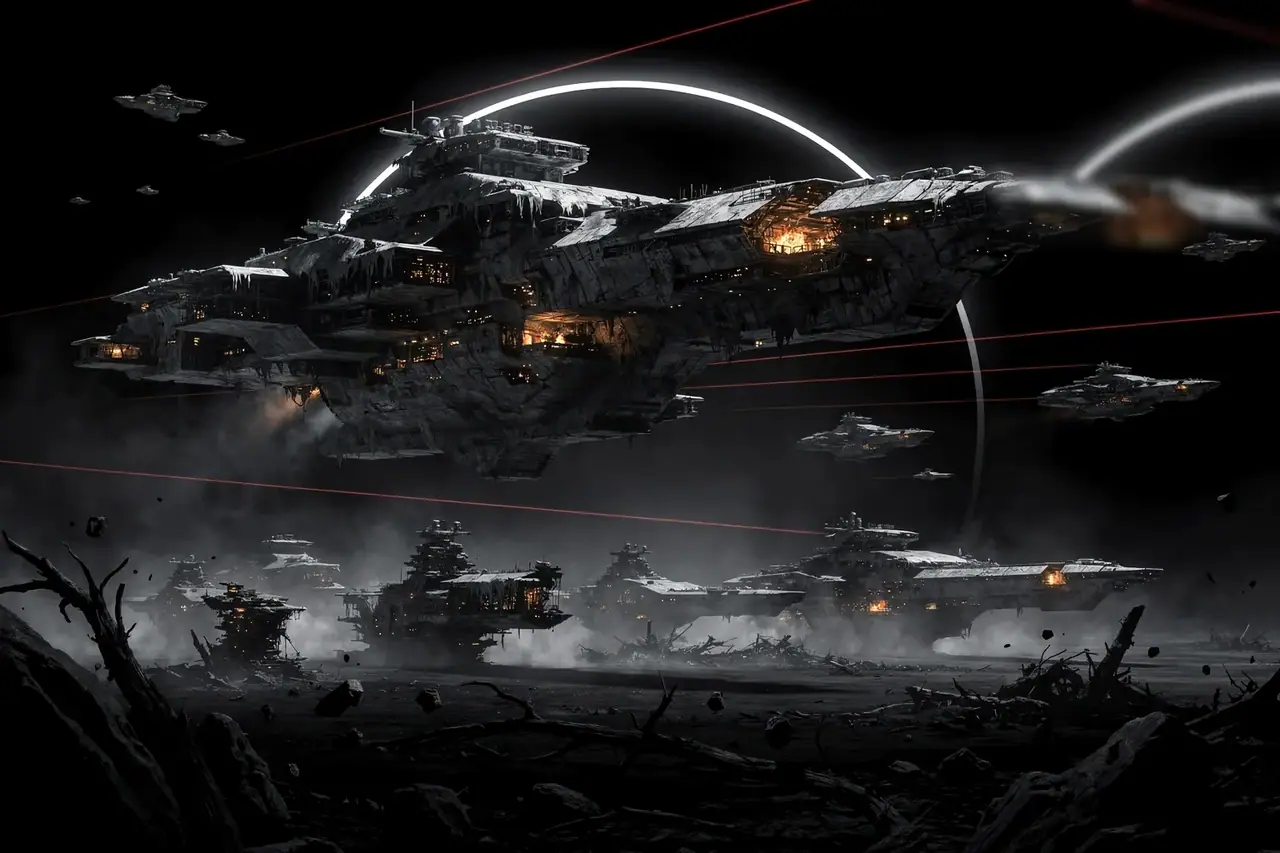
What began in Amamake escalated into a full-scale fleet action as forces associated with The Initiative. and Slide On Contact, alongside others, met a defending coalition centred on Minmatar Fleet Alliance and Minmatar Fleet Associates, also joined by additional partners. With 114 pilots involved and losses piling up over the course of the engagement, the fight had the scale and momentum of a sustained confrontation rather than a quick strike. The battle stretched across the system long enough to leave a deep mark on both fleets, with neither side able to avoid heavy exposure once the shooting started.
HEAVY HULLS IN THE FIRE
The wreckage shows just how much firepower was committed. Tempest Fleet Issues led the list of losses, followed by Typhoons and Typhoon Fleet Issues, with Gila, Zarmazd, and Huginn losses adding support and electronic warfare into the mix. That composition points to a fight where both sides were willing to commit expensive, flexible ships and accept the risk of losing them in exchange for control of the field. When ships of that class start falling in numbers, the engagement has moved well beyond harassment and into the realm of a costly fleet exchange.
THE TURNING POINT
The largest share of the damage appears to have gone to the Minmatar Fleet Alliance side, which is recorded as taking the decisive blow in the engagement. The report attributes the final destruction of the 40.1 billion ISK total to Minmatar Fleet Alliance and Minmatar Fleet Associates, with WarBeacon listed for the finishing strike. The numbers suggest a fight that eventually broke in favour of that coalition after a prolonged exchange, leaving the opposing force to absorb the full cost of the collapse.
WHAT AMAMAKE LOST
For The Initiative. and Slide On Contact and their partners, the consequences were immediate and expensive. More than 24.8 billion ISK in losses are tied to that side alone, while Minmatar Fleet Alliance and its allies also suffered more than 14.7 billion ISK in damage. The scale of destruction, and the spread of losses across multiple organizations, suggests both fleets paid heavily for control of the encounter. In a system like Amamake, that kind of wreckage is more than a local inconvenience: it is a reminder that large commitments still carry brutal costs when opposing coalitions are willing to stay on grid and trade.