THE FIGHT TAKES SHAPE
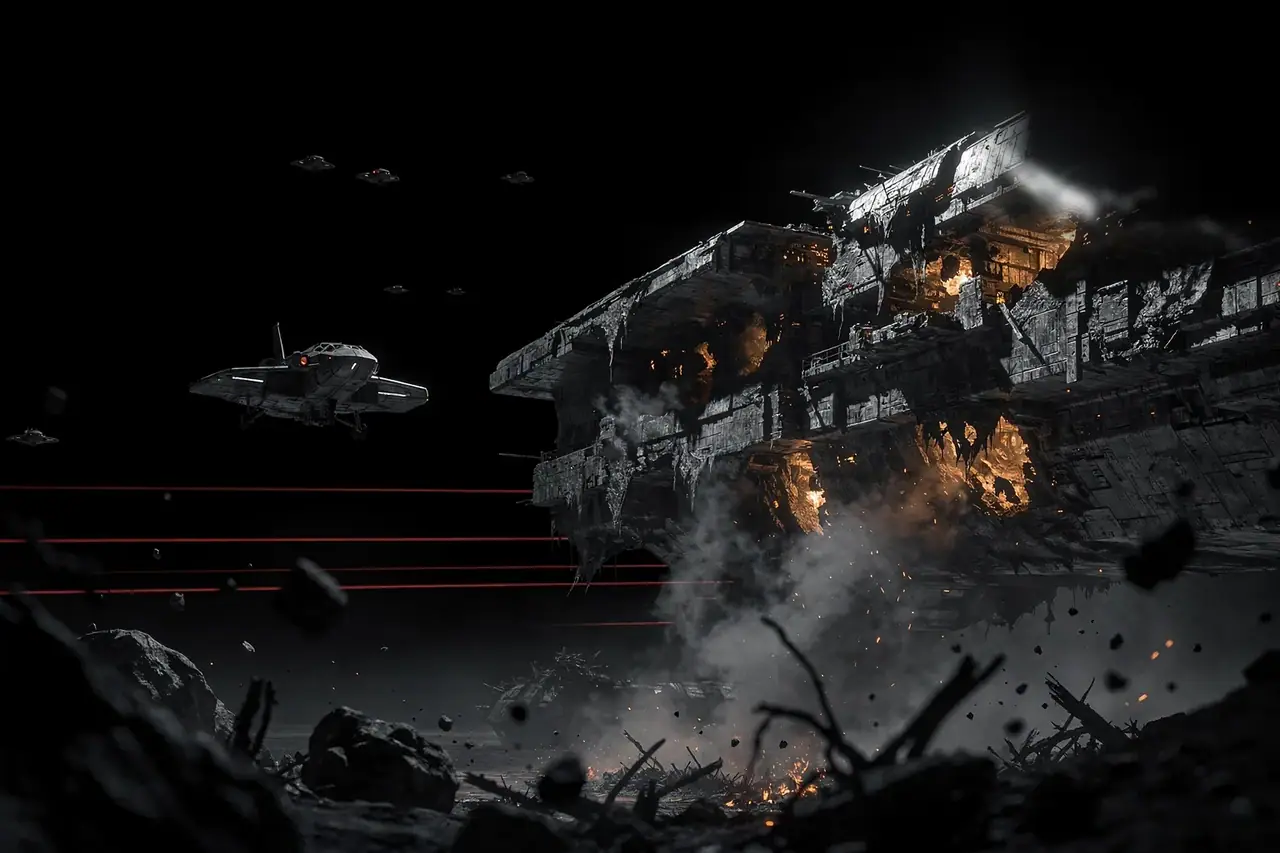
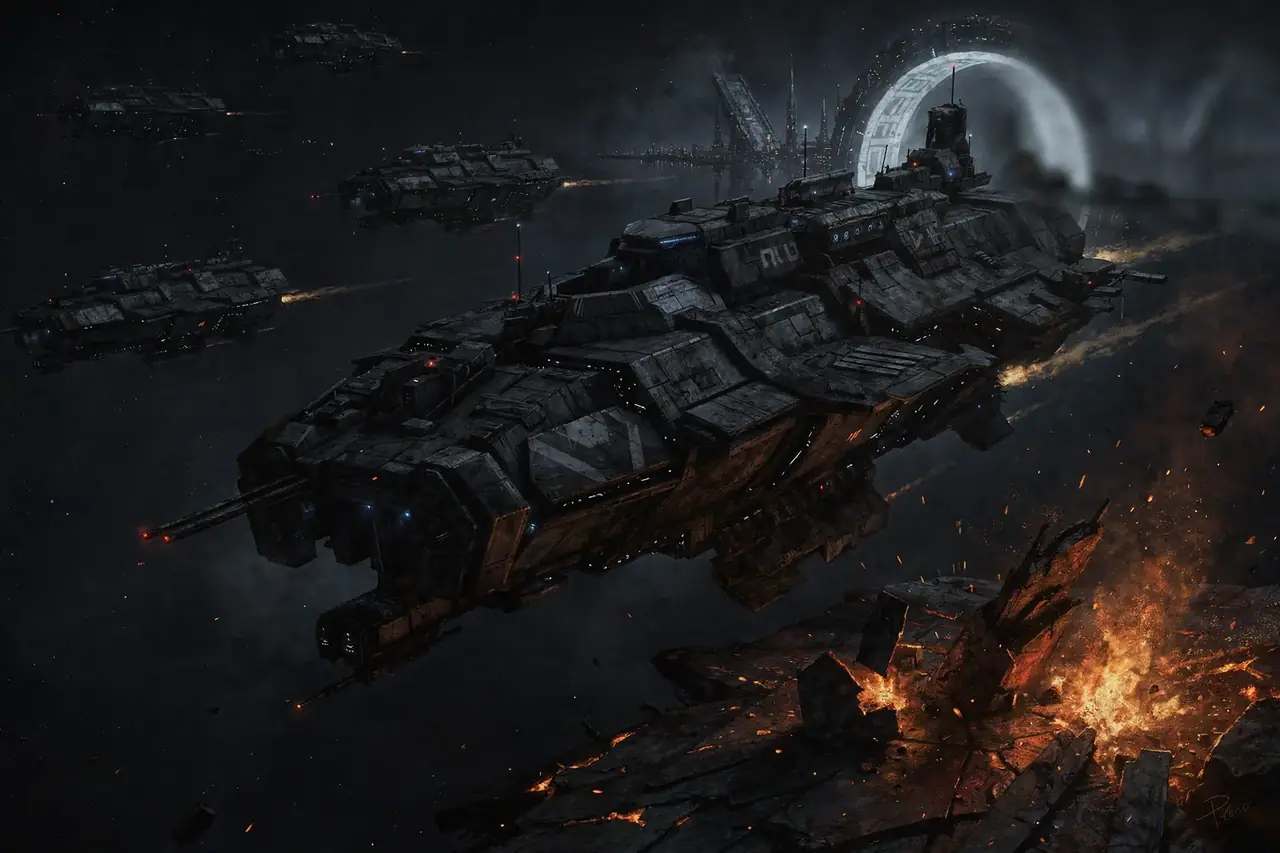
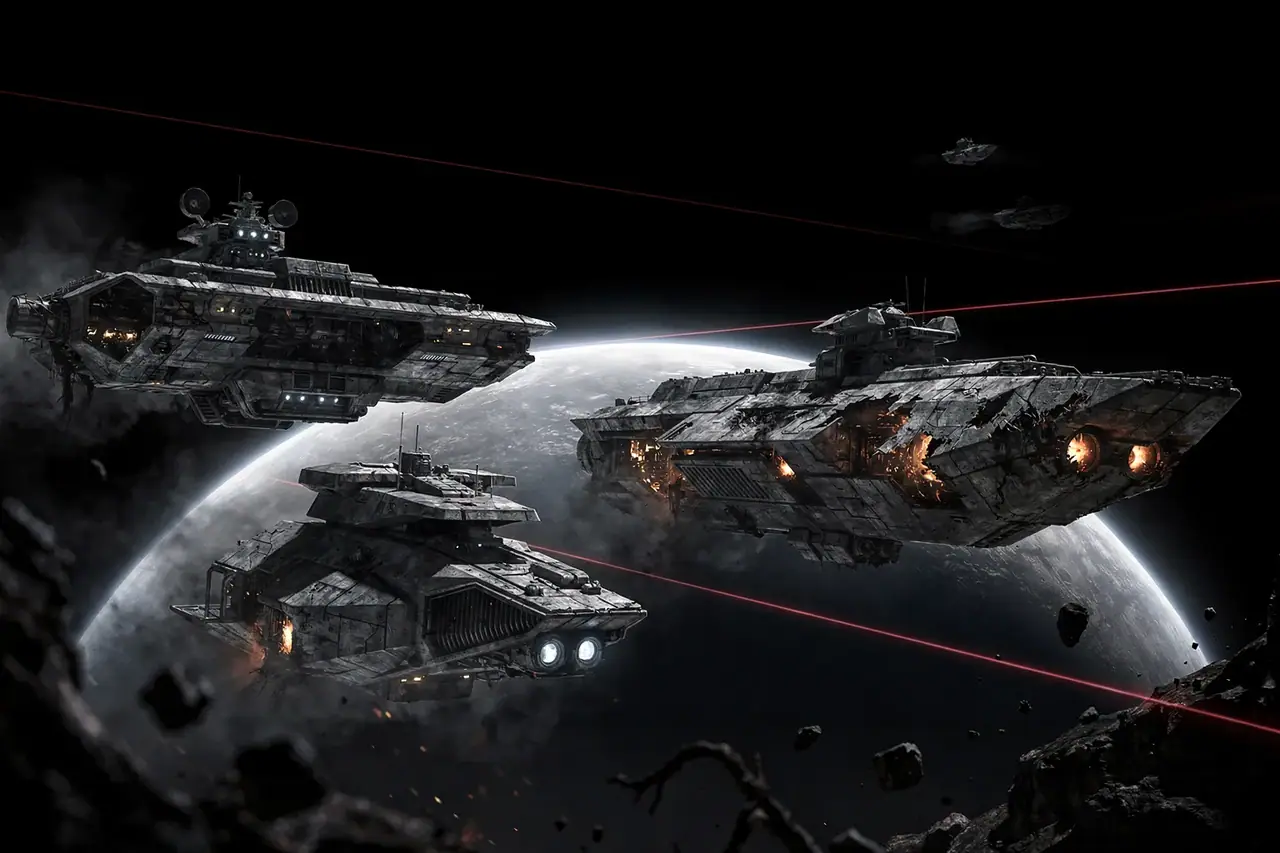
The engagement in 46DP-O stretched from 21:16 to 23:03 EVE time, suggesting a drawn-out fight rather than a brief exchange. What began as a large-scale clash quickly settled into a costly grind, with multiple organisations feeding ships into the same contested space. Brave Collective and Brave United were present alongside Goonswarm Federation, Invidia Gloriae Comes, WrongHole, Critical. Mass., and other allies, giving the battle the feel of a broad coalition collision rather than a tidy one-on-one skirmish.
THE SHIPS LOST
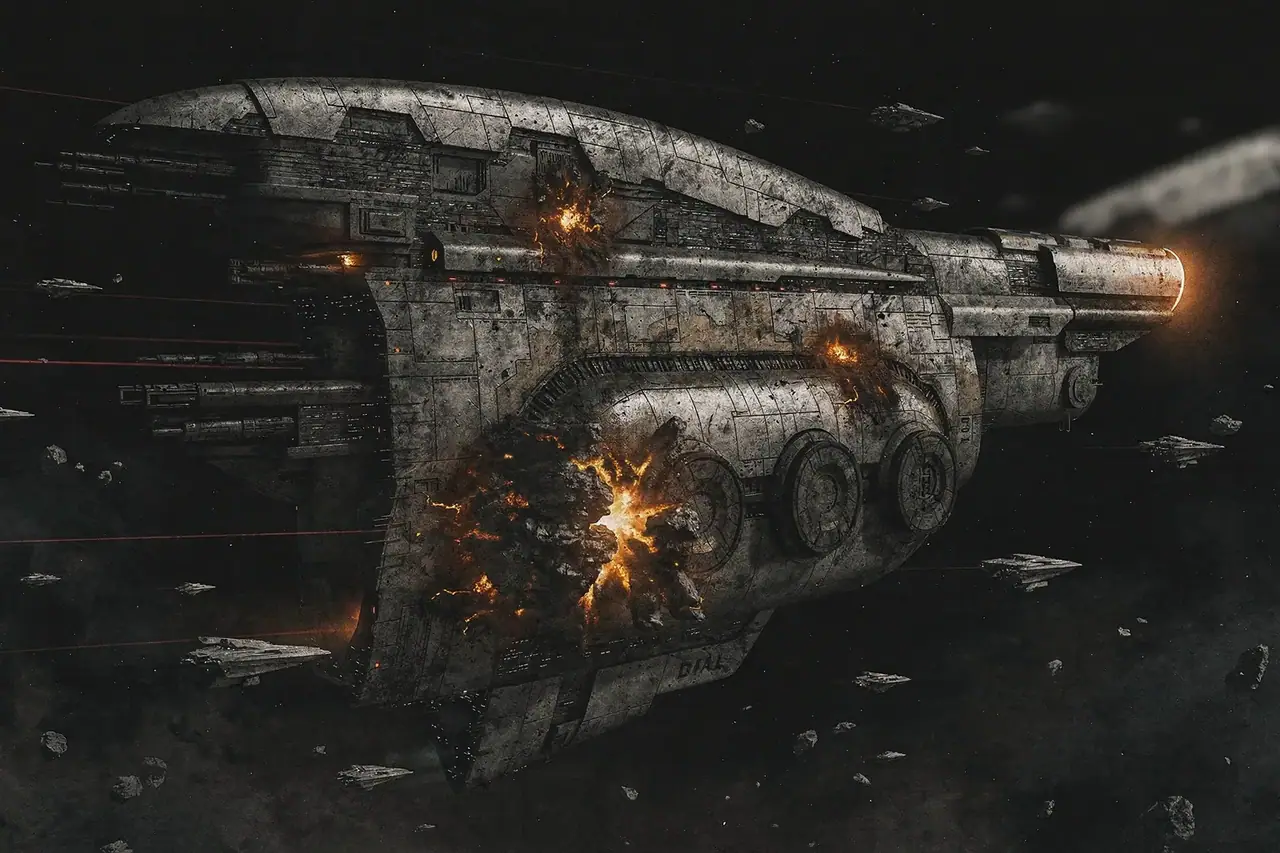
The losses tell the story of a fight that chewed through standard fleet hulls rather than singular flagships. Ravens were the most common casualty, with 26 destroyed, followed by 15 Hecates, 13 Gila hulls, 9 Raven Navy Issues, 9 Drake Navy Issues, and 4 Flycatchers. That mix points to a battle fought across several layers of a fleet, where heavier missile platforms, attack ships, and support hulls all came under pressure at once.
THE COST OF THE BREAK
WrongHole and Critical. Mass., and others absorbed the largest share of the damage, with their losses accounting for nearly the full 2.9B ISK total attributed to the fight. The top recorded destruction in the report also credits WarBeacon as the final blow, underlining that this was a battle report captured at the end of a wider, messy engagement. With 26 ships destroyed and 115 participants involved, the scale suggests neither side could simply disengage cleanly once the fight was committed.
WHY IT MATTERS
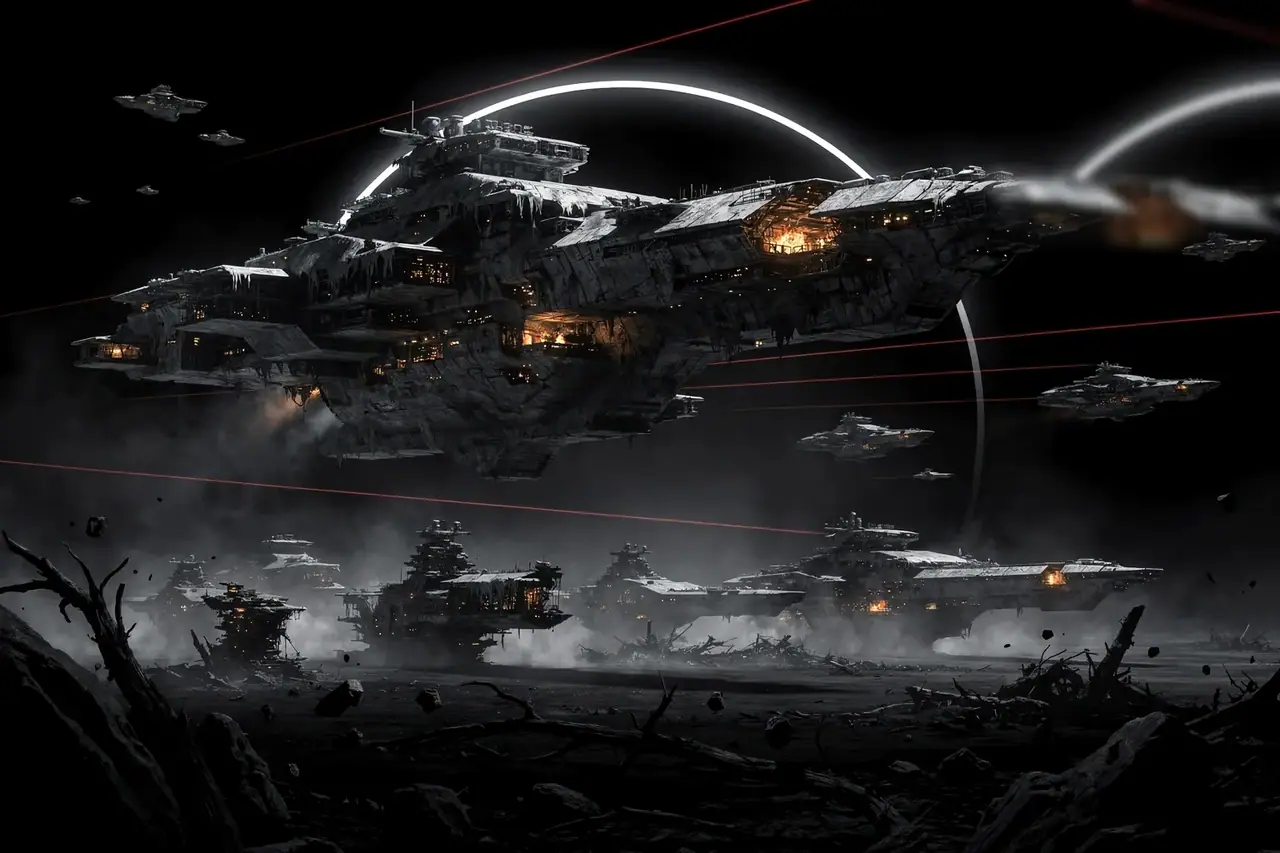
This was not the sort of battle that turns on a single spectacular capital loss; instead, it mattered because it shows how quickly a regional fight can become expensive when several groups converge on the same grid. The destruction of so many common fleet hulls, especially Ravens and their navy variants, points to a force that was willing to keep trading until one side began to lose cohesion. In New Eden, that kind of attritional fight can matter as much as any headline-grabbing supercapital kill: it drains replacements, strains logistics, and leaves the surviving side with the burden of proving it can come back for more.