THE OPENING CLASH
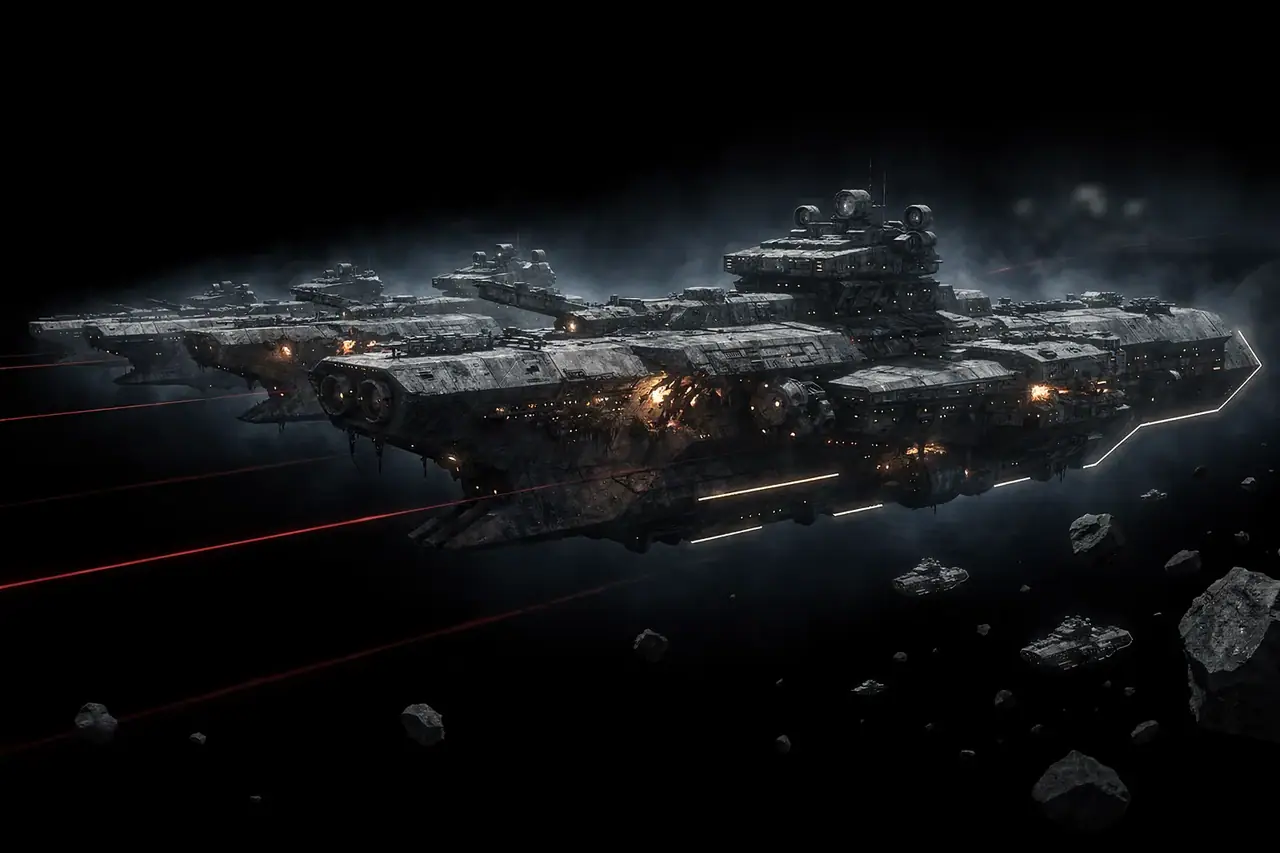
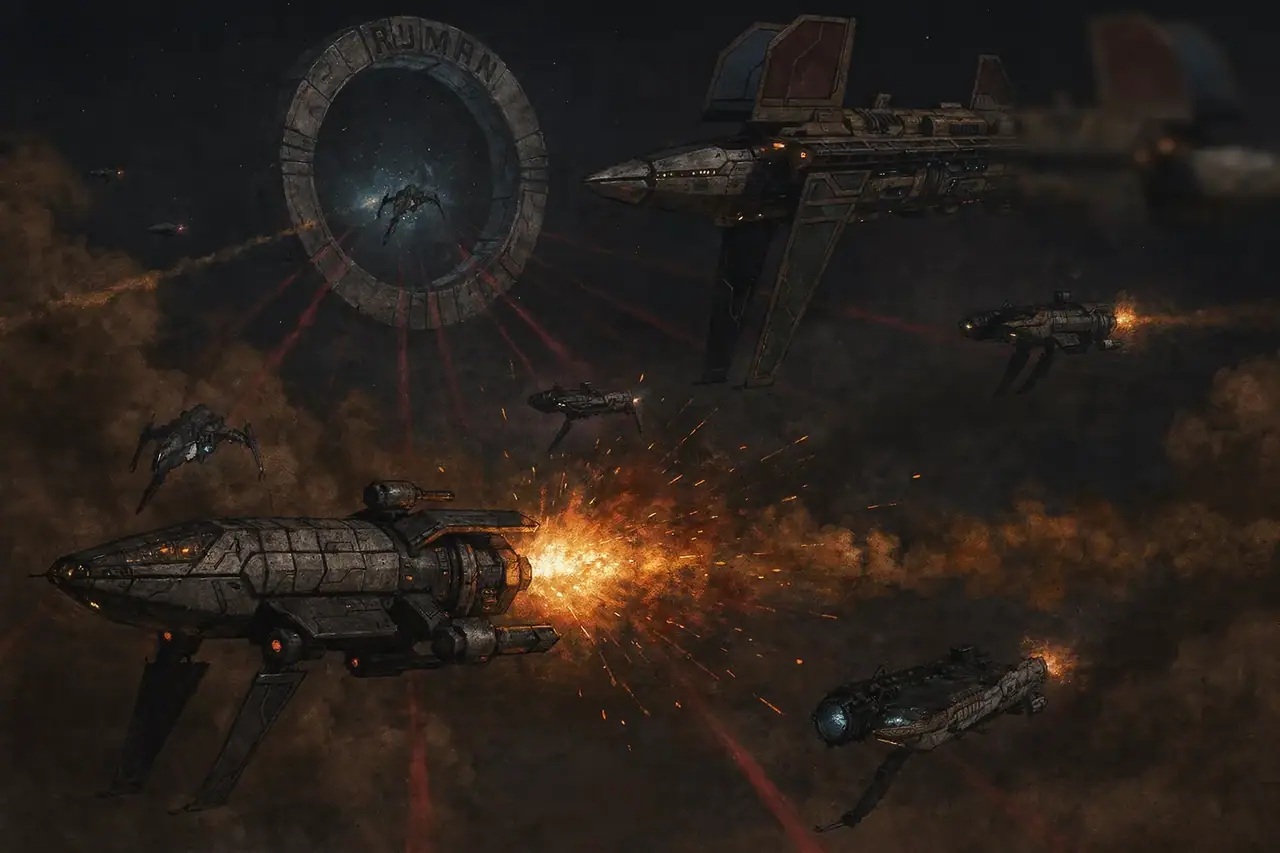
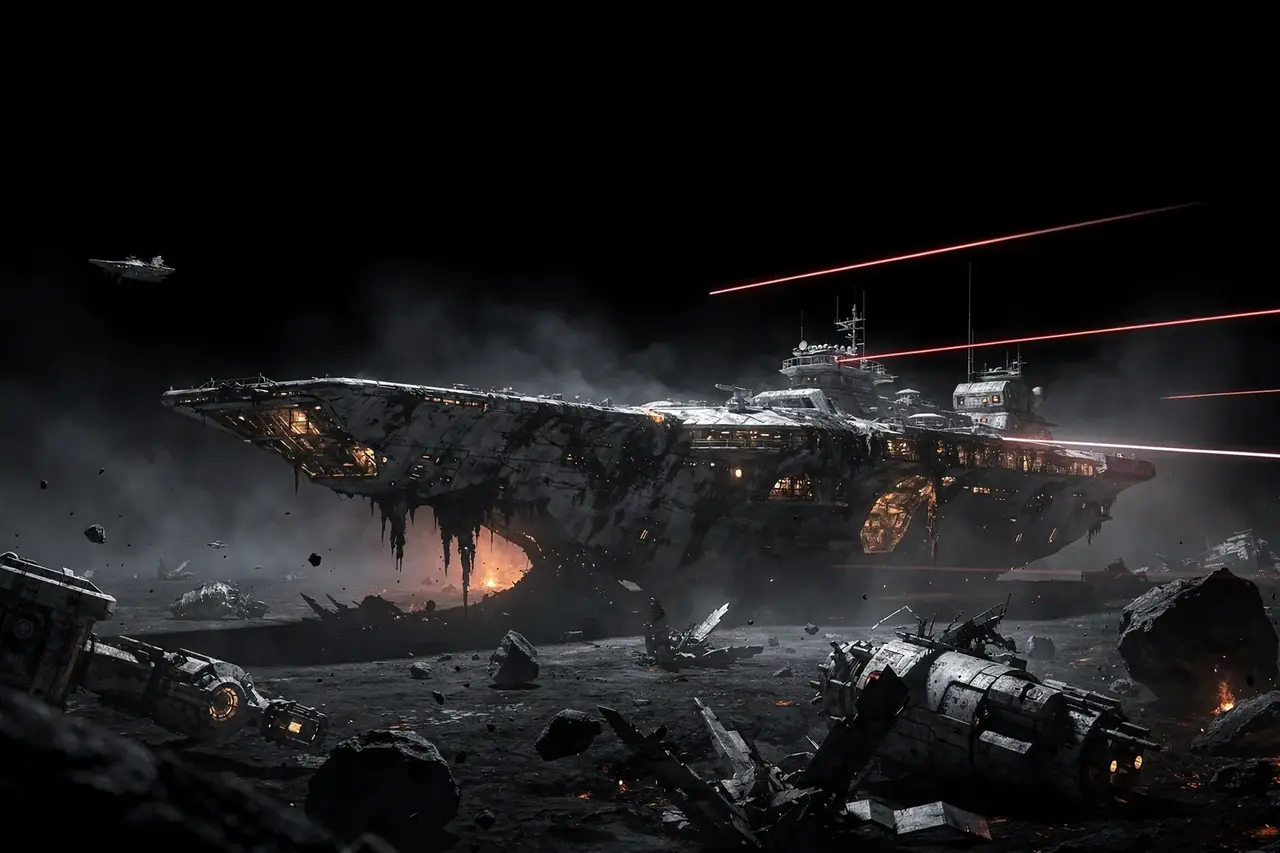
The battle in BND-16 began early and stretched over many hours, suggesting a fight that refused to settle quickly. With nearly a hundred pilots committed, the engagement was large enough to absorb losses and still keep pressing forward. The composition points to a mixed coalition affair rather than a single isolated skirmish, with The Initiative. and Brotherhood of Spacers appearing alongside other allies against a similarly broad group anchored by Fraternity. and Test Alliance Please Ignore.
THE LOSSES STACK UP
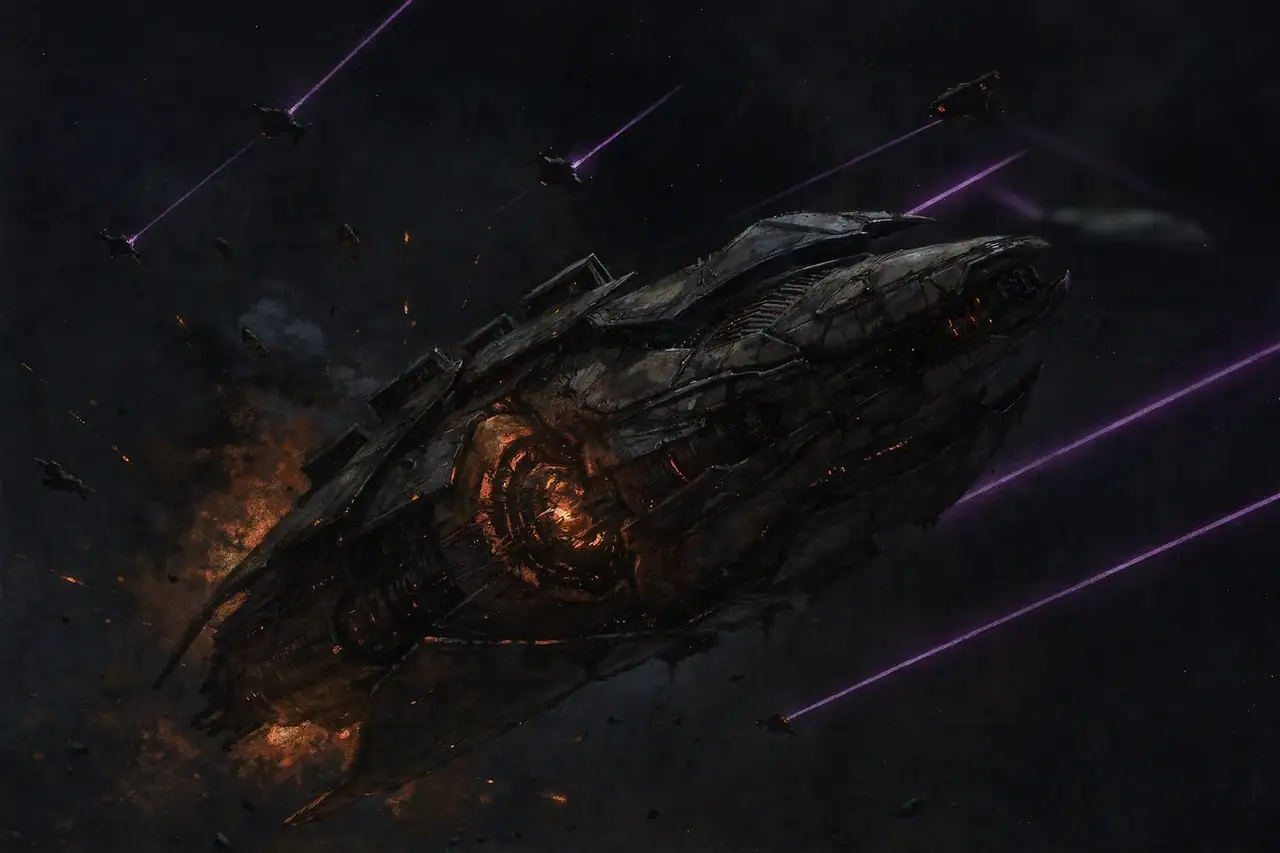
As the engagement developed, the wreckage field filled with a familiar spread of ships that suggests both hunting pressure and escalating resistance. Stealth bombers and attack craft among the dead included Purifiers, Hounds, Manticore, and Nemesis hulls, while heavier losses brought in a Paladin and an Apocalypse Navy Issue. That mix indicates the fight was not limited to one class of ship; instead, it appears both sides were willing to commit a range of assets as the situation widened.
THE DECISIVE MOMENT
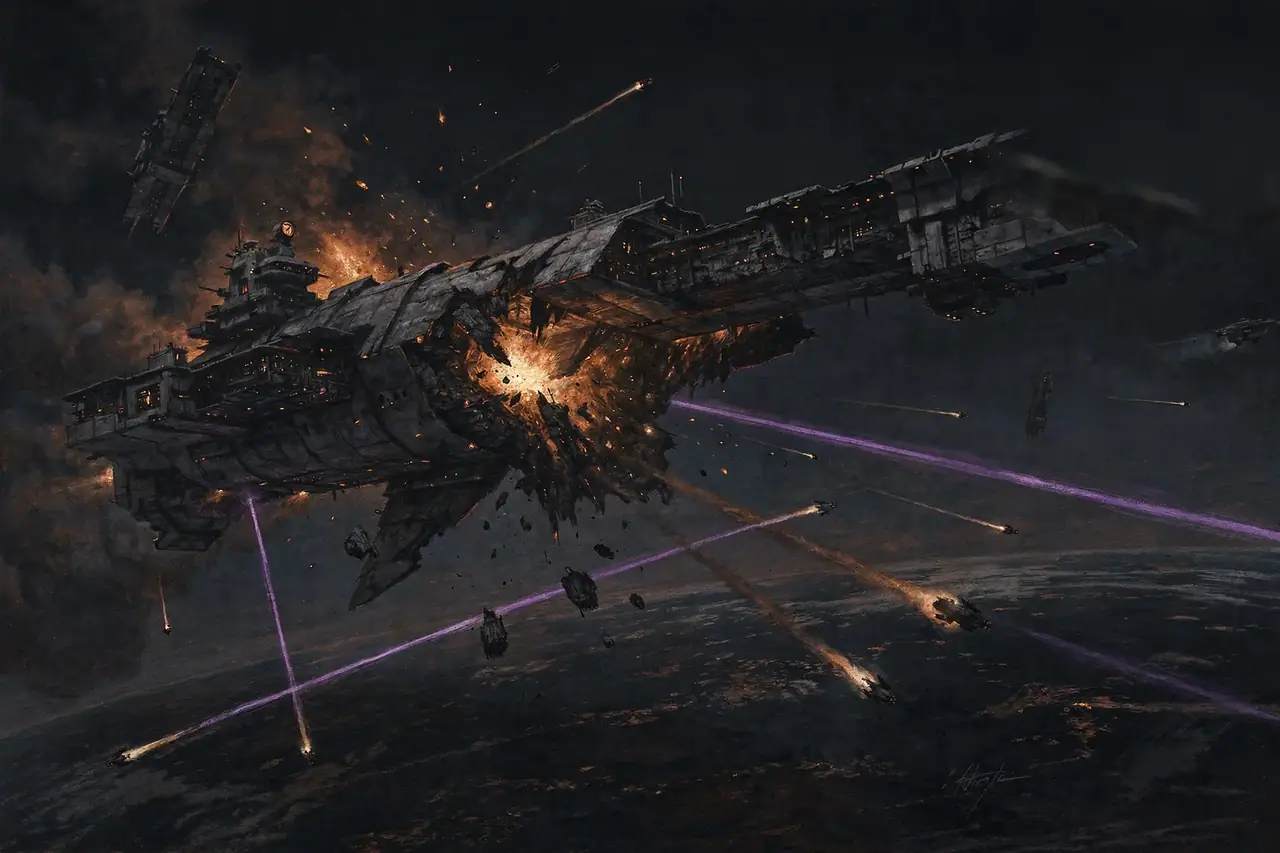
The largest loss of the day was the BND-16 battle report itself, recorded as a 45.7 billion ISK destruction tied to Fraternity. and Test Alliance Please Ignore and others. The final blow is attributed to WarBeacon, while The Initiative. and Brotherhood of Spacers were credited among the attackers, alongside Shadow Cartel, Beyond Destruction, and The Alamo Scouts contributing to the damage. Whatever the exact sequence of the fight, the scale of the destruction suggests one side eventually found enough control to break the field and claim the most expensive prize in the system.
WHY IT MATTERS
A 45.7 billion ISK engagement is not the sort of clash that fades quietly. With 54 ships lost across 94 participants, the fight in BND-16 appears to have been a significant exchange of force rather than a brief interruption. For Fraternity. and Test Alliance Please Ignore and their allies, the destruction represents a substantial material hit; for The Initiative. and Brotherhood of Spacers and supporting groups, it stands as evidence that their coalition could bring enough pressure to turn a prolonged contest into a costly defeat.