THE CLASH IN C2X-M5
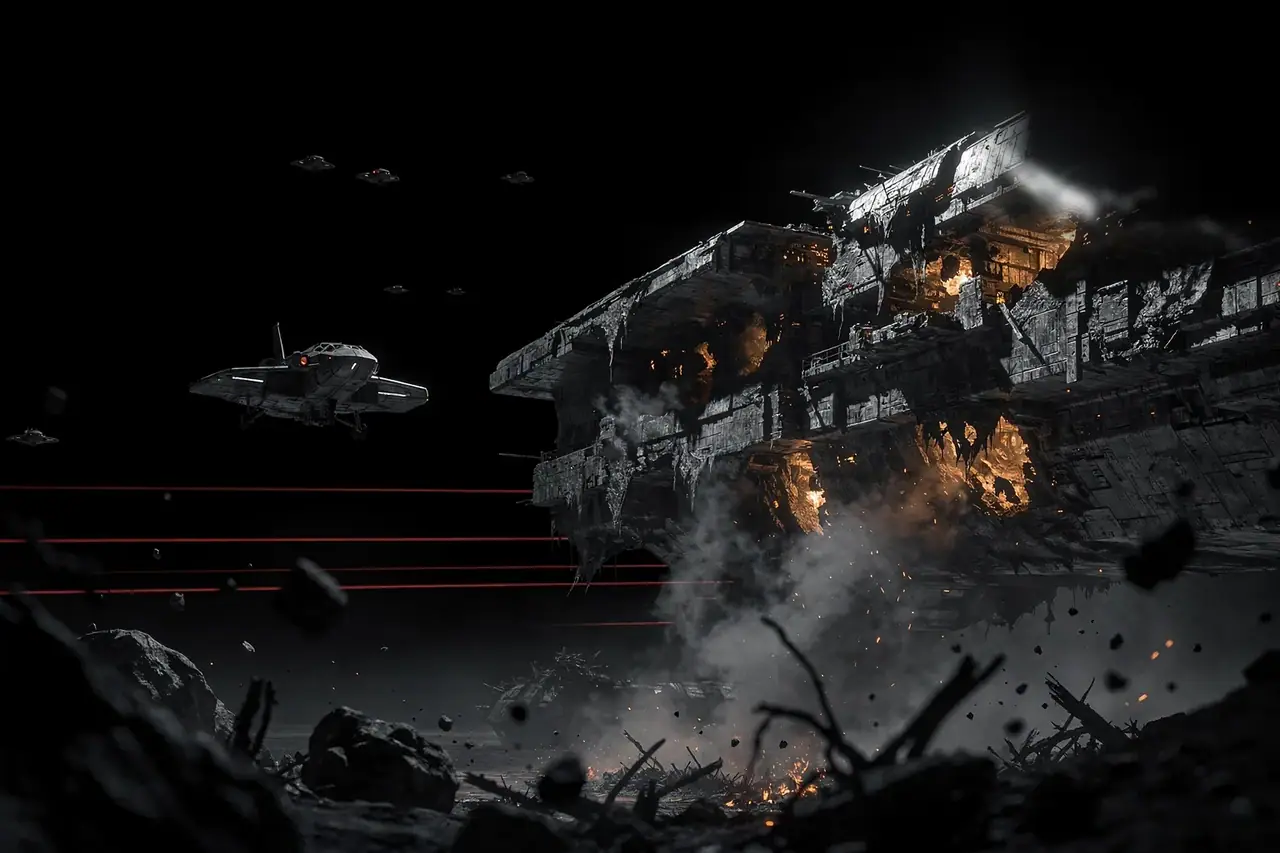
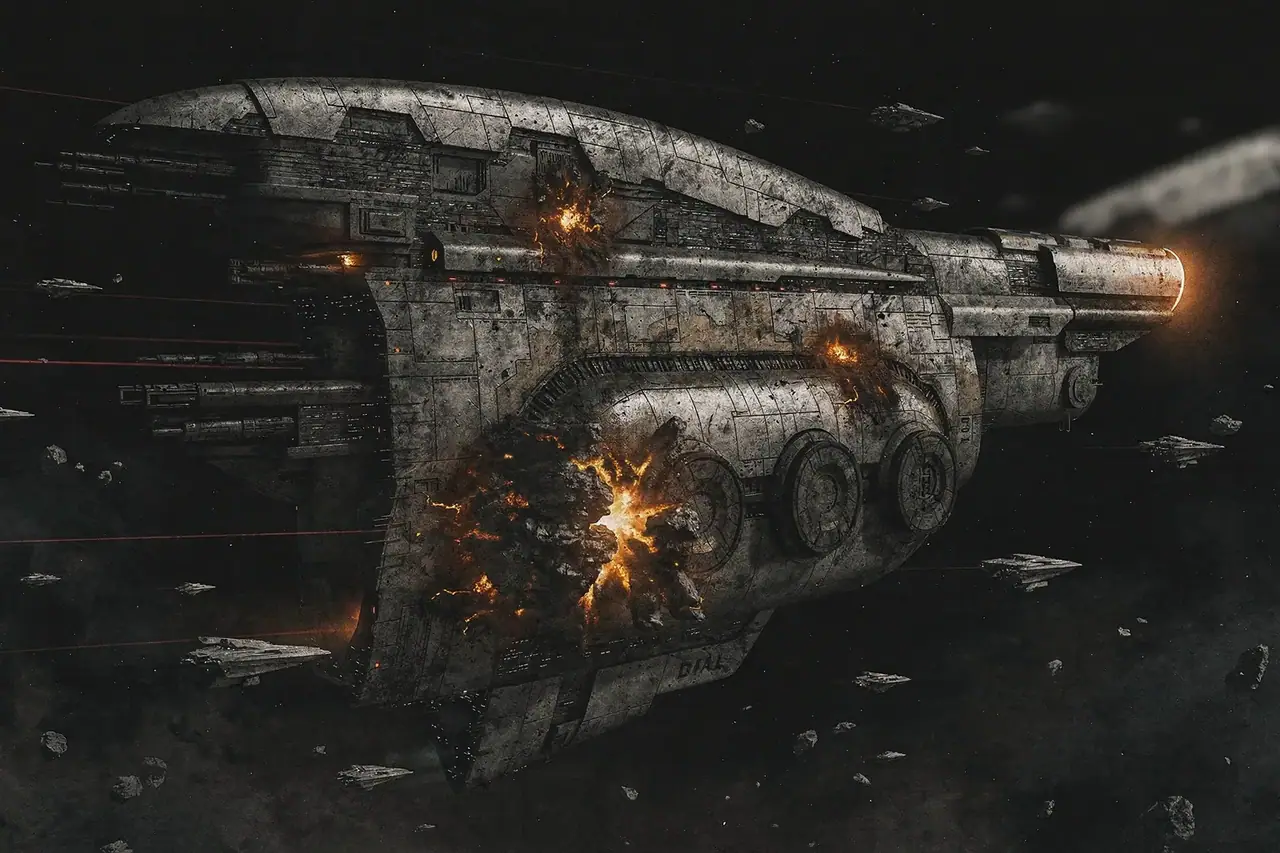
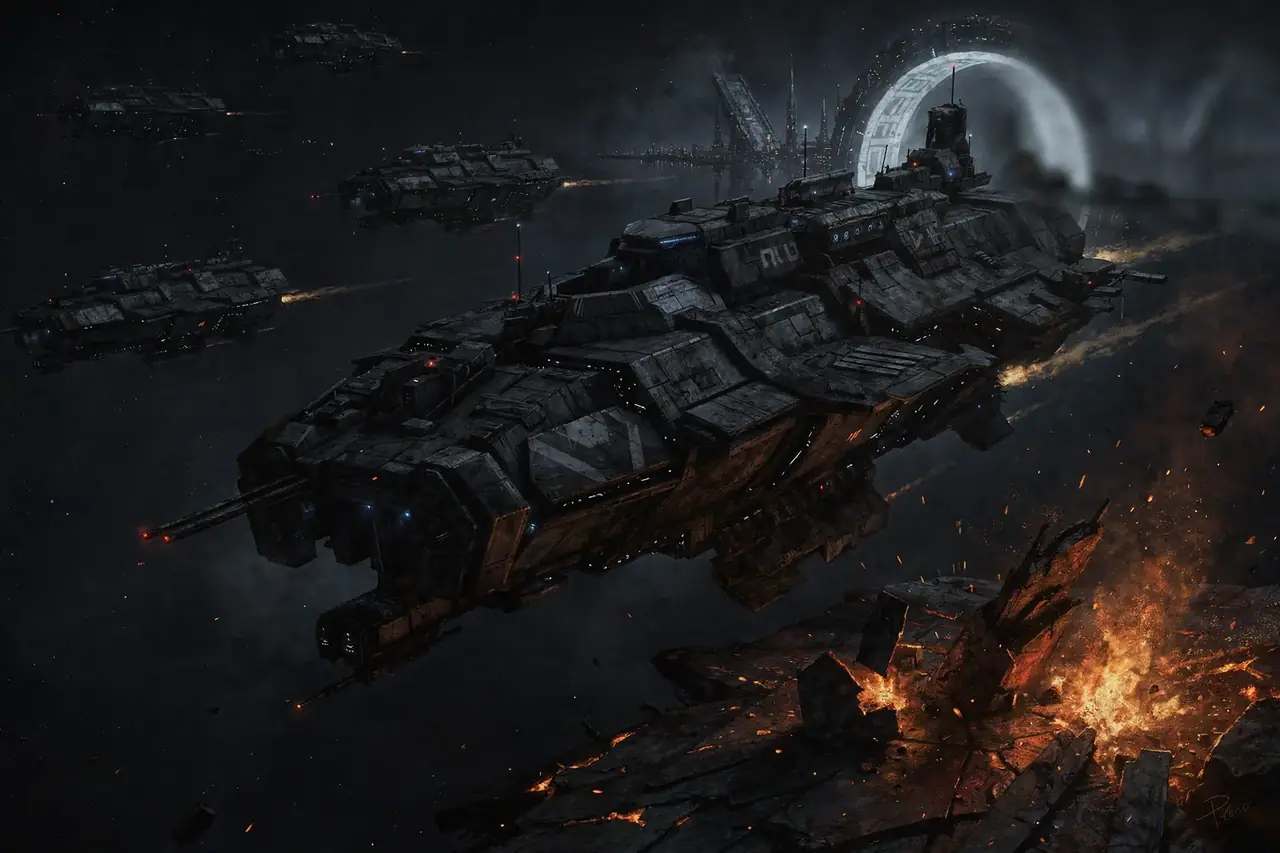
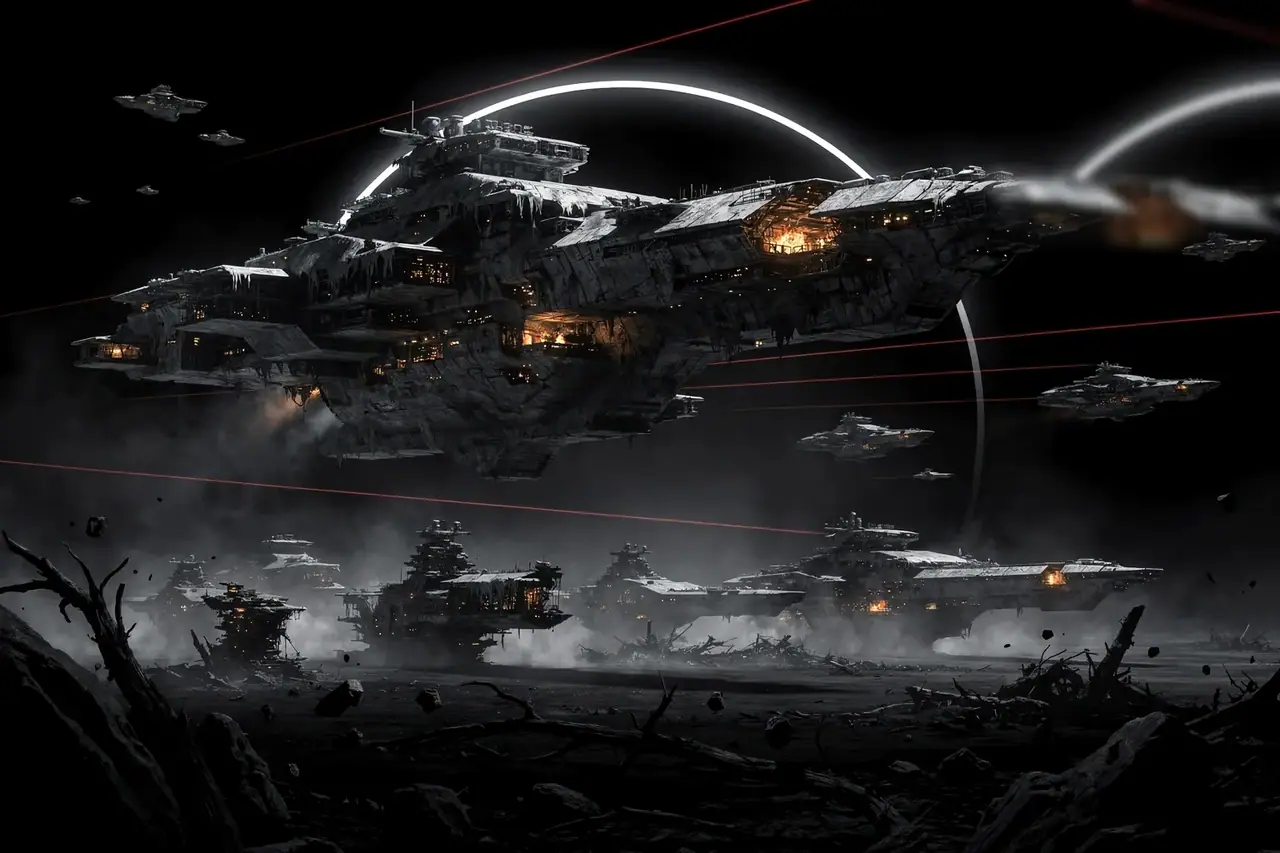
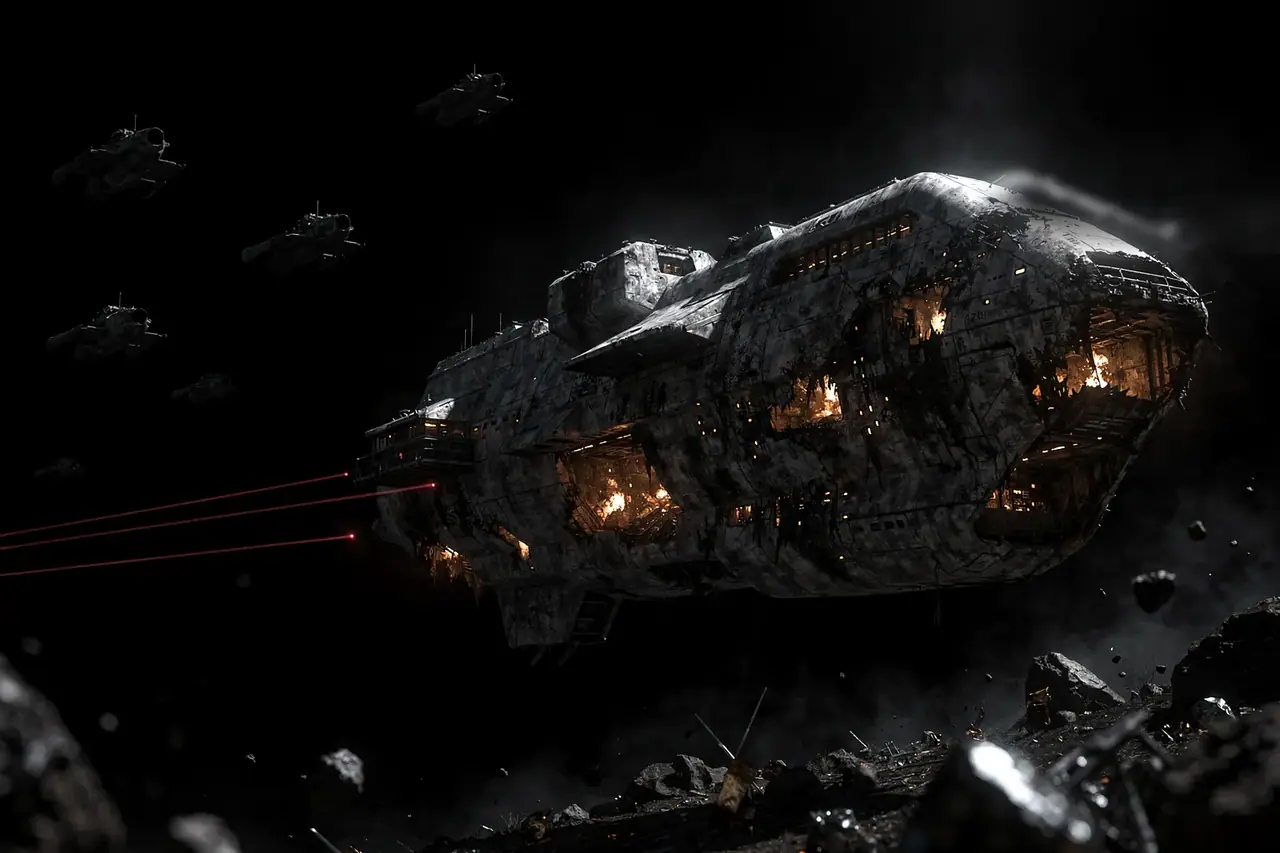
The engagement in C2X-M5 began at 14:12 and did not fully run down until 18:42, turning the system into a long-running battlefield rather than a brief skirmish. What emerged from the data is a contested fight involving 42 participants and two broad groupings on opposite sides of the ledger. Fraternity. and Synergy of Steel, alongside other allies, absorbed the larger share of the destruction, while Invidia Gloriae Comes and LT-Corp, with support from others, pressed the attack and finished the exchange with the final major loss on record.
THE SHIPS LOST
The wreckage left behind was not limited to a single class of ship. Exequror Navy Issue hulls were the most numerous losses, joined by Cyclone Fleet Issues, Ferox Navy Issues, Stabber Fleet Issues, and at least two Loki strategic cruisers. Even capsules were caught in the collapse, including Genolution 'Auroral' 197-variant pods, a reminder that the fight was close enough to turn retreats into casualties. The spread of losses suggests a brawl that moved beyond a simple pickoff and into a broader exchange where multiple ship doctrines were committed and then paid for.
THE FINAL BLOW
The top loss of the day was the C2X-M5 battle report entry itself, valued at 4.8 billion ISK and attributed to Fraternity. and Synergy of Steel, and others, with WarBeacon listed as the final blow source. Whatever the exact shape of the endgame, the result was costly enough to stand out above the rest of the field. Invidia Gloriae Comes and LT-Corp appear to have been the side that applied the decisive pressure, with the record showing them as the primary attackers when the biggest prize on the field was brought down.
WHY IT MATTERS
A fight of this length and scale in a single system usually signals more than a quick hunt. With 44 losses spread across several ship classes and both sides taking damage, C2X-M5 became a grinding exchange that drained value from everyone involved. The destruction of multiple Navy Issue hulls, strategic cruisers, and pods points to a battle where commitments were real and escape windows were narrow. Even without a clear strategic narrative attached, the numbers leave little doubt that this was an expensive day for the pilots who chose to stay on grid.