THE ENCOUNTER
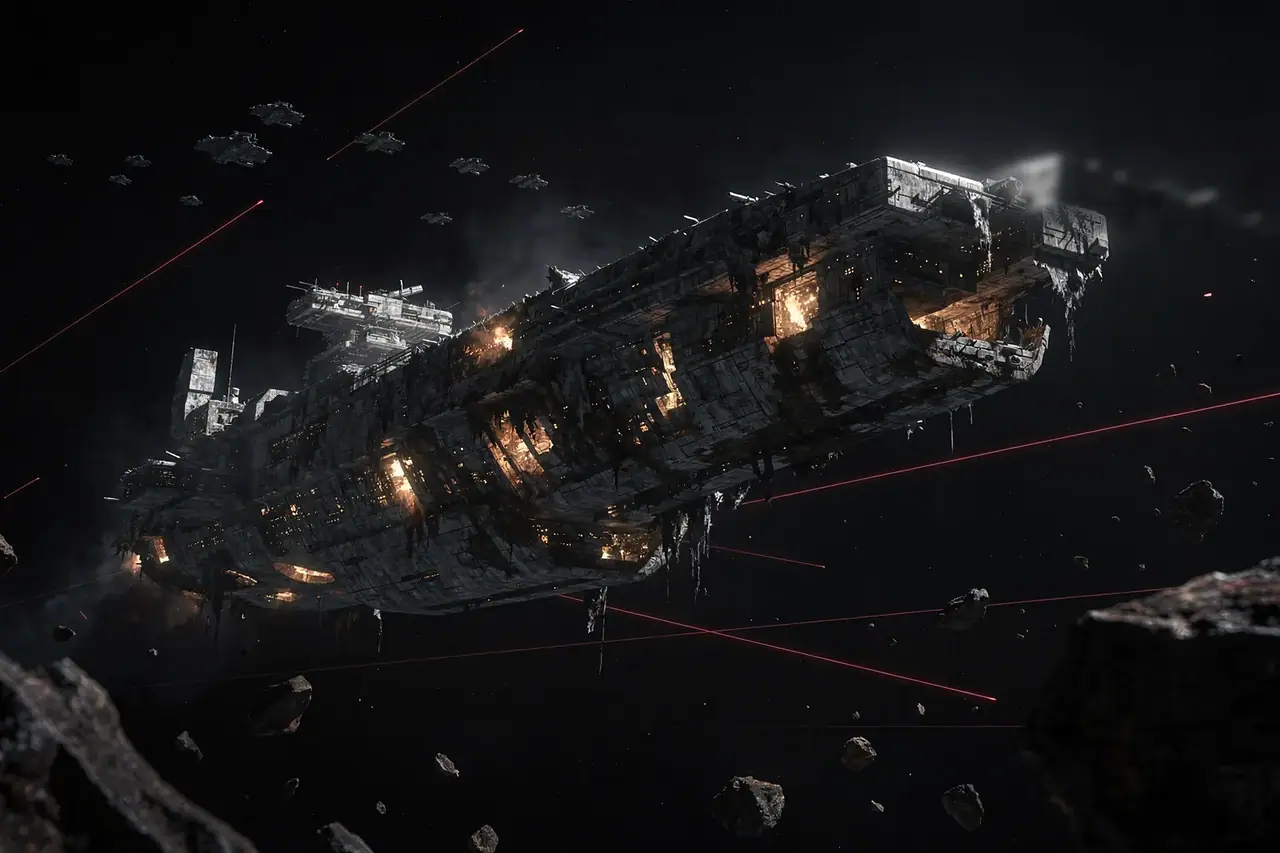
The first signs point to an organised clash that built over time rather than a single sudden strike. Dracarys. and Deepwater Hooligans, alongside supporting groups, accounted for the bulk of the losses, while Fraternity. and Fraternity Auxiliary emerged as the other major force in the field. The battle in Floseswin involved enough pilots and enough destroyed value to suggest both sides were willing to commit and hold their ground once the shooting started.
THE FIRE EXCHANGE
Ship losses were spread across a mix of heavy line ships and support hulls, with Raven battleships and Apocalypse Navy Issues forming the largest share of the destruction. Scorpion, Vigil, Osprey, and Typhoon Fleet Issue losses show the fight was not limited to capital pressure or heavy brawling alone; smaller utility and support ships were caught in the same widening engagement. That mix usually points to a battle that became difficult to control once contact was made.
THE TURNING POINT
The most expensive loss in the engagement came from the Dracarys.-aligned side, where the reported top destruction accounts for the full 4.7 billion ISK total tied to the battle report. Fraternity. and its auxiliaries were listed as the attacking side on that loss, with WarBeacon credited for the final blow entry. Whatever the exact sequence in the closing moments, the data indicates one side managed to land the decisive pressure when the field was already heavily committed.
WHAT IT MEANS
For both coalitions and their partners, this was not a routine exchange. A fight of this size in Floseswin carries real cost in ships, fittings, and momentum, especially when the losses include battleships and navy-grade hulls. Even without a single standout supercapital or flagship on the field, the engagement leaves a clear mark: a sizeable clash, meaningful losses, and evidence that both sides were prepared to contest the system hard.