THE CATCH
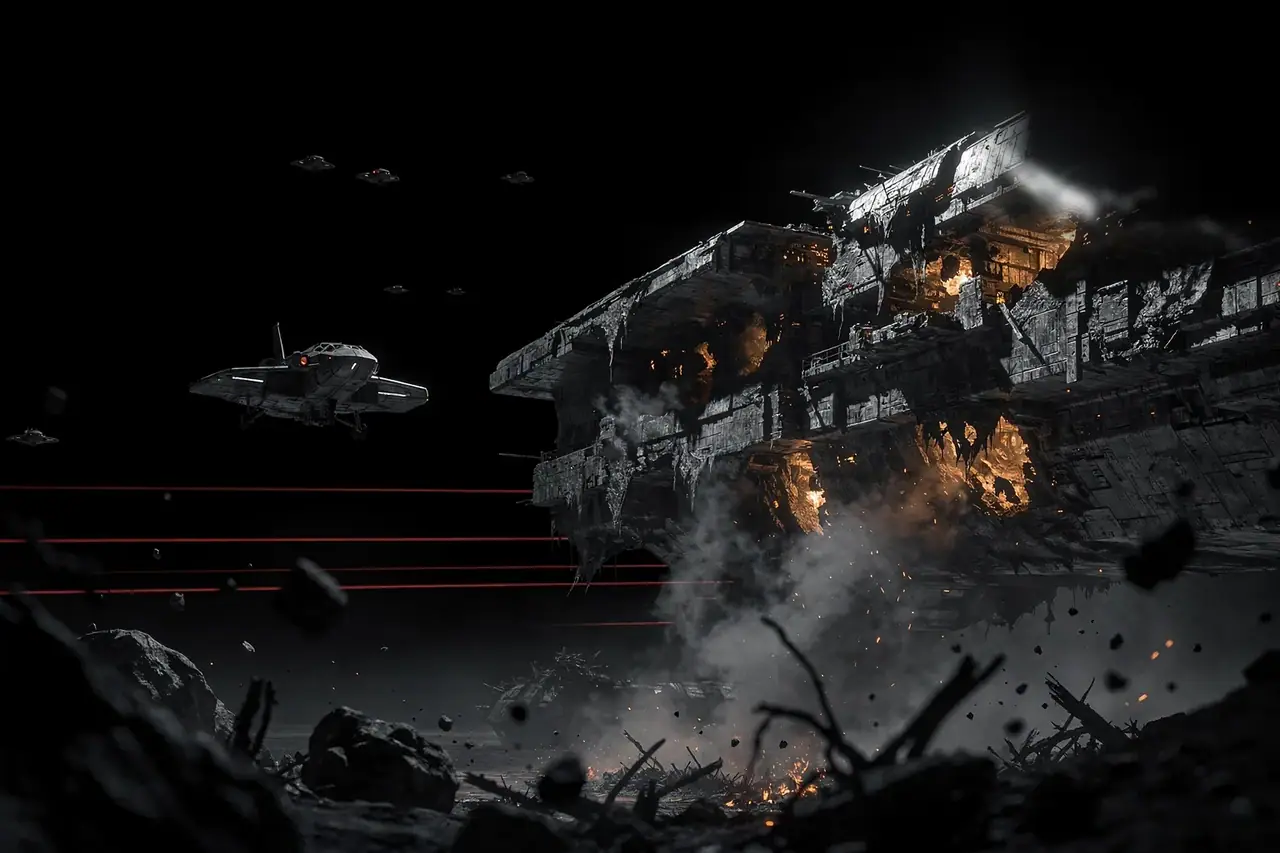
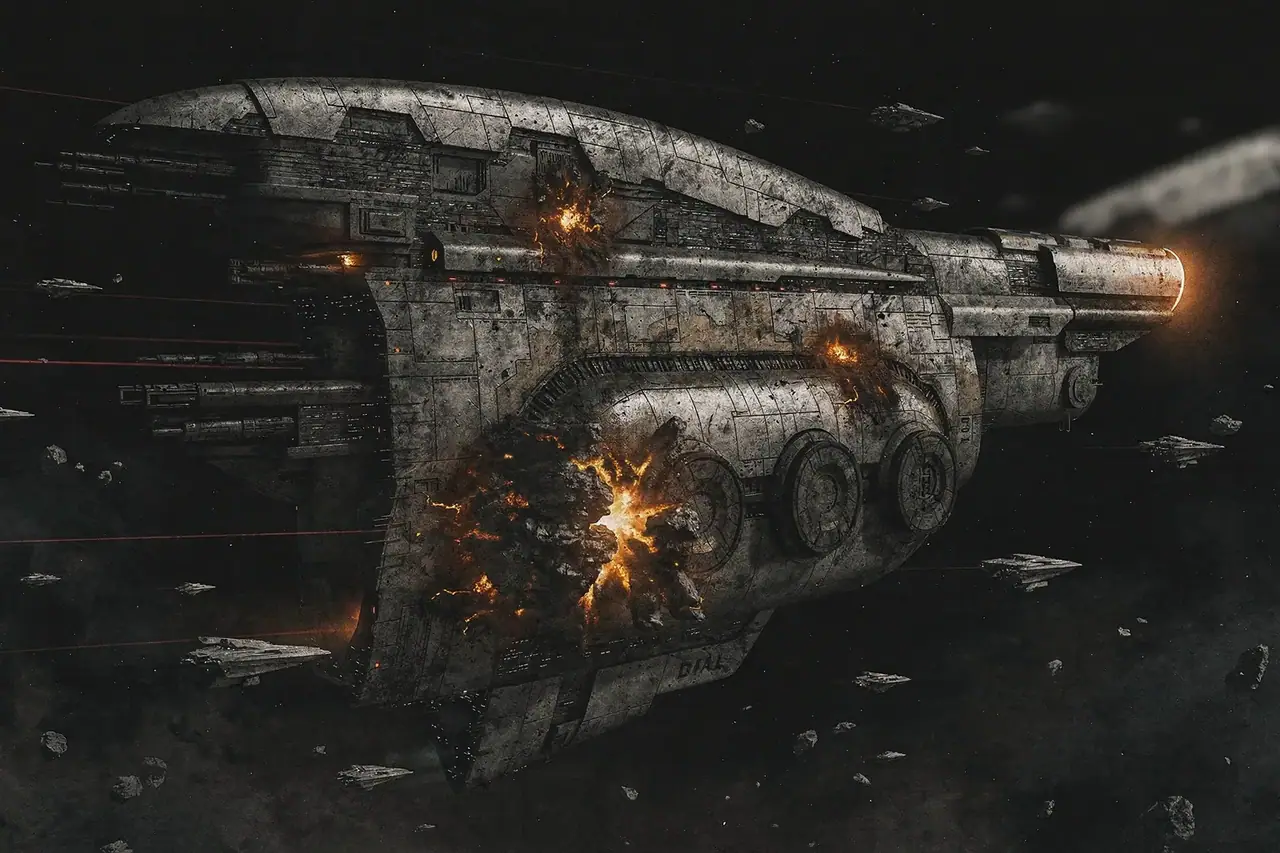
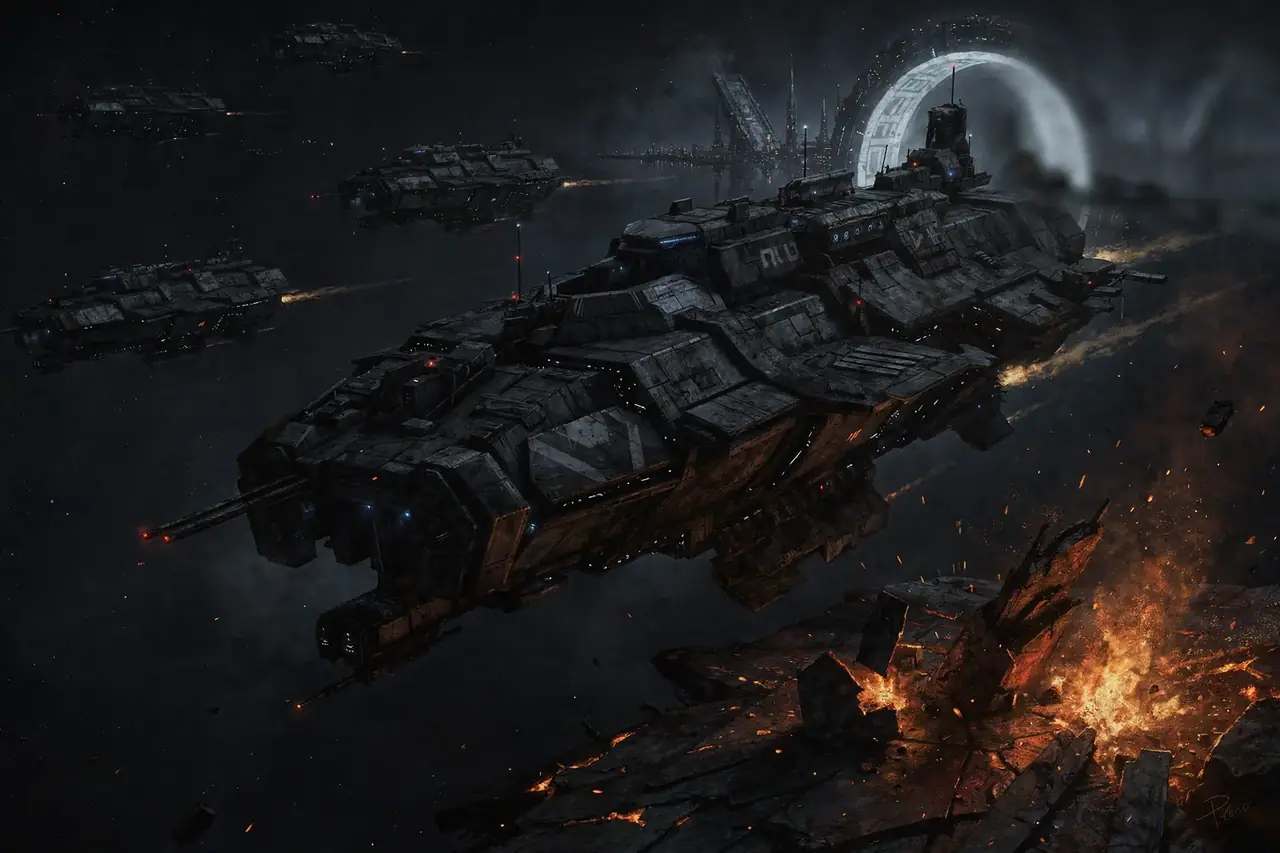
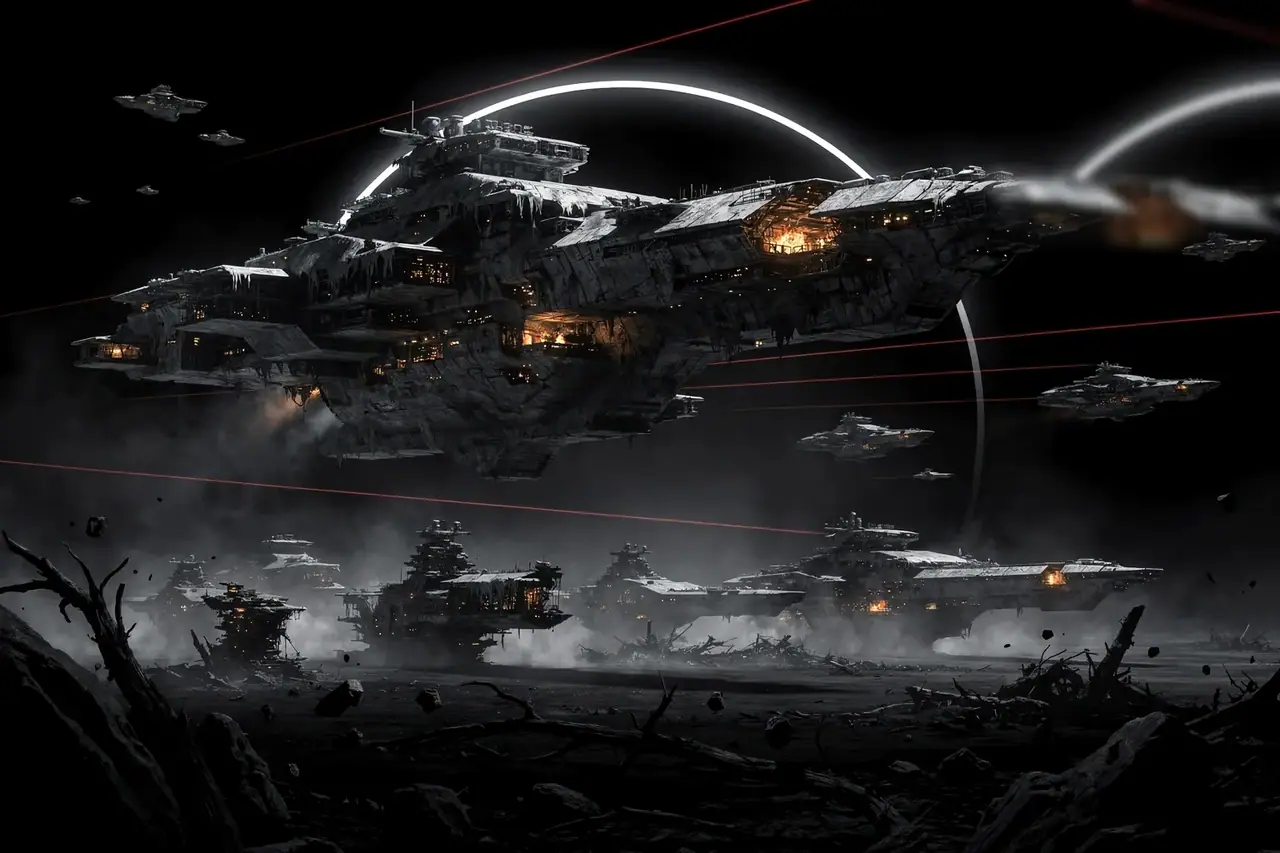
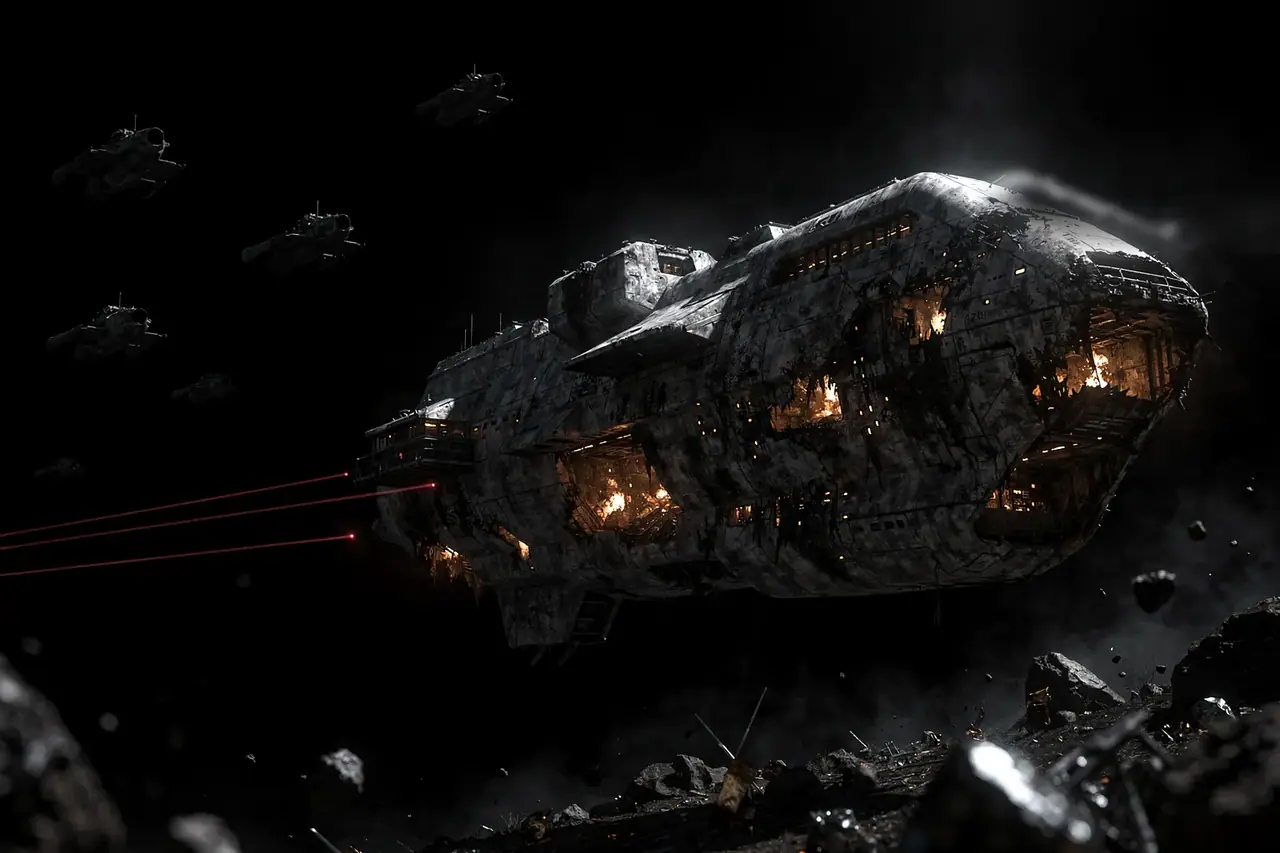
What began as a single engagement in UEPO-D stretched from 01:09 UTC into the morning hours, suggesting neither side was willing to yield space without a fight. By the time the action wound down at 07:12 UTC, the battlefield had produced seven ship losses and a total value of 2.1 billion ISK destroyed. The scale was not enormous by New Eden standards, but the mix of ships involved points to a fight with real weight: a Thanatos, a Panther, a Widow, two Purifiers, an Apocalypse, and a Hurricane Fleet Issue all ended up on the wrong side of the exchange.
THE TRADING OF BLOWS
The two sides appear to have been split evenly in the exchange, with 14 pilots credited on each side. That balance suggests an organised clash rather than a simple ambush, and the losses reflect a fight that reached across several ship classes instead of collapsing around a single target. Brave Collective and Infested Regions Hiveminds took the larger share of the damage, losing more than 1.5 billion ISK, while What Could Possibly Go Wr0ng and Paws n Claws Collective also paid a significant price at just over half a billion. When black ops hulls and a carrier are among the wrecks, the margin for error is already gone.
THE SHIPS LEFT BEHIND
The most striking losses were the expensive and specialised hulls: two Thanatos carriers, two Panthers, two Widows, and two Purifiers among the casualties indicate that whichever side gained control of the grid was able to punish advanced doctrine ships as well as more conventional combat hulls. The Apocalypse and Hurricane Fleet Issue add to the sense that the fight widened beyond a single exchange and into a broader collapse of ship control. These are not the losses of a clean retreat; they read more like a battle that kept escalating until both sides had committed enough to make backing off difficult.
WHY IT MATTERS
The destruction of 2.1 billion ISK in UEPO-D is not a region-shaking catastrophe, but it is the sort of engagement that stings because of what was committed and what was left behind. A prolonged, evenly matched fight that ends with carriers and covert ships in flames can quickly reshape local confidence, even when the numbers are relatively modest. For both coalitions involved, the engagement suggests determination, exposure, and a willingness to keep trading until the field finally broke.