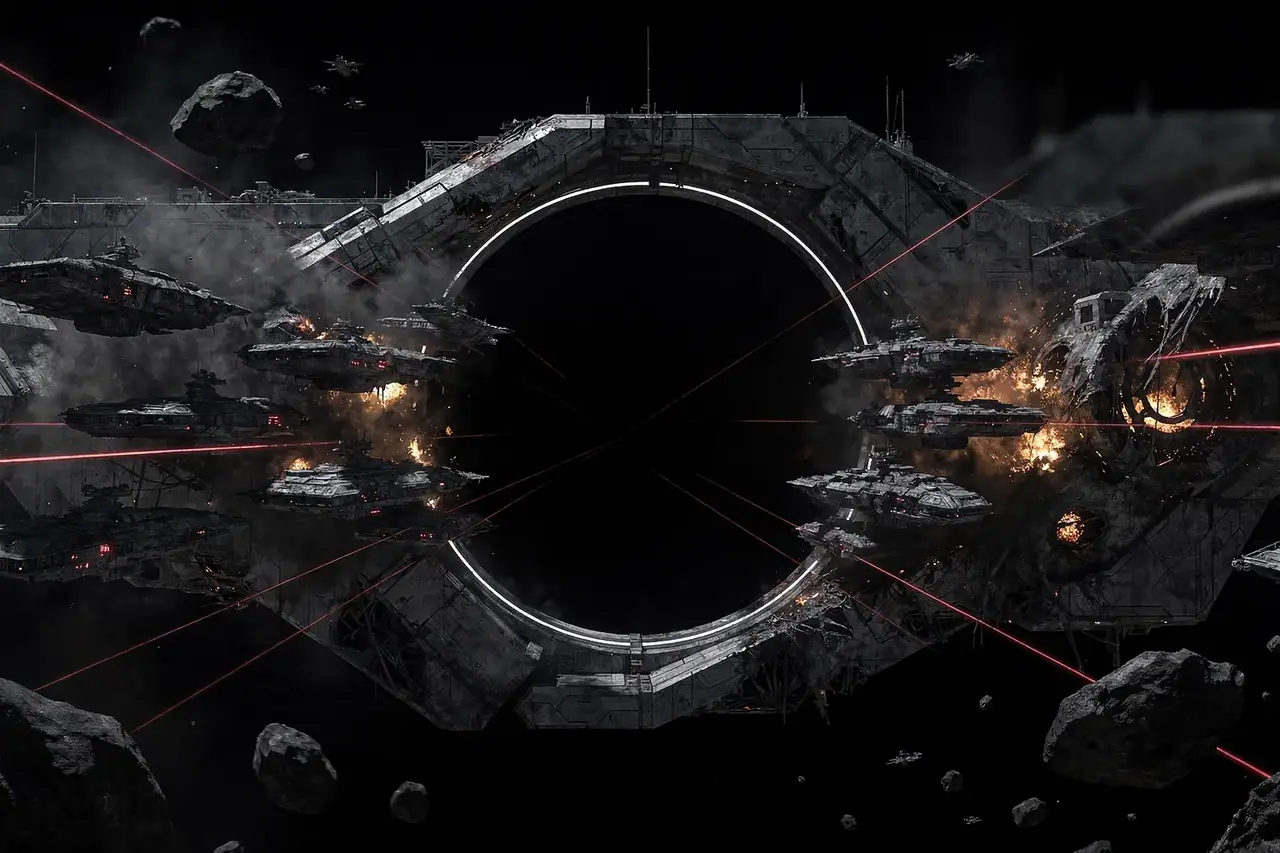
THE CLASH OPENS
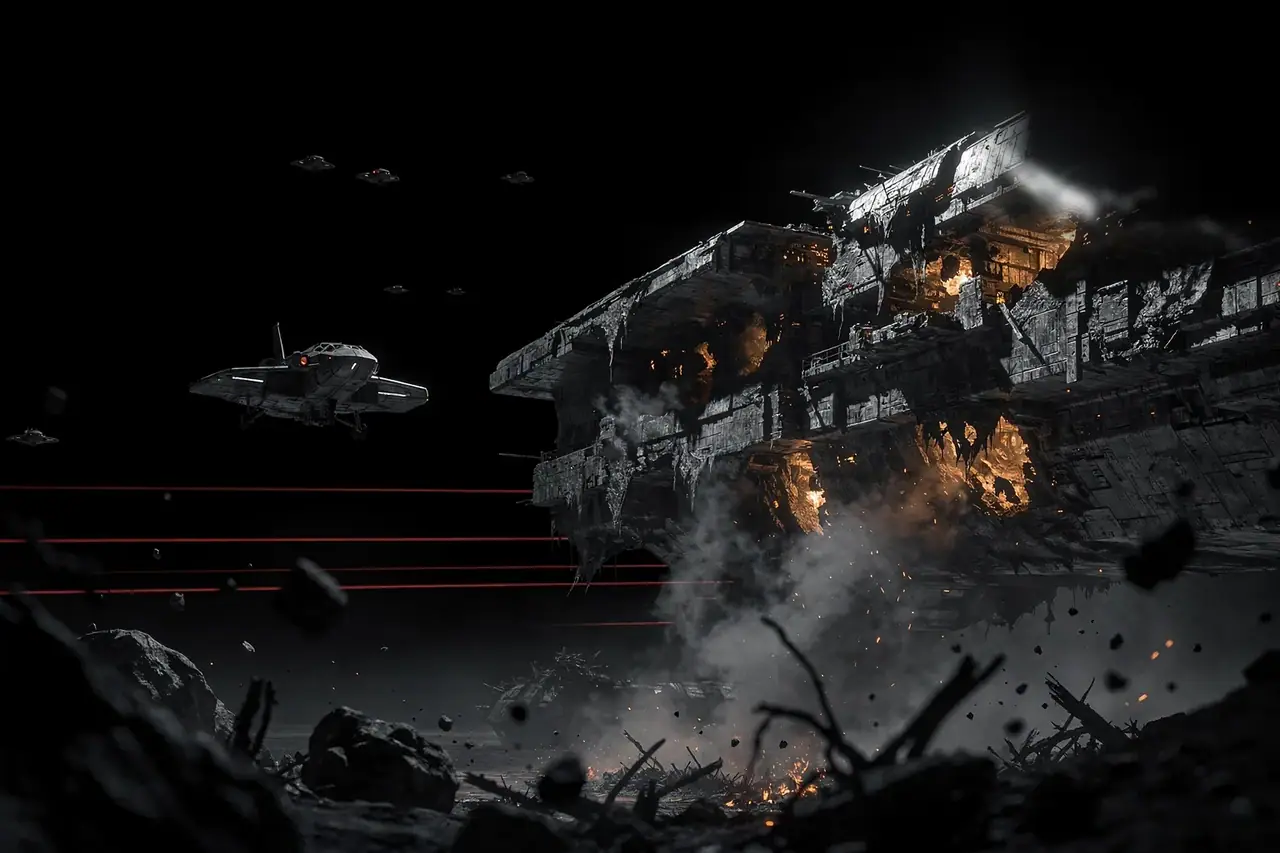
The battle in E-JCUS began shortly after 02:31 and did not end until 04:05, suggesting a drawn-out confrontation rather than a brief strike. Both sides committed substantial numbers, with the fighting involving 132 participants across the engagement. The scale alone points to a major fleet action, not a passing skirmish, and the loss of ships on both sides shows that neither force was able to secure a clean early advantage.
CAPITAL AND BATTLESHIPS FALL
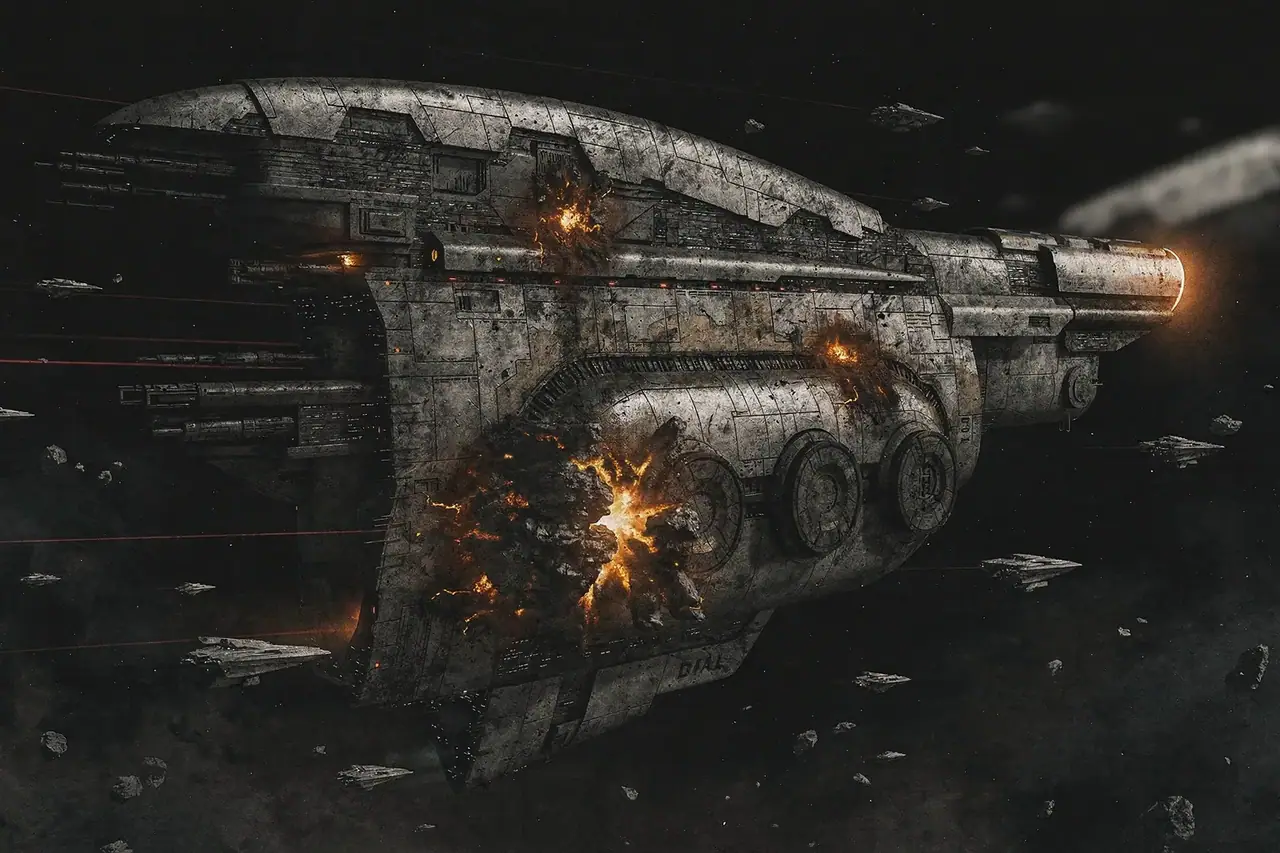
The wreckage was broad rather than selective. Among the losses were 36 Rorquals, 21 Tempests, 11 Manticores, 11 Vedmaks, eight Phoenix Navy Issues, and four Ravens. That mix suggests the fight cut across multiple ship classes and roles, from heavy industrial platforms to battleships, strategic cruisers, and stealth bombers. When a battle leaves that kind of spread behind, it usually means control of the field shifted repeatedly before one side finally gave way.
THE TURNING POINT
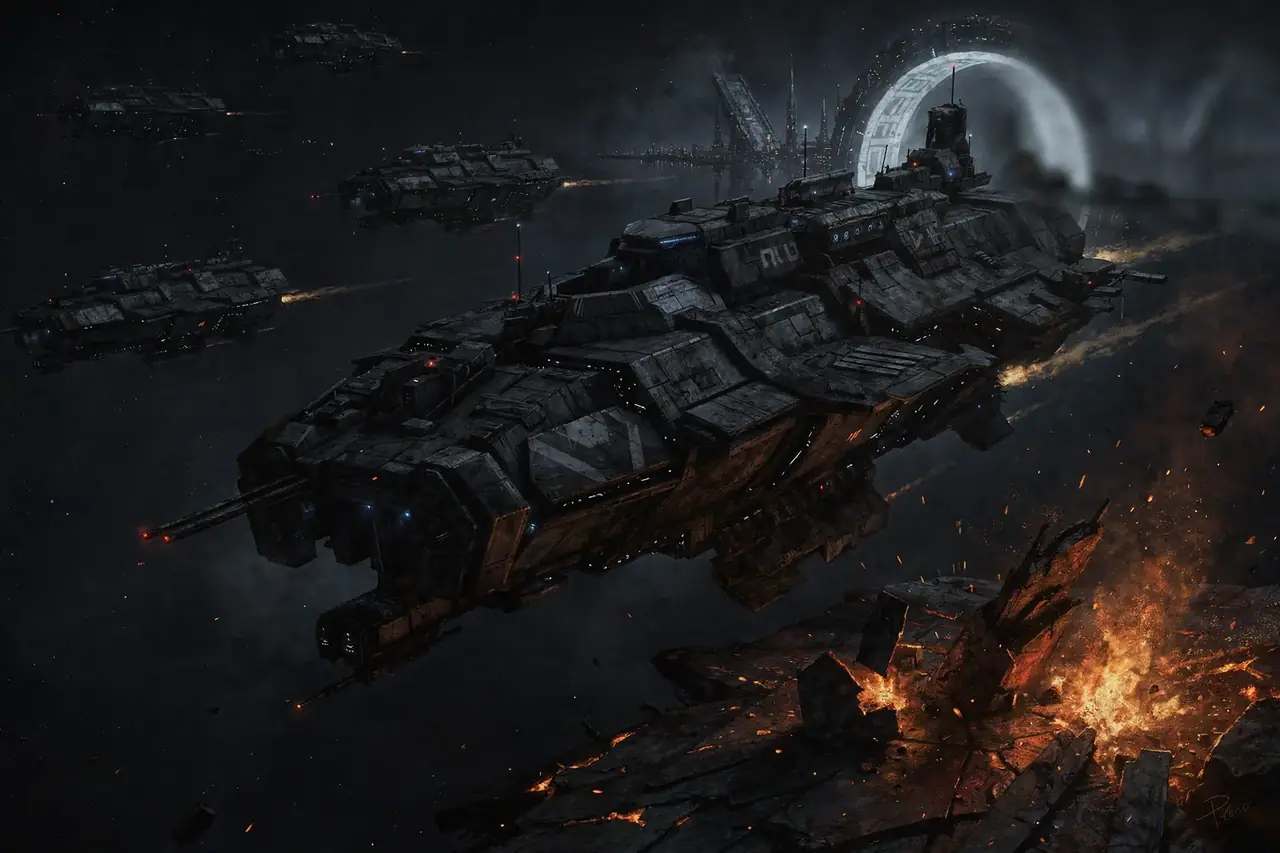
The largest single destruction recorded in the engagement was the 17.6 billion ISK loss associated with the E-JCUS fight itself, attributed to the Goonswarm Federation and Tactical Narcotics Team side and destroyed by Guardians of Tranquility and Fraternity. and others. WarBeacon records Guardians of Tranquility and Fraternity. as the principal attackers by damage, with support also credited to The Black Shores, The Eight Banners, and other fleets. That combination suggests a coordinated push that eventually overwhelmed resistance and turned the engagement into a decisive exchange of losses.
THE PRICE OF HOLDING THE GRID
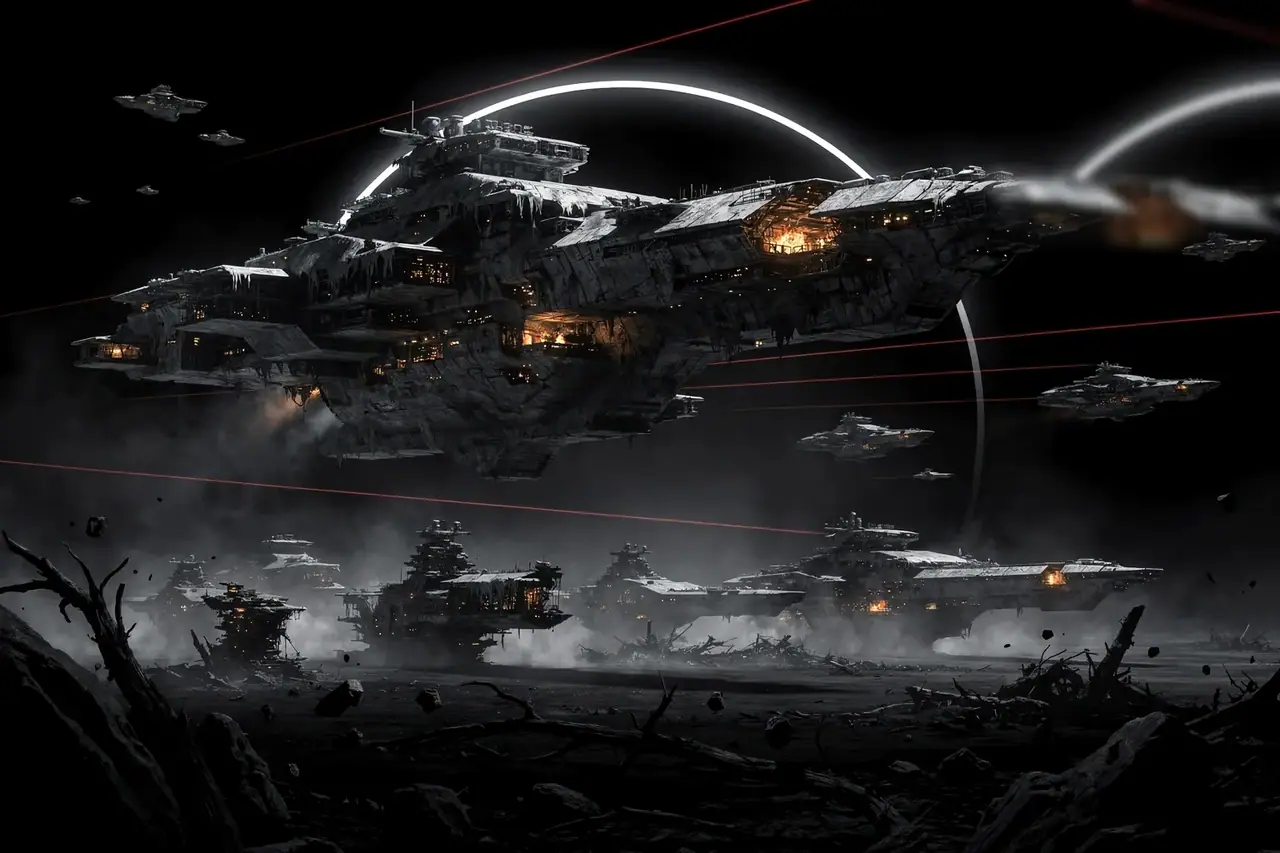
The final tally leaves both coalitions with visible damage: losses attributed to the Guardians of Tranquility and Fraternity. side totalled roughly 6.8 billion ISK, while the Goonswarm Federation and Tactical Narcotics Team side absorbed about 10.8 billion ISK. In practical terms, the fight appears to have ended as an expensive contest for control rather than a clean rout. E-JCUS now stands as another reminder that in New Eden, large fleets can collide for hours and still leave both sides paying heavily for the chance to hold the field.