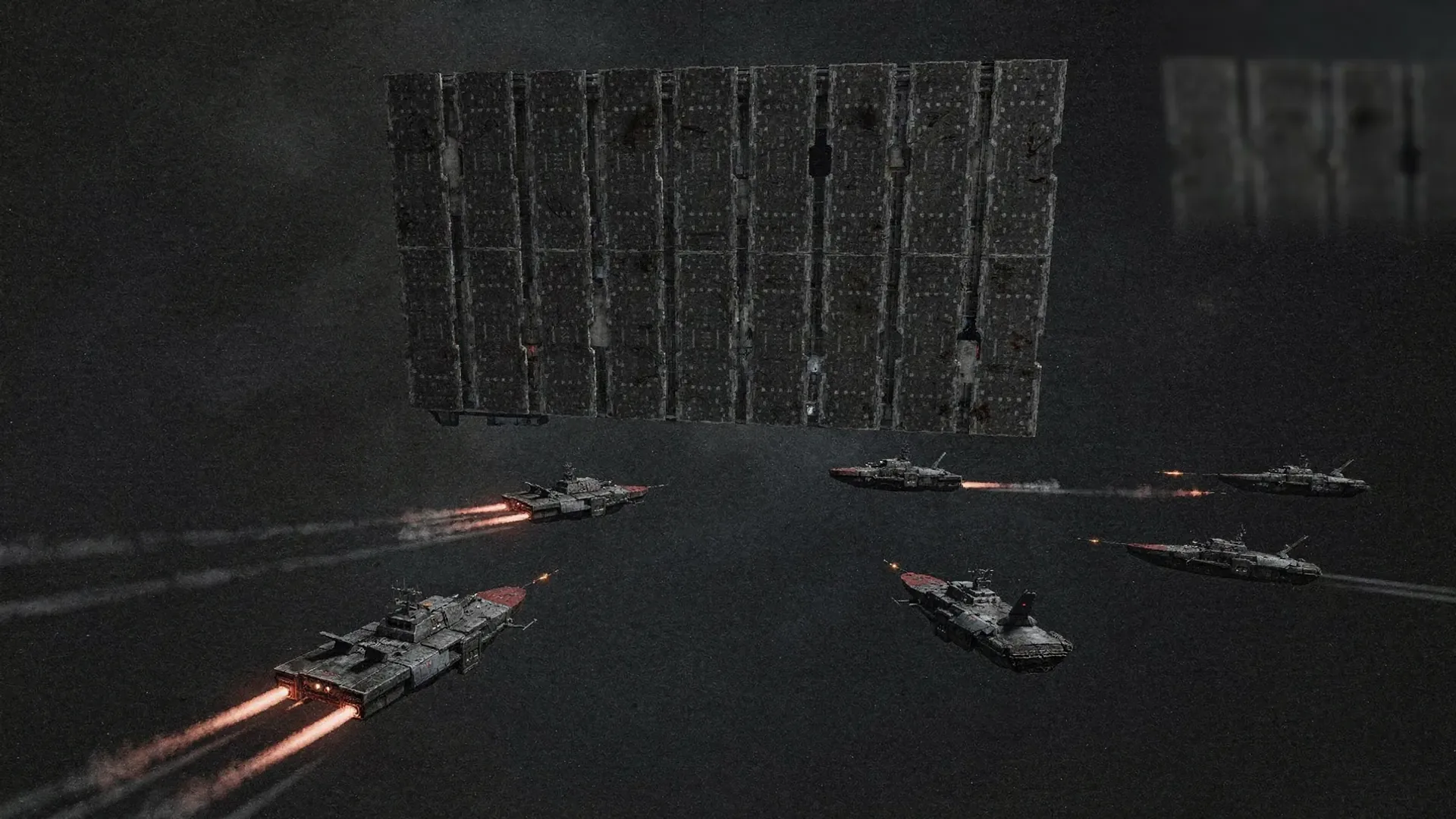
From a Side Skirmish to an Eight-System Front
The first observation showed only two systems under contest, including D3S-EA. By the latest, the union of contested systems includes 2G-VDP, 3G-LFX, 4LJ6-Q, 8KE-YS, D3S-EA, MF-PGF, NK-VTL, and one additional system - eight ihub defense timers in total. That expansion was not linear: the footprint briefly swelled to thirteen systems before cooling to seven, then ticking back up. Systems like C-V6DQ, GN-TNT, J7M-3W, L-ZJLN, and SAH-AD rotated through the contested list without remaining in the latest snapshot. The front is less a battle line than a tide pool.
Forty Per Cent, Forever
Across all six observations, the attacker score has hovered at 39–40 against a defender score of 60–62. The only drift was a single point in either direction - first a -1, then a +1 - before settling back at 40/60. In sovereignty warfare, contest progress is not ownership, but it is also not momentum. The defenders, for their part, are holding at 60; no sovereignty has changed hands.
Two Defenders, Two Fronts
Deepwater Hooligans carries the larger share: six systems and six campaigns, all classified as a regional campaign with high intensity and defensive momentum. Proximity. holds a separate two-system constellation front with two campaigns, younger at 40 hours and moderate intensity. The combined footprint is eight systems, but the split matters: the regional front is the grindstone; the constellation front is a smaller, quieter timer set. Neither alliance is on the offensive, and the aggregate score shows it - defender average 60, attacker average 40.