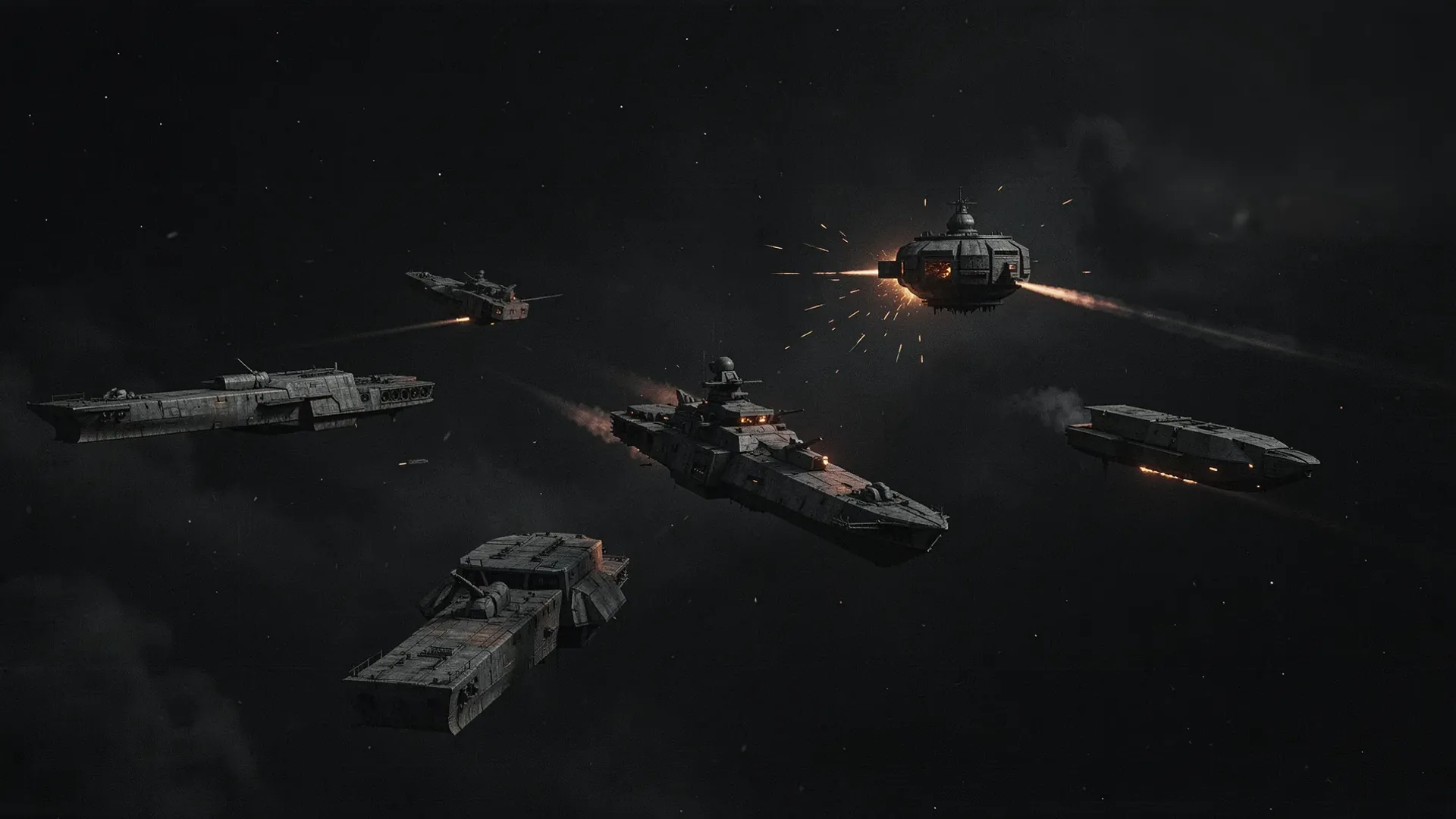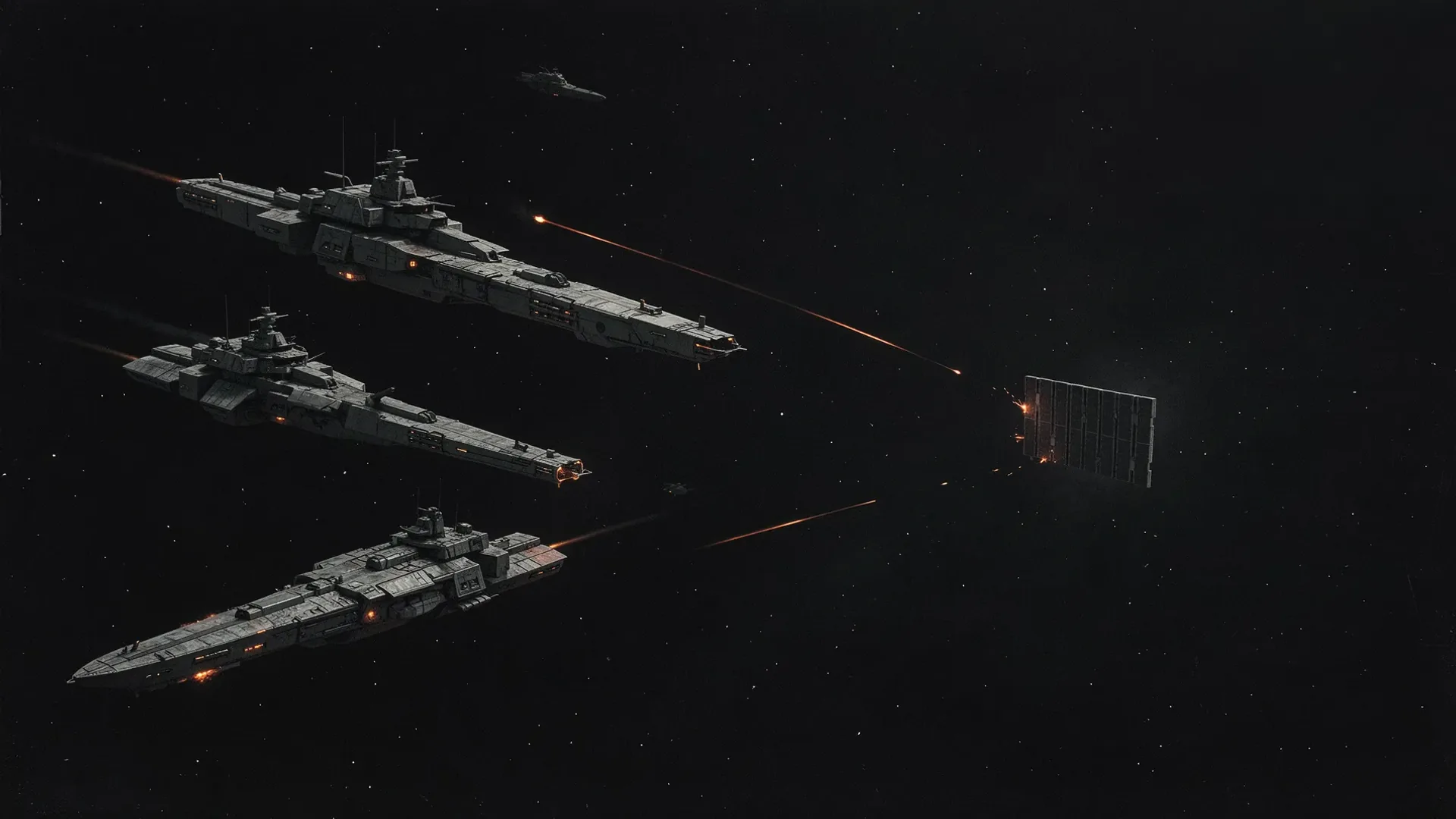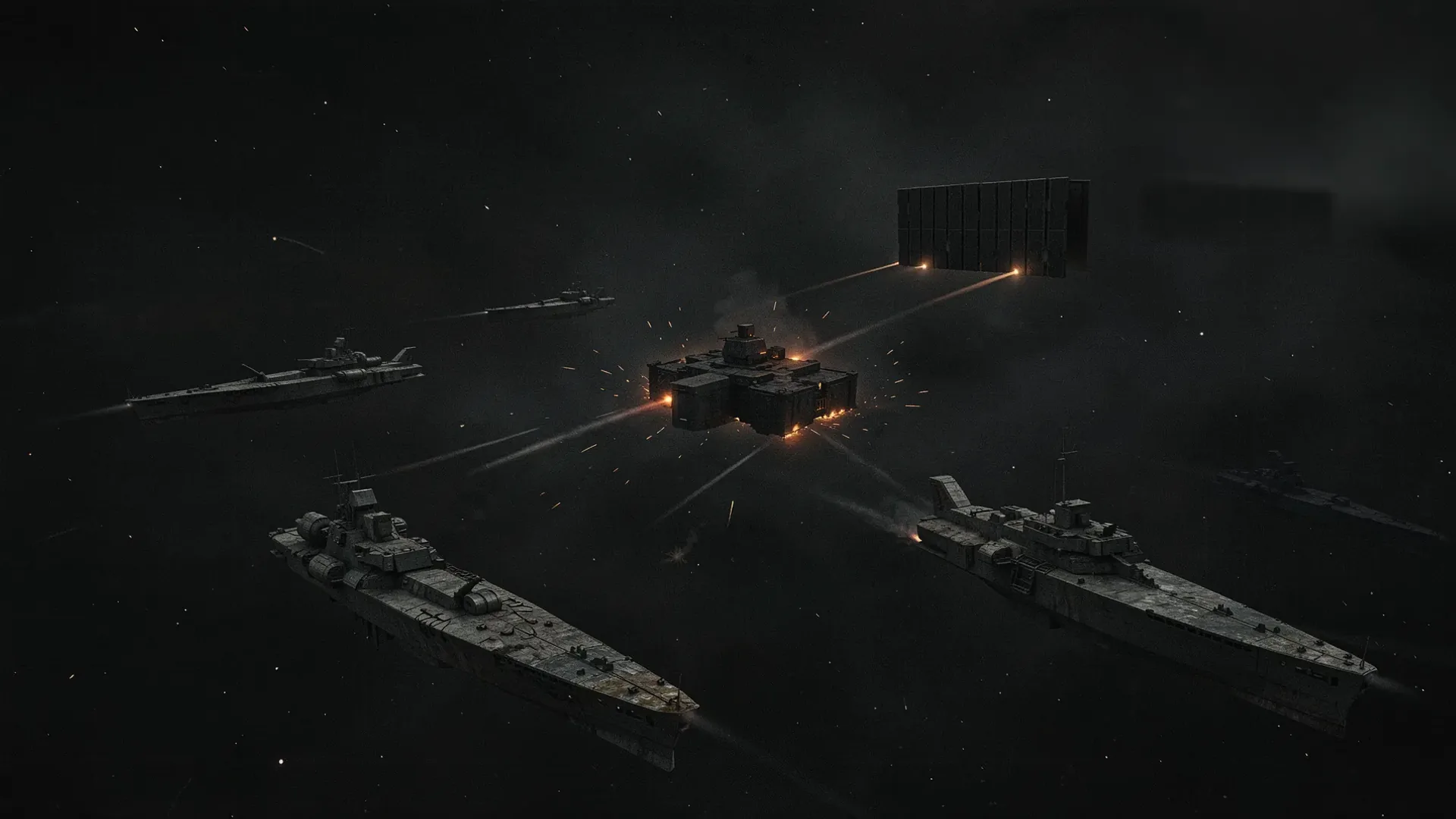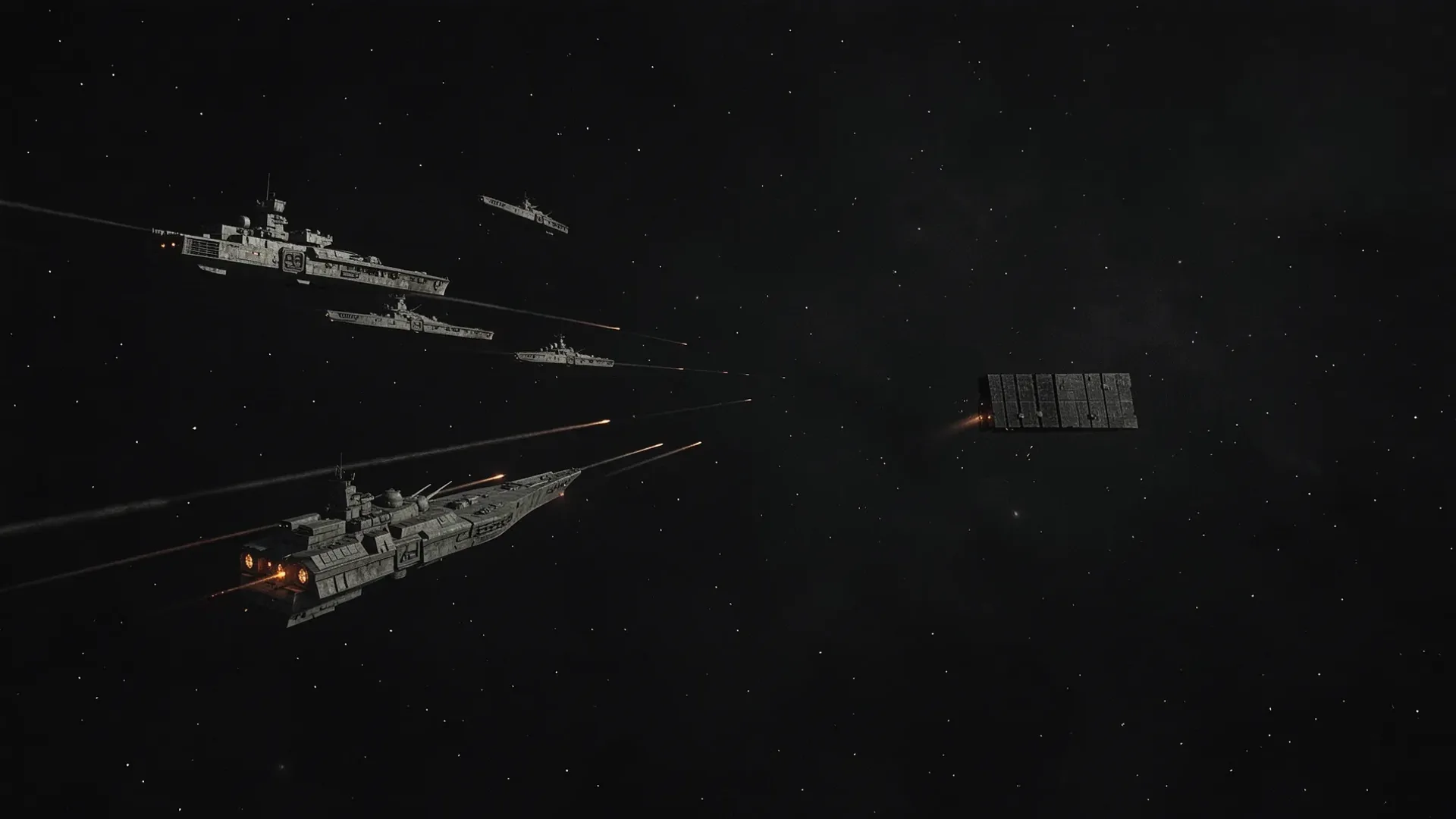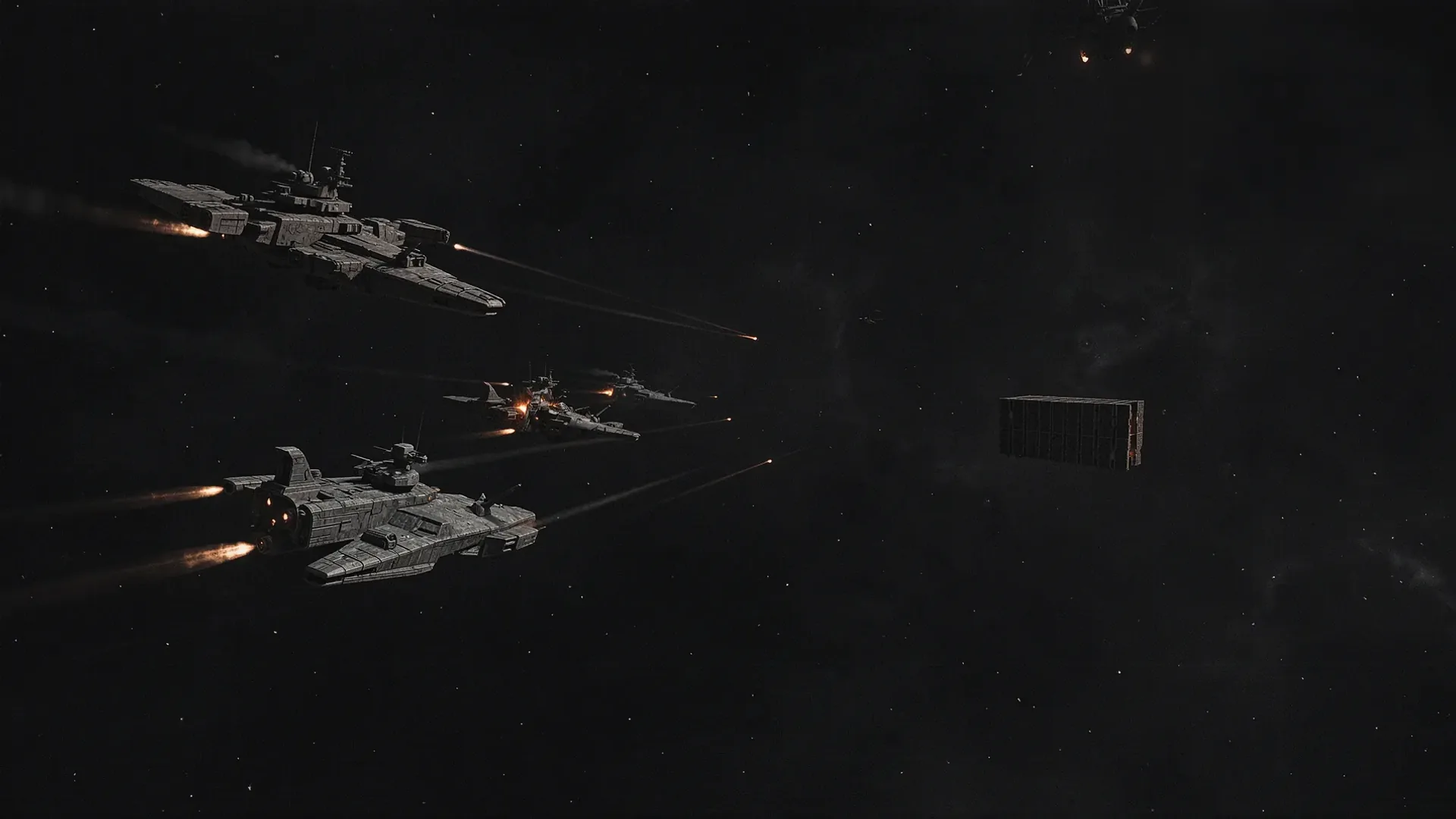
The quieter front gets wider
The watchlist did not simply grow - it contracted first. Earlier observations saw eight systems contested, then seven, six, five, and briefly three, before the tally rebounded to nine and then eleven. The three systems that never left the ledger - BVRQ-O, O31W-6, and SH6X-F - now share the board with eight newcomers, including 5-VFC6, A-YB15, BZ-BCK, FB5U-I, IUU3-L, J-OAH2, O5-YNW, and S-LHPJ. Each is listed as an ihub defense, a timer on infrastructure, not a sovereignty transfer. The front has widened without a single capture.
Three defenders, one critical tag
The campaign's intensity reads as critical, but the leading front under UA Fleets Holding is only high. The emergency is aggregate: seven systems sit under UA Fleets Holding's defensive campaign, three under Rowle Industries, and one under Deepwater Hooligans. UA Fleets Holding's leading front is nineteen hours old, while the overall campaign is forty-two hours old. The front is not a single wall but a patchwork of timers across three defending organizations.
A score frozen at 40/60
Across nine observations spanning roughly 133 hours, attacker pressure has wavered between 37 and 40, never rising above the 40-percent line. The defender score stayed between 60 and 63, including a brief 62, with small drifts that reset. The timers multiply, but the arithmetic does not. That is not momentum; it is a grinding stalemate in which the attacker applies enough pressure to keep infrastructure hubs flashing but not enough to shift the underlying contest score.
The difference between contest and conquest
The campaign's own record underscores the distinction. The recent sovereignty changes list is empty, systems lost and gained are both zero, and every named system is an ihub defense - a timer, not a transfer. This is a normal and complete campaign state: pressure, endurance, and spread without a breakthrough. Reporting the contest on its own terms means resisting the temptation to treat a wider front as an inevitable conquest. The evidence supports no such narrative.
The ghost in the timers
Notably, the supplied evidence names no attacking organization. Campaign-area data often identifies only the defender, and here the attacker is a ghost in the timers - a source of pressure without a verified name. The absence matters: it prevents any claim about who is pushing the front or why. The only verifiable actors are the defenders, led by UA Fleets Holding, with Rowle Industries and Deepwater Hooligans holding smaller sections. As the front widens, the anonymity of the attacker becomes part of the story.
Unresolved pressure
The Kalevala Expanse contest now sits at a critical tag with eleven systems under timers and no resolution in sight. That is not a prediction; it is the state of play verified by the campaign data. The geography of trouble is expanding, the score is not, and the three defending organizations named in the record are holding the line across a front that keeps adding names. For now, the only clear fact is that the argument over these ihubs is getting longer, not easier.