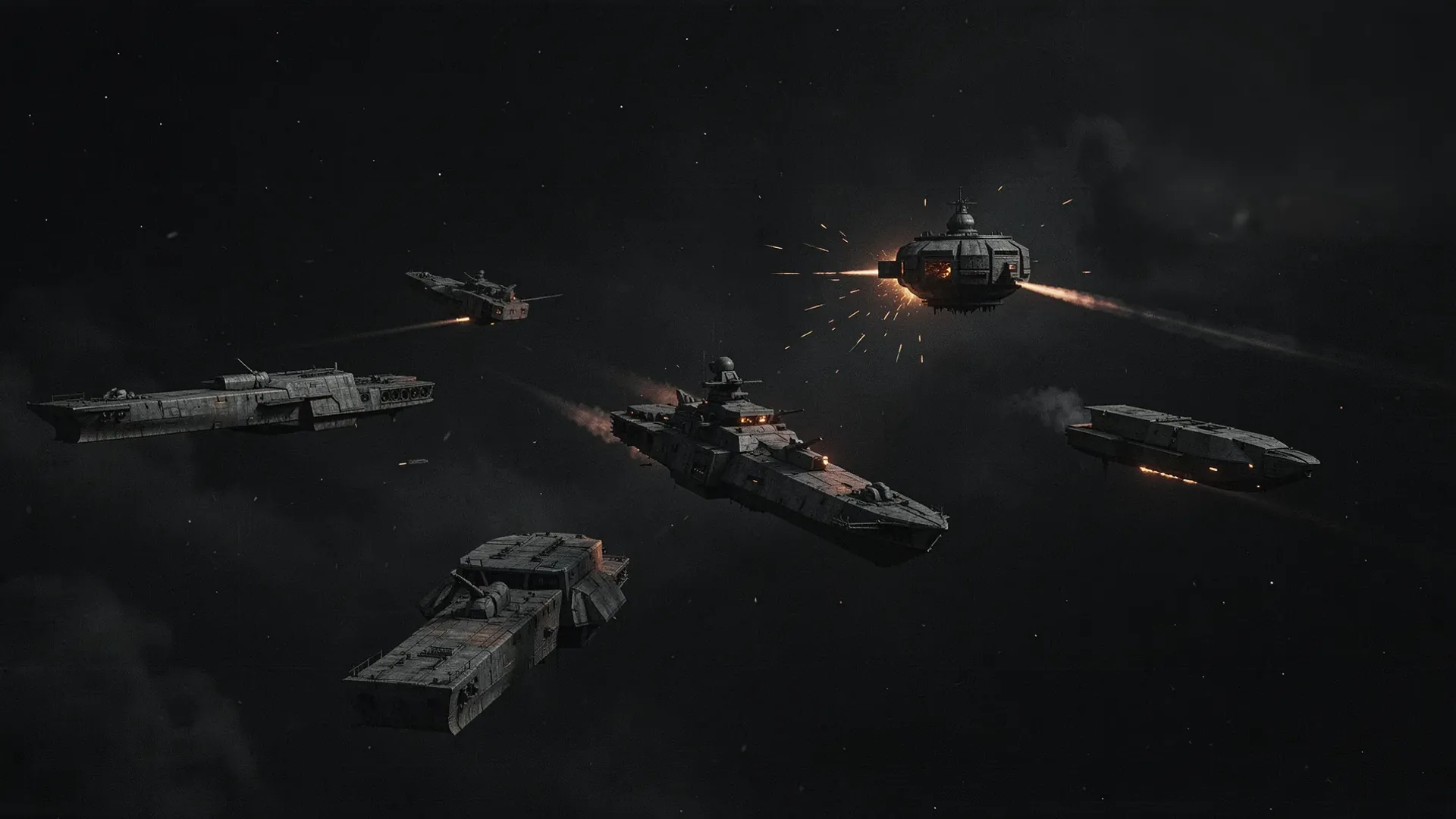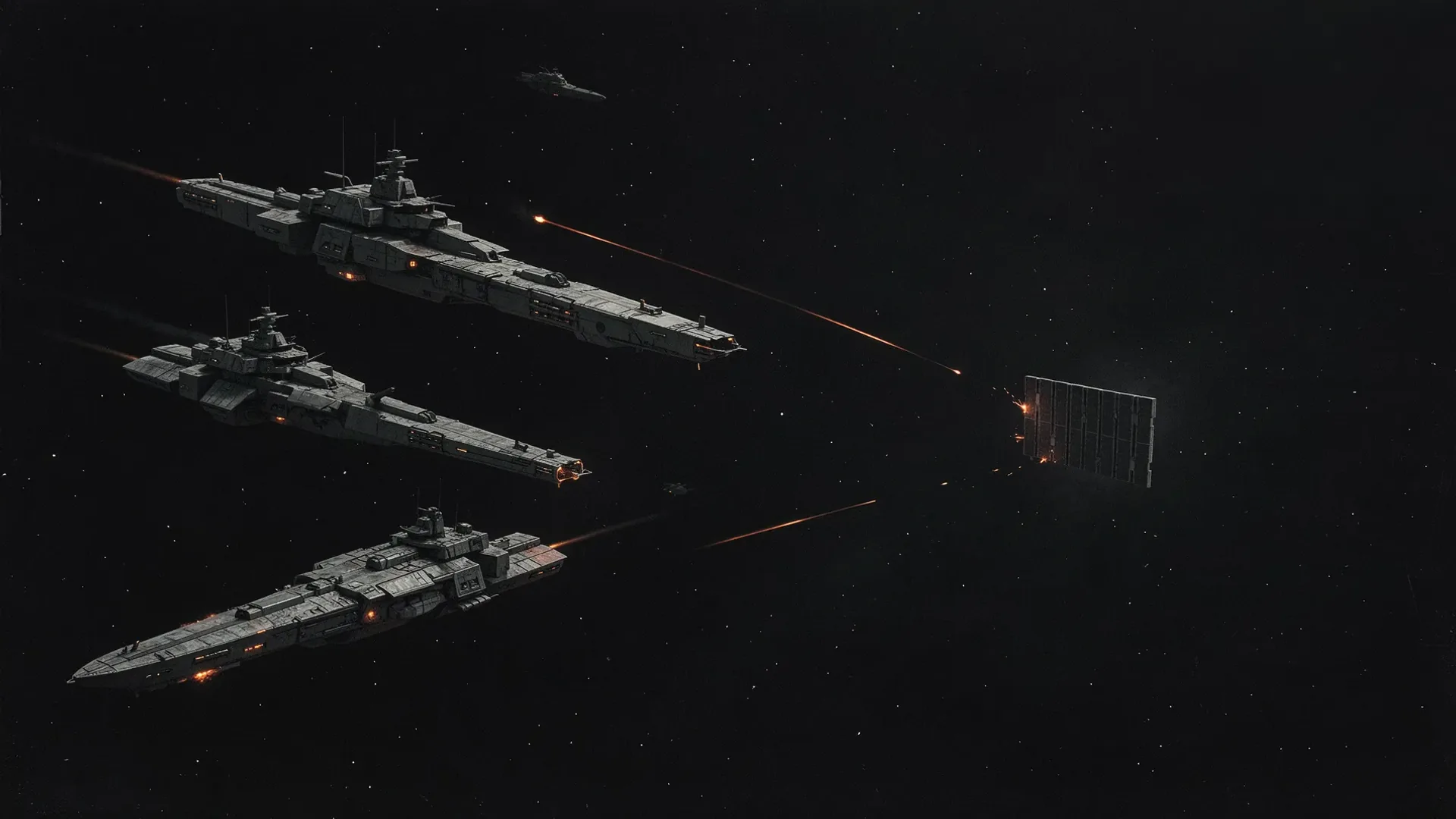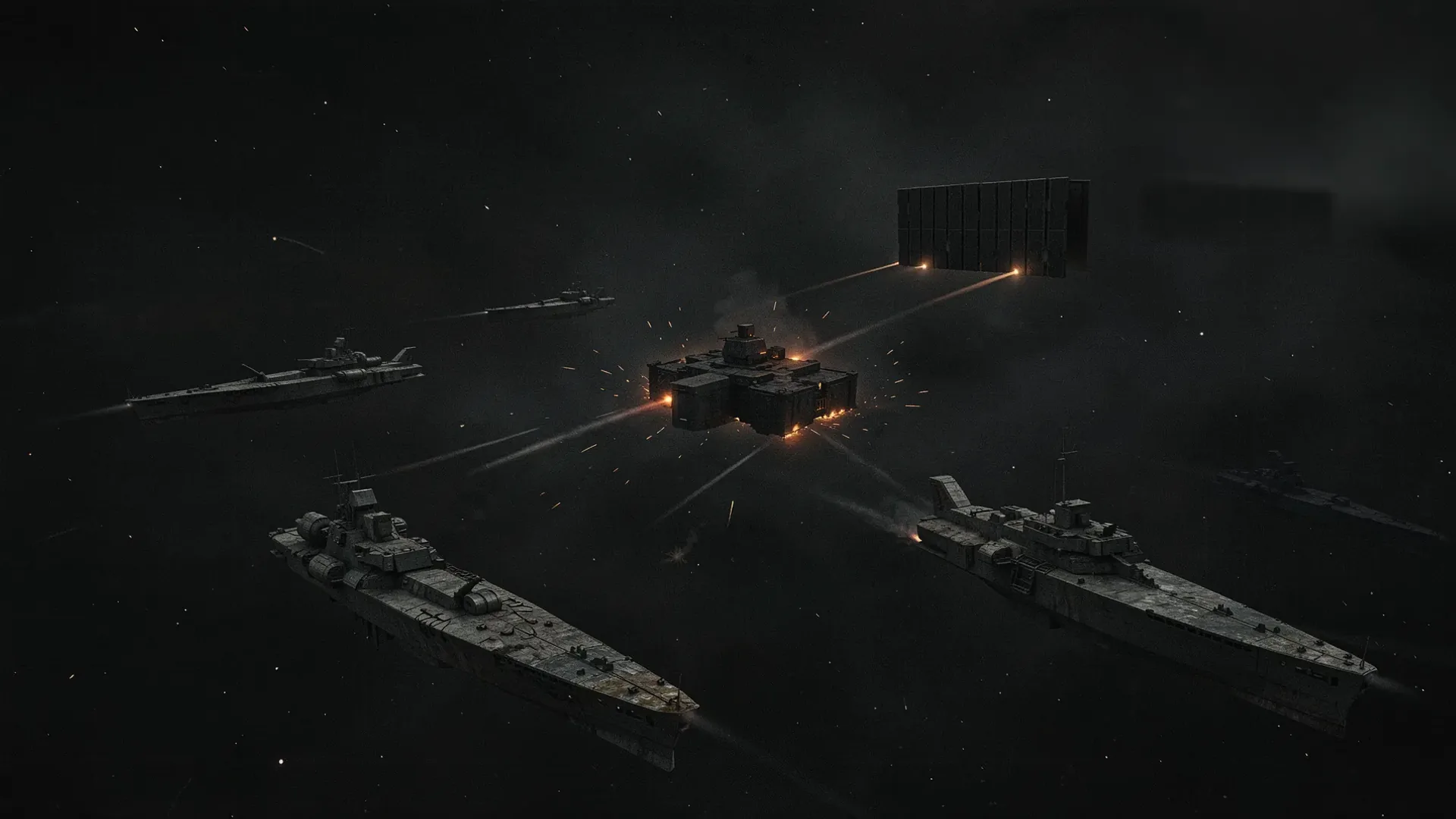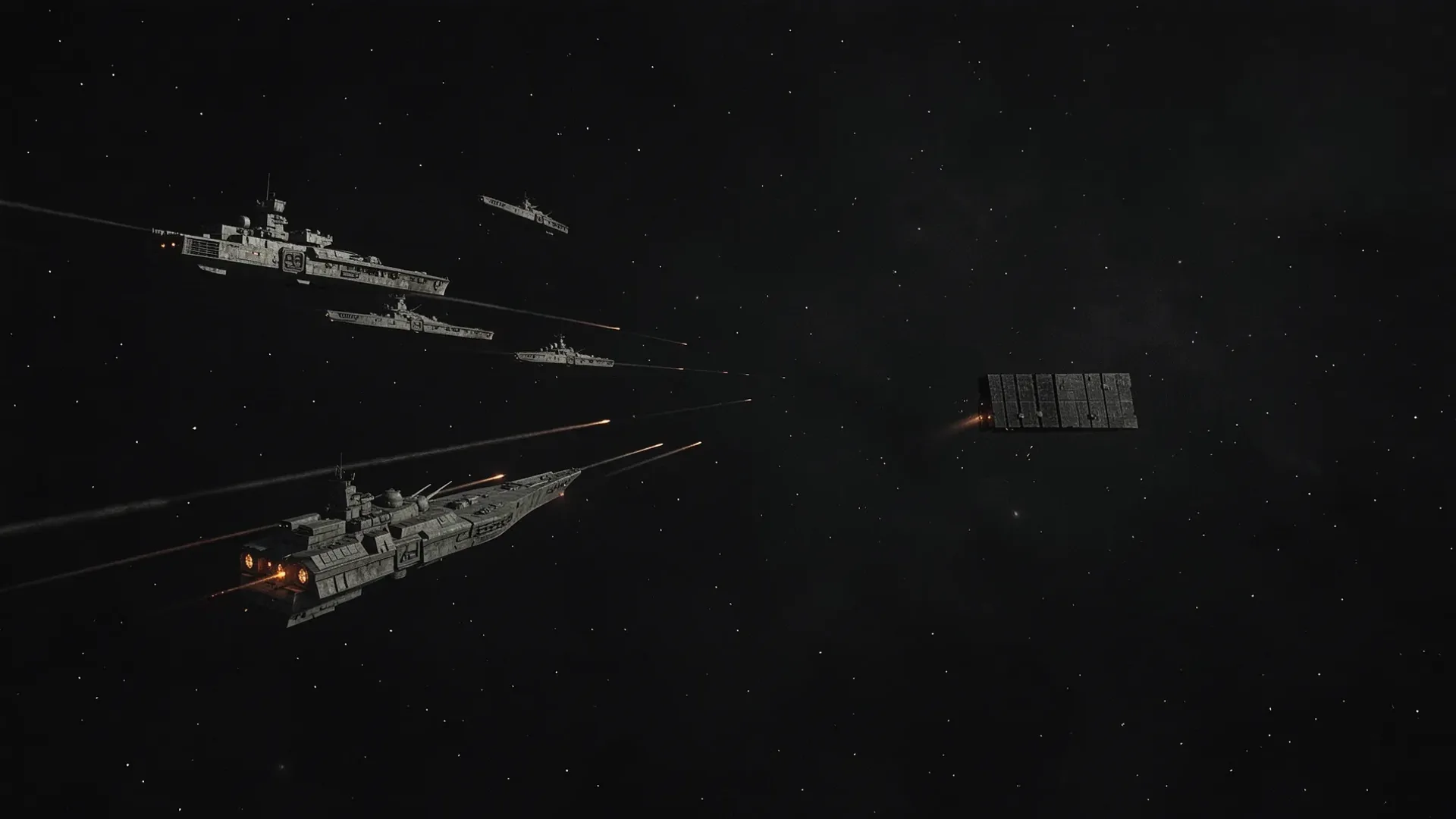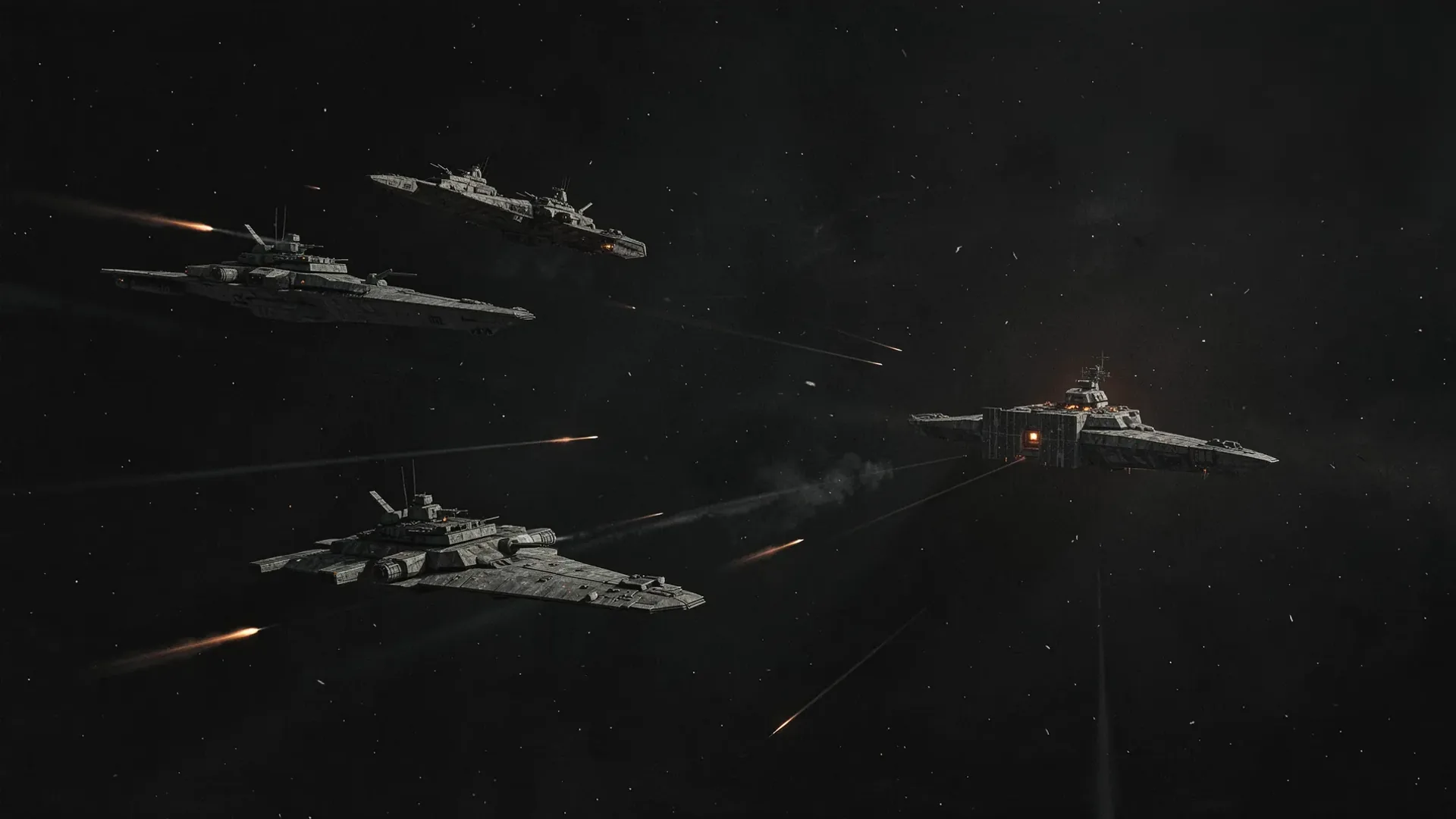
From Two Systems to a Swelling Perimeter
When the first observation landed, only 1S-SU1 and UDVW-O were under contention. Within eighteen hours the front had tripled to six systems, and by the next day it had ballooned to thirteen before cooling to its current nine. The contested footprint expanded and contracted repeatedly over the tracking window, rising as high as thirteen systems before settling at nine.
The Scoreboard That Refuses to Budge
Despite all that movement on the map, the attacker's overall score has hovered between 35 and 40 out of 100 for the entire 126-hour tracking window. The defenders have held a comfortable 60-65. That is not a close fight; it is a grinding stalemate where the attackers are expending effort to widen the front but failing to translate that spread into actual pressure. The average attacker score across all fronts sits at 37 - a number that suggests the invasion is being conducted with more enthusiasm than effectiveness.
Five Defending Groups, One Shared Headache
The defending coalition is a patchwork of five defending groups, each holding a slice of the contested border. Suddenly An Unpaid Alliance Bill leads with three systems and its front carries offensive momentum, while PUT THE FRIES IN THE BAG and The Skeleton Crew each manage two systems with moderate intensity. Deepwater Hooligans and Wreckflix and chill hold single systems with low intensity, their fronts newer and quieter. The variety of defenders and their different momentum states suggest the attackers are not facing a unified wall but a series of stubborn neighborhood watch groups, each defending their own corner.
The Named Systems: A Geography of Pressure
The union of contested systems now includes 1-KCSA, 1S-SU1, A-YB15, BM-VYZ, L-TLFU, MN9P-A, Q-GICU, UDVW-O, and UJXC-B. 1S-SU1 and UDVW-O have been in the fight since the first observation, making them the longest-suffering targets. A-YB15, BM-VYZ, and UJXC-B joined early and have remained contested through most of the tracking period. Systems like L-TLFU, MN9P-A, and Q-GICU appeared later, adding to the sense of a front that is slowly creeping outward even as individual systems fall in and out of contention. Notably, some systems from the peak - such as JT2I-7, EPCD-D, TA9T-P, and RAI-0E - no longer appear among the currently contested systems. Either way, no sovereignty has changed hands; every listed system is still an ihub defense event, not a capture.
The Art of Holding a Map
In New Eden, coloring a map is easy; holding it is where the real work begins. The defenders here are not winning glorious victories - they are simply not losing. The attacker's score stagnation tells a story of repeated attempts that fail to gain traction, while the defenders' ability to keep the score at 60+ across all fronts speaks to a quiet competence. The leading front's offensive momentum under Suddenly An Unpaid Alliance Bill adds a wrinkle: even as the overall campaign is defensive, one defender is pushing back hard enough to be classified as on the attack. That asymmetry - defenders on the offensive within a defensive campaign - captures the messy, localized nature of sovereignty warfare in The Kalevala Expanse.
A Stalemate Is Still a Story
No sovereignty has been lost or gained here. The attacker pressure has barely moved, and the defender advantage remains steady. But that is not an absence of news; it is a story of endurance on both sides. The attackers keep probing, the defenders keep holding, and the map keeps shifting without the scoreboard changing. Nine systems are now in play, a reminder that in the slow burn of an ihub siege, the most important number is not the score but the number of places where the fight refuses to end.