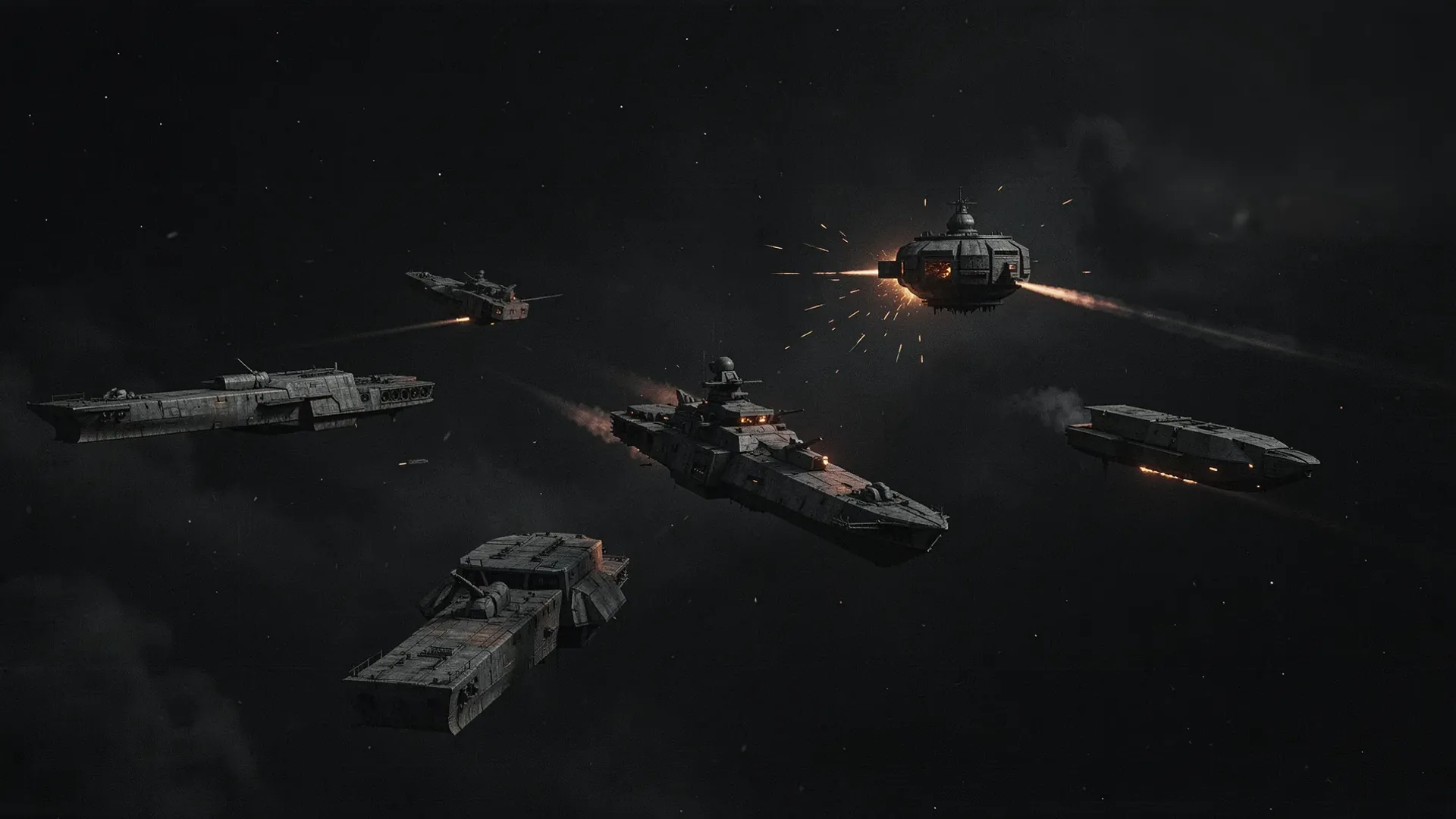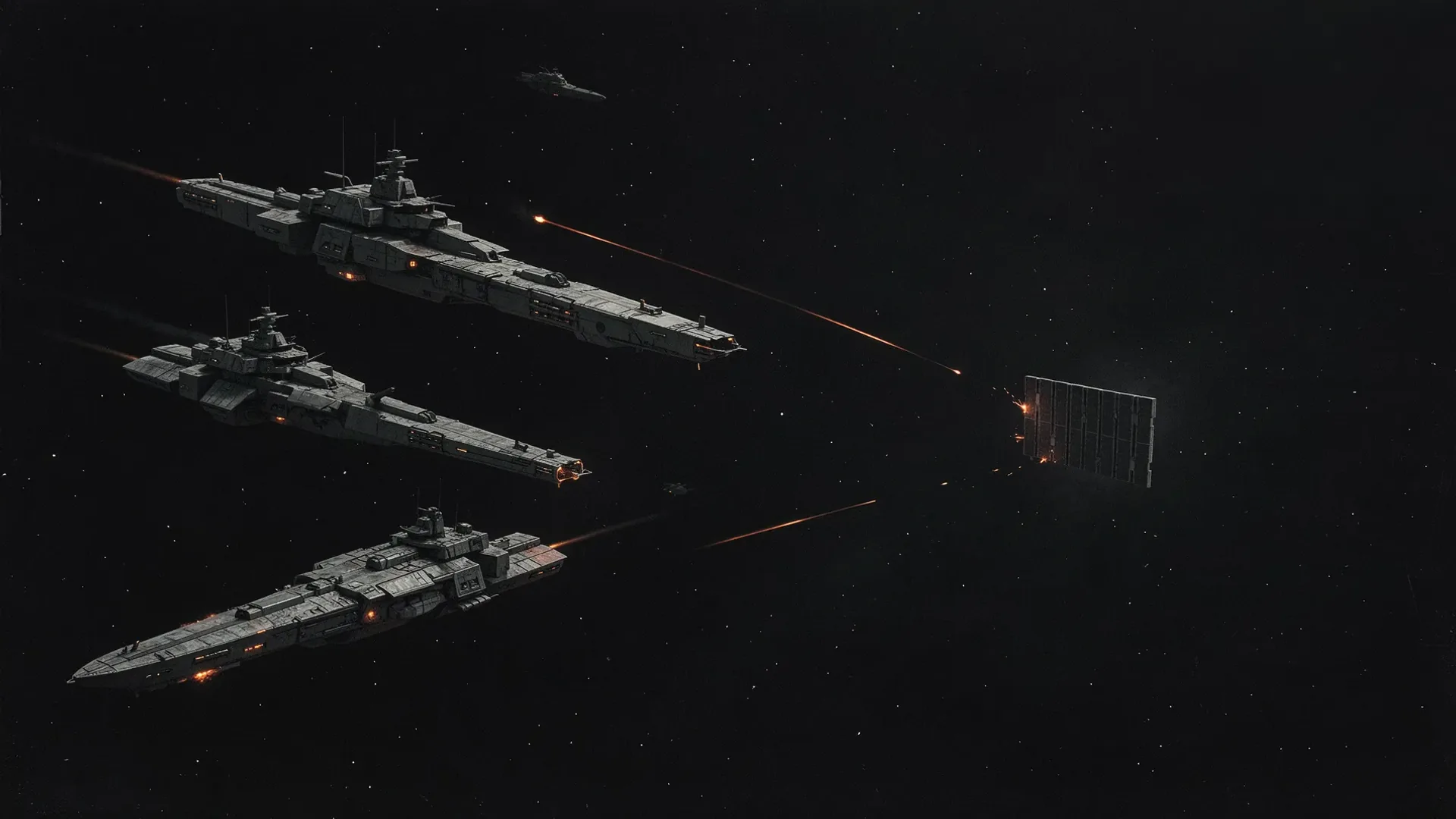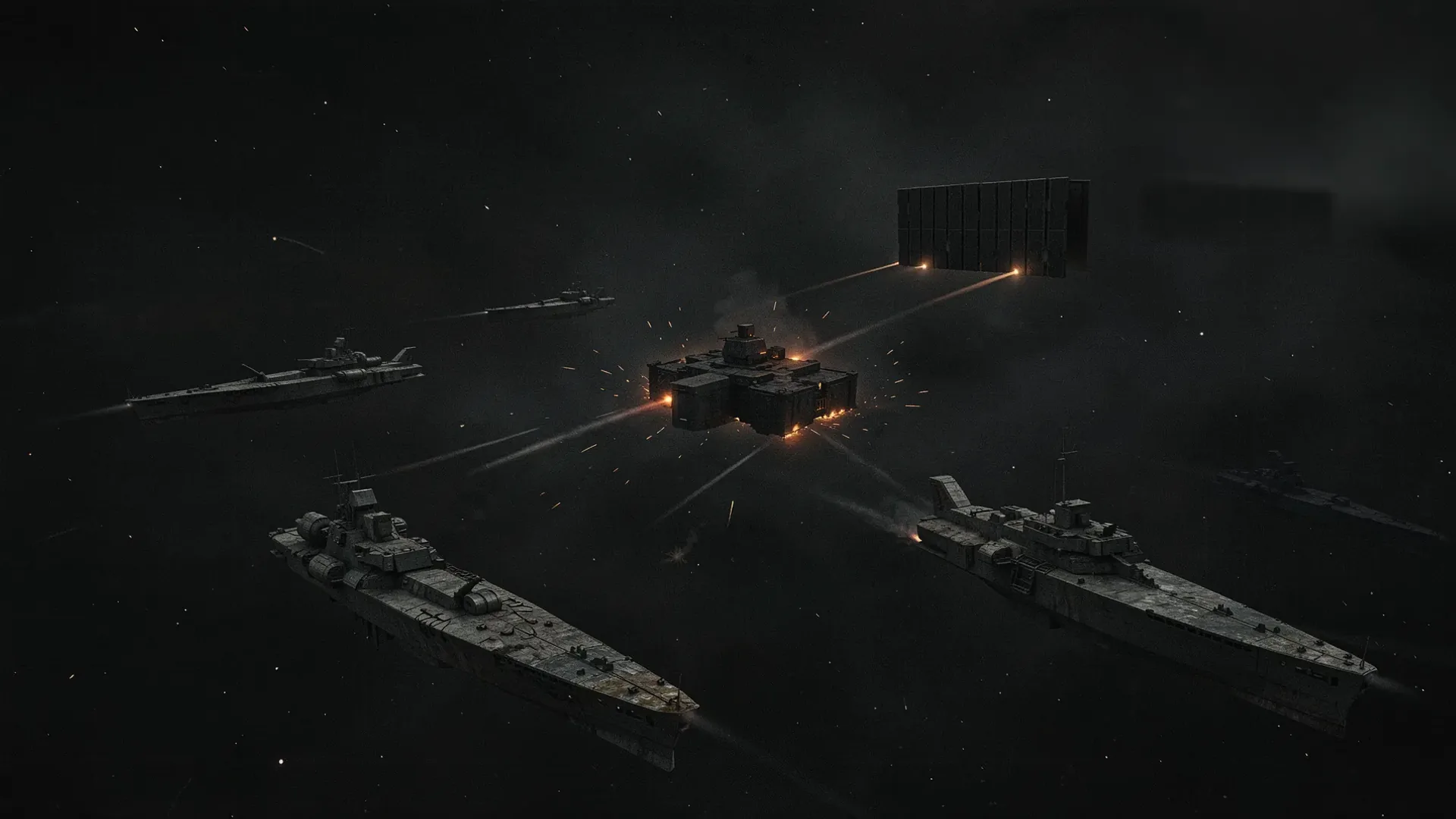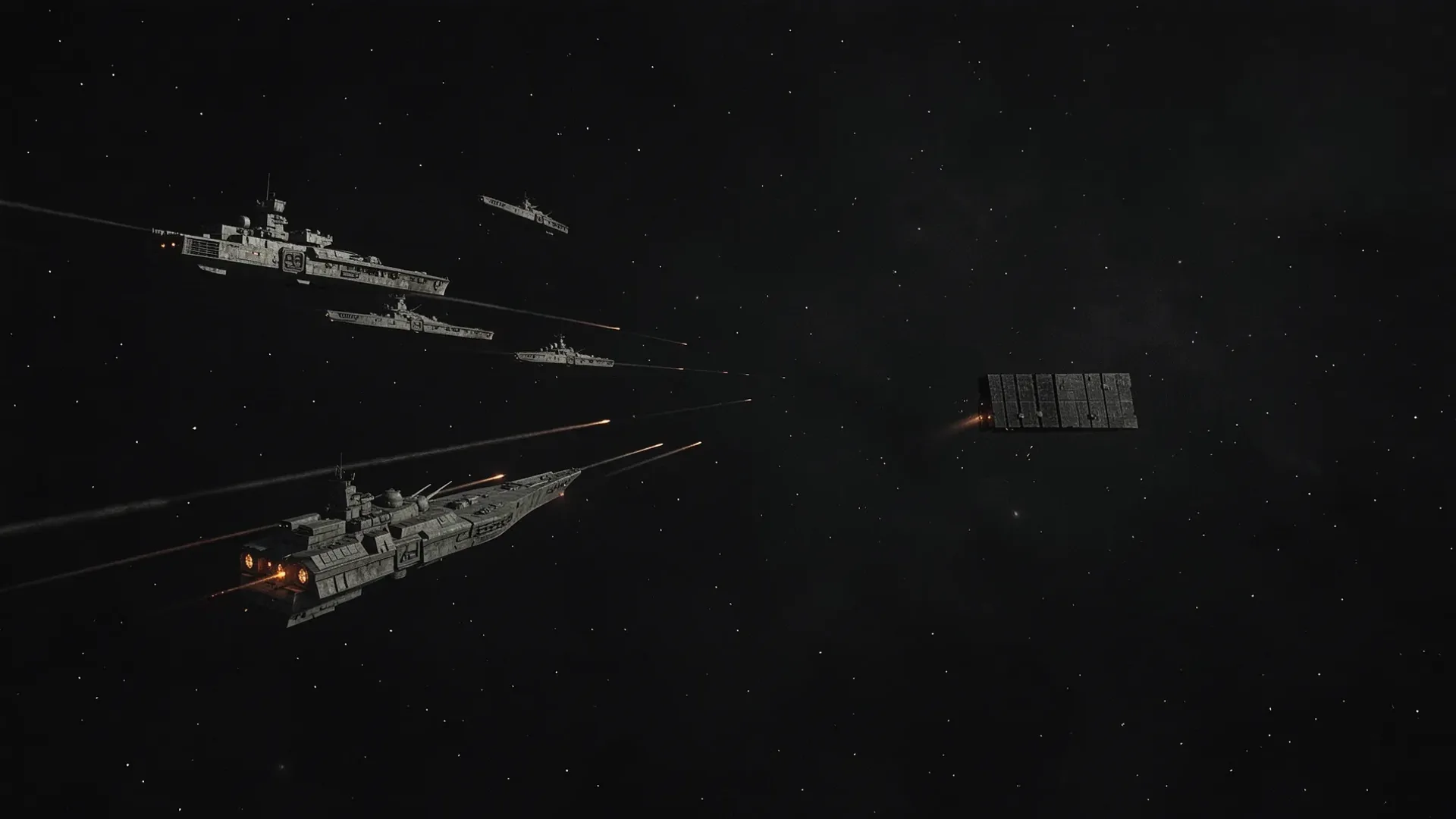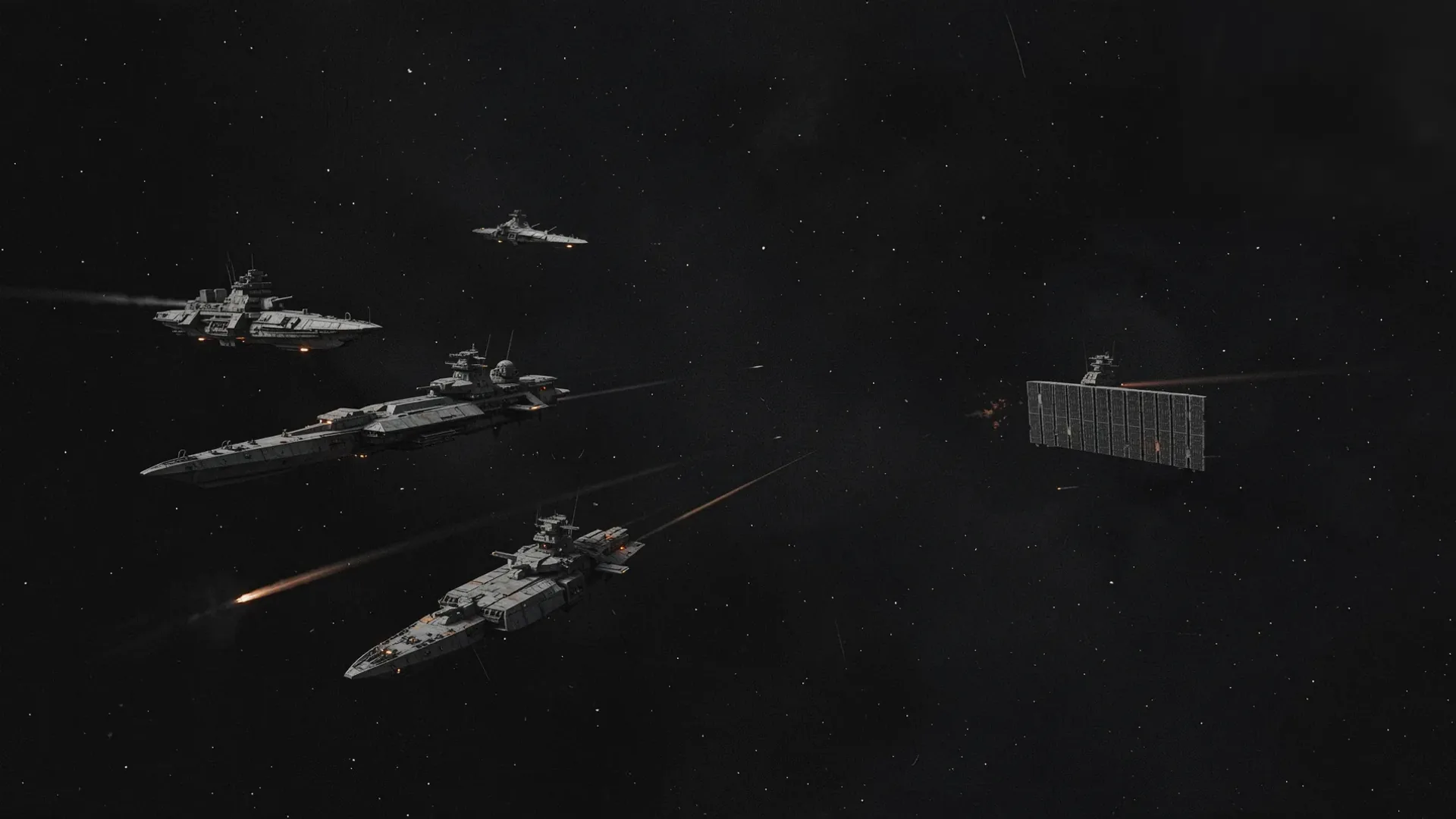
From One System to Six: A Front That Breathes
Observations over roughly 151 hours show the contested footprint expanding from 1S-SU1 alone on October 21 to the current six systems: 1-KCSA, 1S-SU1, A-YB15, JT2I-7, UDVW-O, and UJXC-B. But the path was not linear: on October 23 only UDVW-O was contested, but by October 26 the footprint had grown to ten systems - the eight outer systems 0S1-GI, BM-VYZ, EPCD-D, F48K-D, L-TLFU, M3-H2Y, MN9P-A, and TA9T-P, together with 1S-SU1 and UDVW-O - before falling back to the current six the next day. UDVW-O is the most persistent current system, with 1S-SU1 also among the longest-standing; both remain in the latest six. Several systems outside the current six appeared in consecutive observations before dropping out, while the four remaining current systems appear only in the latest observation. The contested footprint has shifted among different systems over the period.
Three Defenders, Three Different Clocks
The defensive coalition is not a single bloc. PUT THE FRIES IN THE BAG holds the oldest front, a two-system constellation campaign that has been active for the full 151-hour window and currently covers part of the contested zone with moderate intensity. The Skeleton Crew’s three-system front is 79 hours old, also moderate. Deepwater Hooligans’ involvement is newest: a single-system defensive campaign just one hour old, with low intensity. Despite these staggered start times, every front shows the same momentum - defensive - and the same 40/60 score split. The picture is of three separate defensive efforts absorbing pressure in parallel, none yet forced to concede ground.
The Unmoving Score: A Stalemate in Numbers
Across all six observations, the attacker score has not drifted: 40 out of 100. The defender score has remained 60. There is no score drift, no sovereignty loss, and no recent sovereignty changes. The trend summary calls it a "grinding stalemate rather than a breakthrough." The mismatch between geography and score is the story’s core tension: the map expands and contracts, reaching as many as ten systems before contracting to six, but the strategic balance never tilts. Holding 60 points means the defenders are winning the endurance contest, but the attackers are forcing them to spread their attention across an ever-shifting set of infrastructure hubs.
Ihub Defense: The Daily Grind in Kalevala
Every active campaign in the region is an ihub defense - attackers are contesting infrastructure hubs, defenders are protecting them. The current six systems are where that contest is concentrated. Every current campaign is an ihub defense, no sovereignty has changed hands, and no notable hulls are listed for the tracked systems. For capsuleers on the ground, this translates to daily timers, structure contests, and the constant need to rotate forces as new systems flash contested on the sov map. The campaign age of 151 hours means this has been going on for over six days, with no sign of either side committing to a decisive push.
Holding a Map Is Harder Than Colouring It
The Kalevala Expanse front is a reminder that sovereignty warfare in New Eden is often less about dramatic captures and more about the ability to stay organized while the map shifts under you. The attackers have not broken through, but they have forced the defenders to track and contest multiple systems at once. The observation history shows a front that breathes - expanding to nine or ten systems, then contracting to six - while the underlying score stays frozen. That is not a build-up to conquest; it is a demonstration of defensive resilience. The defenders are holding, but the contest itself is the news.