
THE PUSH
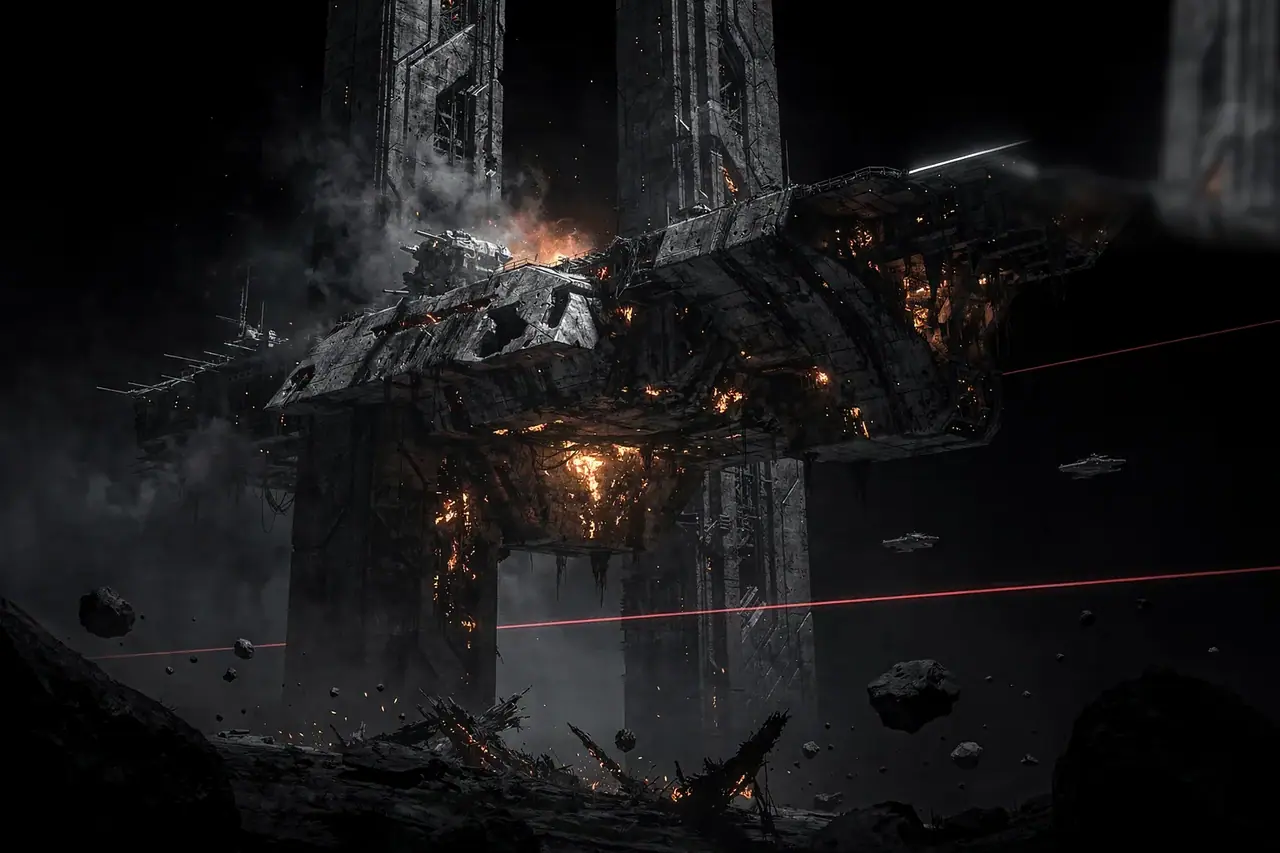
The most immediate story in Malpais is simple: pressure is spreading rather than concentrating. Three systems are active at once, which suggests the campaign is being carried on multiple fronts instead of through a single decisive strike. For Great Wildlands Conservation Society, that means defending not just one timer but the wider stability of their regional footprint.
THE STAND
The available numbers show a defender side averaging 60 against an attacker average of 40, with campaign averages described as steady. That does not remove the danger, but it does suggest the current balance has held so far. The defenders appear to be meeting the push with enough presence to keep the situation from tipping immediately, even as the region remains under clear strain.
THE BORDER
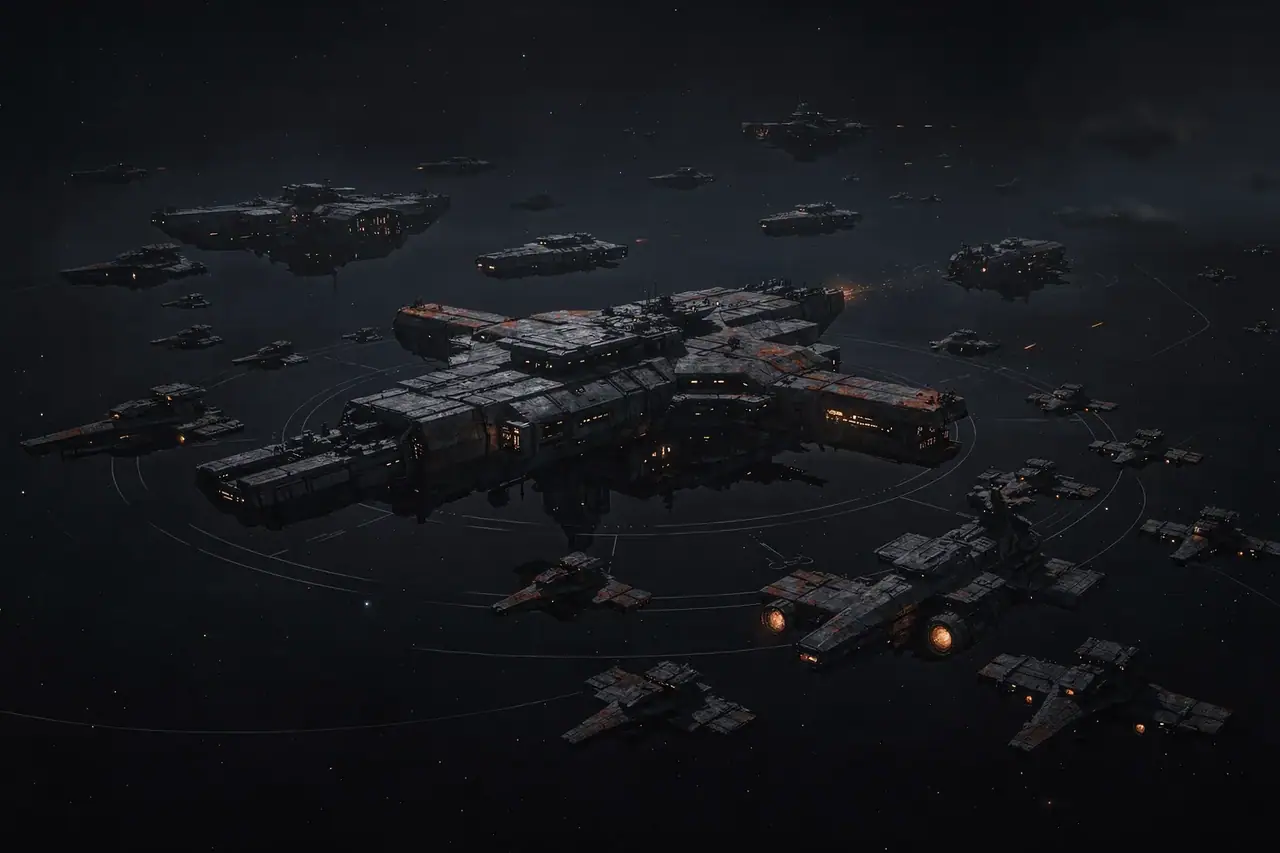
The systems named in this campaign — 7-2Z93, A0M-R8, and LY-WRW — give the fight real geographic weight. When multiple systems are added to the same strategic picture, the effect is bigger than a set of isolated contests: logistics, staging, and border confidence all come into view. Even without a removal of systems from the board, the fact that all three are active points to a campaign with room to expand or intensify.
THE NEXT FRONT
What happens next will likely depend on whether this multi-system pressure can be sustained. If the current pace continues, Malpais may be moving into a longer contest for regional control rather than a short-lived burst of activity. For now, Great Wildlands Conservation Society is holding a broad defensive line — but the campaign’s shape suggests the fight for Malpais is still opening rather than closing.