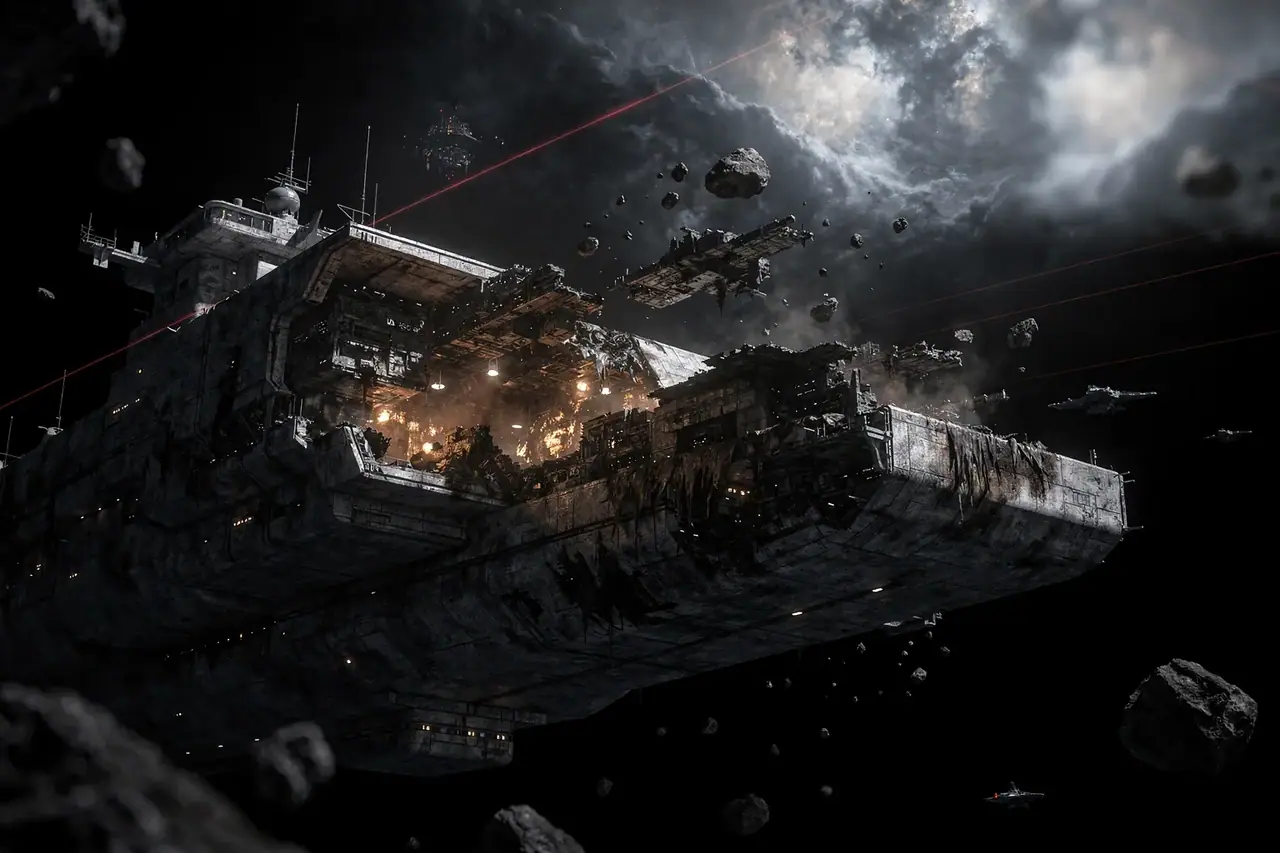
THE PUSH
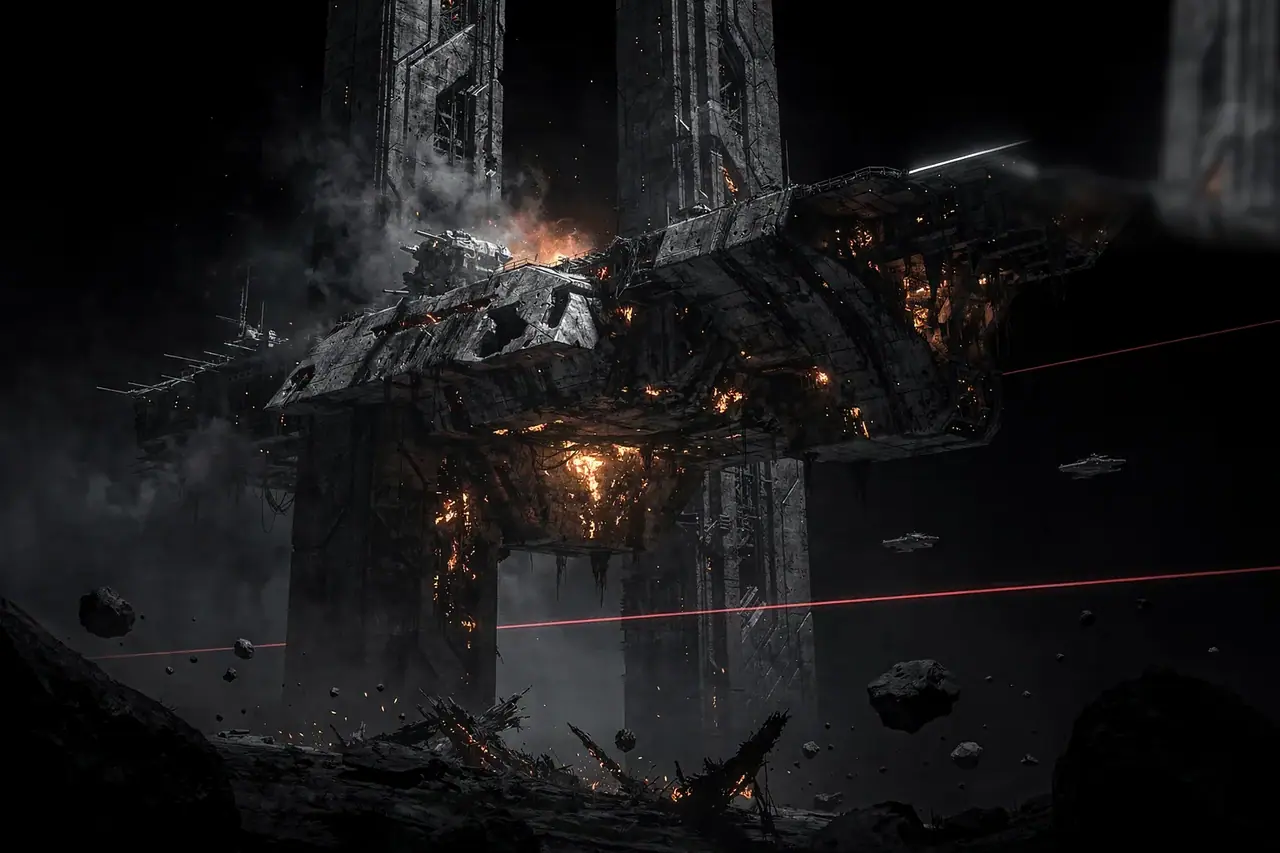
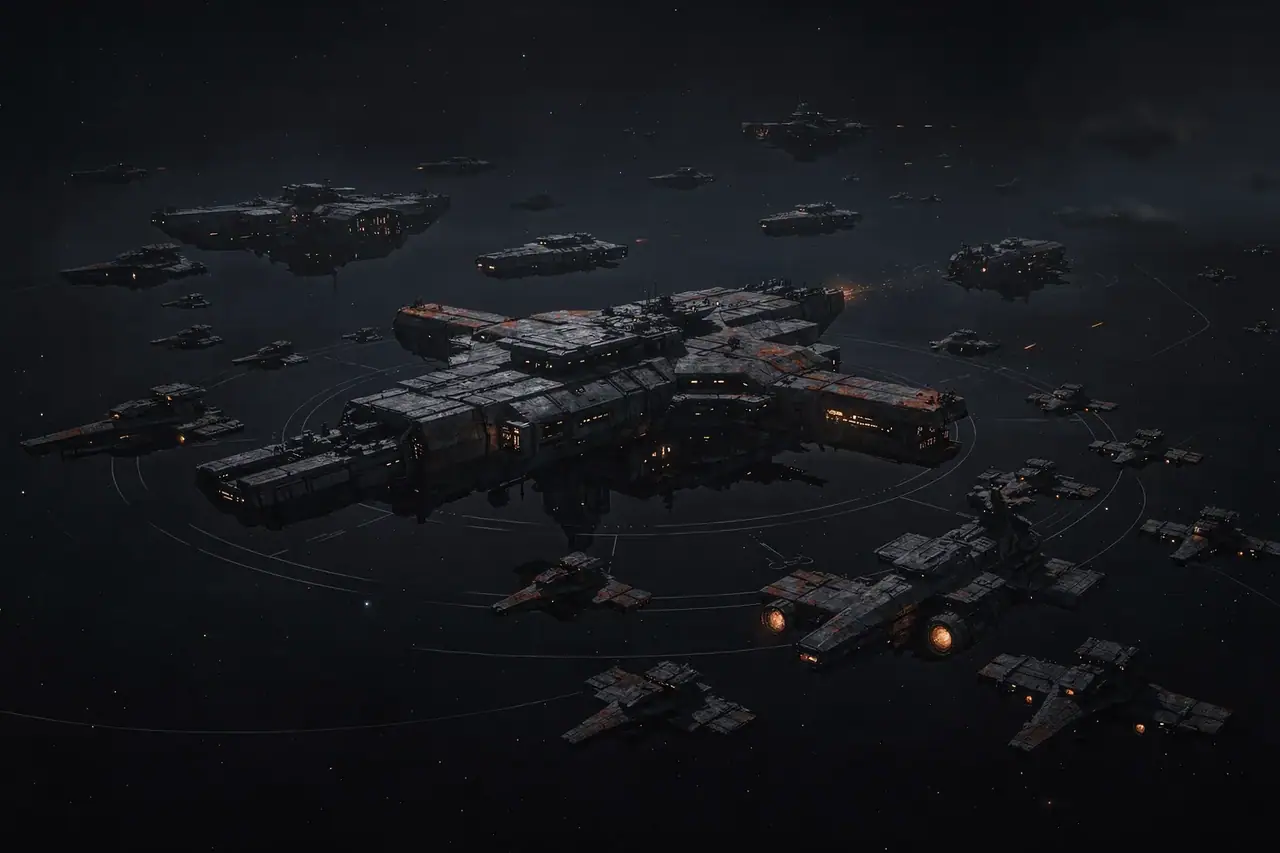
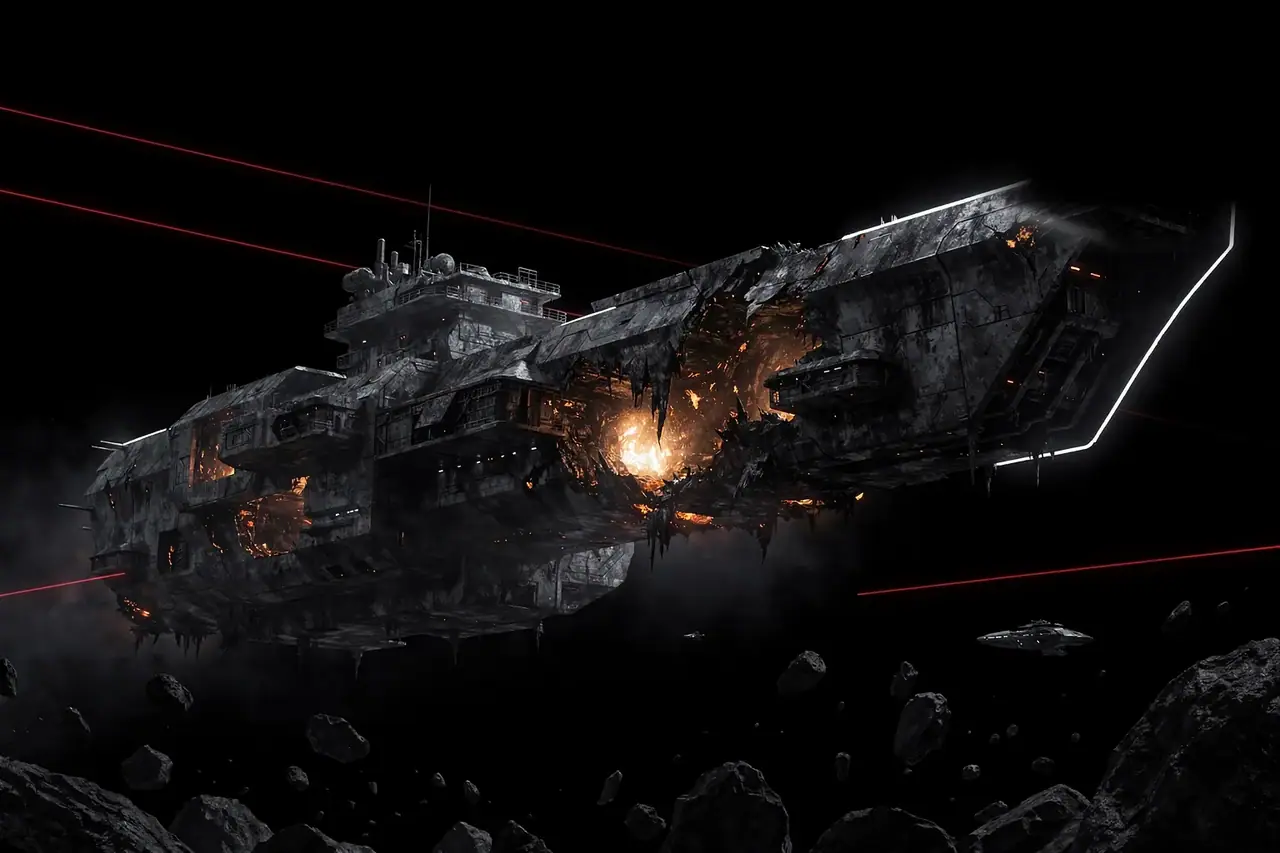
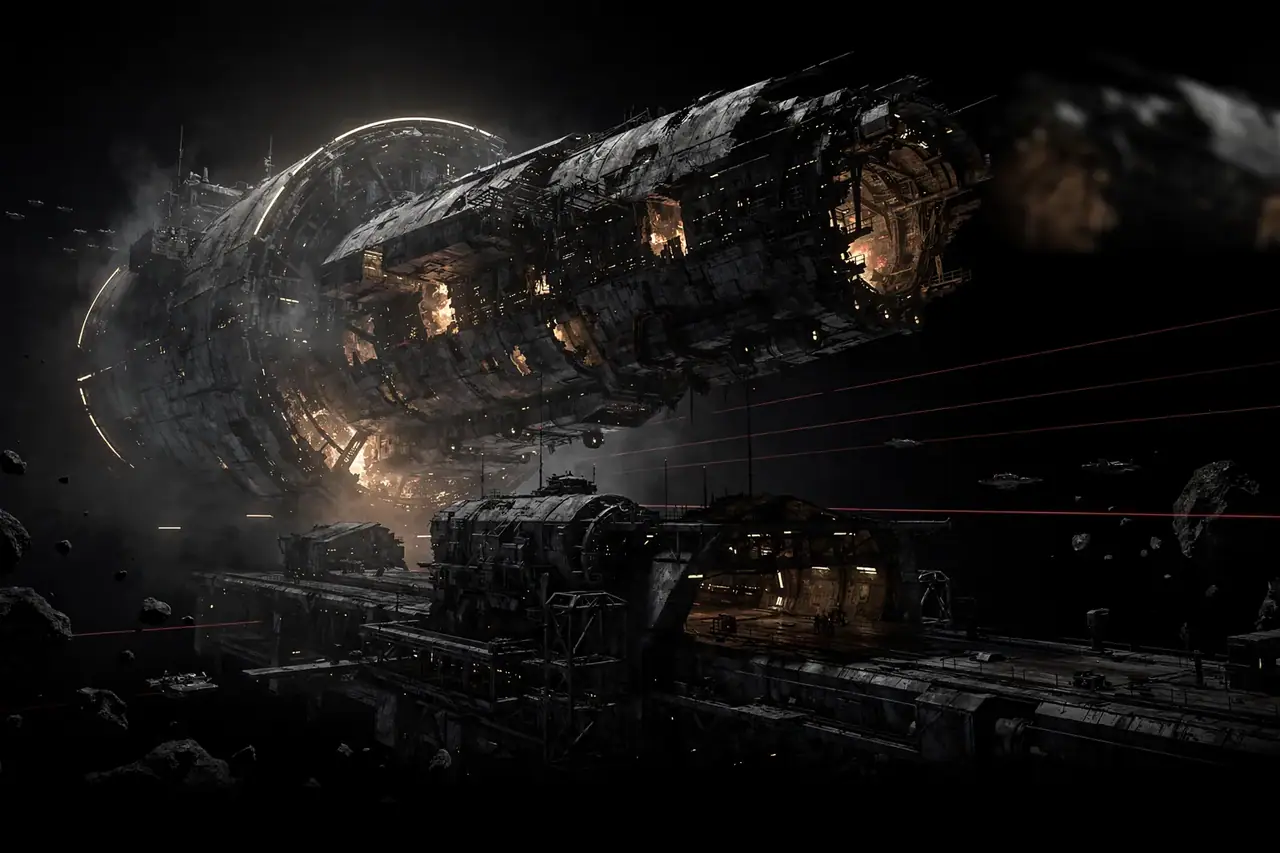
BorderZone is defending Perrigen Falls across three active fights at once, turning the campaign into a regional test of endurance rather than a single-system contest. With attackers averaging 40 against defenders averaging 60, the field remains weighted toward the side holding space, but the spread of activity across 6Q4-X6, B9N2-2, and U4-V3J suggests the pressure is not being contained to one pocket of space.
THE PRESSURE LINE
The clearest signal is that 6Q4-X6 has been added to the list of active systems, while no systems have been removed. That pattern suggests the campaign is widening or settling into a multi-system effort, which can strain defenders even when their numbers hold steady. For BorderZone, the challenge is not just meeting attacks, but managing where those attacks land and how quickly they can be answered.
THE HOLD
The current averages also matter. Defensive strength remains higher on paper, but the fact that campaign averages are described as steady points to a conflict that has not yet broken decisively in either direction. That steadiness can be its own danger: it implies a sustained contest where neither side is yet forcing a collapse, but the defenders must keep their formation intact across several fronts.
THE NEXT FRONT
With three systems in play and the campaign still active, Perrigen Falls appears to be entering a phase where momentum will matter as much as raw numbers. If the pressure continues to expand, BorderZone may be forced to spread itself thinner across the region; if the defence holds, the campaign could harden into a drawn-out border struggle. For now, the region remains unsettled, and the next move will decide whether this is a contained offensive or the opening of something larger.