THE TURN
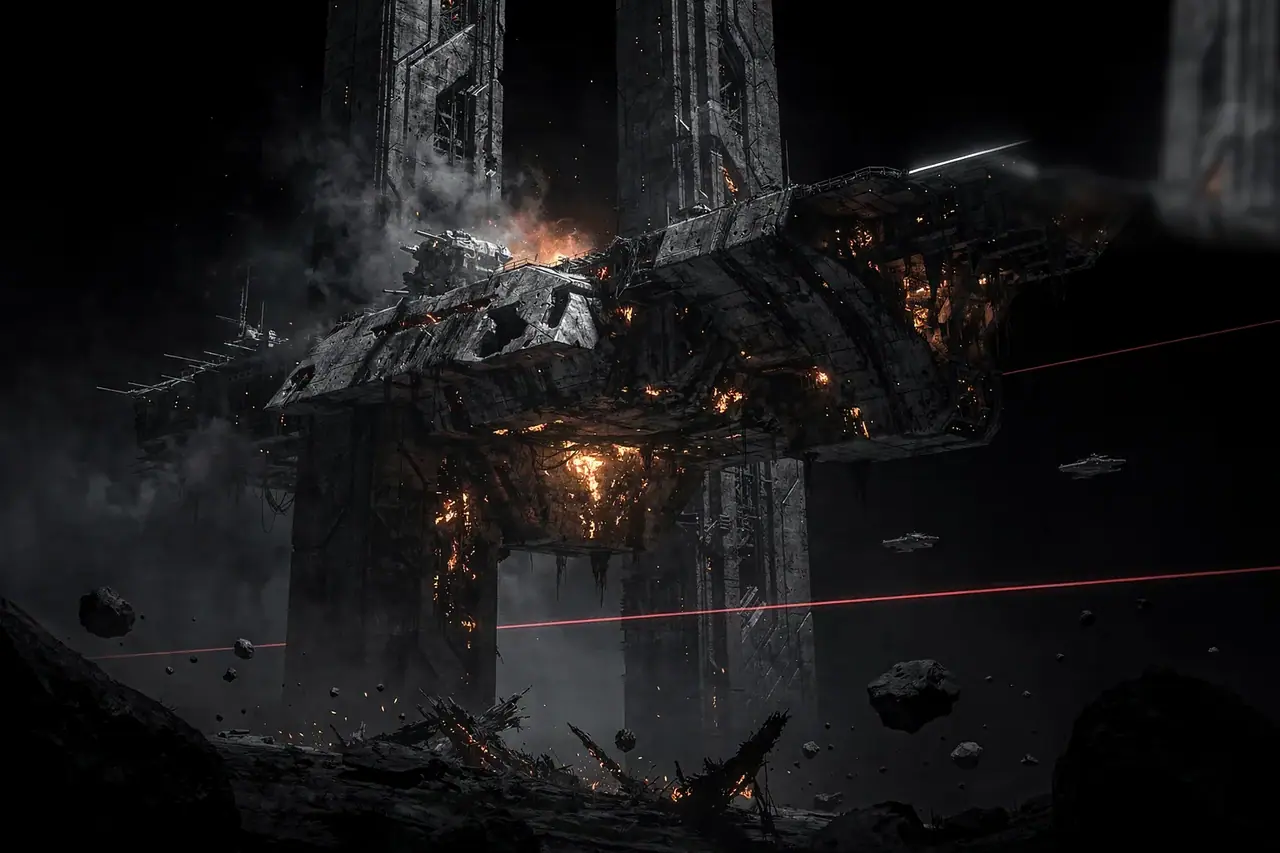
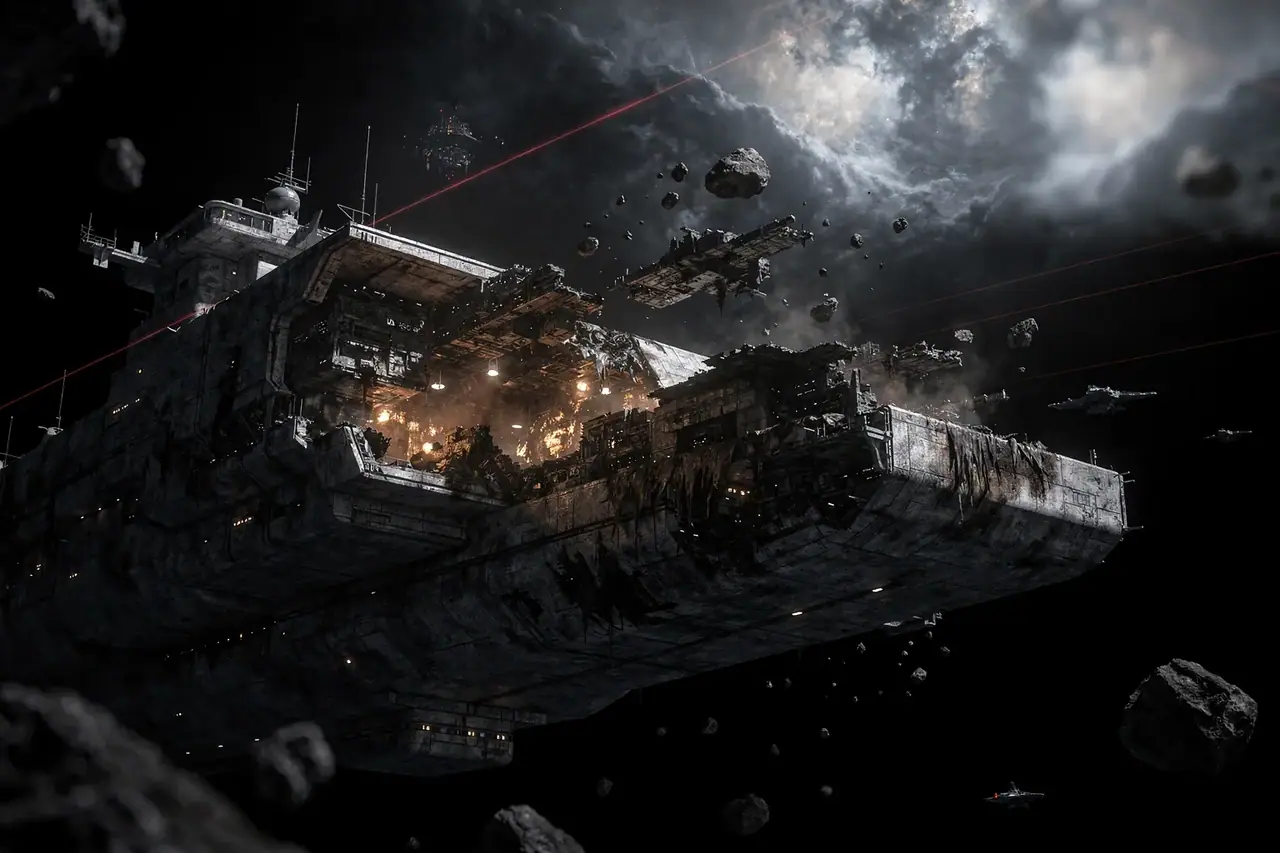
The clearest development in Perrigen Falls is the change in momentum. BorderZone is no longer simply absorbing pressure; the defenders are now regaining ground, suggesting the campaign is settling into a more contested rhythm rather than a one-sided push. For a front that has remained active for several days, that shift matters. It points to a defence that is holding long enough to recover initiative, even as the surrounding pressure persists.
THE BORDER
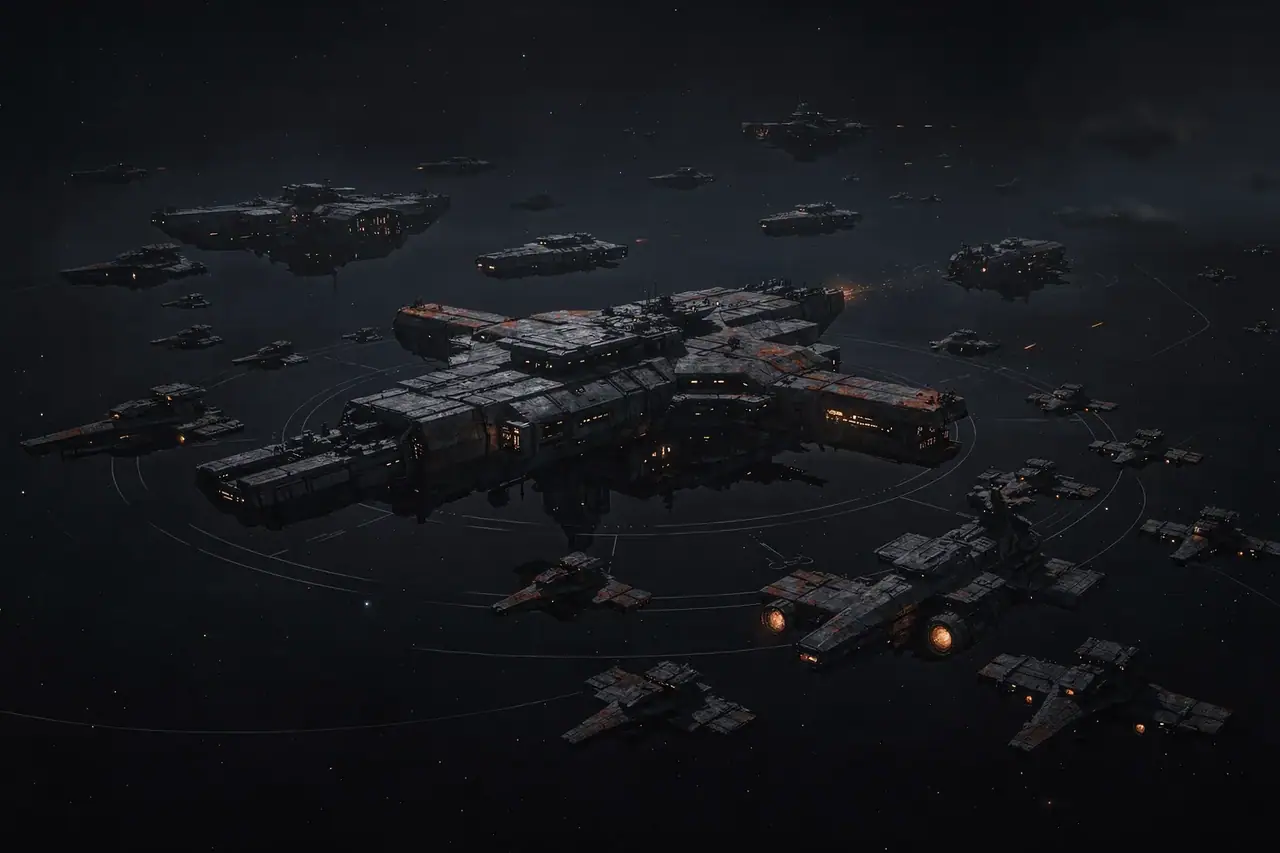
The fight remains localised, but it is not static. D-QJR9 has been added to the systems in play, while 6Q4-X6 has been removed, which may indicate the campaign is tightening in one area while opening in another. That kind of movement often marks a front that is searching for leverage rather than simply grinding forward. In practical terms, it keeps BorderZone under strain while also forcing attention onto a new system with strategic value inside the same regional contest.
THE HOLD
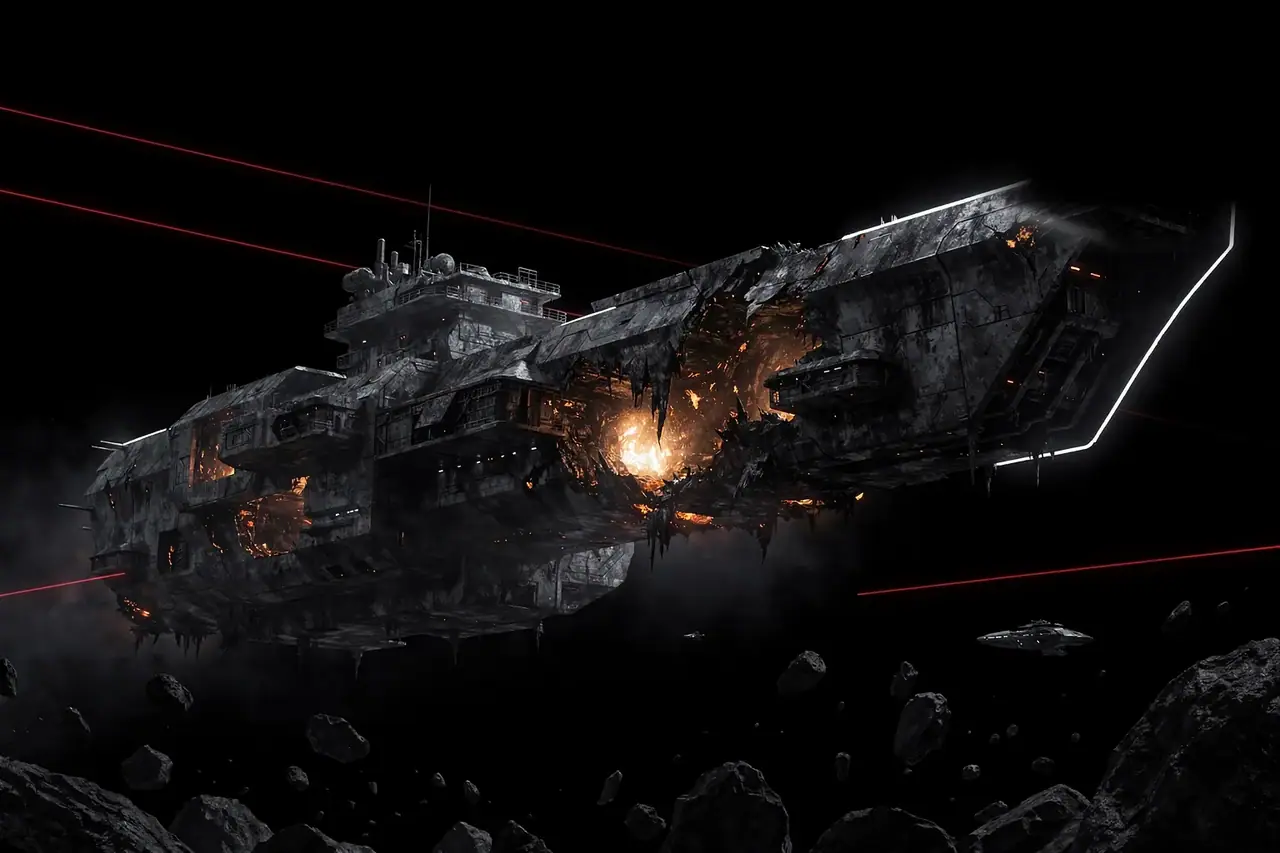
For BorderZone, the immediate significance is clear: the defence is still under pressure, but it is beginning to bite back. Regaining ground in a campaign of this age suggests the defenders have not only weathered the opening phase, but found enough room to contest space again. That can change how a regional campaign feels on the ground, especially when the pressure is concentrated rather than spread across the wider map.
THE NEXT FRONT
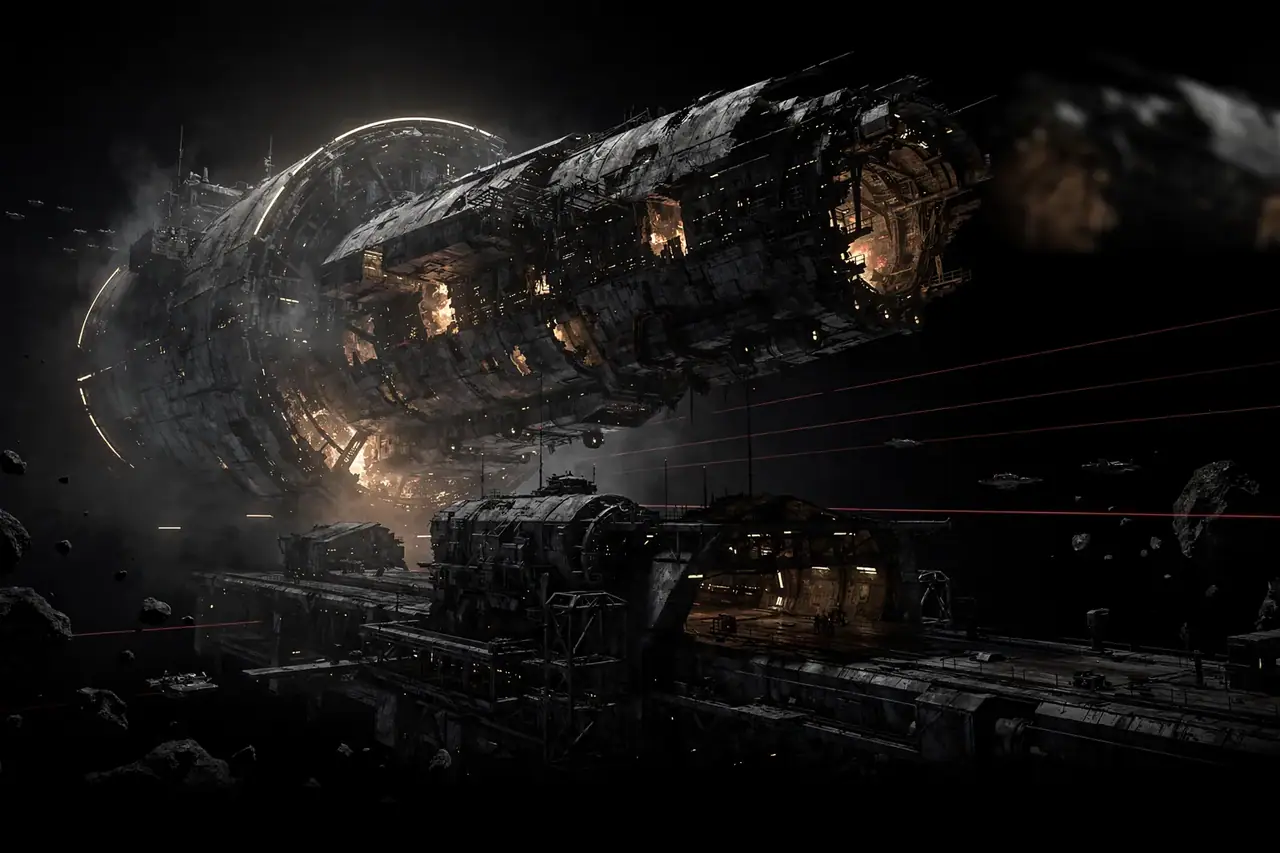
With the front expanding into D-QJR9, the next phase may be defined by whether this remains a contained border struggle or becomes something more disruptive. The signals from Perrigen Falls do not point to a collapse on either side; instead, they suggest a campaign still in motion, with BorderZone trying to stabilise the line while the opposing pressure continues to adapt. The coming days will show whether the defenders can turn this recovery into a lasting hold, or whether the front widens again.