THE PUSH
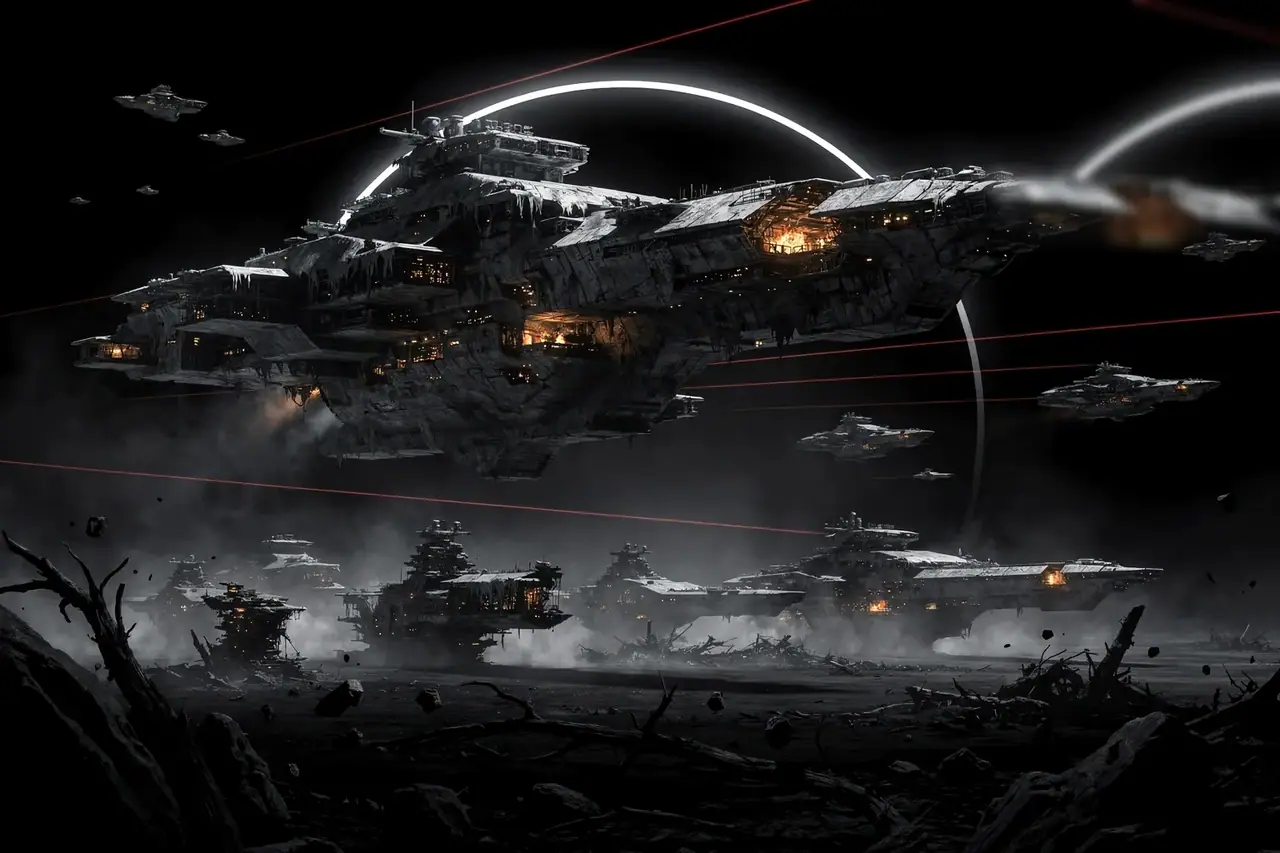
The immediate story in Malpais is simple: the campaign is still active on two fronts, and neither system has dropped out of the contest. With 7-2Z93 and A0M-R8 both in play, Great Wildlands Conservation Society is being forced to split attention across a small but persistent cluster of sovereignty fights. That kind of pressure can matter as much as raw system count, especially when the attackers are able to keep momentum in more than one place at once.
THE BALANCE
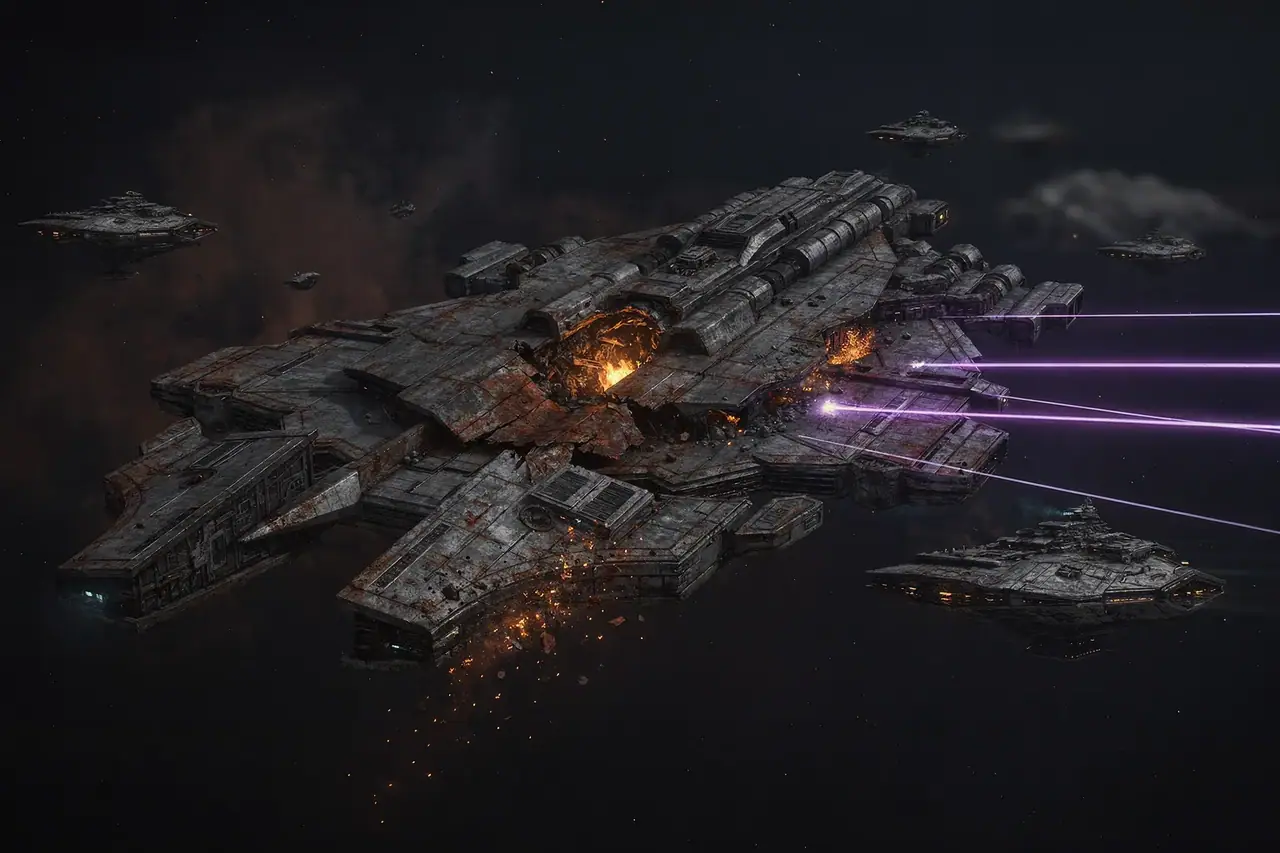
The force disparity is a clear part of the picture. Attackers are averaging 65 compared to 36 for the defenders, a spread that suggests the initiative currently sits with the offensive side. The signal that attacker pressure is up by 11 reinforces that impression. This is not a map-wide collapse, but it does indicate that the defender is working against a growing tide rather than a static challenge.
THE FRONTIER
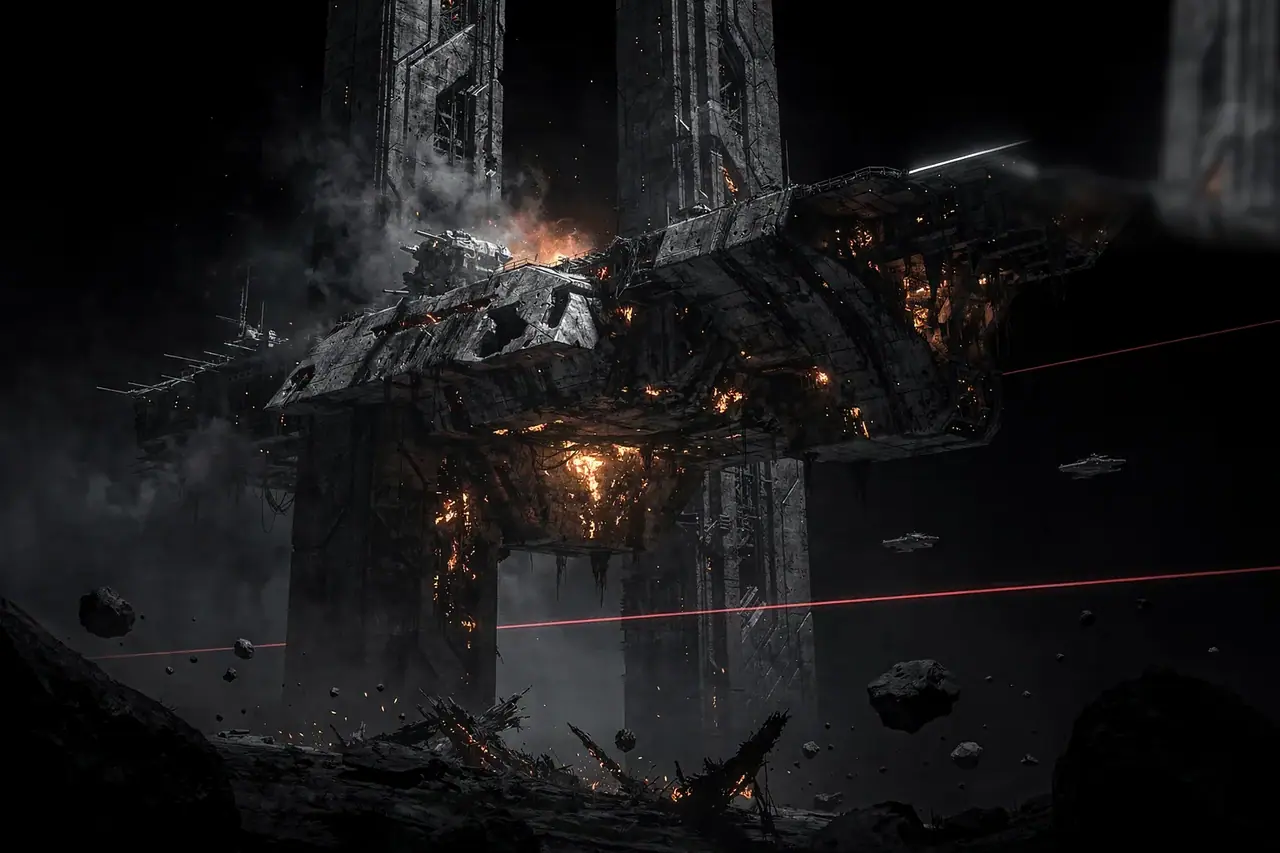
What makes this campaign worth watching is its shape. The data points to a smaller campaign cluster, which means the struggle is concentrated rather than sprawling. That can make each active system more important, because movement in one pocket may quickly affect the next. With no systems added or removed from the board, the fight appears to be about holding ground, building pressure, and forcing a response rather than producing an immediate territorial shift.
THE NEXT WAVE
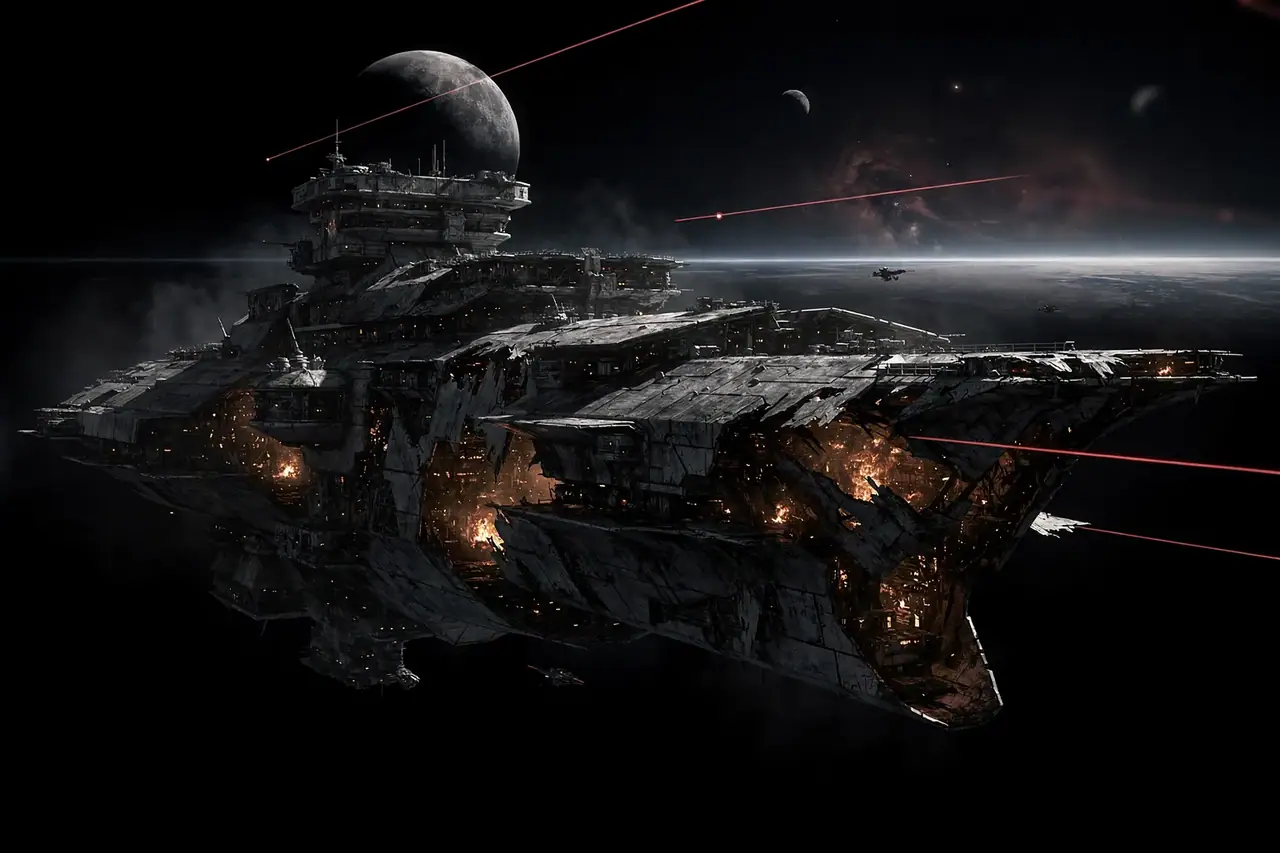
The follow-up snapshots show this is not a passing flare-up. Six snapshots have already been tracked, which suggests the contest has enough continuity to matter beyond a single engagement cycle. For now, Malpais remains in a state of managed uncertainty: two systems contested, one defender under strain, and attackers showing the stronger numbers. If the current pressure holds, the next change may come from endurance rather than a sudden breakthrough.