THE PRESSURE
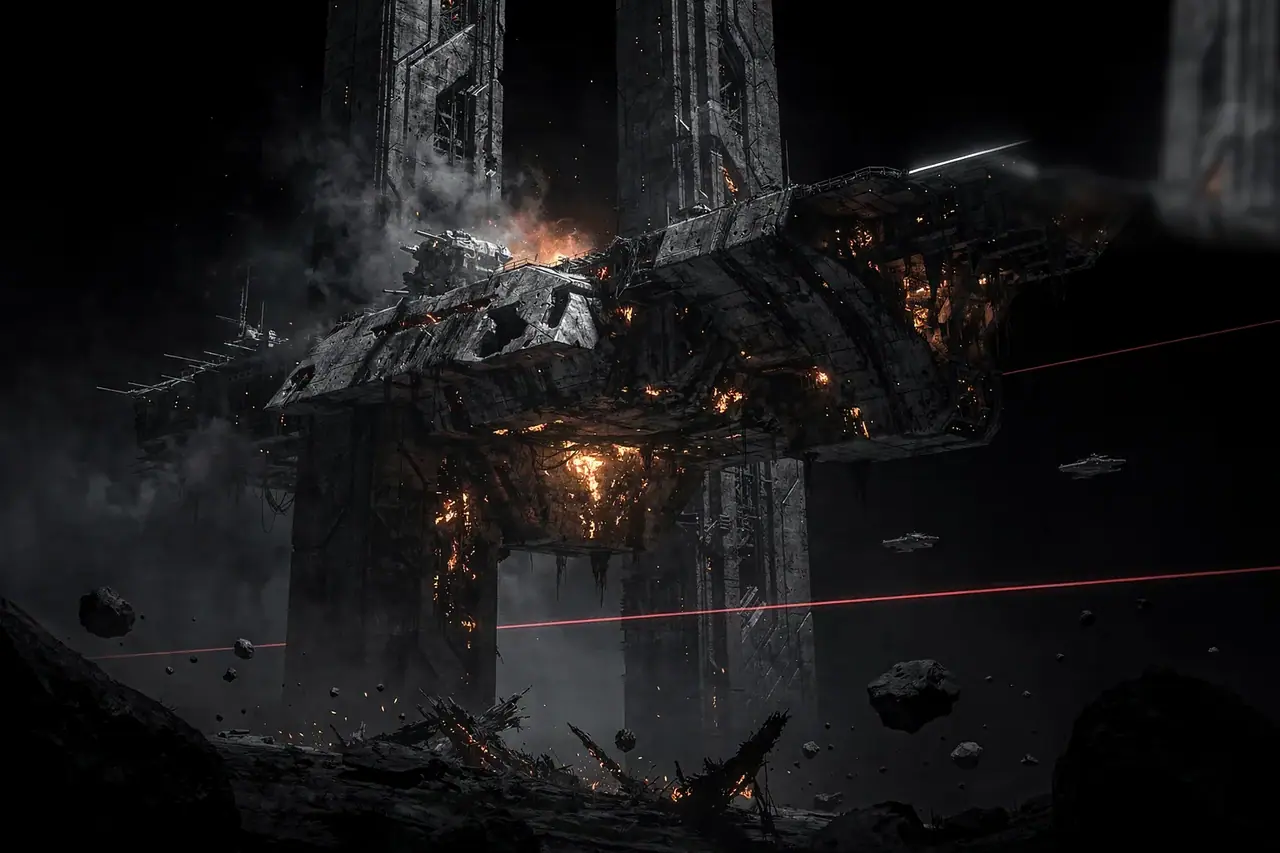
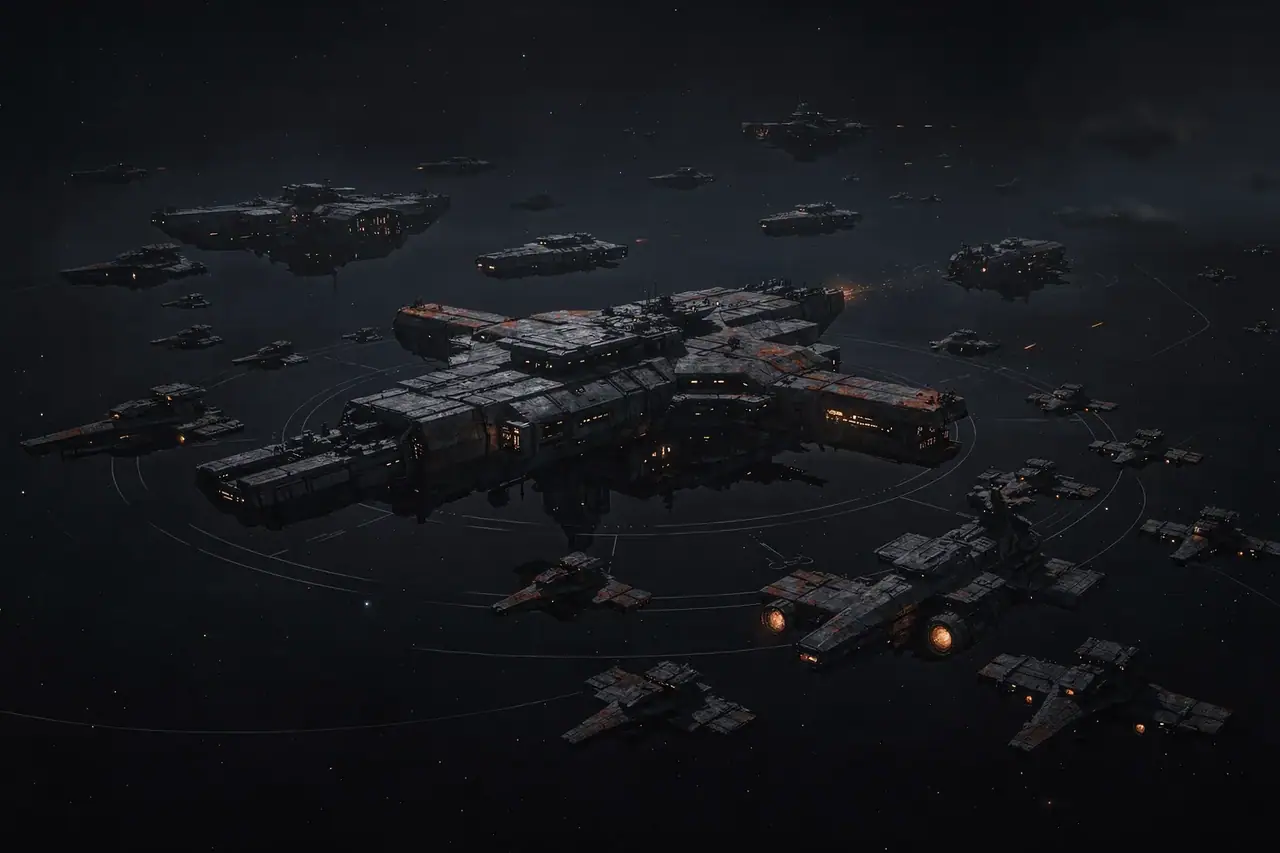
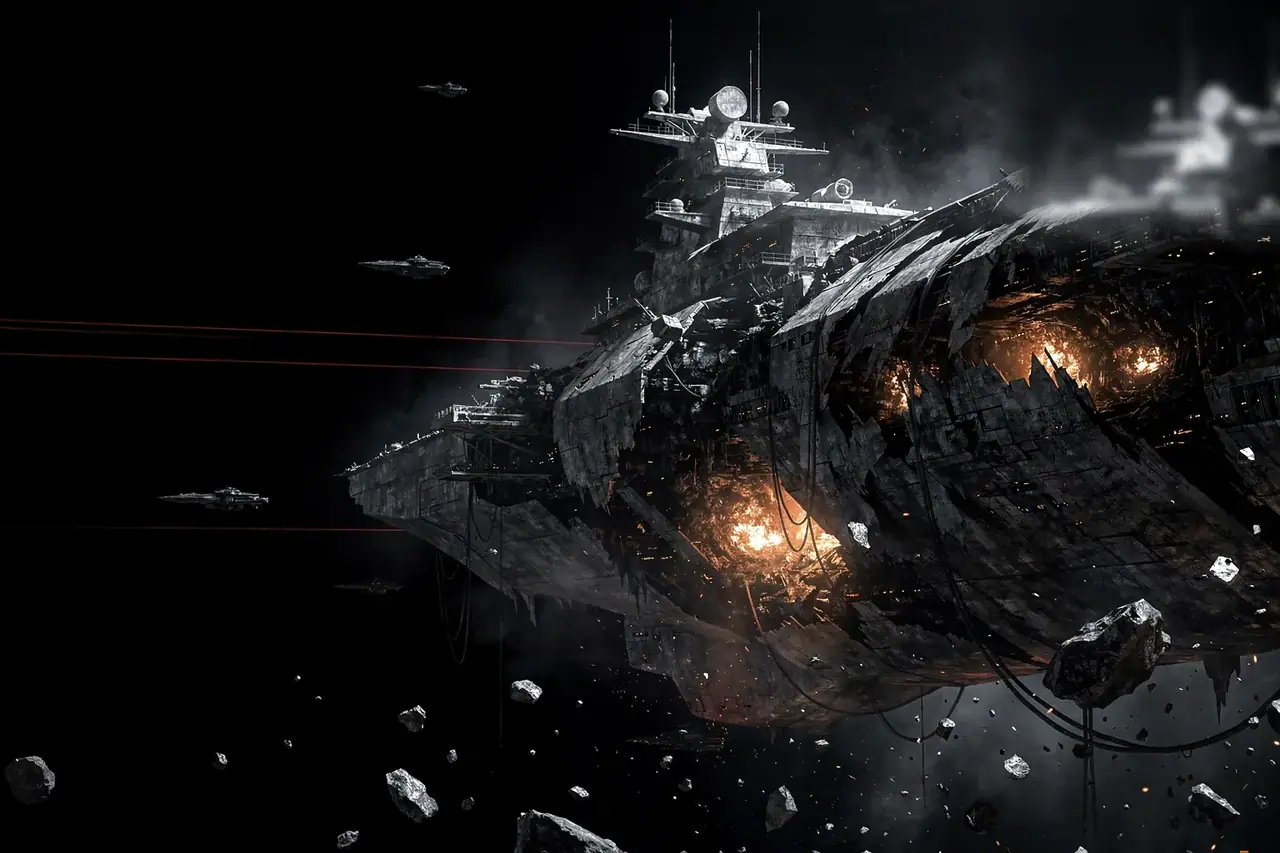
Seven days into the campaign, the clearest signal from Perrigen Falls is momentum. Attackers are still gaining ground, and the pressure is not scattering across the region so much as settling into a stable front. That kind of focus matters: when a campaign holds its shape over time, it can force defenders to commit attention, ships, and logistics to the same stretch of space instead of letting the threat dissipate.
THE FRONTLINE SYSTEMS
The systems in play — 4F6-VZ, 6-8QLA, and A1F-22 — show where the campaign is being felt most sharply. No new systems have been added, which suggests the struggle is not widening into fresh territory at this moment, but consolidating around an active belt of space. The removal of 8B-A4E from the list may indicate a shift in the immediate contest, yet the wider picture remains unchanged: the pressure is still on and the attackers retain the initiative.
THE DEFENSIVE BURDEN
For Get Off My Lawn, the challenge is less about a single flashpoint than the cumulative strain of holding a regional line. Broad pressure across a stable front can be difficult to answer because it forces a choice between reinforcing, rotating, or risking thin coverage. Even without a dramatic expansion of the battlefield, a campaign that keeps attackers ahead can steadily erode defensive confidence and stretch local response capacity.
WHAT COMES NEXT
The campaign’s shape now points to continuation rather than closure. With the front still active and attackers maintaining ground, Perrigen Falls appears set for more sustained contest rather than a clean breakout or collapse. Whether the pressure stays contained to the current systems or pushes outward again will be the key development to watch, because the next shift could decide whether this remains a localized campaign or becomes something more disruptive for the region.