THE HOLD
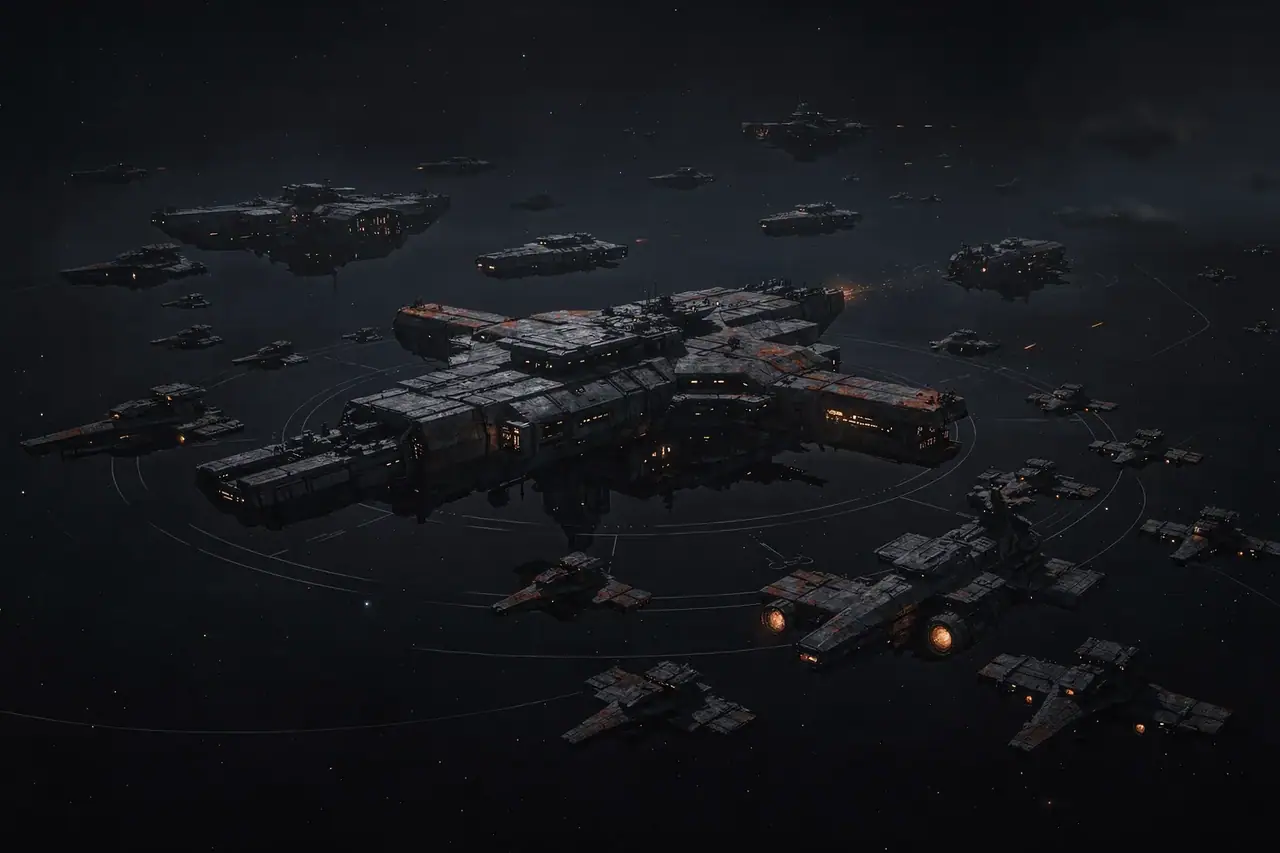
The clearest change in Perrigen Falls is not an expansion of the front, but a shift in momentum. The campaign still spans 5ZU-VG, 6-8QLA, 8B-A4E, EH2I-P and G-GRSZ, and with no systems added or removed, the struggle remains anchored around the same contested core. That stability matters: it suggests neither side has yet broken the regional line open, and the fight is being decided through sustained pressure rather than rapid territorial swings.
THE RECOVERY
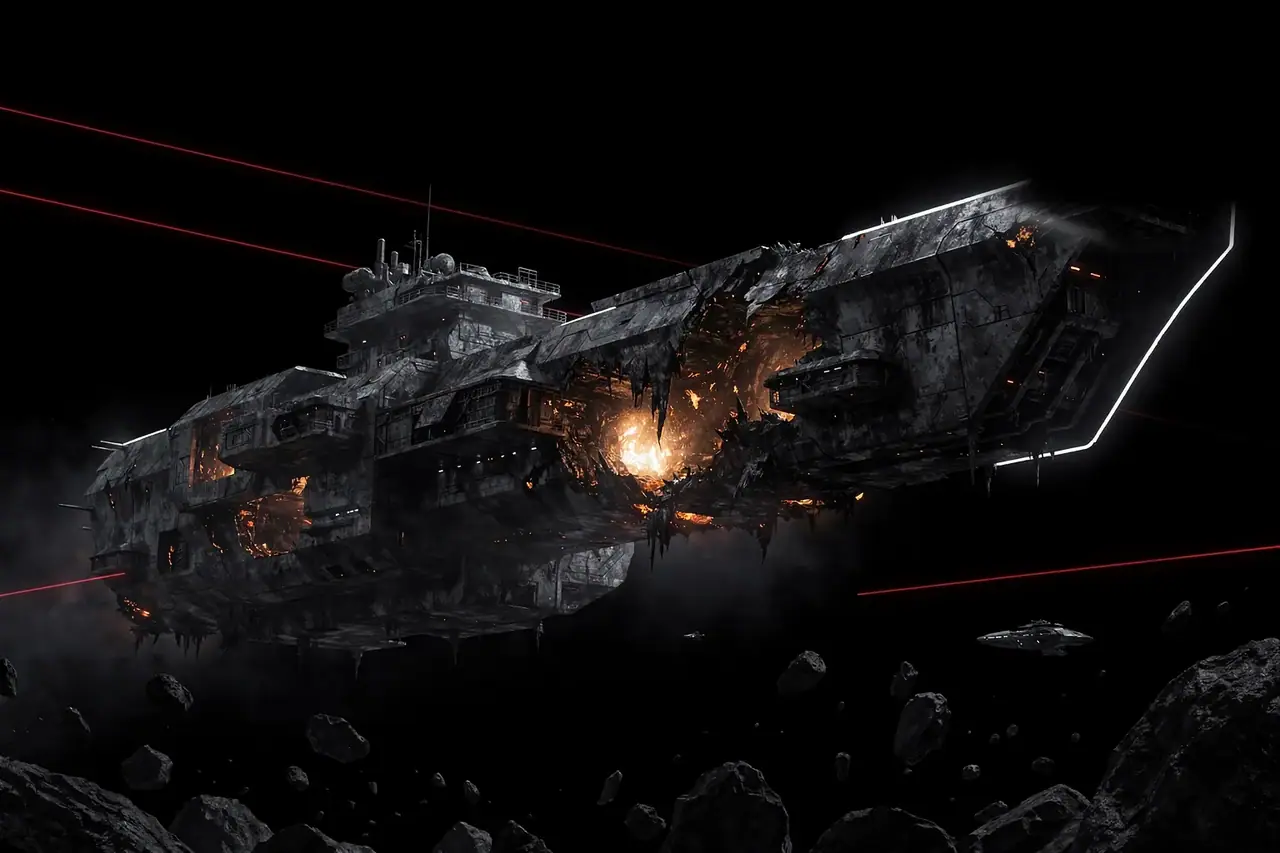
For Get Off My Lawn, the important signal is that defenders are regaining ground while the campaign is still young. In a regional campaign, that kind of recovery can change the tone of the conflict quickly, especially when the pressure is concentrated rather than scattered. It implies the defence is stiffening in the places that matter most, forcing the opposing side to work harder to keep momentum alive.
THE FRONT
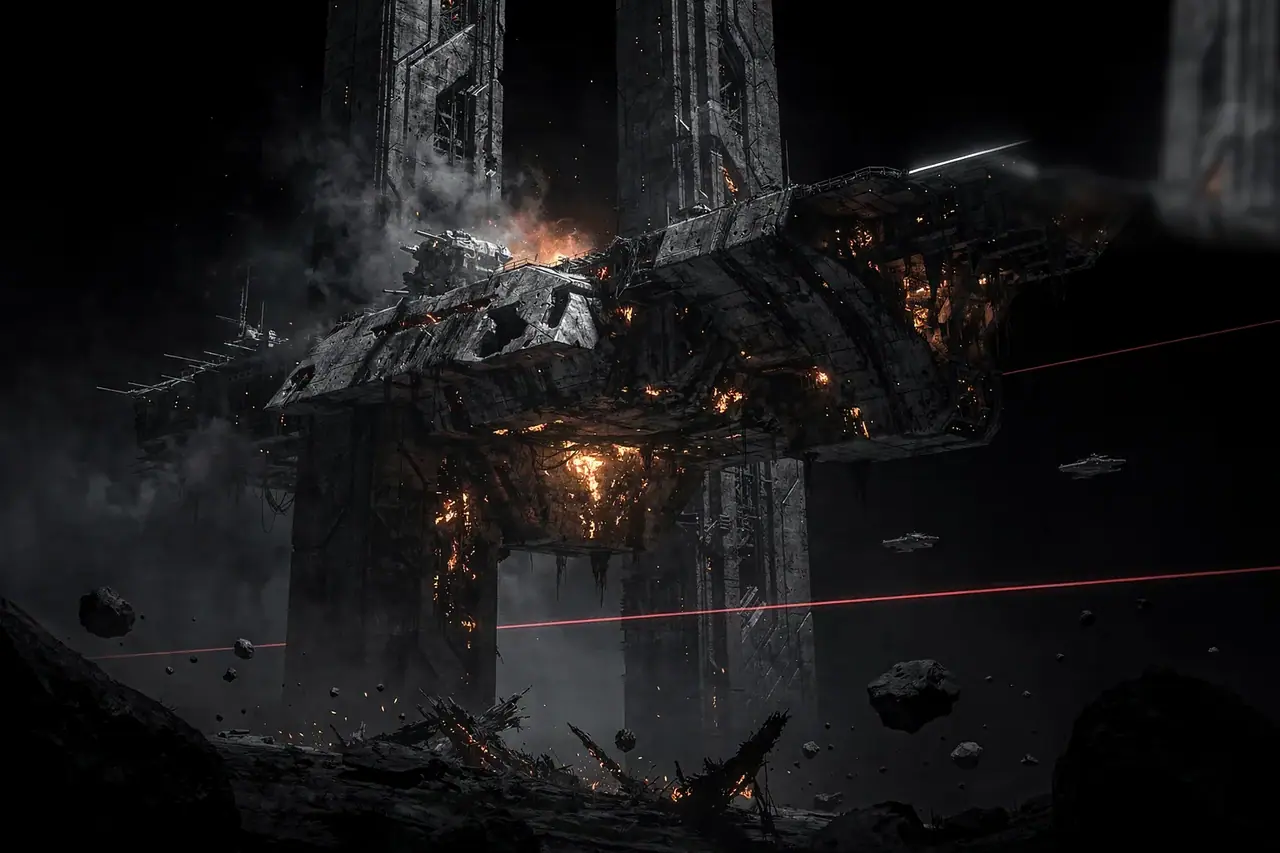
The broader picture still points to Perrigen Falls absorbing significant regional pressure. Because the campaign remains focused on a stable front, every movement carries more weight than it would in a wider, more fluid warzone. A compact contest like this can become a test of endurance, with each side trying to turn persistence into position and position into control.
THE NEXT TURN
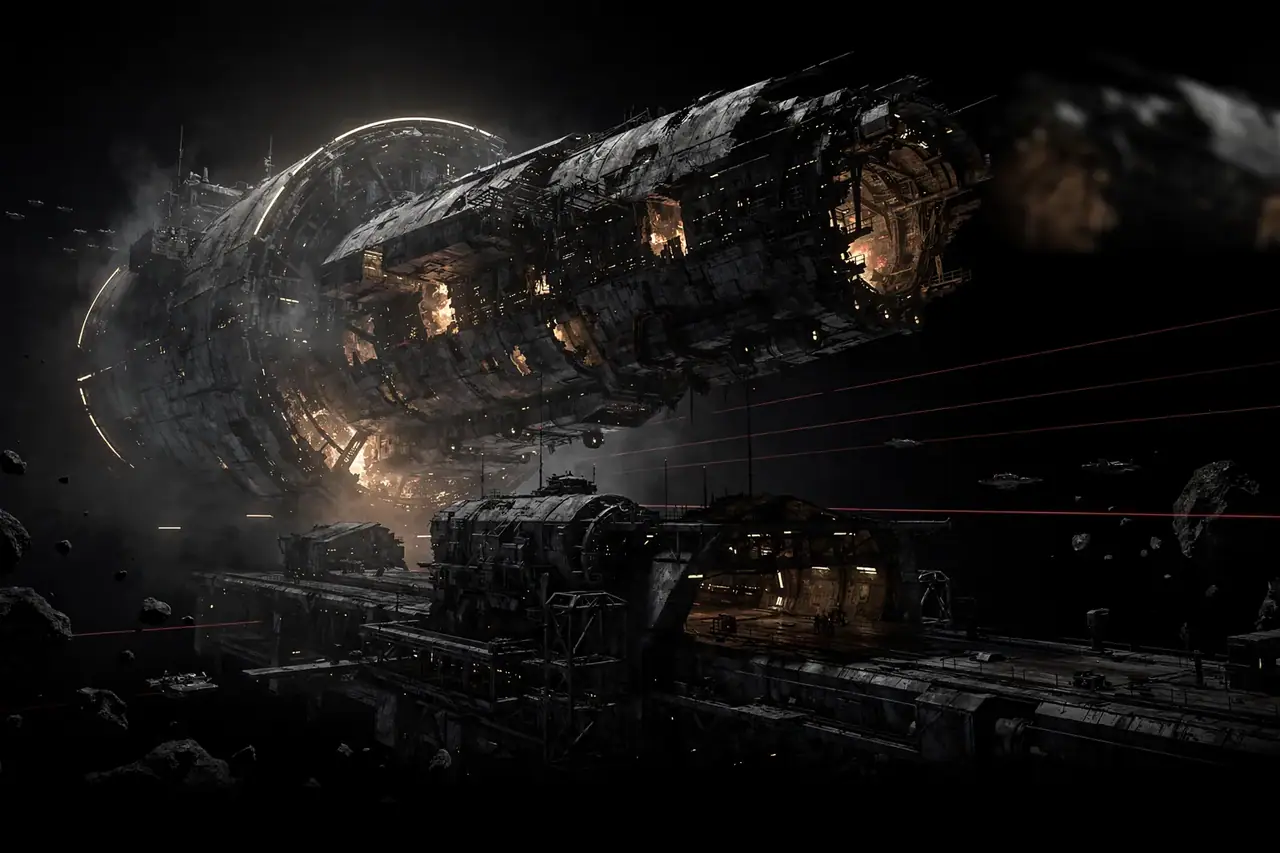
What happens next will likely depend on whether the defenders can continue converting this recovery into lasting influence, or whether the pressure resumes its earlier advance. For now, the campaign is still open and unresolved, but the story has changed: Get Off My Lawn is no longer simply absorbing pressure, and the front in Perrigen Falls appears to be hardening into a longer, more stubborn contest.