THE TURN
The clearest development is the shift back toward the defenders. D3ad End is no longer simply absorbing pressure in Outer Passage; it is beginning to claw back control. That does not mean the campaign has broken in its favour, but it does suggest the immediate momentum has become less one-sided. In a regional campaign, that kind of reversal can matter as much as a fresh push, because it changes how far an attacker can press and how much room the defenders have to organise.
THE FRONTIER
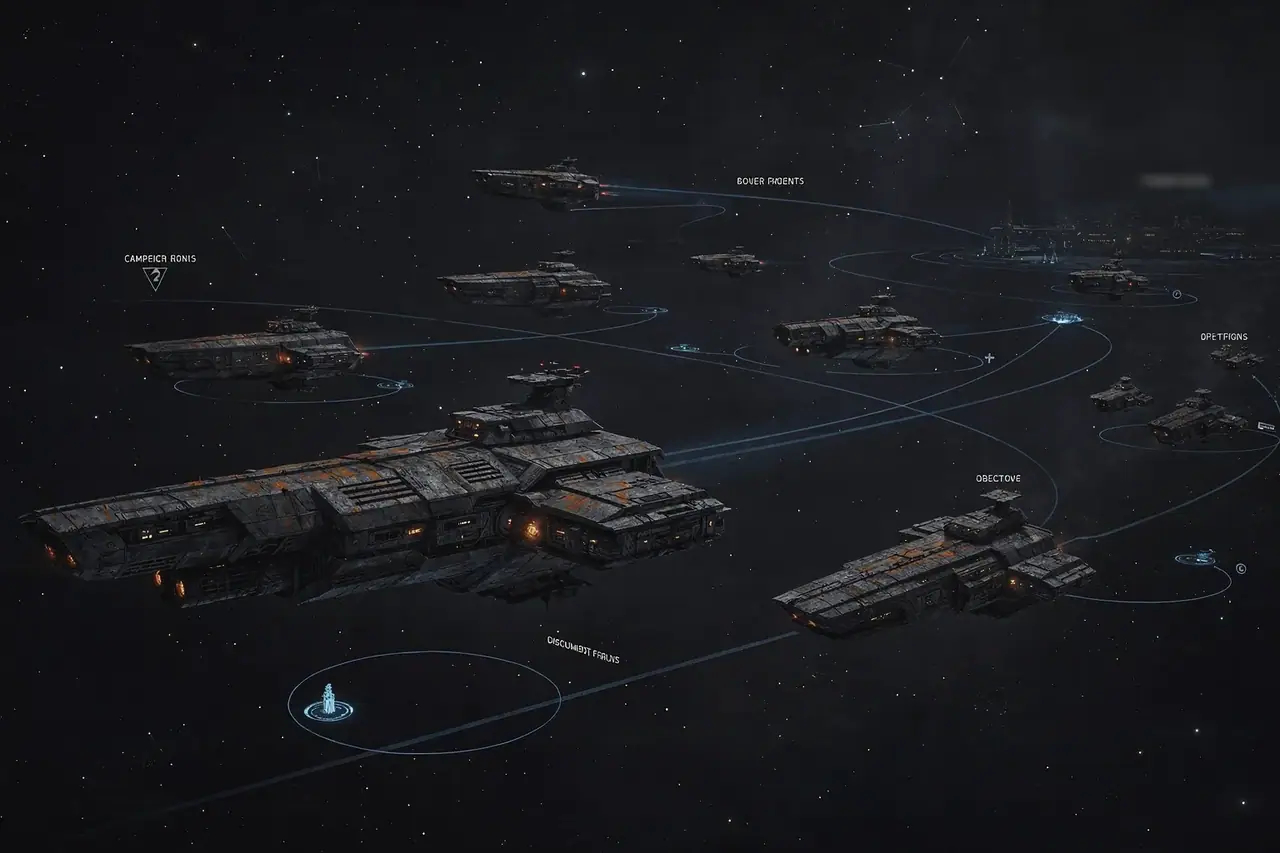
The active systems remain 8K-QCZ and FVQF-W, giving the campaign a compact shape. With no new systems added, the conflict is not widening into a fresh corridor of vulnerability. Instead, pressure is concentrated along a stable front, which can make every move more consequential. That kind of containment often signals a contest over control rather than mere disruption, with both sides working to hold the line or regain lost footing.
THE CONTRACTING BATTLESPACE
The removal of JBUH-H and XDTW-F from the active system list suggests the campaign has lost some of its earlier spread. Whether that reflects easing pressure, consolidation by the defenders, or a refocusing of effort, the effect is the same: the fight in Outer Passage is becoming more focused. For D3ad End, that narrowing may provide the breathing space needed to stabilise its position. For the opposing side, it may indicate that the campaign now has to extract more value from fewer points of leverage.
THE NEXT MOVE
With the campaign now three days old, the more important question is whether this recovery can be sustained. A growing campaign that begins to lose breadth can either settle into a prolonged border standoff or reopen if fresh pressure returns to the same systems. For now, the signal from Outer Passage is clear enough: D3ad End is still under pressure, but the defenders are no longer simply retreating. The front is holding, and the next push will determine whether that momentum shift becomes a real stabilisation or only a brief pause in the wider contest.