THE SHIFT
The clearest change in Outer Passage is that the defenders are no longer only absorbing pressure — they appear to be pushing back. D3ad End remains under strain, but the current balance suggests its response is starting to claw back space in a campaign that has already run for 24 hours. That matters because a front that begins to recover ground can force attackers to work harder just to maintain the same level of pressure.
THE WIDENING FRONT
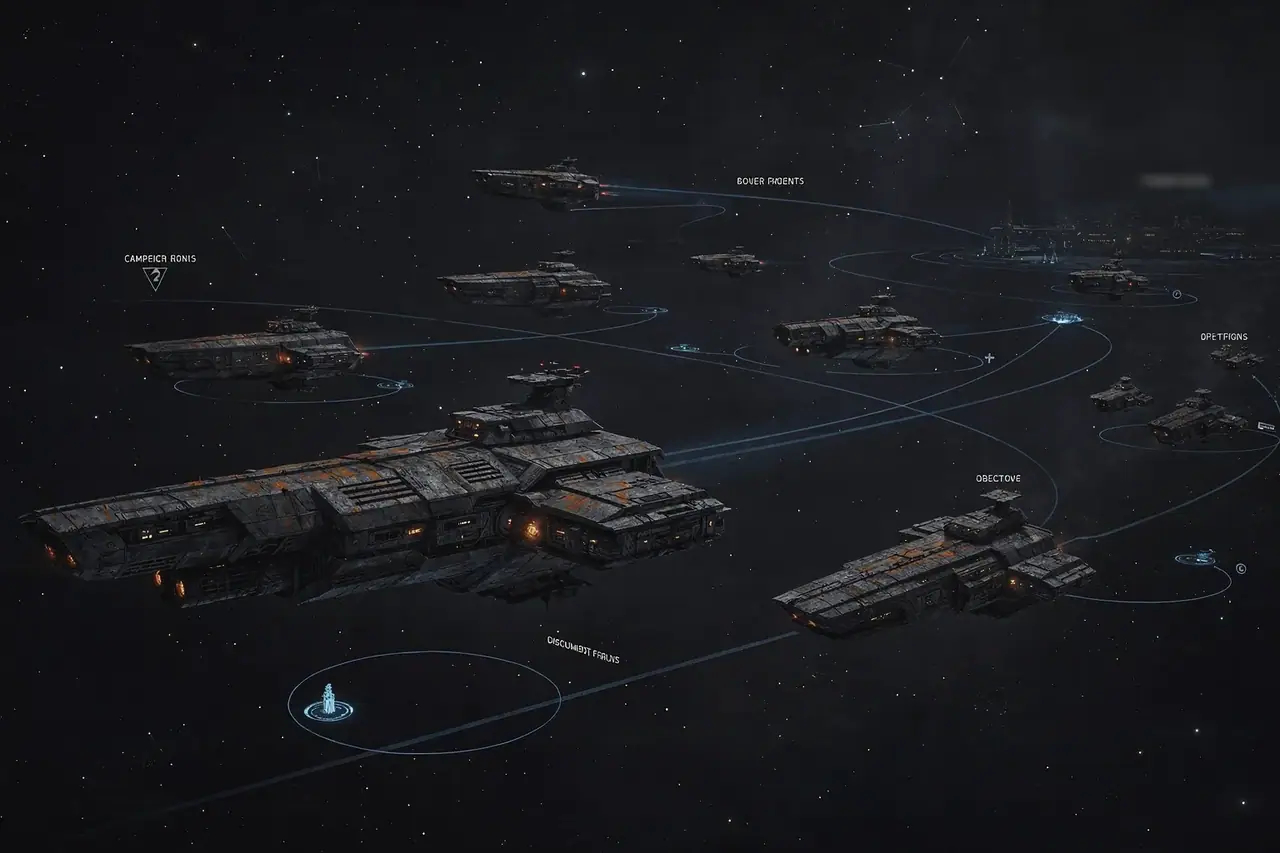
This is no longer a contest confined to a single flashpoint. The campaign now spans 8K-QCZ, DJ-GBH, JBUH-H, SN-DZ6 and XDTW-F, with JBUH-H newly added to the theatre. That expansion suggests pressure is spreading into new systems rather than collapsing back toward the original point of contact. For defenders, that can be both a burden and an opportunity: a wider front is harder to cover, but it can also expose where the attack is loosening.
THE HOLD
D3ad End’s position is still being tested across the region, but the recovery described in the data suggests the defence is stiffening. In practical terms, that may mean attackers are no longer finding the same freedom of movement they enjoyed at the start of the campaign. When defenders regain ground in a regional pressure campaign, the story often shifts from rapid advance to a more grinding contest over reach, access and staying power.
THE NEXT FRONT
The immediate question in Outer Passage is whether the added weight on JBUH-H marks a fresh push or simply the campaign’s spread into another contested system. Either way, the front remains active, and the balance now appears more unsettled than decisive. If defenders can keep recovering ground while holding the wider line together, the campaign may begin to slow; if not, the pressure could simply re-form somewhere else along the border.