THE HOLD
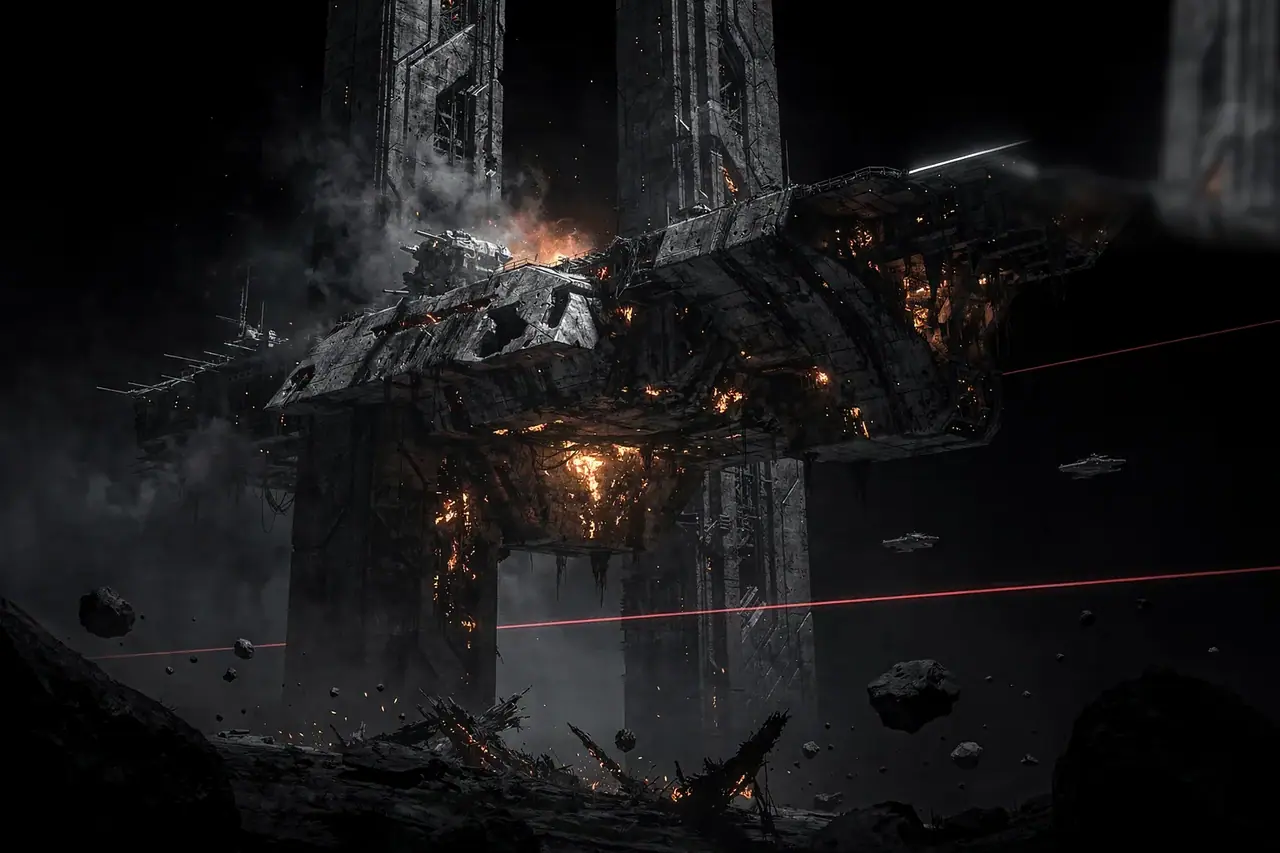
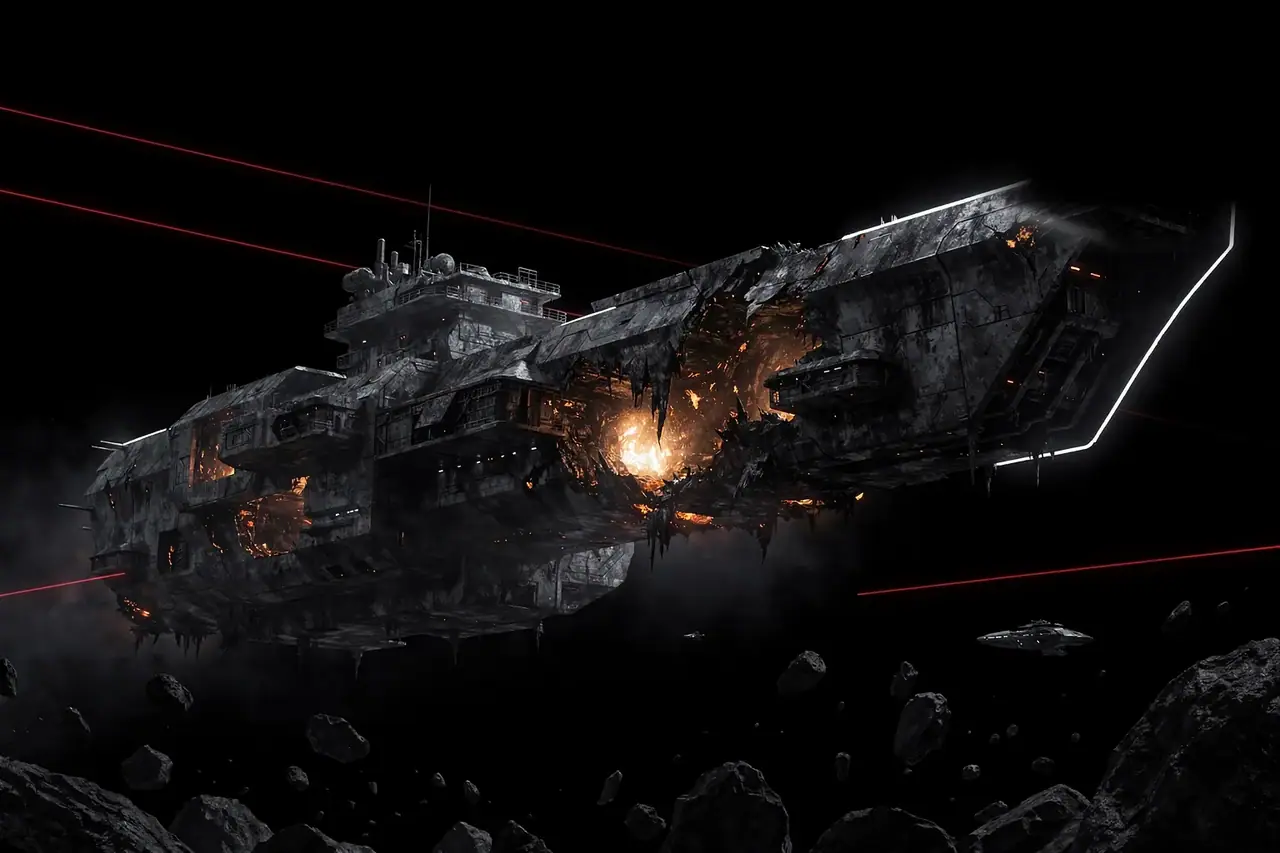
The clearest development in Perrigen Falls is that defenders are regaining ground. That does not end the campaign, but it does mark a meaningful change in momentum for Get Off My Lawn after several days under sustained strain. In sovereignty warfare, that kind of recovery matters: it can steady a border, restore confidence, and force an opposing push to work harder for every advance.
THE FRONT
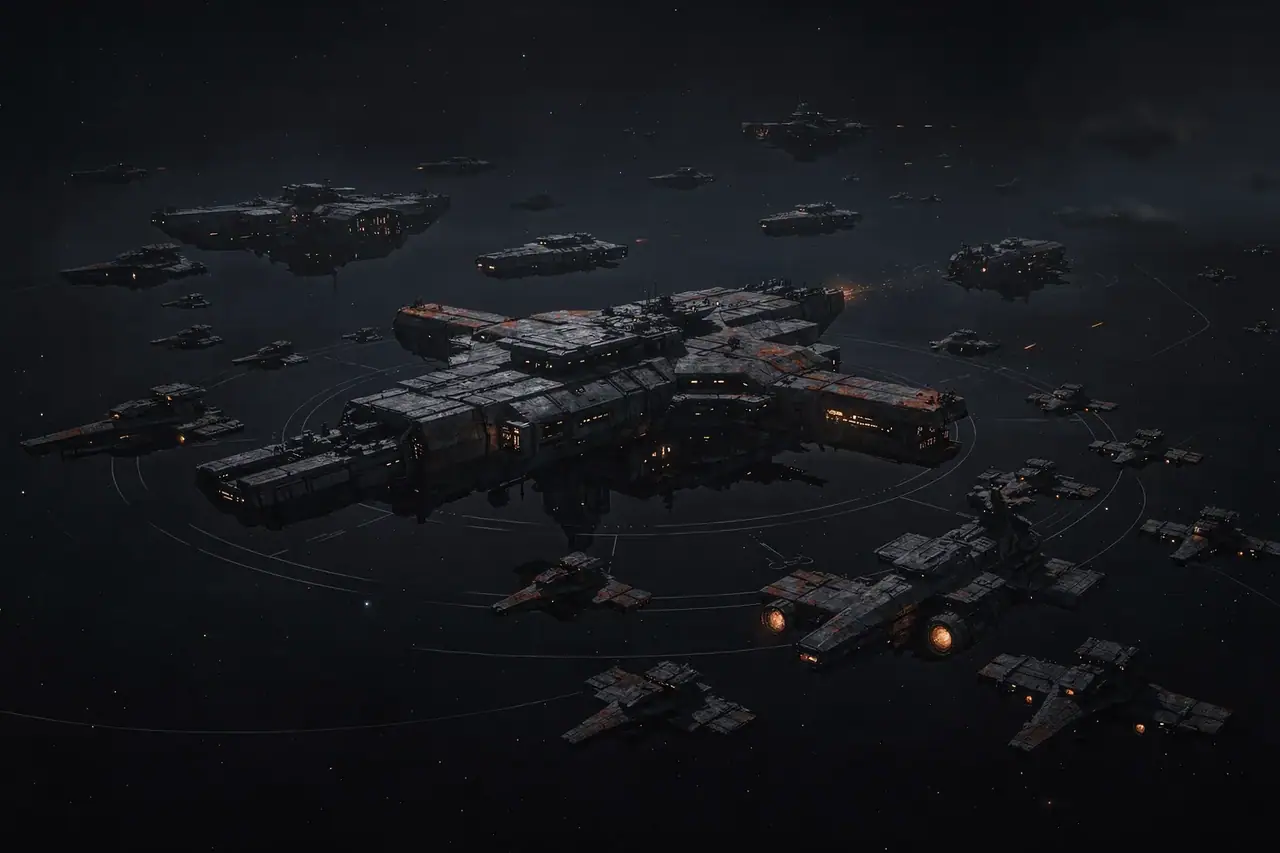
Pressure is still widespread, with systems including 3LL-O0, 49V-E4, 4F6-VZ, 6-8QLA, 8B-A4E, B-7LYC, J9A-BH, JM0A-4, L-POLO, PT-2KR and R-AYGT all in play. The removal of G-GRSZ from the active list suggests the shape of the campaign has changed, but not necessarily the intensity. Instead, the fighting appears to have consolidated onto a stable front, where both sides are likely testing where the line can hold and where it can be bent.
THE SHIFT
That concentration is important. A stable front under sustained pressure often tells a larger story than a scattered set of timers ever could: the campaign is no longer about isolated systems, but about influence along a corridor of space. If defenders are truly regaining ground while the pressure remains high, the region may be moving into a phase where consolidation becomes as important as any new push. For Get Off My Lawn, holding and recovering at the same time may be the difference between containing the campaign and letting it spread again.
THE NEXT MOVE
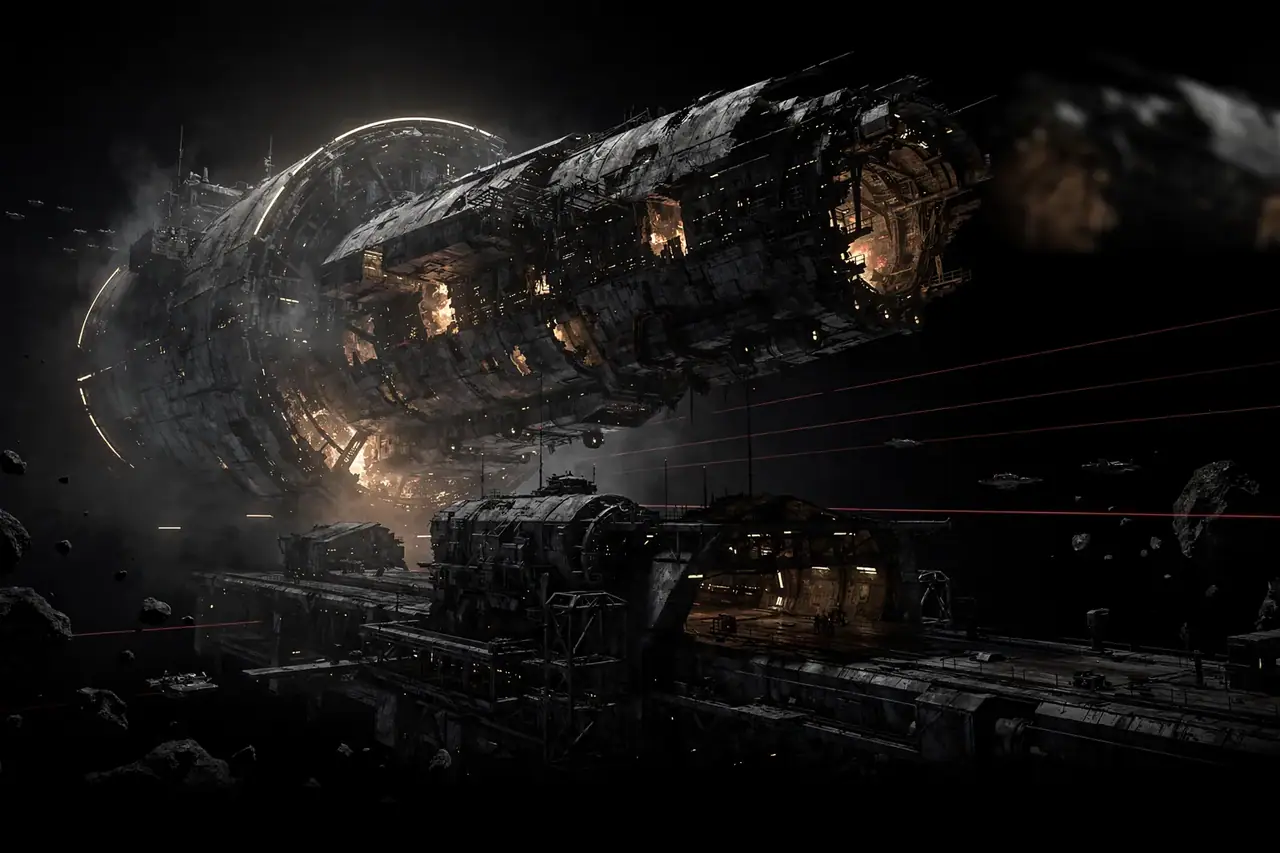
With the campaign still active and the front still hot, Perrigen Falls appears to be entering a more delicate stage. The question now is whether defenders can turn this recovery into a durable stabilisation, or whether renewed pressure will force another change in the line. For now, the story in Perrigen Falls is not collapse, but resistance: a region under strain, a front that has narrowed, and a defender showing signs it can still push back.