THE HOLD
The clearest development in Outer Passage is the shift in momentum toward D3ad End. After four days of campaigning, the defenders are regaining ground, which suggests the front has not broken despite sustained regional pressure. That matters because campaigns of this kind often turn on whether a defender can stop the line from widening; for now, the pressure is concentrated rather than scattered, and that concentration appears to be giving D3ad End room to recover.
THE FRONT
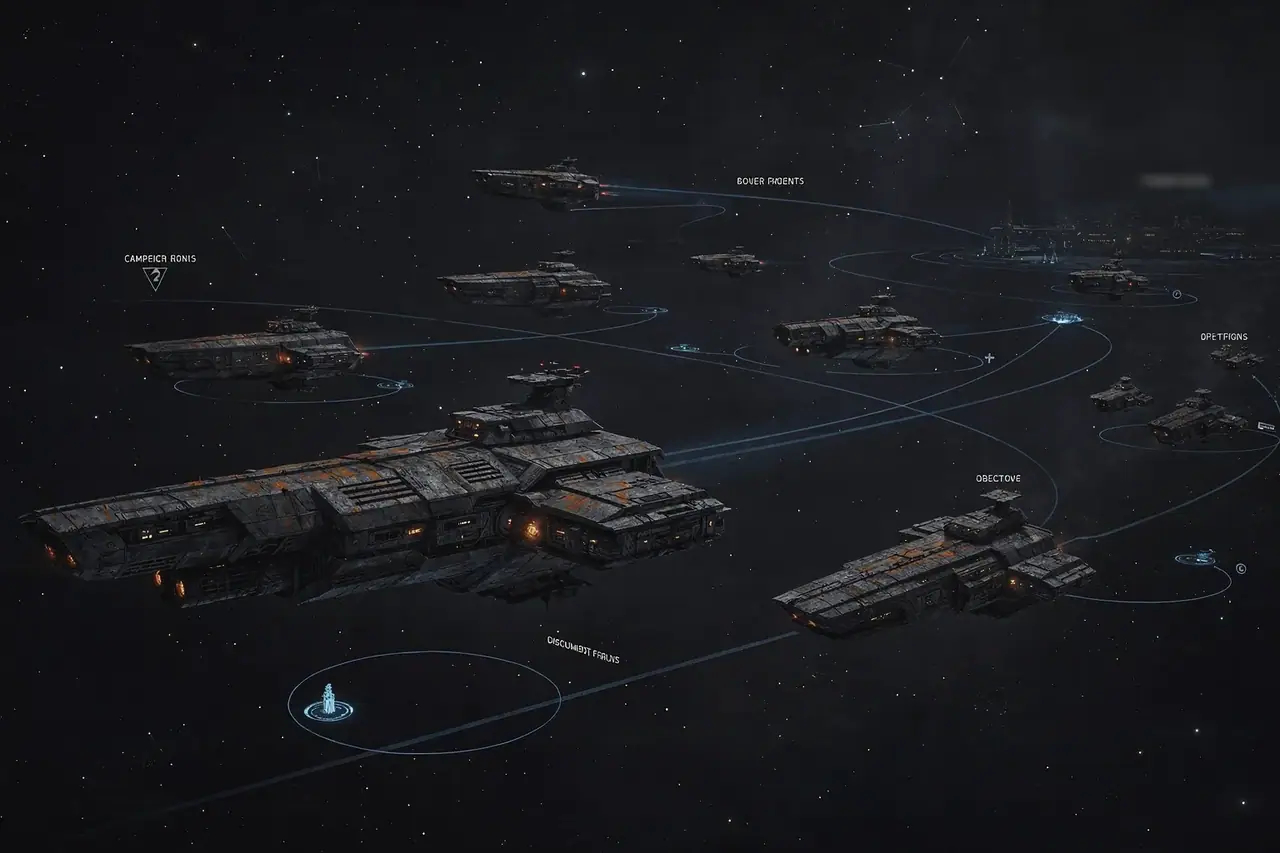
The active systems — 2ID-87, FVQF-W, and XDTW-F — show that the contest remains focused on a defined stretch of the region rather than spreading into a larger collapse. With no new systems added and 8K-QCZ removed from the picture, the shape of the campaign appears to be tightening. In practical terms, that can make the front easier to read and harder to ignore: both sides know where the weight of the campaign is being applied, and the geography of the struggle is becoming clearer.
THE PRESSURE
This is still described as broad regional pressure, which means Outer Passage is not yet settled into a quiet defensive posture. Even so, the fact that the defenders are regaining ground suggests the campaign has moved into a more balanced phase. For D3ad End, that may indicate the ability to absorb pressure long enough to stabilise the line. For the opposing side, it could signal that the campaign will require continued commitment if the region is to be pushed further off balance.
WHAT COMES NEXT
The front remains active, and that is the story to watch. A stable front under sustained pressure can turn either way quickly: defenders may continue to consolidate, or the campaign may surge again if the pressure is renewed elsewhere in the region. For now, Outer Passage looks less like a rapid breakthrough and more like a contest over endurance, positioning, and the ability to hold a meaningful stretch of sovereignty under fire.