THE HOLD
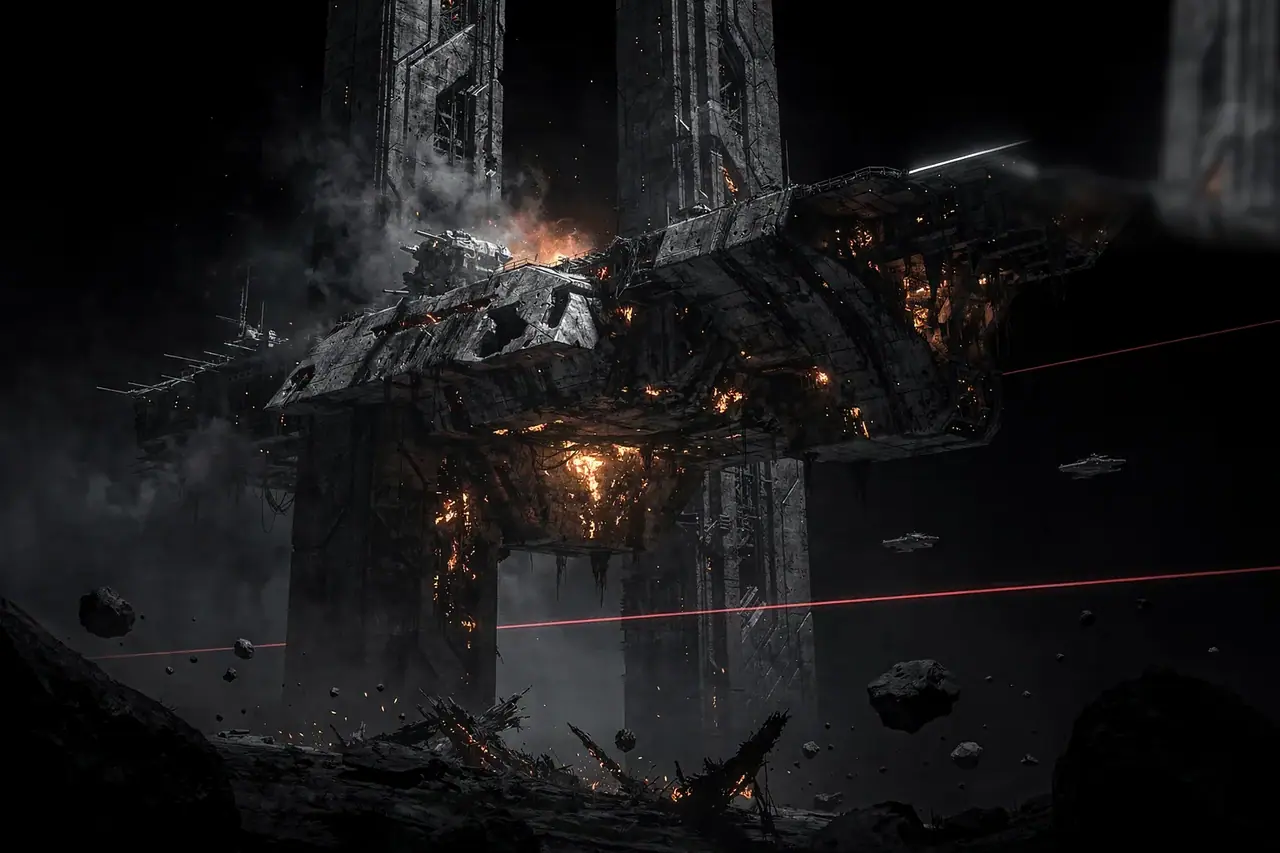
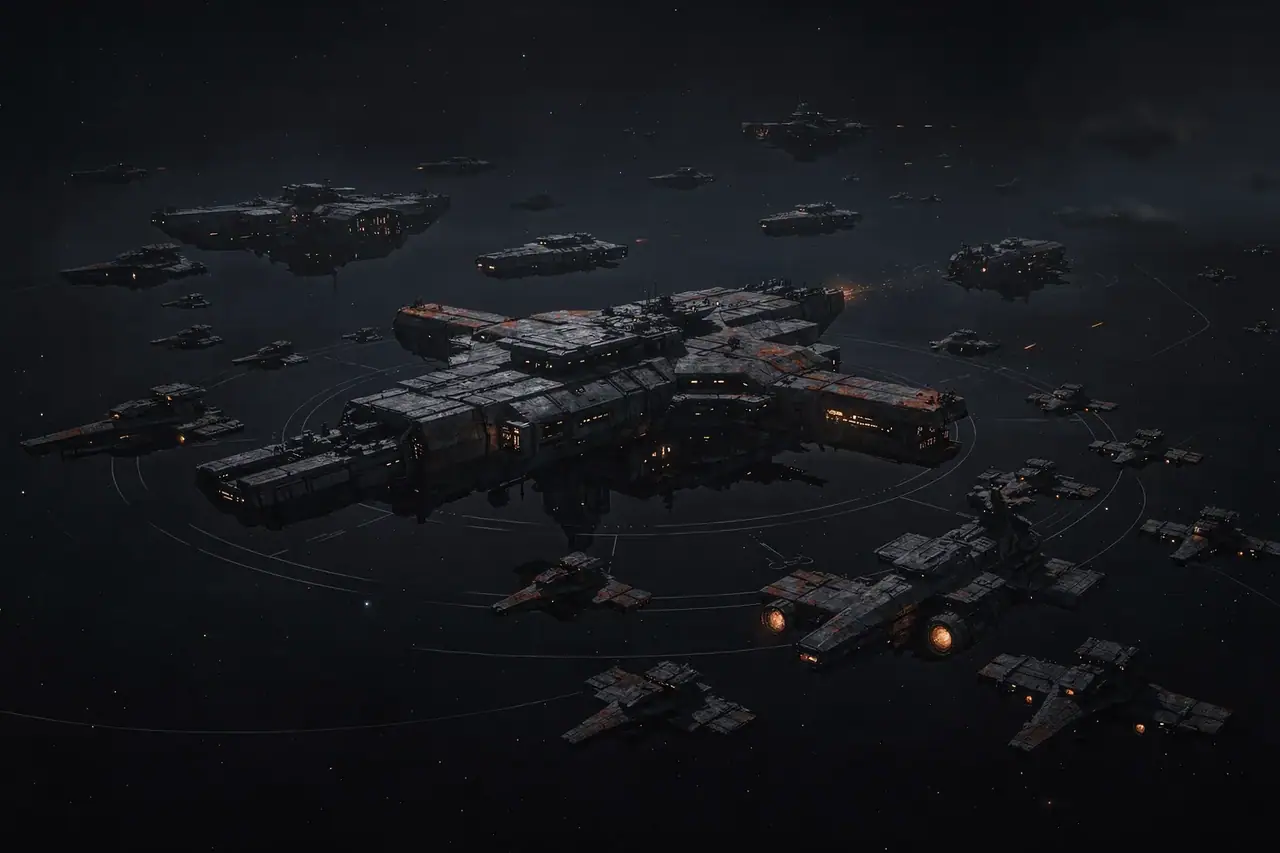
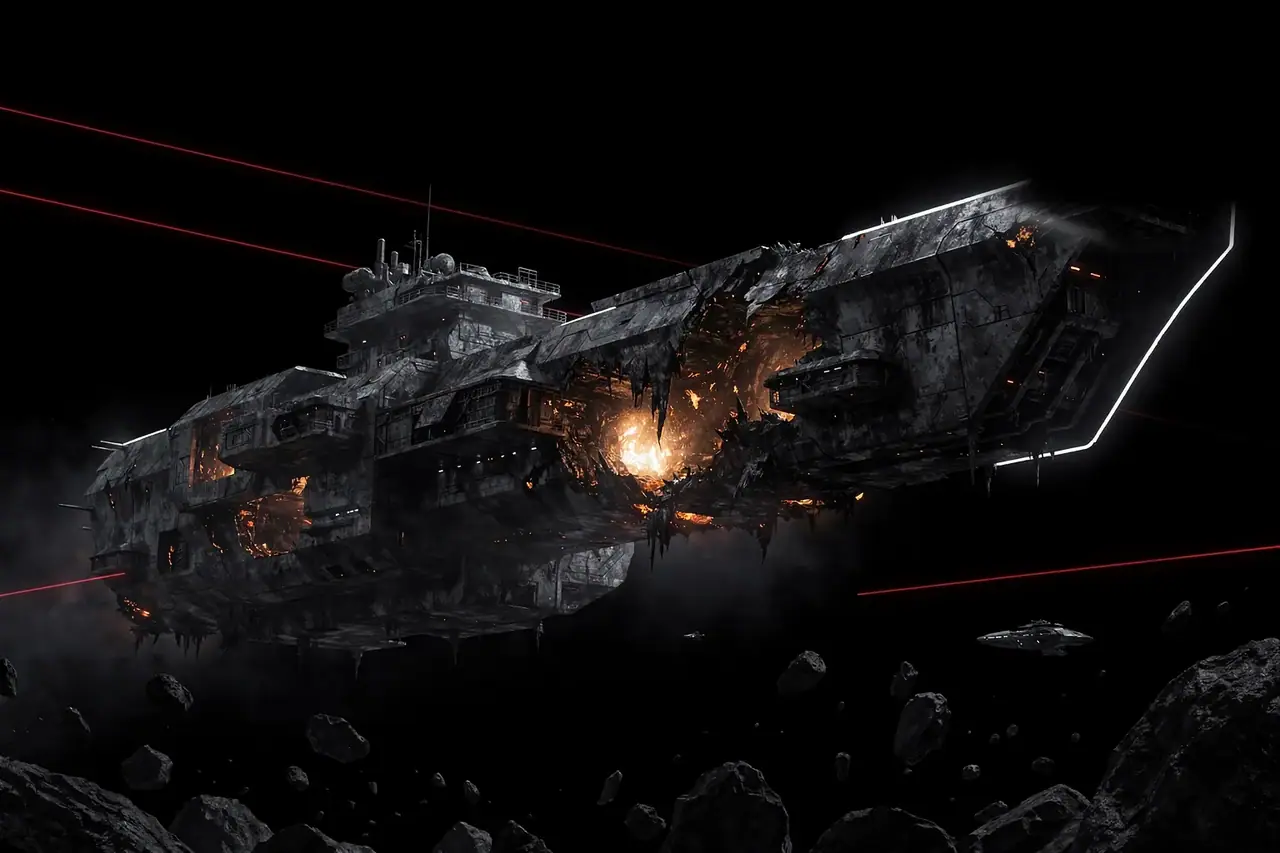
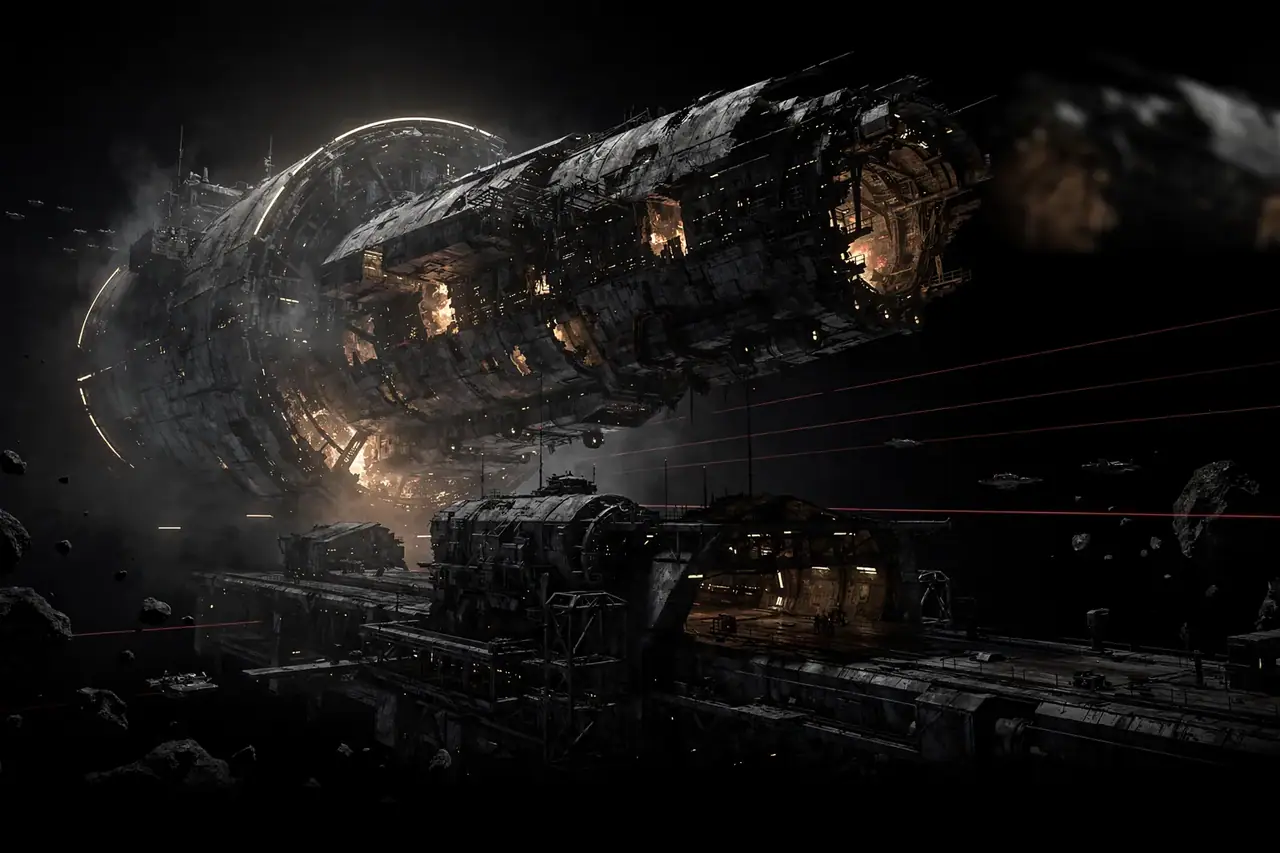
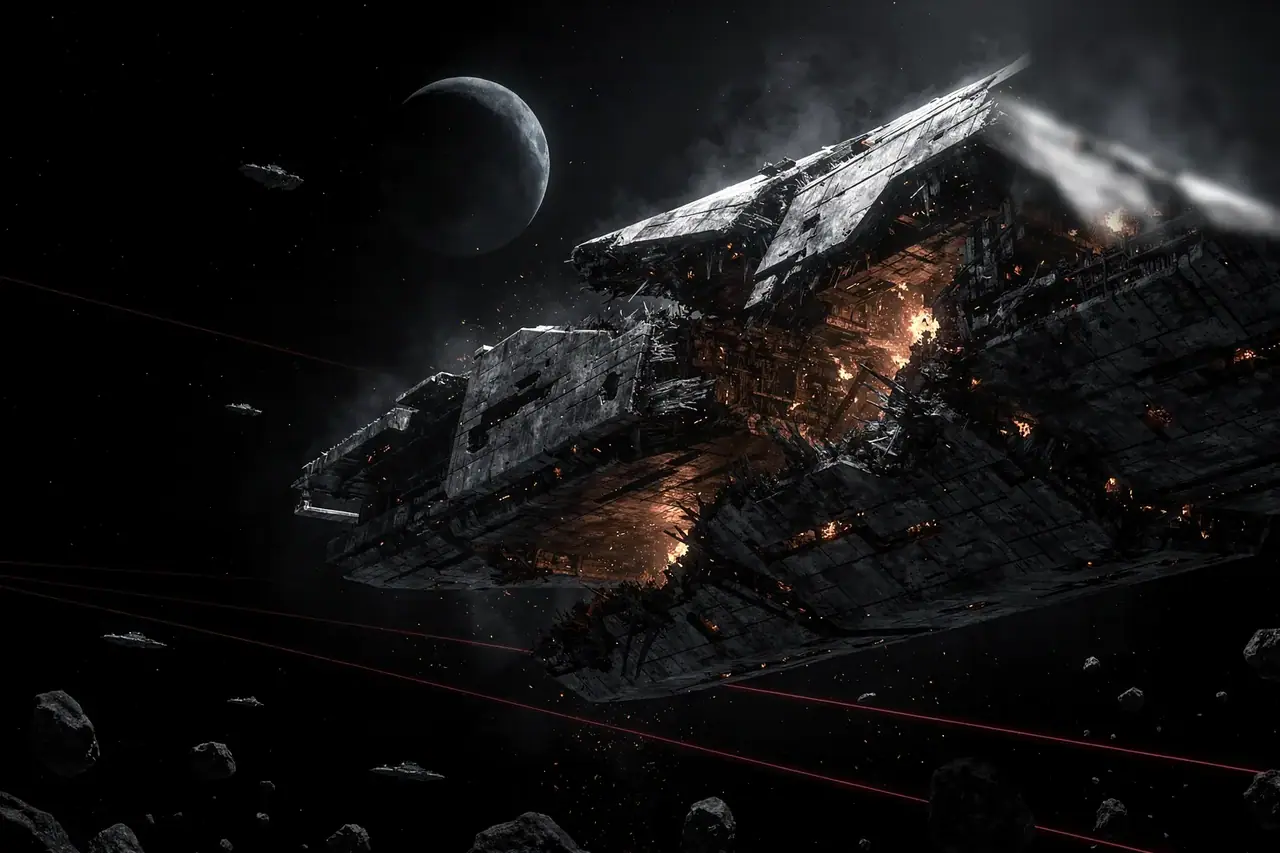
BorderZone’s position in Perrigen Falls is holding more firmly than it was earlier in the campaign. The latest signs point to defenders regaining ground, which suggests the initial pressure has met a stronger response and that the front is no longer moving as freely. For now, the contest remains localised, but the defence is beginning to look organised enough to slow further momentum.
THE FRONTLINE
The campaign remains concentrated around 6Q4-X6, with no new systems pulled into the fight and U4-V3J no longer appearing in the active picture. That narrower shape matters: instead of a spreading regional push, Perrigen Falls is looking like a stable border struggle focused on a single pressure point. This tends to favour whichever side can sustain commitment longer, and at the moment the defenders appear better able to absorb the strain.
THE SHIFT
A campaign that started as a pressure test is now showing signs of balance returning to the front. The fact that BorderZone is regaining ground does not end the contest, but it does indicate the attackers are no longer dictating the pace everywhere they can reach. In sovereignty conflicts, that kind of reversal can reshape how far a push is allowed to extend, and whether nearby space becomes vulnerable to follow-up movement.
THE NEXT FRONT
With the campaign still only two days old, the key question is whether this defensive improvement becomes a lasting stabilisation or simply a pause in the wider struggle. The limited scope of the conflict suggests the immediate future will be decided by endurance, logistics, and who can keep pressure on the same narrow front without overextending. Perrigen Falls is not flashing open across the region yet, but the defence is stiffening enough to make the next stage of the campaign far less predictable.