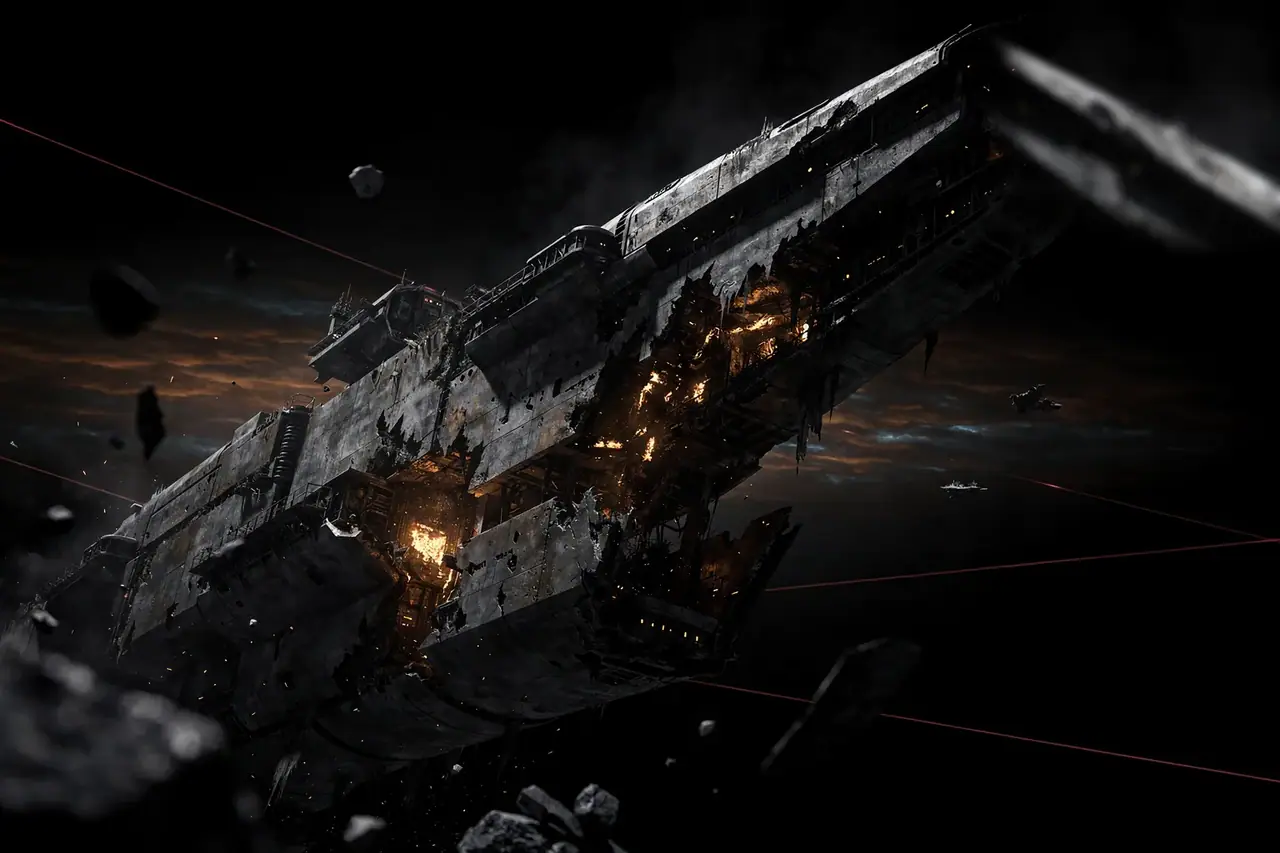
THE HOLD
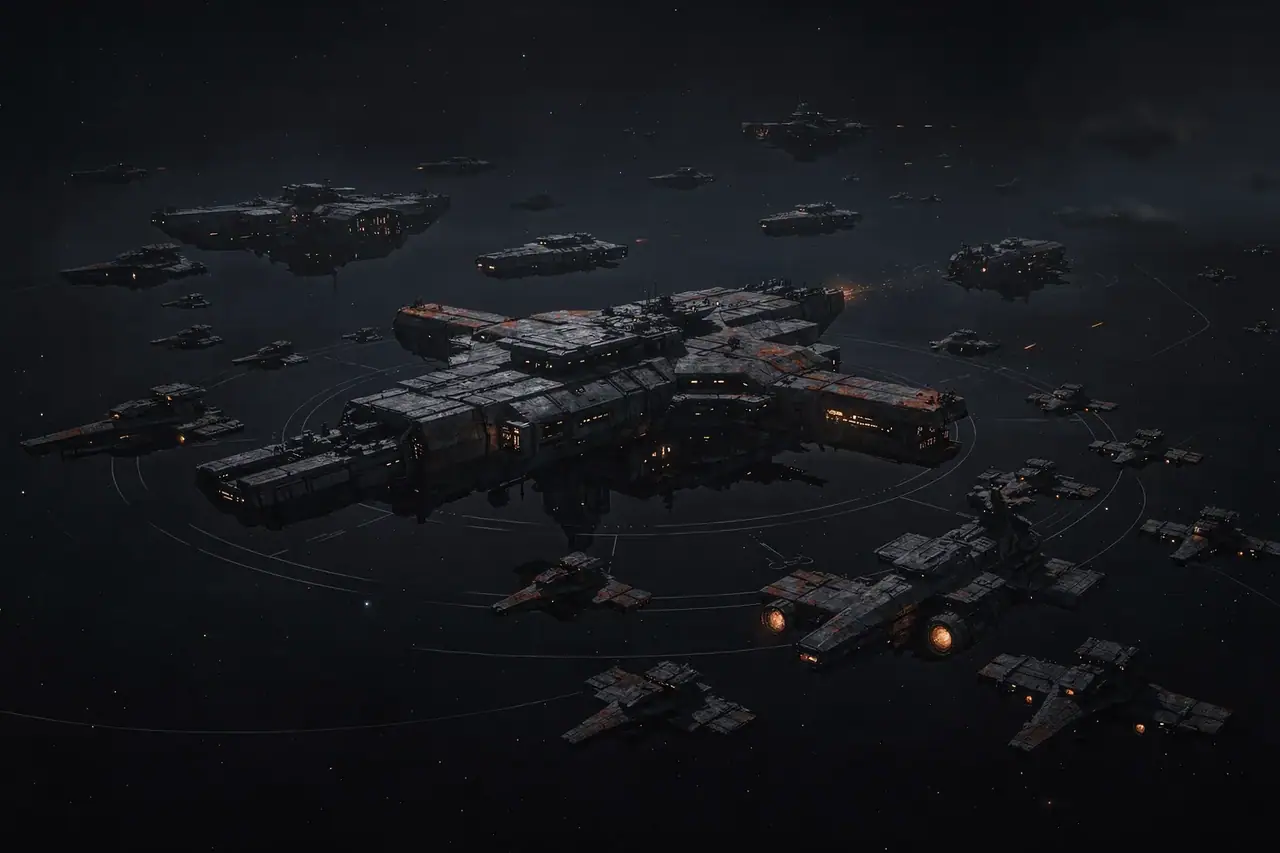
BorderZone’s position in Perrigen Falls appears to be stabilising, even as the region stays under pressure. The clearest sign is that defenders are regaining ground rather than simply absorbing the campaign’s momentum. That shift matters: it suggests the push is no longer moving in a single direction, and the contest around D-QJR9 has become a more contested struggle for control rather than a straightforward advance.
THE BORDER SHIFTS
This remains a localised campaign, but the pressure is spreading into new systems, which may indicate the front is adjusting rather than fading. With D-QJR9 added to the active area and 6Q4-X6 removed, the struggle is concentrating around a narrower set of objectives. For the region, that kind of change often signals a fight over staging, access, and the ability to keep pressure on the defender without overextending.
THE COUNTERPRESSURE
The fact that the defenders are regaining ground is the most important development in this update. It suggests BorderZone is no longer being forced back step by step, and that the campaign’s momentum is at least being checked. That does not end the threat, but it does change the shape of the conflict: attackers now have to work harder to sustain influence while defenders gain room to contest the field more effectively.
THE NEXT FRONT
Perrigen Falls is still very much in motion, and the campaign’s short age means the shape of the wider struggle is only beginning to settle. If the pressure continues to spread, more systems could come under strain; if the defenders keep recovering ground, the offensive may be forced into a slower, more deliberate phase. For now, the story is not one of a breakthrough, but of a front that is refusing to break.