THE HOLD
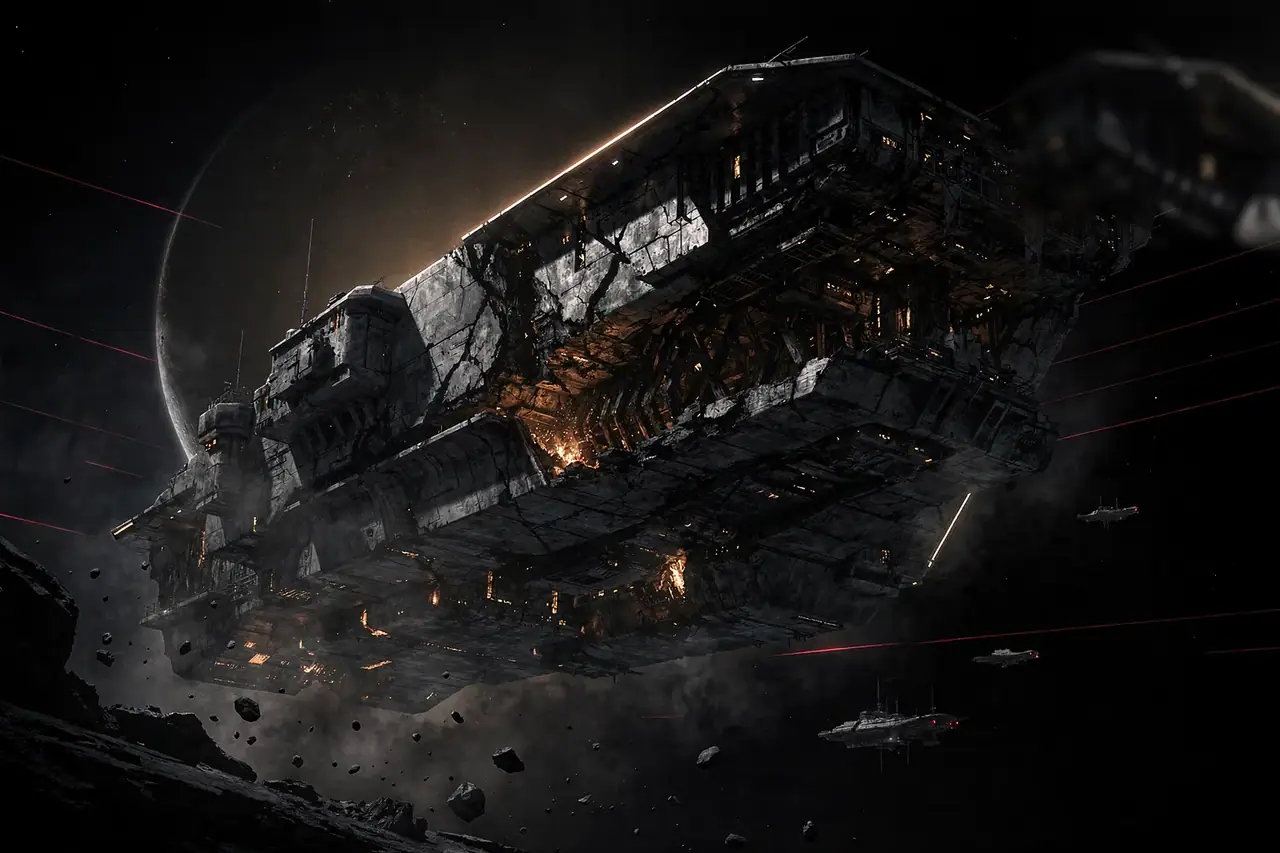
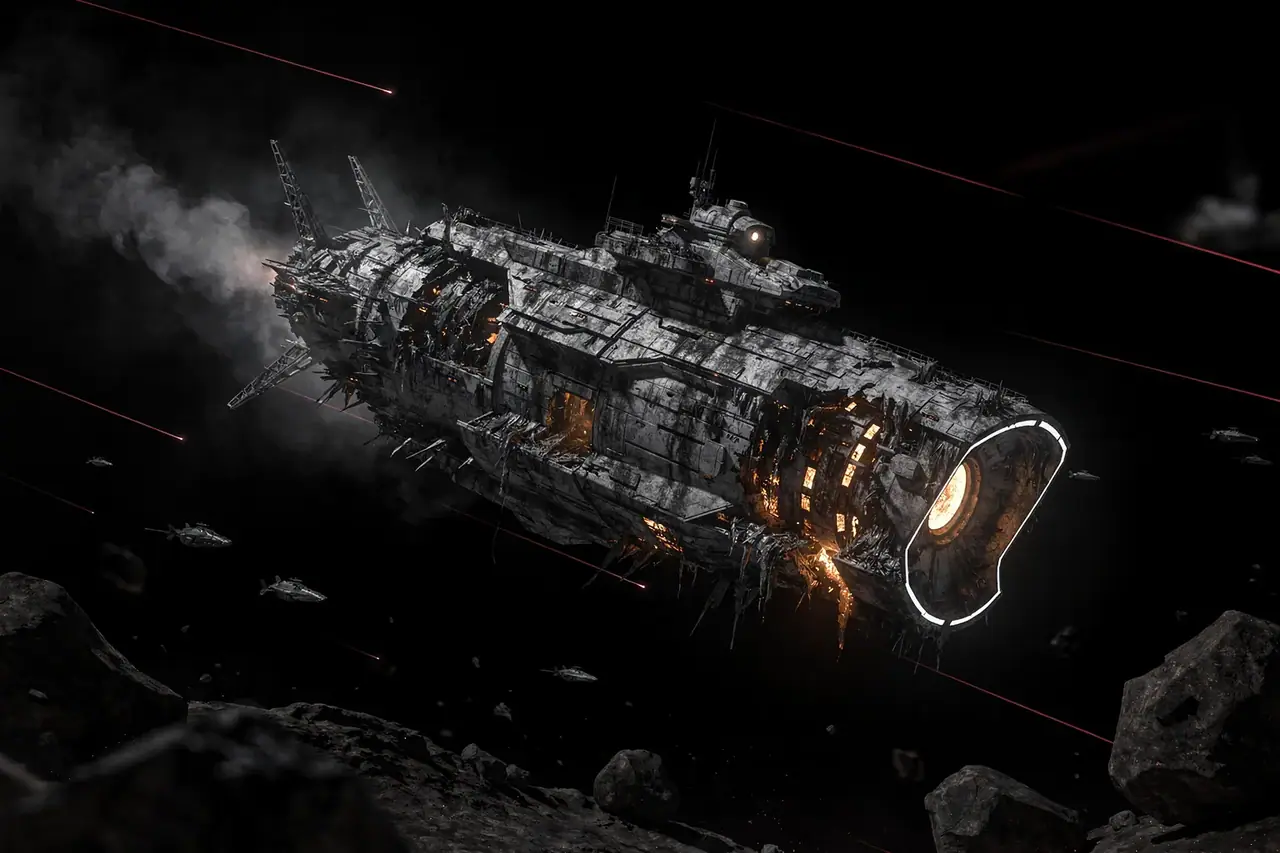
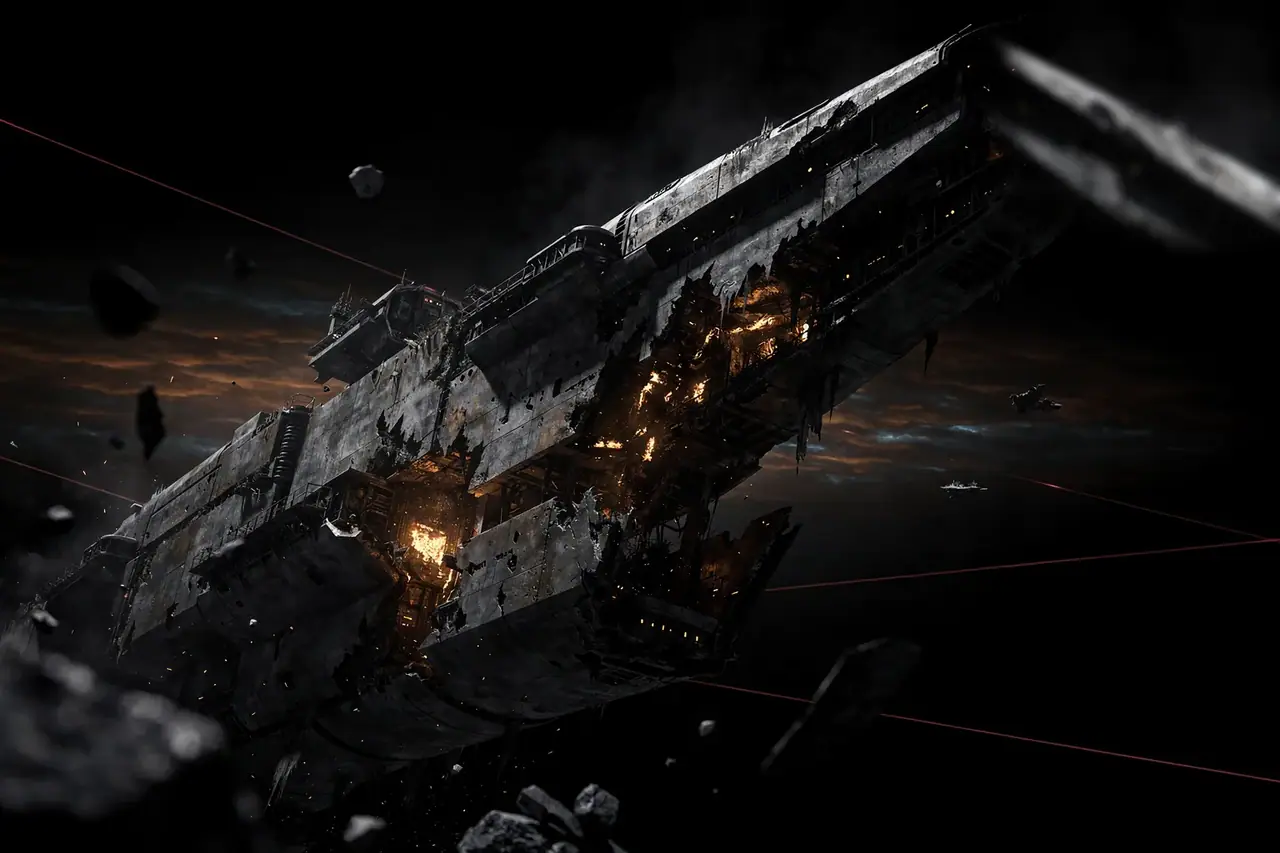
The clearest development in Outer Passage is the defenders’ recovery. D3ad End is still absorbing pressure, but the current balance suggests the line is no longer simply giving way. Instead, the fight is settling into a contest over control of a fixed front, with the defenders pressing back against the push across DJ-GBH, JBUH-H, SN-DZ6 and XDTW-F.
THE FRONT LINE
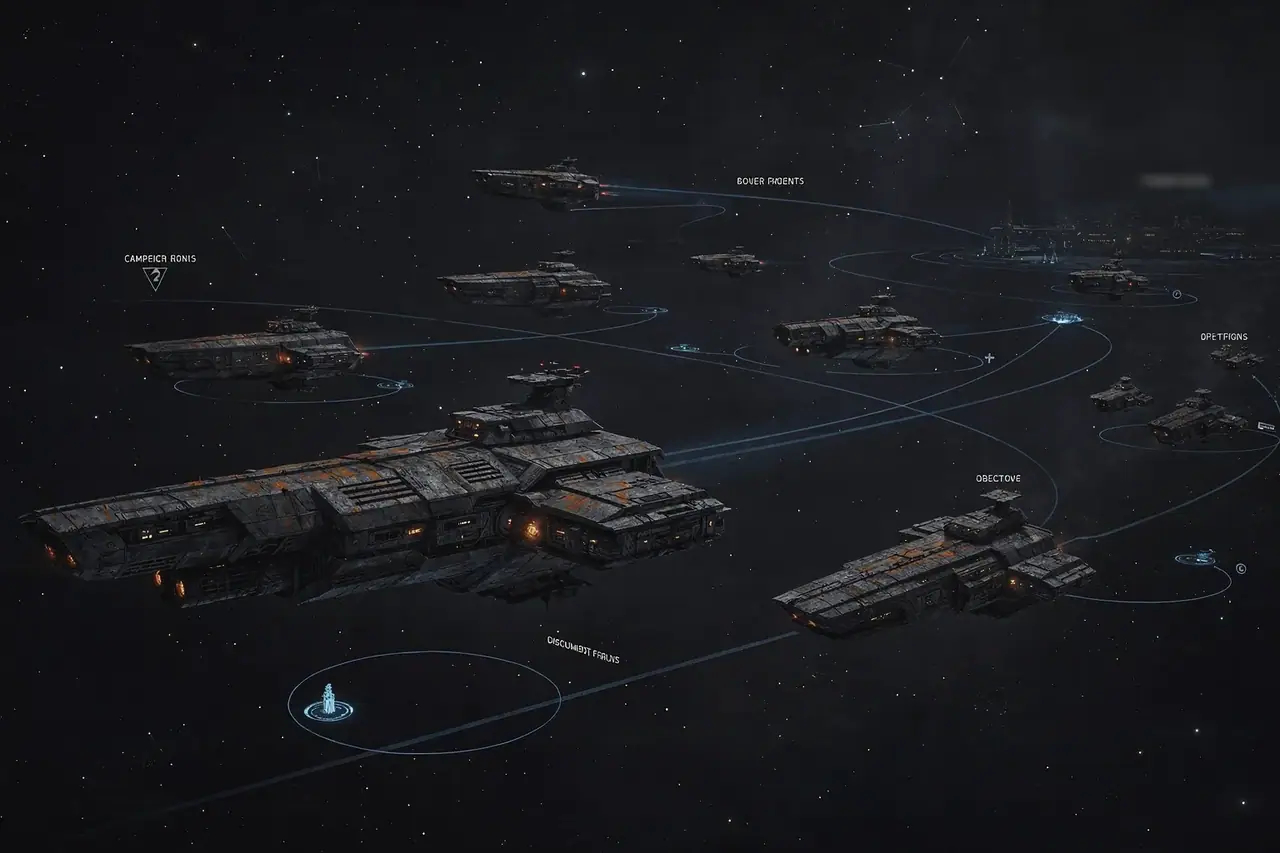
This is not a scattered series of isolated actions. The campaign scope remains broad, yet the pressure is concentrated in a stable front, which can matter just as much as raw numbers. When a regional campaign stops spreading and starts compressing into a narrower corridor, it often means both sides are committing to the same contested space rather than opening fresh ground elsewhere. That can give the defenders room to absorb, reorganise and recover territory already under threat.
THE SHAPE OF THE CAMPAIGN
The removal of 8K-QCZ from the active system set is the one notable map change in this phase, and it points to a narrowing of the active theatre. With no new systems added, the campaign appears to be consolidating around the remaining flashpoints instead of expanding outward. For a region under sustained pressure, that kind of consolidation can be important: it suggests the conflict is being fought more deliberately, with the weight of the campaign focused on fewer, more consequential systems.
WHAT IT MAY SIGNAL
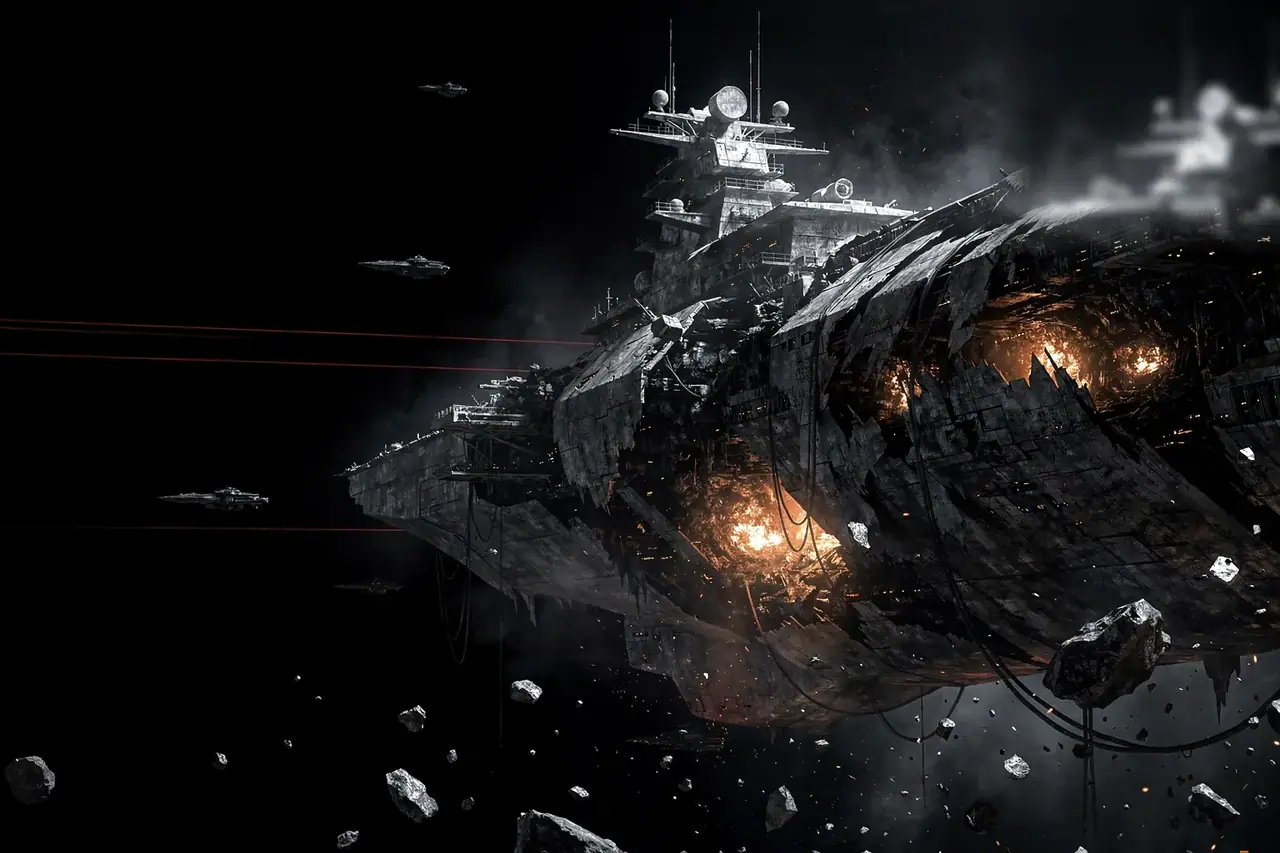
At this stage, the significance is less about a sudden breakthrough and more about endurance. D3ad End remains on the defensive, but the fact that the defenders are regaining ground hints at a front that is becoming harder to crack. If that trend holds, the campaign in Outer Passage could shift from a straightforward pressure campaign into a longer struggle over staging, access and strategic depth along the border.