
The Cheapest Thing on the Moon
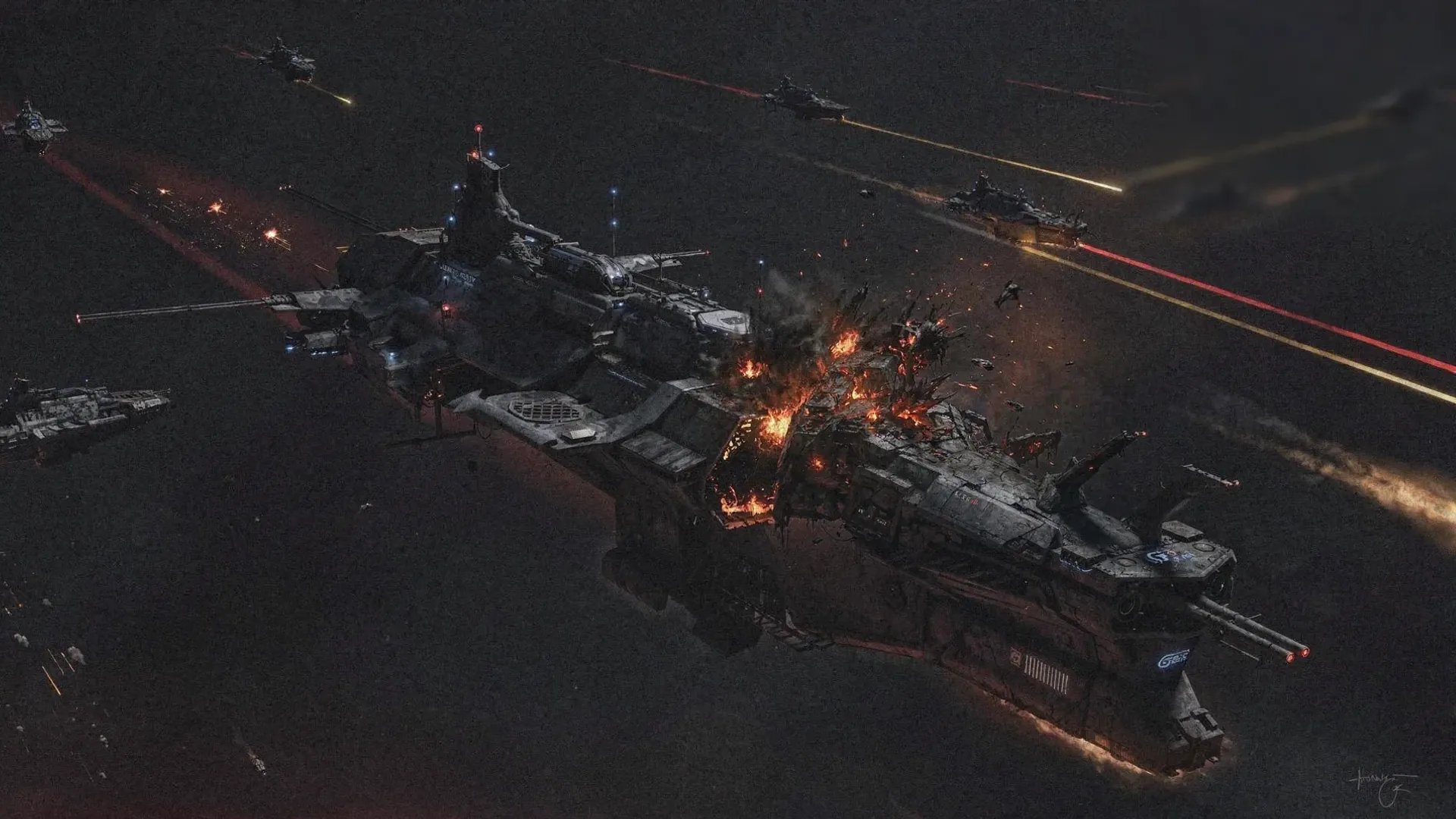
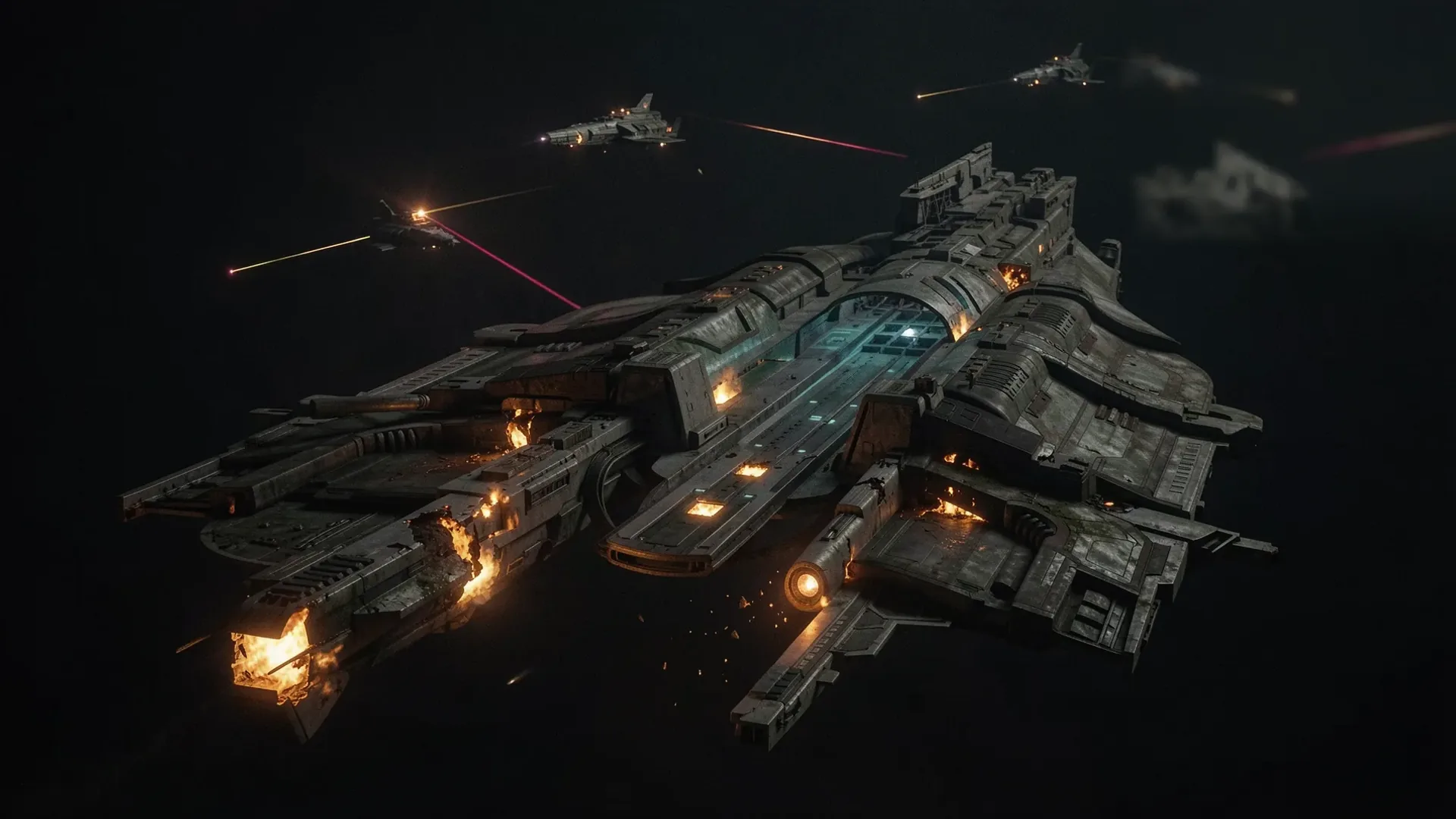
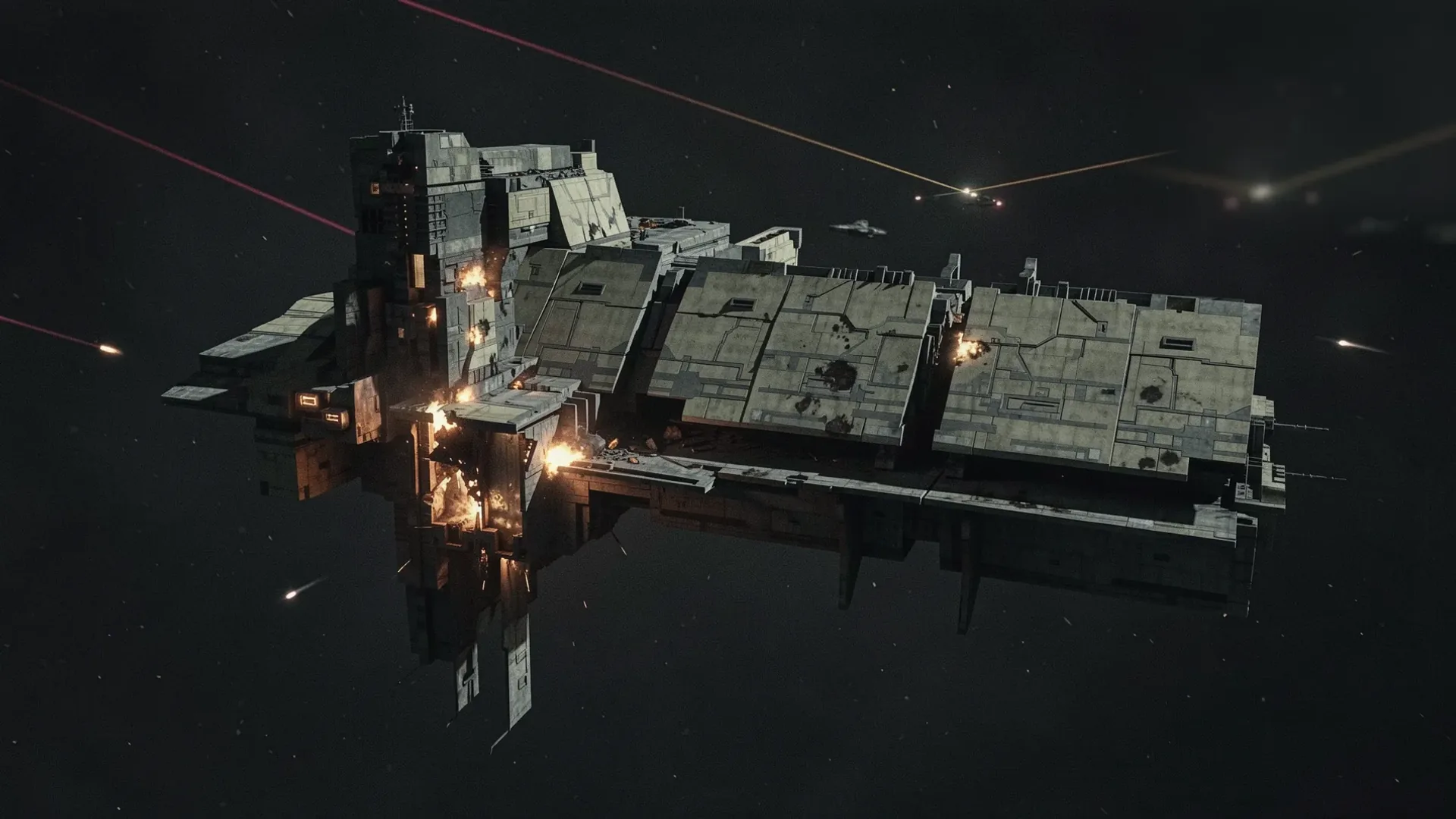
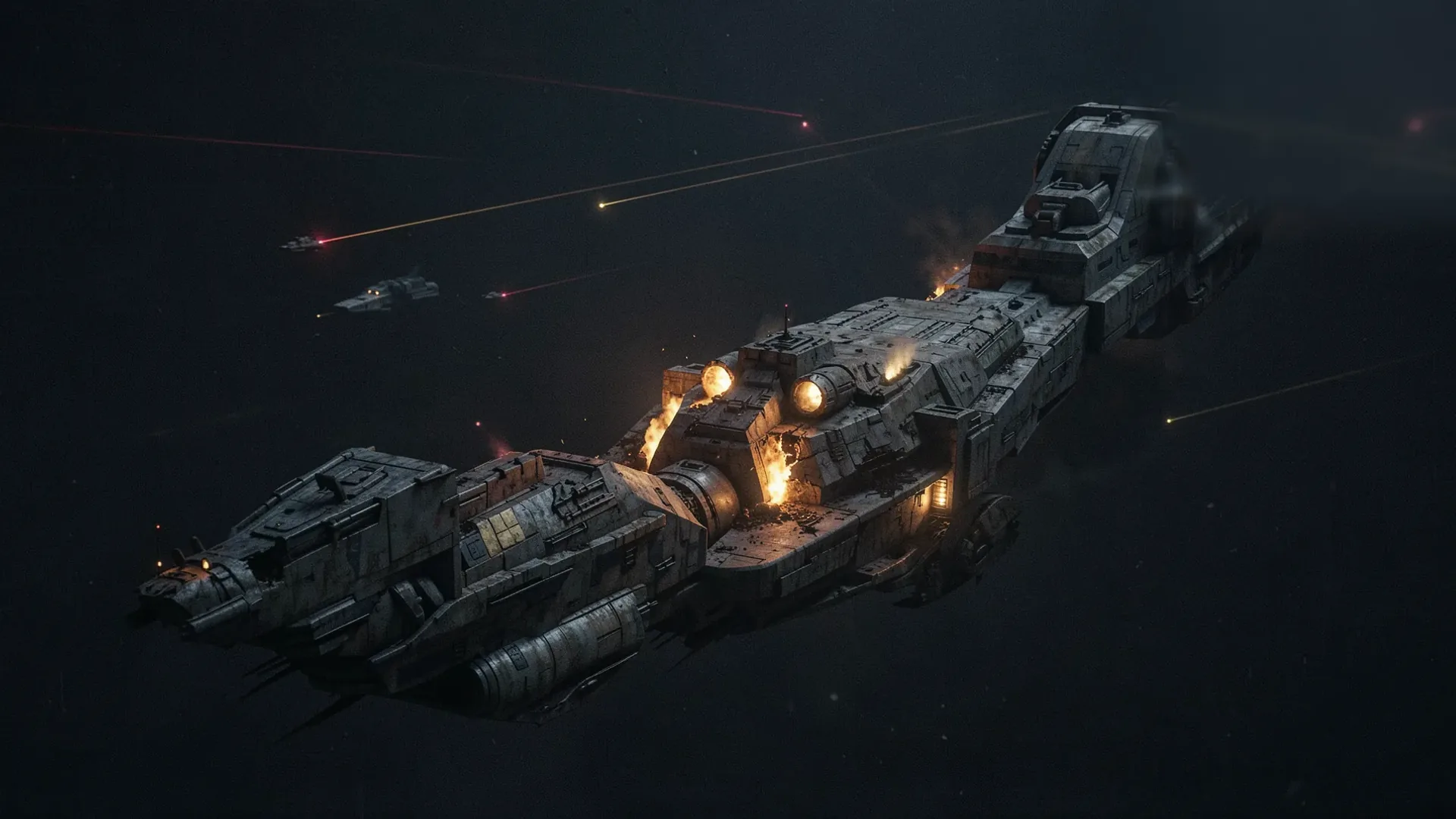
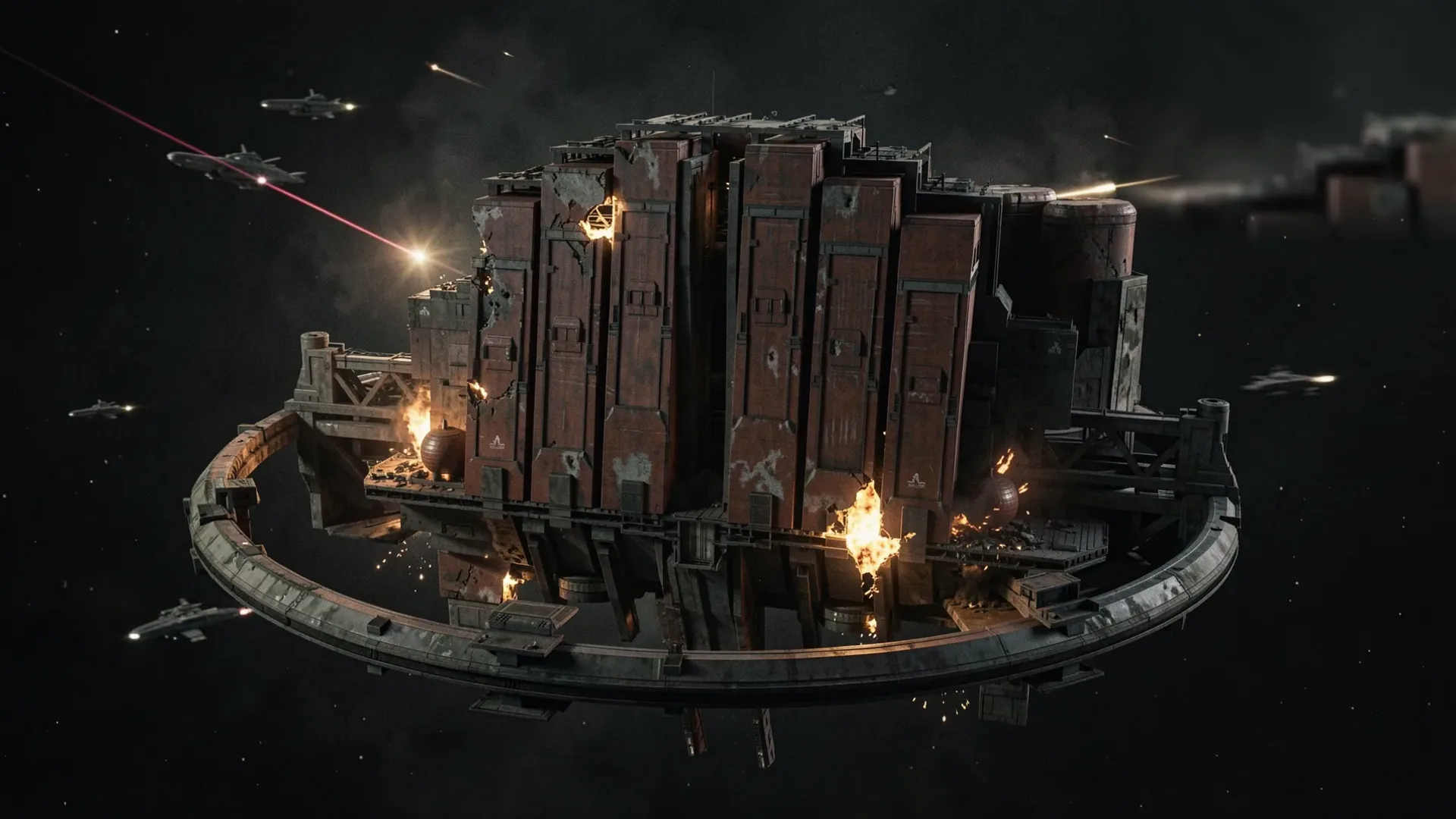
An Athanor is a moon drill with a pressure hull bolted around it: anchor at a moon, drink the goo, take a slice of the least glamorous and most reliable income stream in New Eden. It is the smallest refinery in the catalogue and one of the easiest things in the game to lose, which is exactly why moonfields fill up with them and exactly why they come apart in batches. Thirteen were destroyed in Pulin, roughly 22.2 billion ISK of industrial plant, and every one of them was a structure. Whatever else the fifty-two pilots did out there, they did not lose a hull between them.
Other People's Moons
The three refineries whose fate is clearest belonged to none of the headline names. One was held by Conqueror Worm Agency and Militia. The largest was Overkill Alliance and Vanguard's, and the final blow on it is credited to Anara Rital of BLACKFLAG. - a pilot's name attached to a structure kill rather than to a wreck. The third belonged to Limbs and Arteries Vanguard. Three holder alliances, three separate owners, and no sign of who, if anyone, brought ships to defend the timers. Who held the remaining ten is not established. What is established is the direction of the damage: other people's industry burned.
Two Colours, No Wrecks
The engagement groups BLACKFLAG. on one side and, on the other, Bone Saws and Scalpels Militia alongside Pneumothorax and Necrotic Militia - an alliance banner against a pair of militia corporations. That grouping is not proof of who traded fire with whom, who arrived together, or who was still on the field when the last anchor went up, and nothing here describes the ships either side brought because none were lost to describe. Fifty-two pilots is a real turnout, not a roaming gang: enough bodies to screen a timer, hold a gate and make the other side work for it. The weight that can actually be pointed at landed on things that cannot move out of the way.
What Pulin Kept
The moons are still there. The goo is still there. Thirteen anchors sit empty, and the industrial capacity they represented has left Pulin until somebody plants replacements - which, on a moonfield, is the whole argument. There is no exchange rate to read here, no telling whether the holder alliances saw it coming, and no answer to who held the field once the shooting stopped. What is settled is a bill and a map: thirteen refineries gone, and a ship-loss column full of nothing. In a war paid for out of moon income, that is a score collected from the people who owned the drills - not necessarily from the people who brought the fleets.