A Wormhole With No Easy Way Out
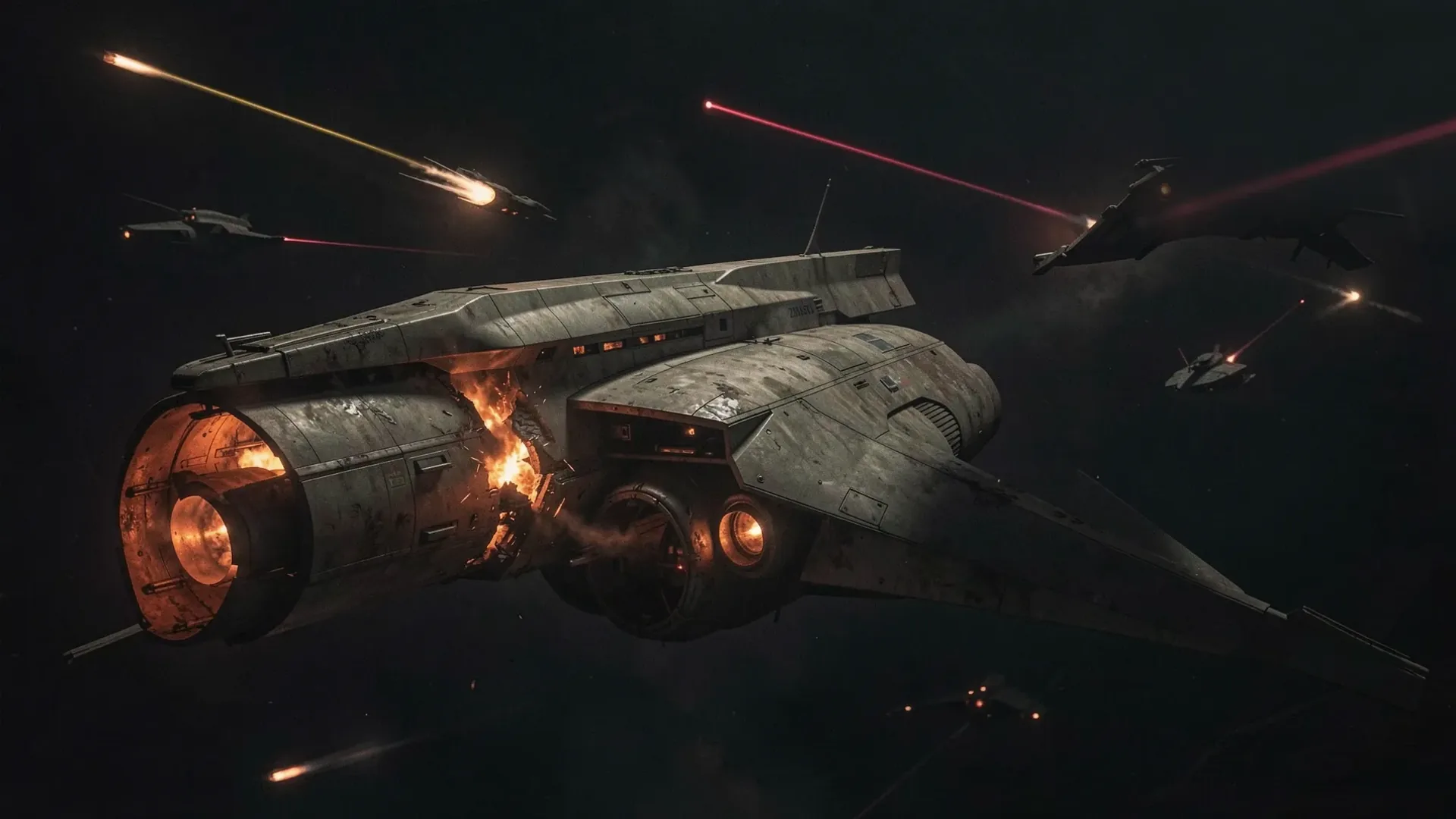
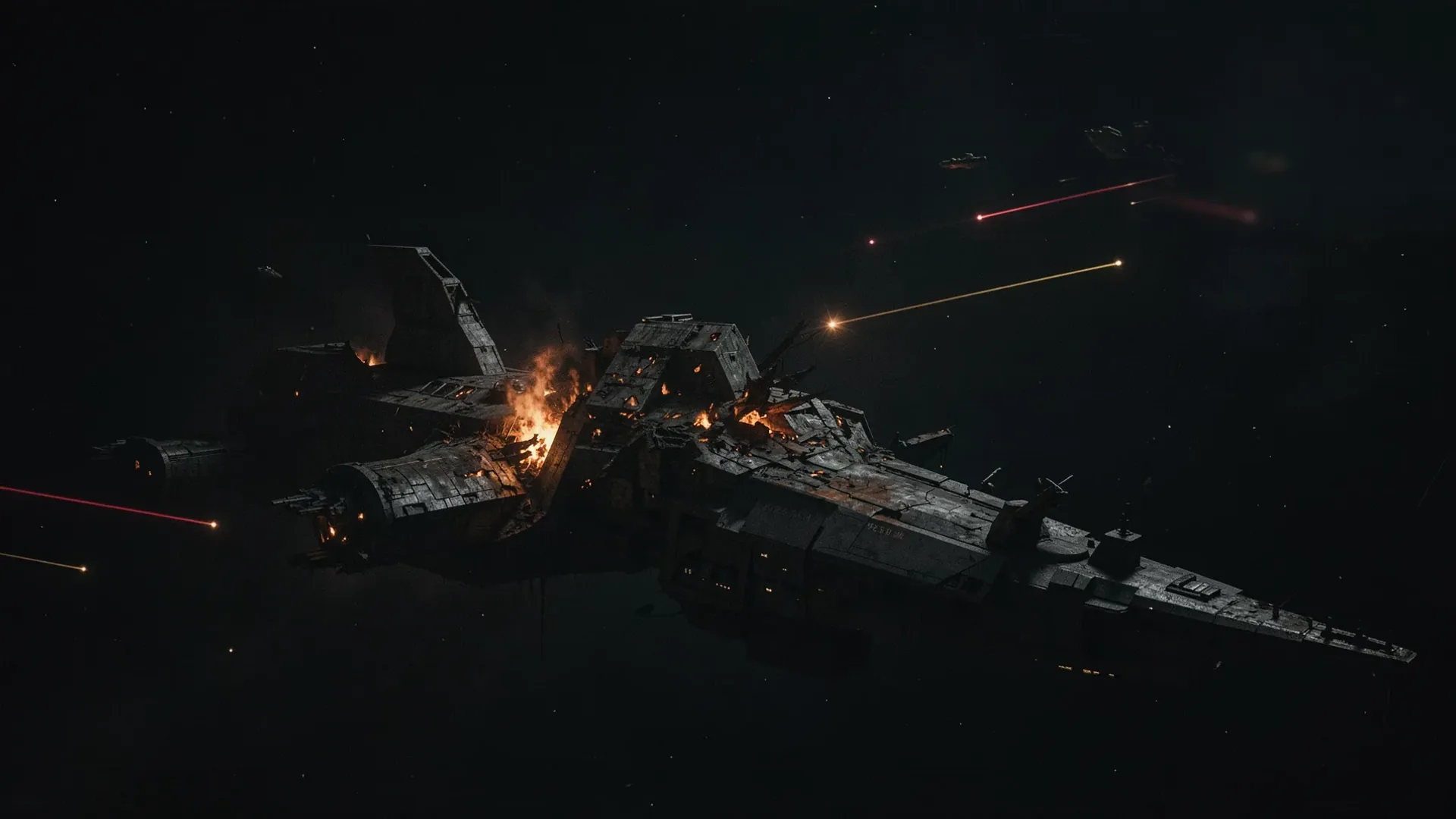
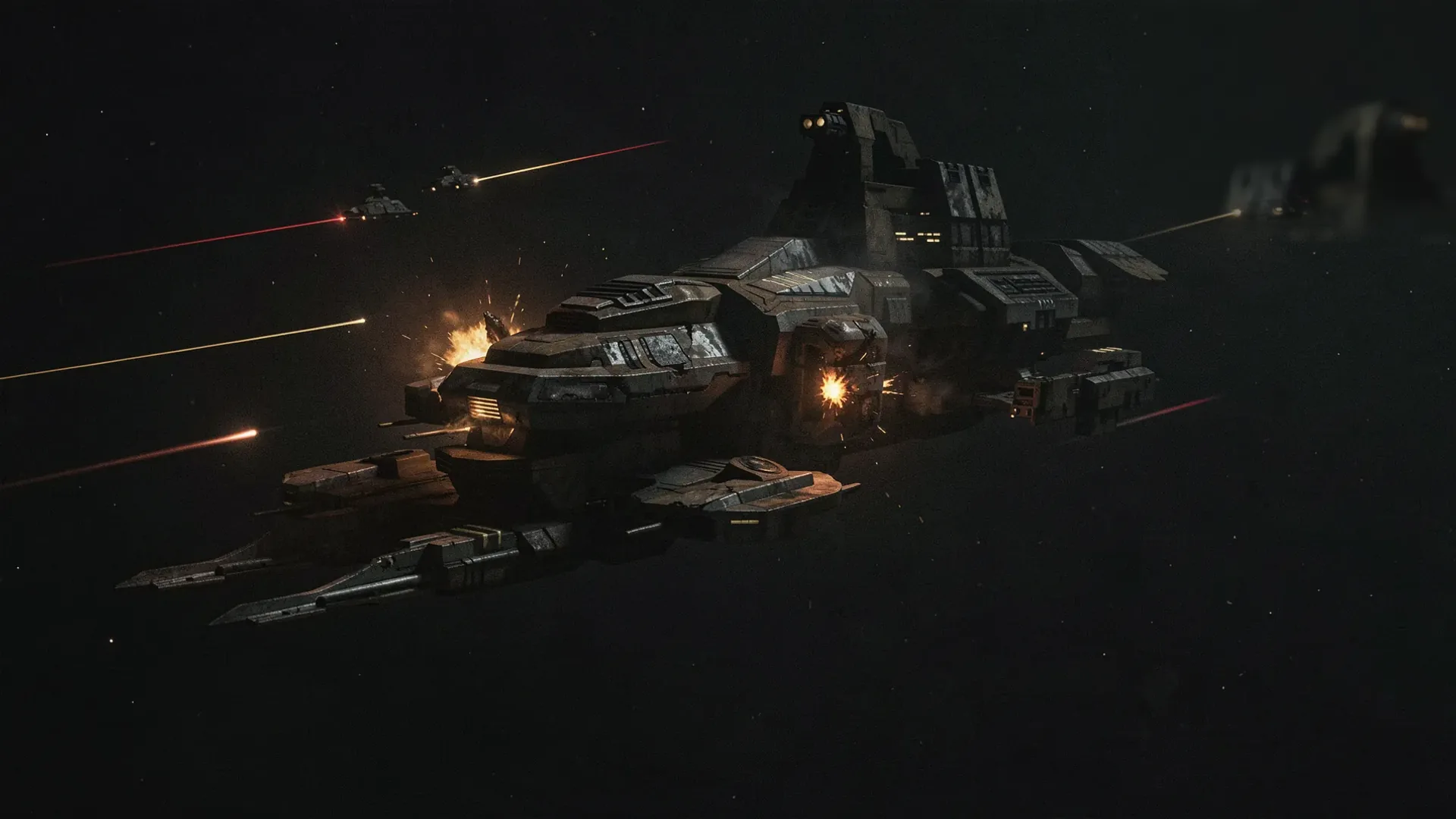
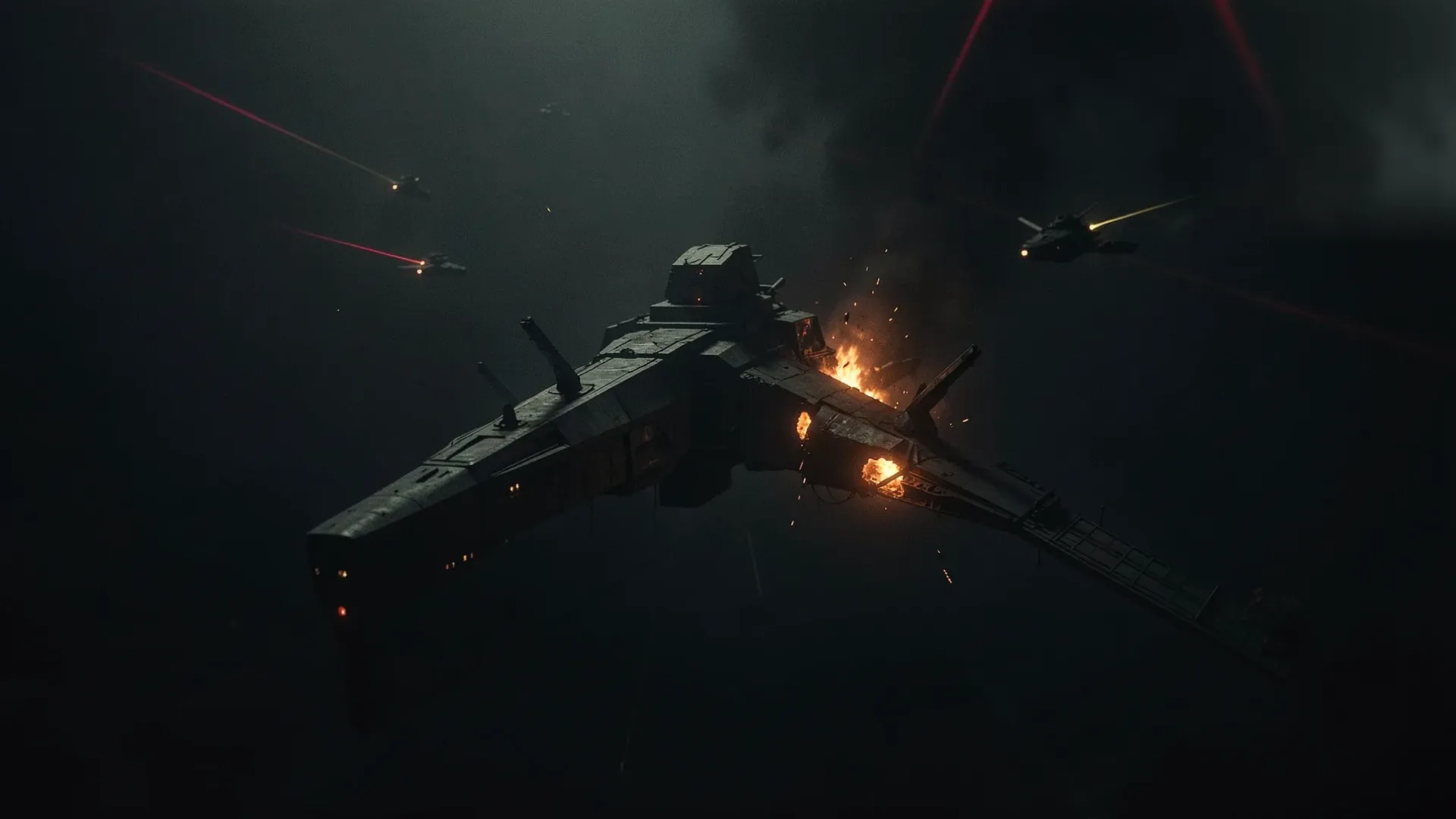
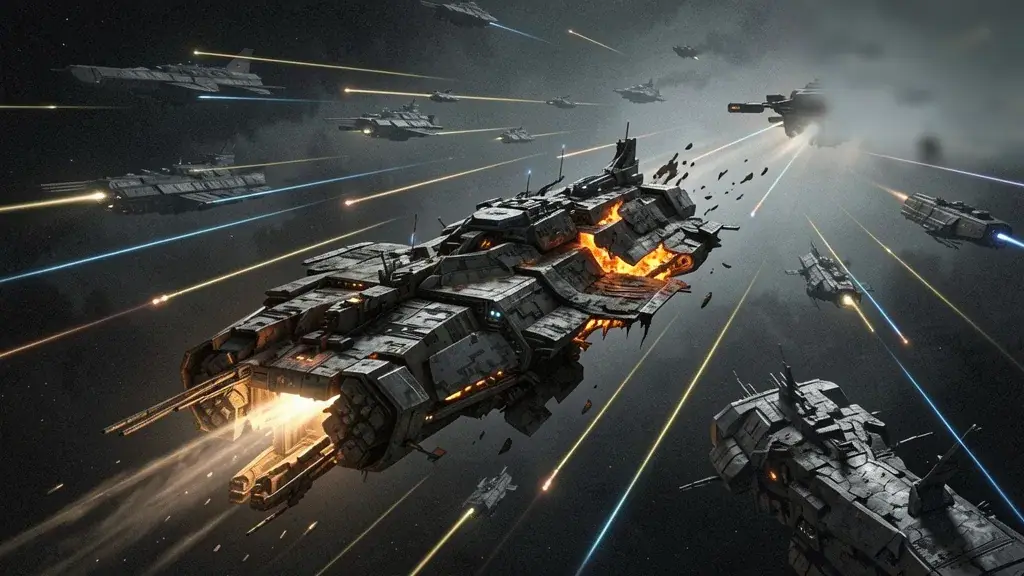
J151530 sits in wormhole space, filed under the region designation E-R00028. That matters more than the system's name, because wormhole space does not work like the rest of New Eden. There are no stargates to gate-camp, no route home to calculate, and no local channel quietly counting who is in the system with you. Entrances open and close on their own schedule, and the only way out is through a hole someone else may already be watching. It is also a place where capitals are a genuine commitment. Bringing a dreadnought or a force auxiliary through a wormhole requires a connection big enough to take the mass, and once the ship is inside, leaving again is not a matter of plotting a route. You have bet the hull on the hole staying open. The numbers from this fight are the kind that normally belong to nullsec: 154 pilots, 86 confirmed losses, three capital ships destroyed and no supercarriers or structures anywhere near the ledger. Nothing here was a structure bash with a fleet parked on a timer. These were ships on a grid, shooting at each other, and one side or both clearly decided the capitals were worth the risk.
It Opens With a Loki
The earliest confirmed loss belongs to Diamond Dogs. - a Loki, down at 22:28 UTC. Strategic cruisers are quick, flexible, expensive enough to sting and often the ship that finds the fight in the first place. Whether this one was scouting, holding a point, or simply in the wrong place when the shooting started is not something the data records. What it does record is that within the same thirty-six minute window, the engagement escalated from a strategic cruiser to the largest capital losses the system would see. The timeline does not explain motive, only sequence. But the sequence is blunt: the fight opened with something fast and disposable, and it closed with ships that are neither. Somebody's first move was to commit a recon-capable cruiser. Somebody's next move was to commit dreadnoughts. In wormhole space that second decision is not just expensive, it is potentially one-way.
Three Capitals Sign the Bill
Three capitals died in J151530. Two of them are visible near the top of the loss table, and both are the kind of loss that reshapes a fleet's evening rather than just denting it. The largest entry is a Phoenix Navy Issue, listed at just over 22.7 billion ISK. The Phoenix is the Caldari dreadnought, and the Navy Issue variant is the faction version - a hull that reaches that kind of price tag only when somebody has bolted genuinely valuable modules onto it. On a wormhole grid, a faction dreadnought is not a ship you feed in casually. It is the answer to a question somebody asked about whether the other side really wanted to hold the field. Beneath it sits a Lif at roughly 17.25 billion ISK. The Lif is a force auxiliary - a capital-class repair ship, the thing that keeps everything else alive. Losing one does not just cost ISK; it removes the reason the rest of the fleet was still standing. A 17 billion ISK Lif is a very, very expensive way to stop healing. The supporting losses fill in the shape of the fight. A Bhaalgorn at 7.37 billion - a Blood Raider battleship built around energy neutralisers, the classic tool for shutting down a capital's capacitor and therefore its tank. A Nighthawk at 5.35 billion, a command ship, the kind of hull that exists to make everyone else's guns and tanks better. Repair, neutralisers, boosts: the losses run straight through the parts of a fleet that keep it fighting. Whatever happened in J151530, it happened to the backbone.
Everyone's Name Is on Both Lists
The kill ledger is where this fight stops behaving like a normal battle report. No Vacancies top the attacking side with 33 kills. Diamond Dogs. are close behind on 25, followed by URSA PRIMUS with 8, Lethal Devotion with 6 and GARRY'S EMPIRE with 5. Now flip it over. Diamond Dogs. lost 20 ships. Shadow Legion X lost 19. Outfit 418 lost 15. Lethal Devotion lost 12. No Vacancies lost 10 of their own. Three organisations - Diamond Dogs., Lethal Devotion and No Vacancies - appear on both sides of that ledger. The single heaviest traffic belongs to Diamond Dogs., who finished the night with 25 kills and 20 losses, which is the statistical signature of a fleet that spent thirty-six minutes in the middle of everything rather than on the comfortable edge of it. No Vacancies came off best by the raw count, 33 kills against 10 losses, but a double-digit loss column is not the mark of a group that walked away untouched. Without clean team data for this engagement, it would be wrong to draw firm sides and call one fleet the victor. What the numbers support is something messier: a brawl, or a fight that kept pulling in new arrivals, where shooting continued in more than one direction and opportunism was rewarded as much as planning. Wormhole space is very good at producing exactly that.
Thirty-Six Minutes, Then a Capsule
The final confirmed loss was a capsule belonging to Diamond Dogs., logged at 23:03 UTC. Pods only die when the shooting is still going on after the ships are gone - when people are trying to get clear and someone is still willing to chase them across the system to finish it. That is the note the fight ends on: not a withdrawal, not a stand-down, just thirty-six minutes of attrition that ran all the way down to the escape pods. Barlon Rusteph finished the engagement as the top damage dealer across the field, which in a fight this spread out means consistently being in the right place while everyone else was trying to leave it. Add it up and J151530 cost its participants around 97.2 billion ISK, with 86 ships destroyed, three capitals among them and not a single structure touched. That total lands just shy of the 100 billion ISK mark that tends to separate a hard night from a memorable one, and it was achieved without any of the set-piece advantages of known space: no gate to retreat through, no station to dock at, no asset safety quietly protecting anything. The wrecks stay where they fell. The Phoenix Navy Issue and the Lif are not coming back, and replacing a capital inside a wormhole is not a market transaction so much as a logistics project - you have to find a hole big enough to bring the replacement through, and hope nobody is watching it this time.