The Most Expensive Hull in Vecamia Wasn't a Dreadnought
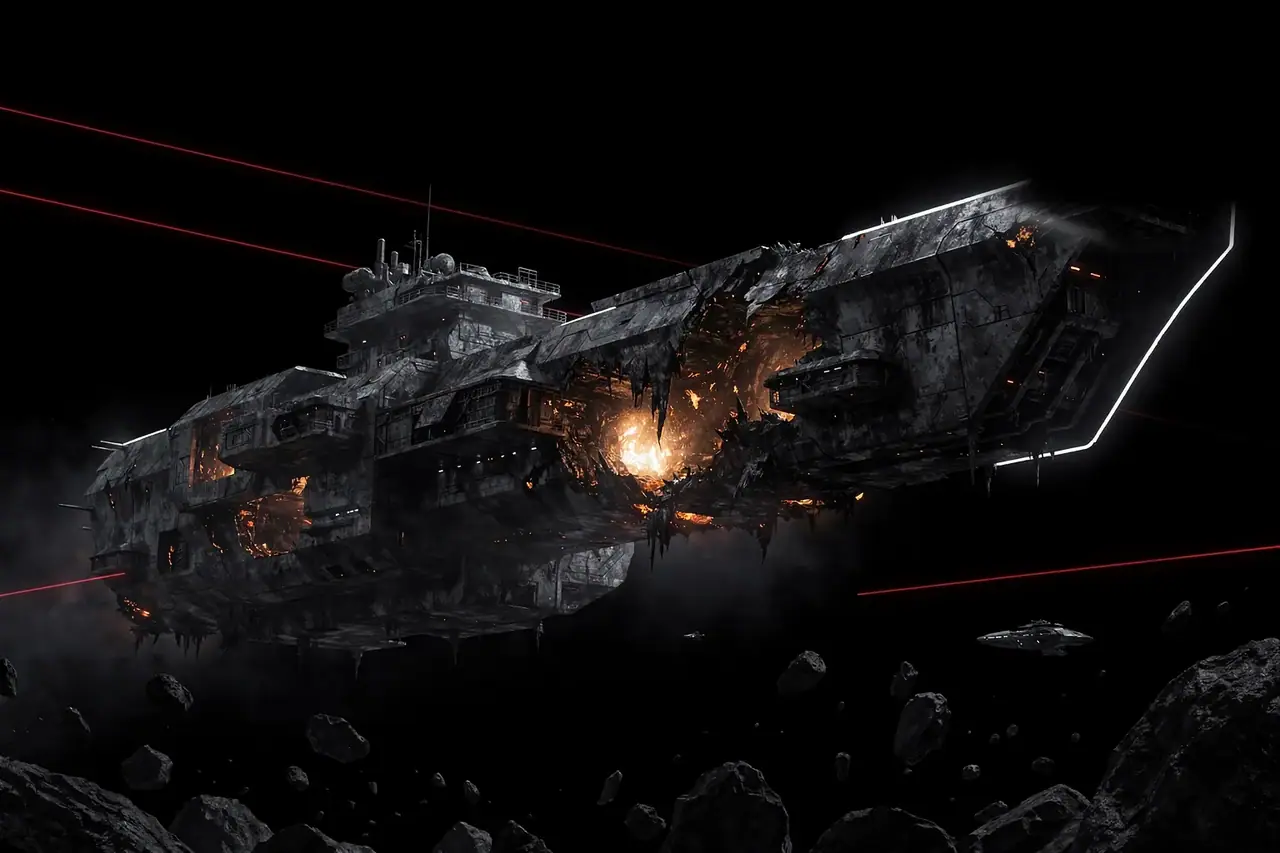
The biggest single loss of the engagement was a Marshal, and the number attached to it is the kind that makes people read twice: 50.9 billion ISK. One CONCORD battleship, a hull whose price tag comes from rarity more than from firepower, and it alone accounted for roughly 39 percent of everything destroyed in the system. For scale, the next-largest loss was a Phoenix dreadnought at 16.3 billion ISK, followed by a Revelation at 9.7 billion and a Revelation Navy Issue at 6.3 billion. The Marshal cost more than three times the Phoenix and more than five times the Revelation. In a fight where capital ships were committed and twelve of them died, the most expensive thing on the grid was, technically, not a capital at all. That is the sort of detail that keeps killboard archaeologists in business.
One Loss Every Twenty-Three Seconds
The totals describe a capital battle. The clock describes something closer to a blitz. The first confirmed loss landed at 18:36 UTC and the last at 19:24 - forty-eight minutes, 126 hulls, which works out at roughly one ship destroyed every twenty-three seconds, sustained, with no pause long enough for anyone to catch their breath. Three hundred and eighteen pilots were involved. That is enough traffic to make local chat useless and enough overlapping weapon fire that the fight was probably never a single tidy engagement so much as a rolling series of them. There were no Titans and no supercarriers: the ceiling here was dreadnought-weight, and it was reached repeatedly. At that tempo the gap between a good decision and a fatal one is measured in seconds, and 126 hulls suggest plenty of people found out the hard way.
Five Names Doing the Killing, Five Doing the Dying
The kill mails credit five organisations with the bulk of the work: African Atomic. on 29 kills, Suddenly a Covert Cyno on 12, Armilies Independent Operations and Dishonorable Duel Disturbance on 9 each, and Jerkasaurus Wrecks Inc. on 6. That is 65 confirmed kills from five banners, with one group carrying noticeably more of the load than the rest. On the other side of the ledger, the five hardest-hit organisations were Armilies Corporation with 9 losses, URSA PRIMUS with 7, and Infernal Corporation, Emergency Temporal Shift. and Cybertrash with 6 apiece - thirty-four losses between them, with the remaining ninety-odd spread across pilots flying under other colours. One curiosity sits in the middle of that list: Armilies Independent Operations appears among the attackers while Armilies Corporation appears among the victims. The two may be related, may be old friends settling something, or may simply share a popular name in Genesis. The data does not say, and Vecamia is not explaining. On the damage tables, one pilot finished clear at the top: Niko72.
Twelve Capitals, One Structure, and No Titans
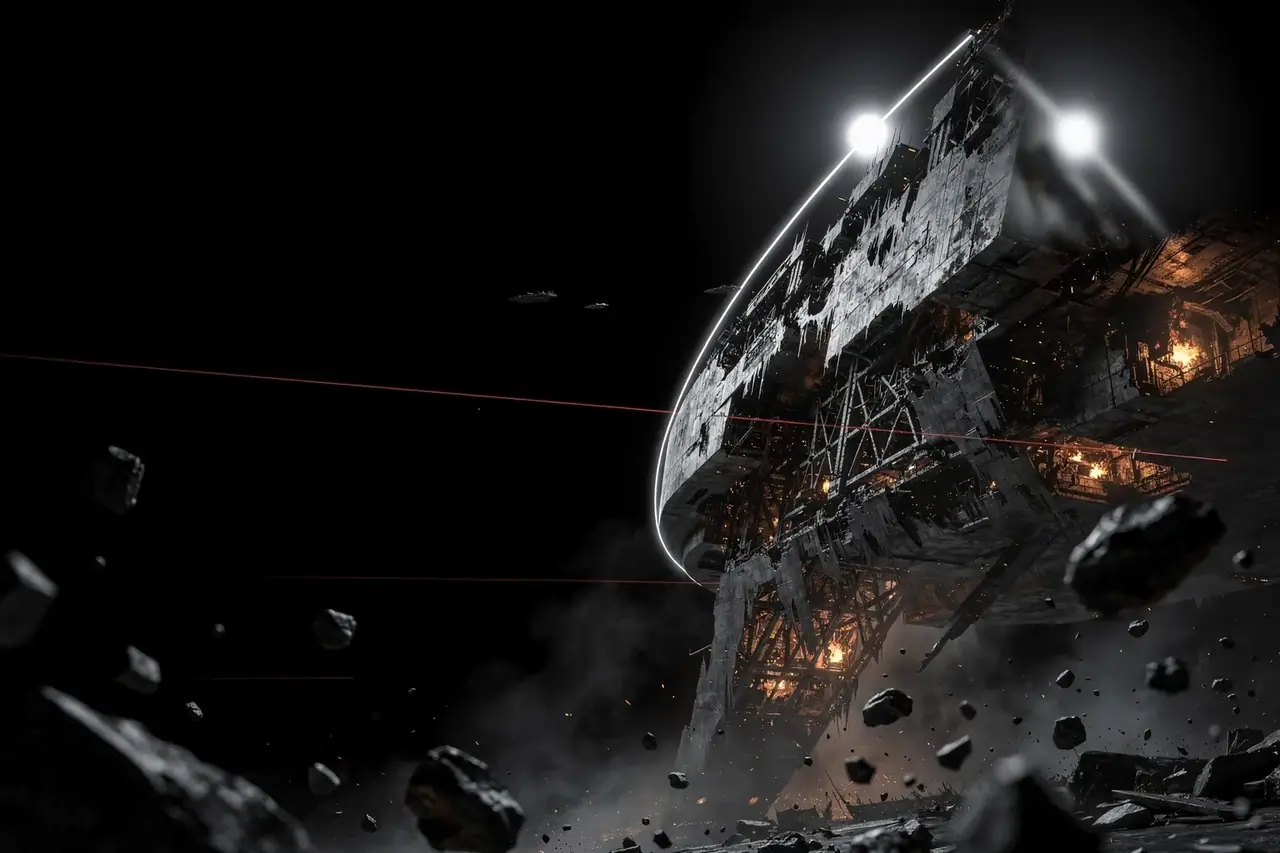
Twelve capital hulls were destroyed in under an hour. In an environment where capitals are slow to build, slower to insure and painful to replace, that is a serious afternoon's work for whoever was on the winning side of the exchange, and a long rebuild for whoever was not. The engagement also recorded a single structure loss, and it was the very first entry on the timeline: Toxic Awoxic's Standup Templar I, the kind of fighter launched by an Upwell structure, died before anything else did. That detail suggests a structure was part of why everyone had gathered in Vecamia in the first place - though whether the fight was over it or simply around it, the evidence does not settle. What it does show is a fight that escalated fast and stayed escalated, dragging capitals into a system and keeping them there for the better part of an hour. No supercapital losses were recorded, which likely means nobody reached for the truly irreplaceable hardware. Some restraint, at least, was on display.
The Arithmetic After the Shooting Stopped
Across 126 losses, the average hull destroyed in Vecamia was worth a little over a billion ISK. Remove the Marshal from the equation and that average drops to roughly 650 million. One ship, one pilot's decision about what to undock in, moved the entire statistical shape of the engagement. That is the quiet story underneath the headlines: this was not a battle defined by massed capital attrition so much as a fast, messy, high-traffic brawl in which most losses were ordinary and one was anything but. The exact reasoning behind the escalation remains out of sight, and the strategic consequences for Genesis are not yet clear - it may have been a structure timer that got out of hand, a bait that worked, or simply two groups who found each other at the wrong moment and refused to blink. What is certain is the bill. Vecamia's fight lasted forty-eight minutes. Some of the replacement queues will last rather longer.