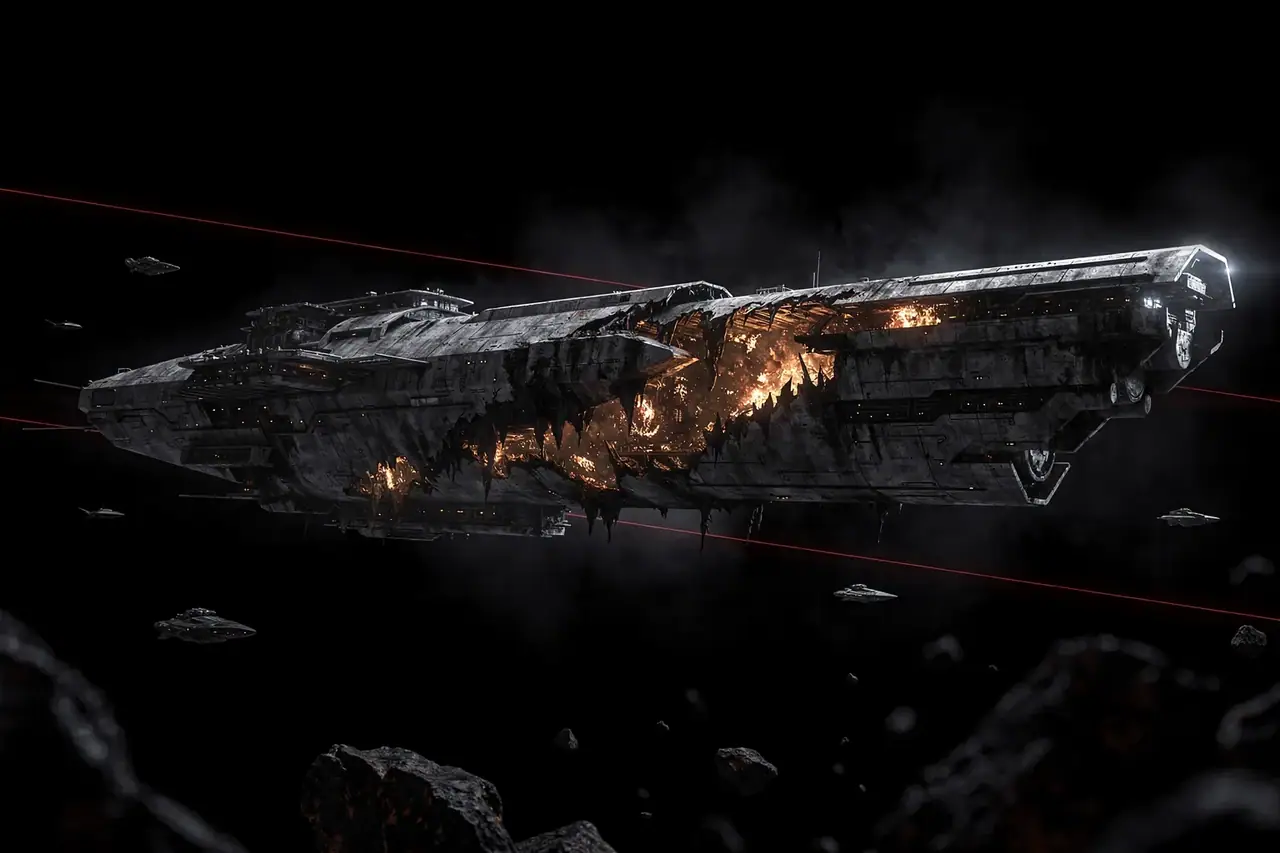
An Osprey, and Then Everything at Once
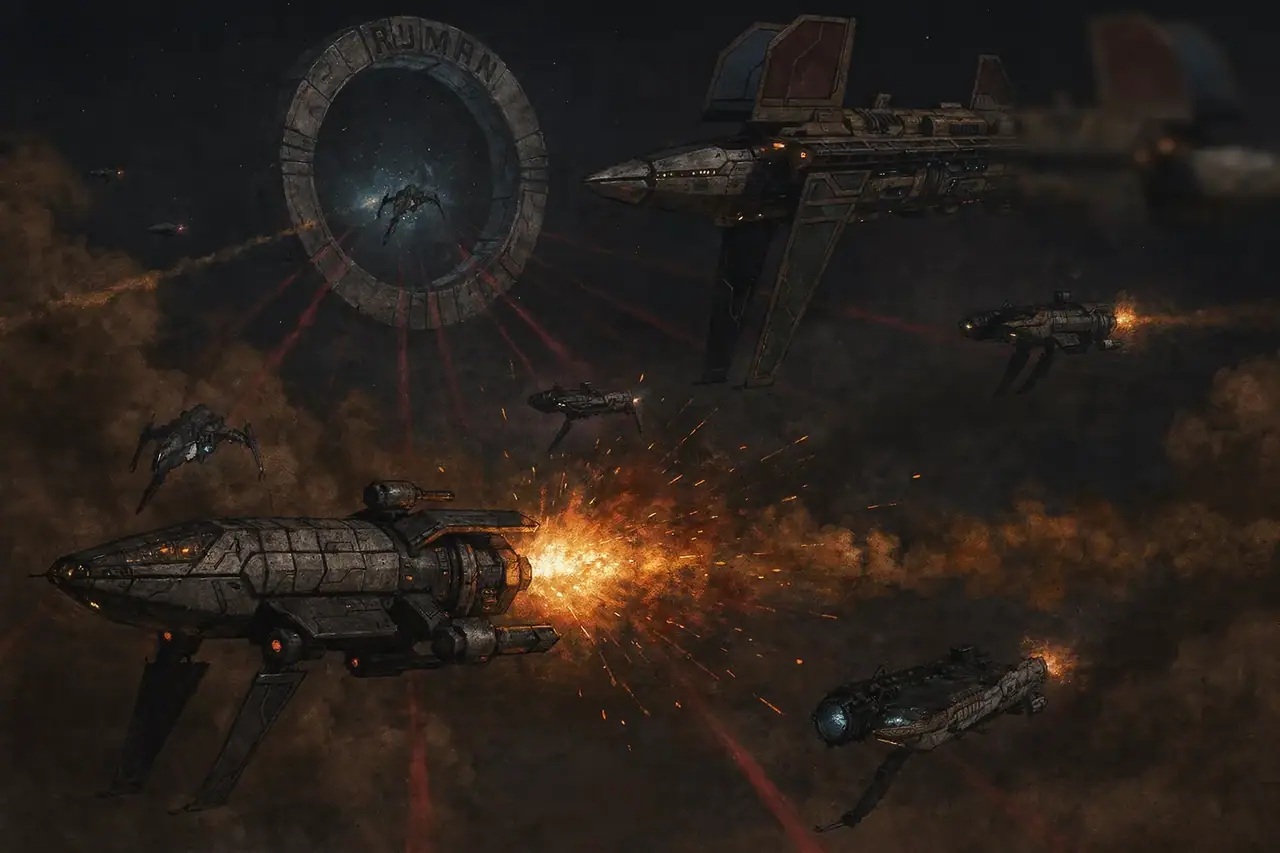
It opened with an Osprey Navy Issue - a Caldari cruiser, not the sort of hull you would expect to start a fight of this size. Bloodsport Inc. lost it at 23:05 UTC, and for the next 114 minutes Floseswin did not stop producing killmails. By the time the numbers settled, 3,225 unique pilots had been drawn in. That is not a fleet. That is closer to several large coalition fleets occupying the same grid at the same time, and a local count that most players will never see outside of a major deployment. A system holding that many pilots is not a system anyone is passing through quickly. The pace tells its own story. Three hundred and seventy-nine losses across 114 minutes is one ship destroyed every eighteen seconds or so, from the opening Osprey to the closing pod. Fights like that do not have lulls. They have short breaths between the next wave going in.
The Raven Line Paid for the Evening
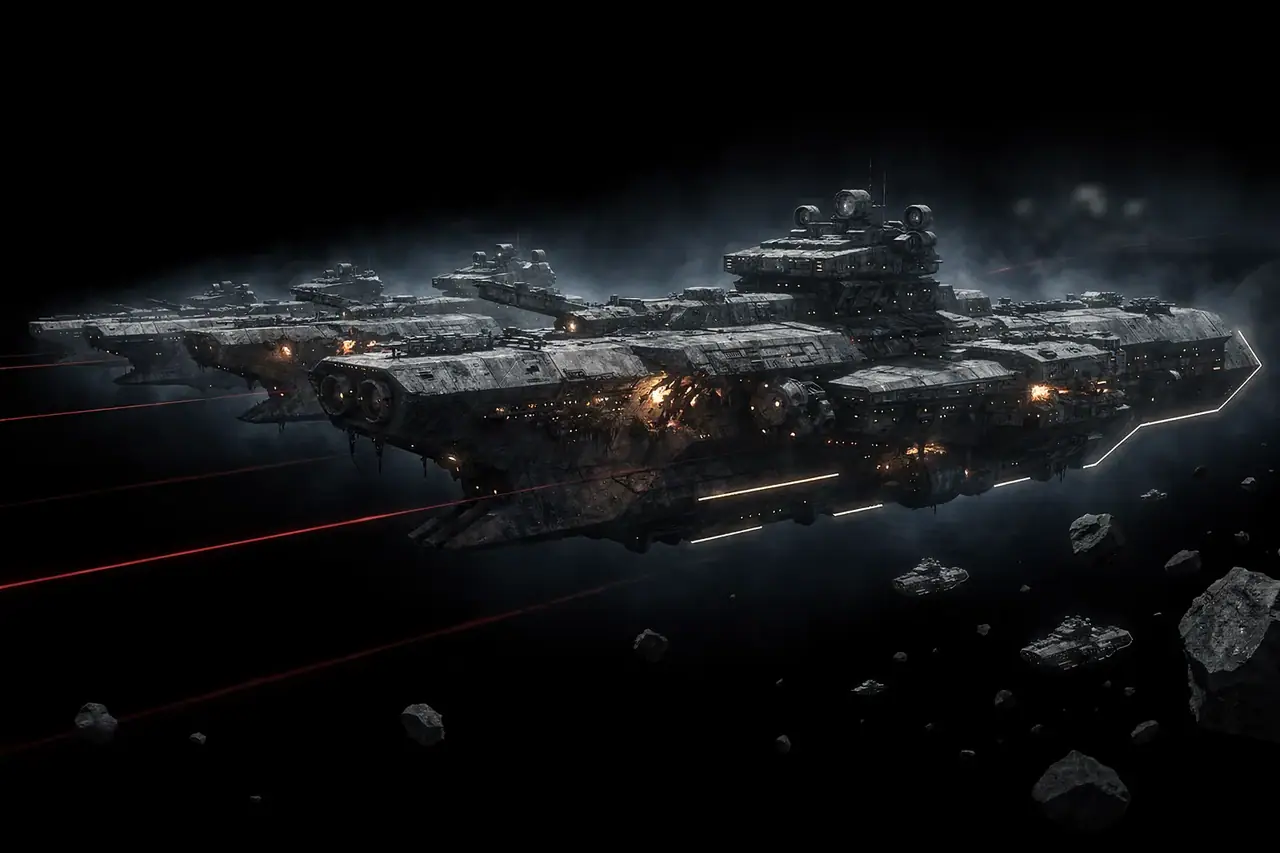
Break the losses down by hull and the character of the fight becomes obvious: this was a battleship brawl with a supporting cast, and the battleships took the worst of it. More ISK died in Ravens than in anything else - 55.6 billion ISK of them, close to a third of the entire night's destruction. The Raven is Caldari's workhorse battleship, a missile platform that has anchored large-fleet doctrines for so long that several hundred of them on one grid is practically a New Eden tradition. Its great virtue has always been that it is cheap enough to lose. At Floseswin, an enormous number of them were lost. Amarr's Sacrilege accounted for another 27.4 billion ISK. The Heavy Assault Cruiser exists to trade raw damage for an unreasonable amount of tank - it is built to absorb punishment that would kill a battleship outright - so a figure that large suggests those cruisers were sitting deep in the worst of the fighting rather than hovering at the edges of it. Then there is the Vindicator. Serpentis space produces few hulls as rare or as expensive as that battleship, and 9.7 billion ISK of them died here. At typical prices that is a handful of ships rather than a doctrine, which makes it the kind of loss a pilot remembers for a long time afterwards.
One Capital, and Only One
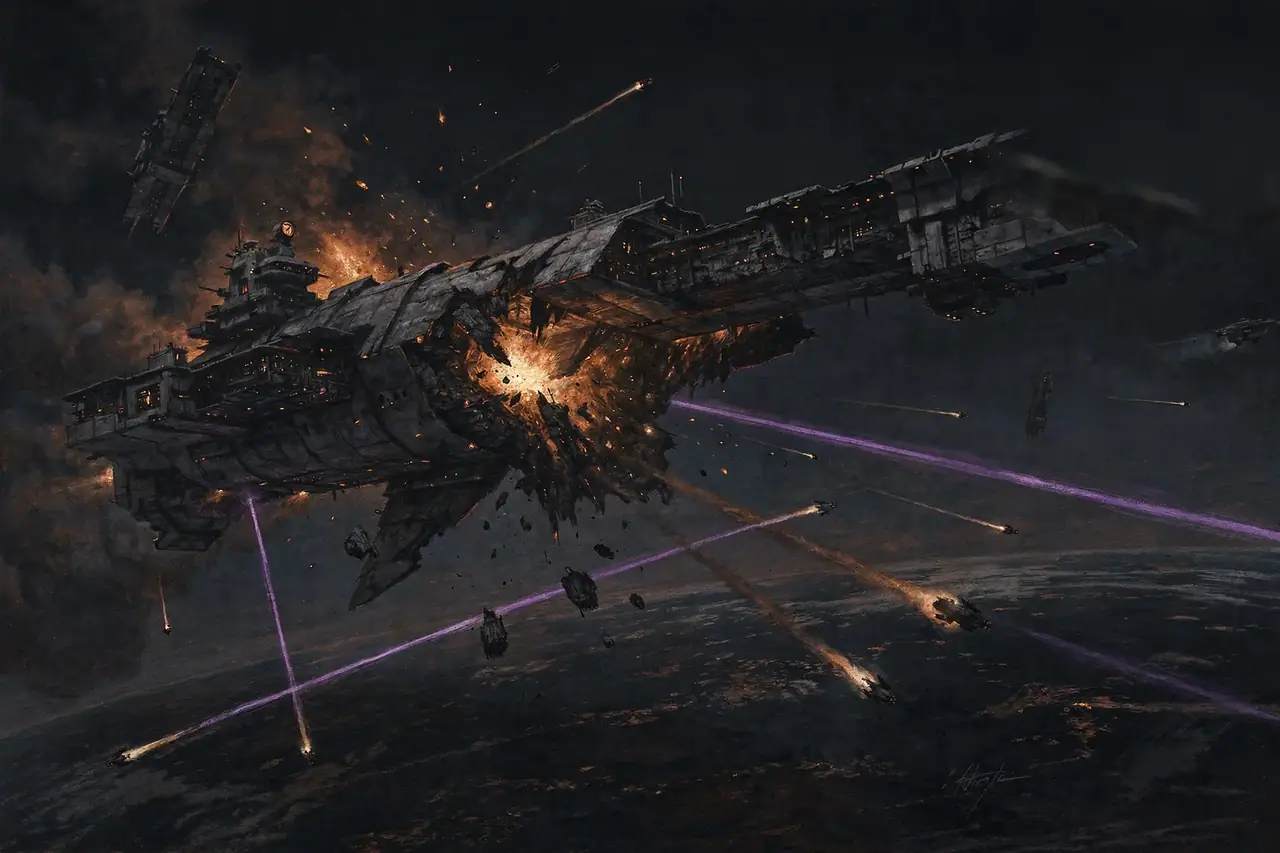
Somewhere inside all those battleship losses, a single capital ship died: an Apostle, Amarr's capital-class Force Auxiliary, valued at 20.8 billion ISK. It was the most expensive individual hull lost in the engagement, and the only capital on the loss list. Force Auxiliaries exist for one purpose, and it is not damage. They are capital-scale repair platforms, packed with remote repair modules and enough capacitor to hold a fleet together through punishment that would otherwise butcher it. In a fight this size, a FAX is not really a combatant. It is the reason the fight is still going. Killing one is how you make everything around it killable, which is why fleets tend to treat them as the first problem to solve and the last thing to lose. That single loss is worth pausing on. The engagement is classified as a capital battle, which suggests capitals were committed to the field. Only one of them appears in the wreckage. Everything else that died at Floseswin, from the Osprey to the Ravens to the pods, died around a capital fight rather than because of one.
Nobody Owned This Fight
The most interesting number of the night is not the 187 billion. The top five organisations on the kill side - Lowlife., Baba Yagas, The Dark Space Initiative, Outback Steakhouse of Pancakes and Primal Instinct Inc. - recorded 43, 29, 21, 21 and 19 kills respectively. Add them up and you get 133, barely a third of the 379 losses. Losses were spread just as thinly. KarmaFleet led that column with 26, followed by Inner Legacy on 19, Some Time Later on 14, and Sensible People and Un4seen Development on 11 each. That is 81 hulls between the five hardest-hit organisations, out of 379. What those numbers describe is not two tidy fleets meeting at a gate. It is a sprawling, many-sided brawl that pulled pilots in from across the region, with no single group able to claim the night as its own work. Interestingly, the organisations at the top of the kill list and the top of the loss list share no names at all, which suggests one broad group doing most of the shooting and another absorbing most of it. But with 3,225 pilots on the field and only 379 losses recorded, the overwhelming majority of people in that system went home with their ships intact, regardless of whose killmail they appeared on. One name does sit above the rest in the damage records. K Vicemen finished the night as the engagement's top damage dealer - the pilot at the top of more killmails than anyone else at Floseswin.
A Pod at Five Minutes to One
The last entry belongs to a capsule from Echelon Research, destroyed at 00:59 UTC. Pods tend to be what a fight chews on at the end, once the ships are gone and someone is still on grid in something the size of an egg with nowhere left to be. It is an unglamorous way to close out two hours of work, and also a very familiar one. And then it stopped. No further losses, no second round, no structure to anchor a follow-up - nothing on the map that moved. Floseswin produced 379 wreck sites, just over 187 billion ISK in destroyed assets, and roughly two hours of continuous violence in a single Metropolis system, with capitals committed and exactly one of them not coming back. Replacing that much tonnage takes ore, industry and time, and somebody had to start on it. But that was a problem for the morning.