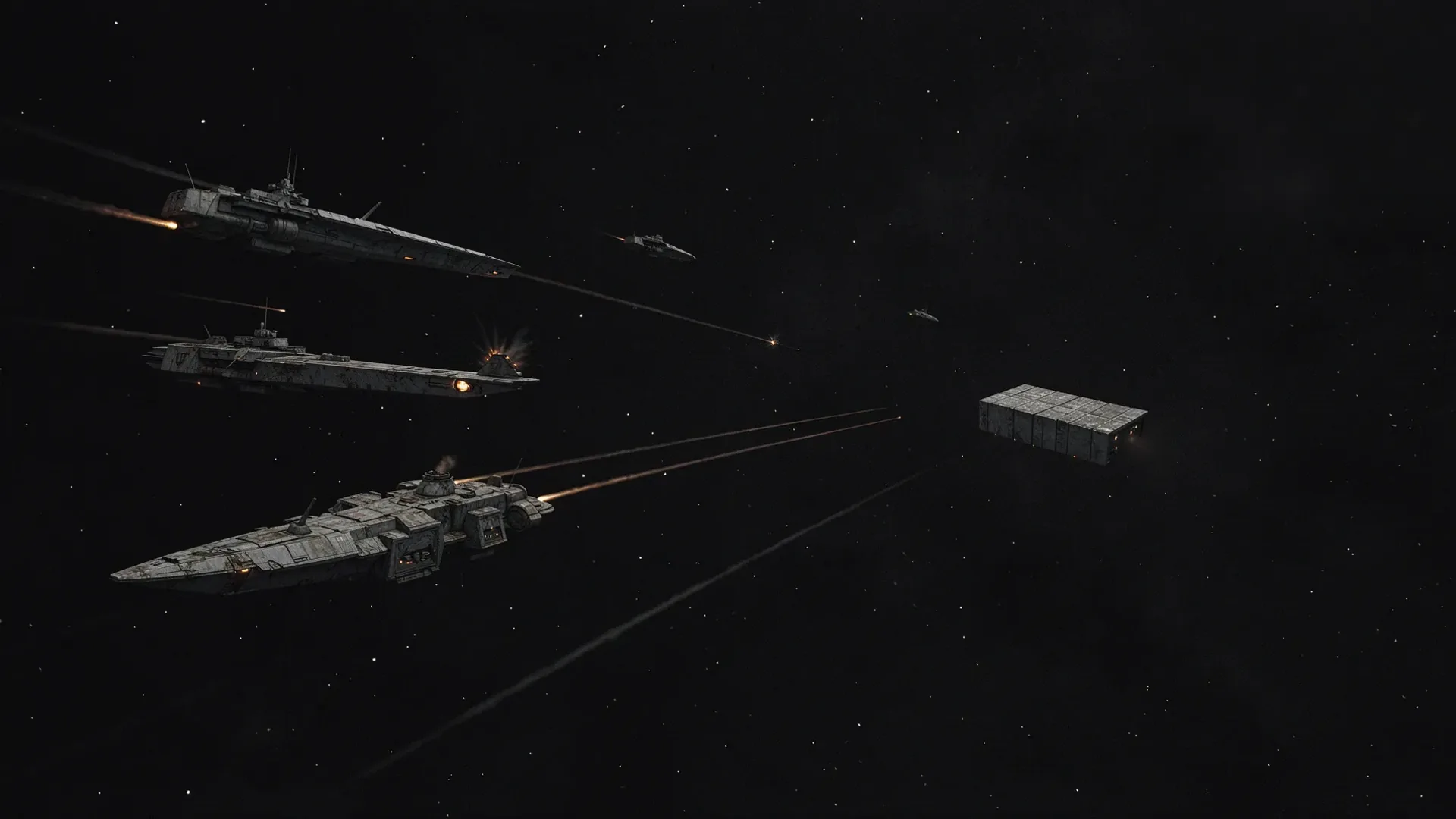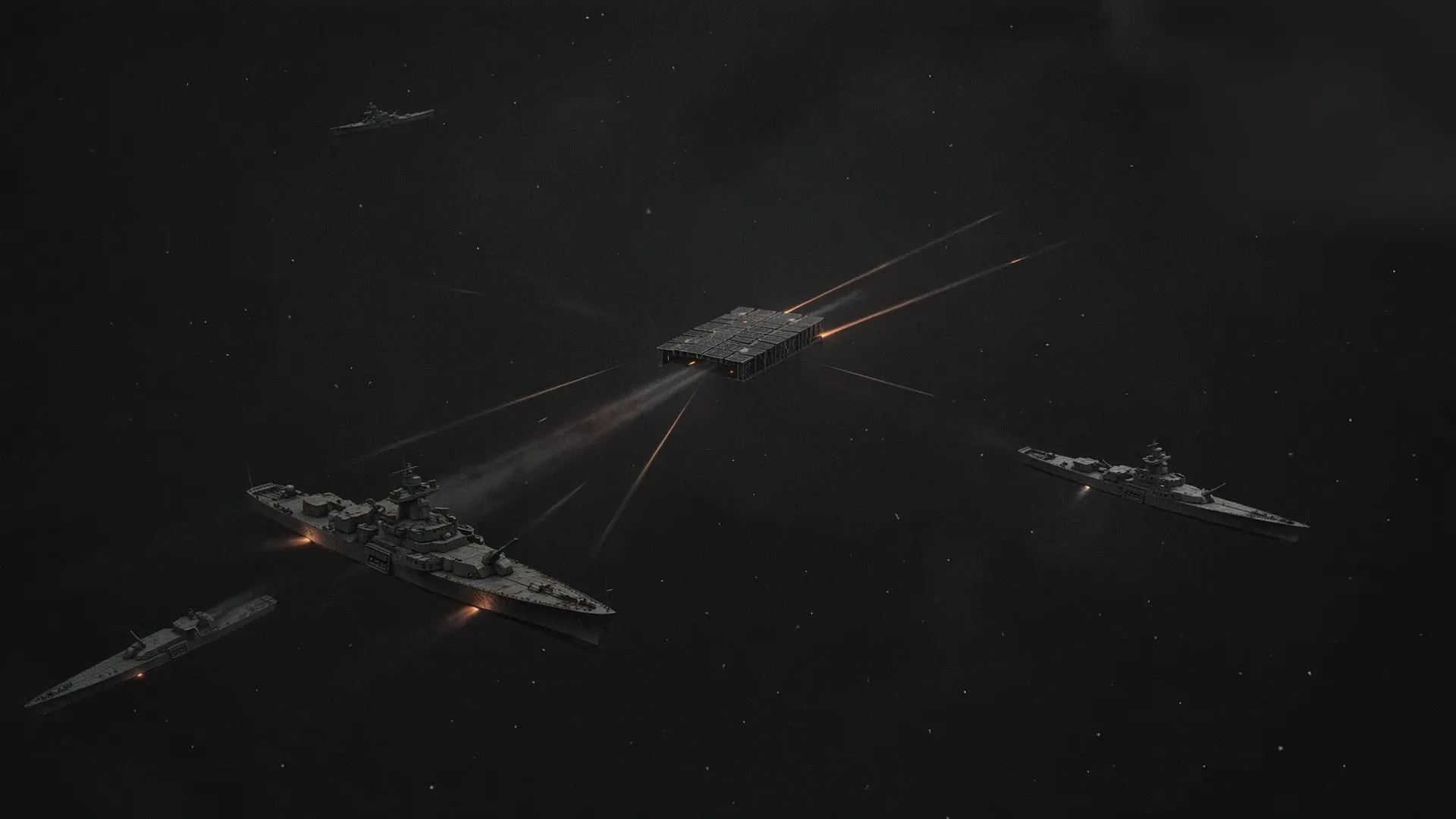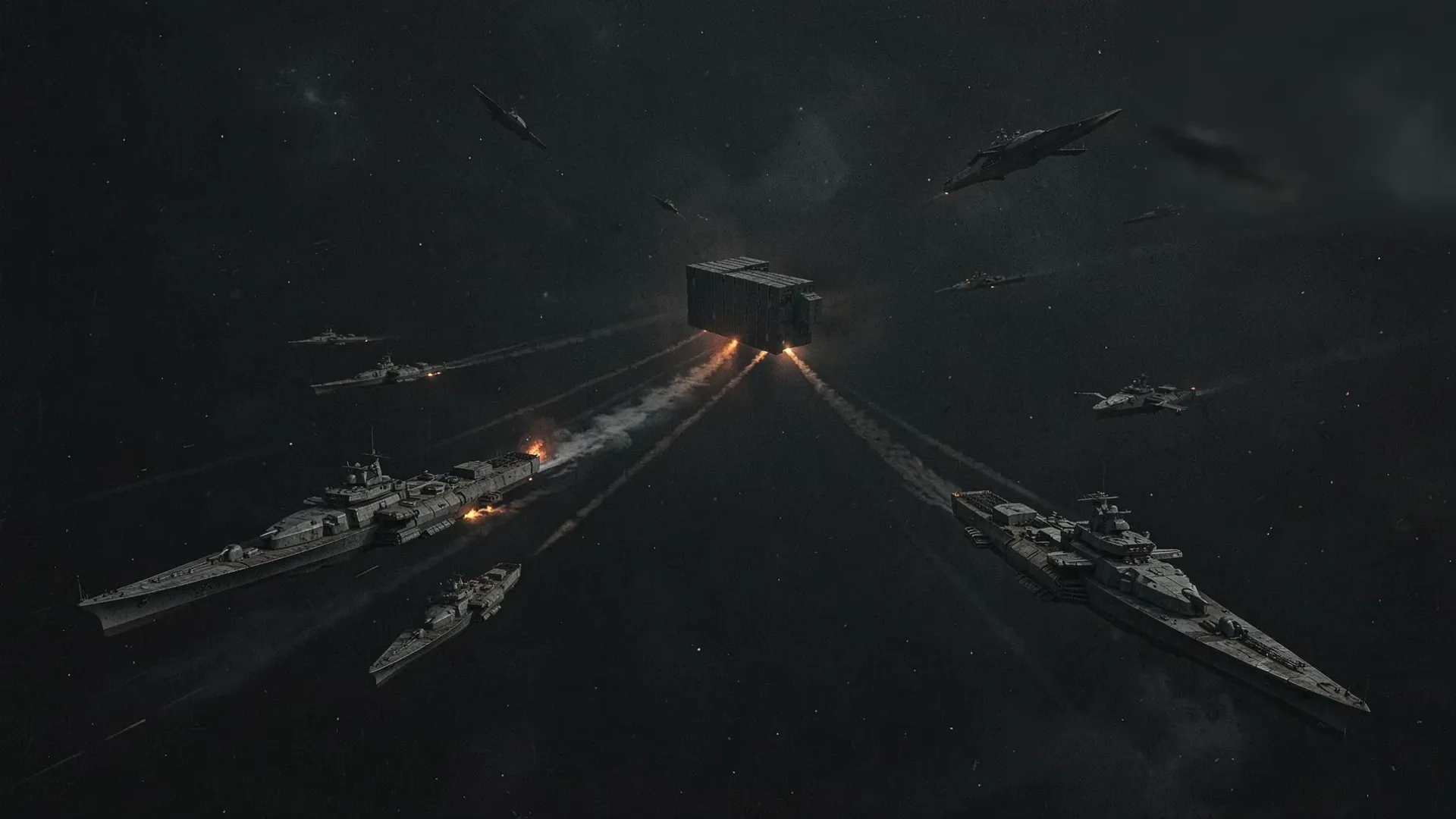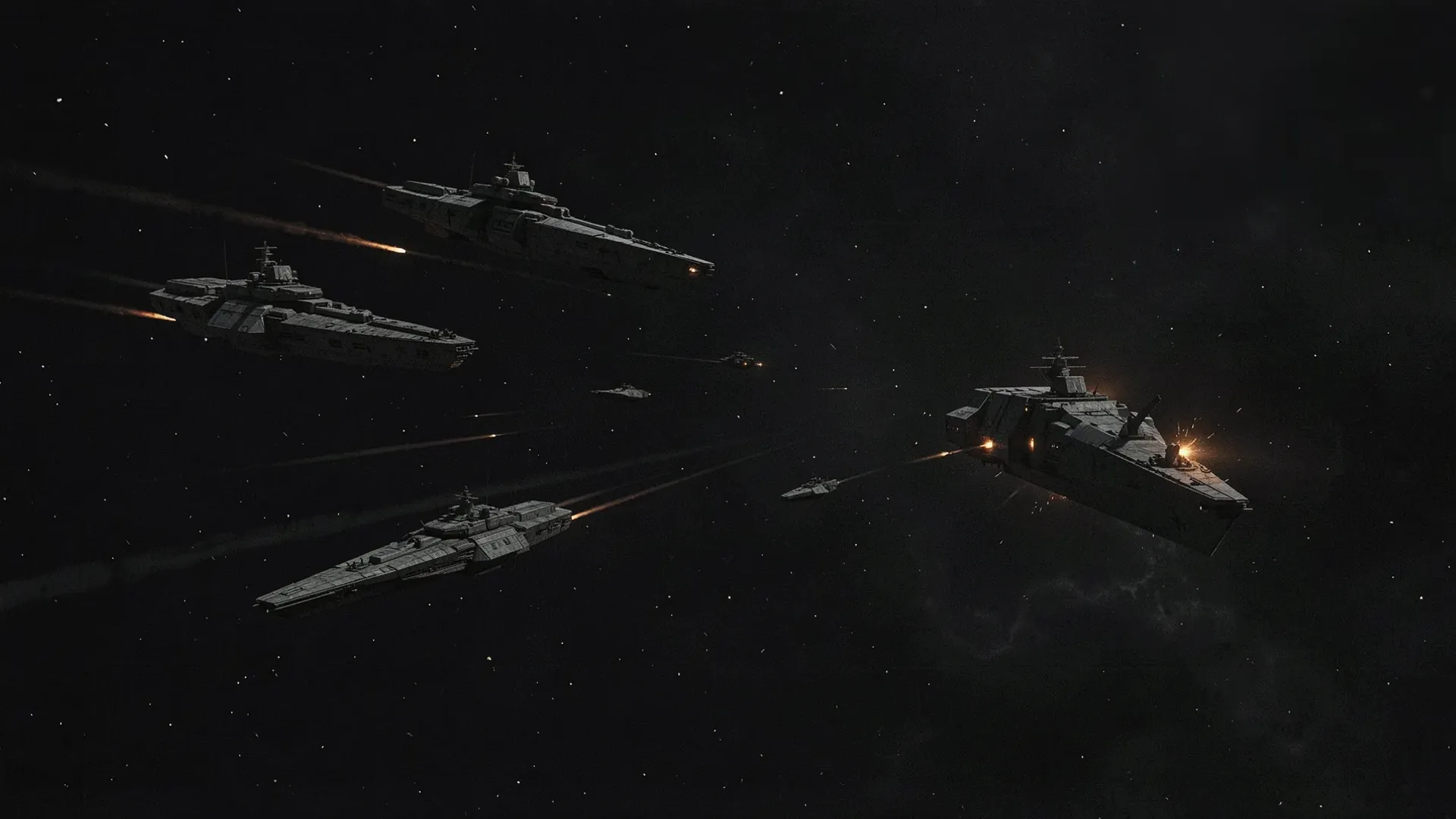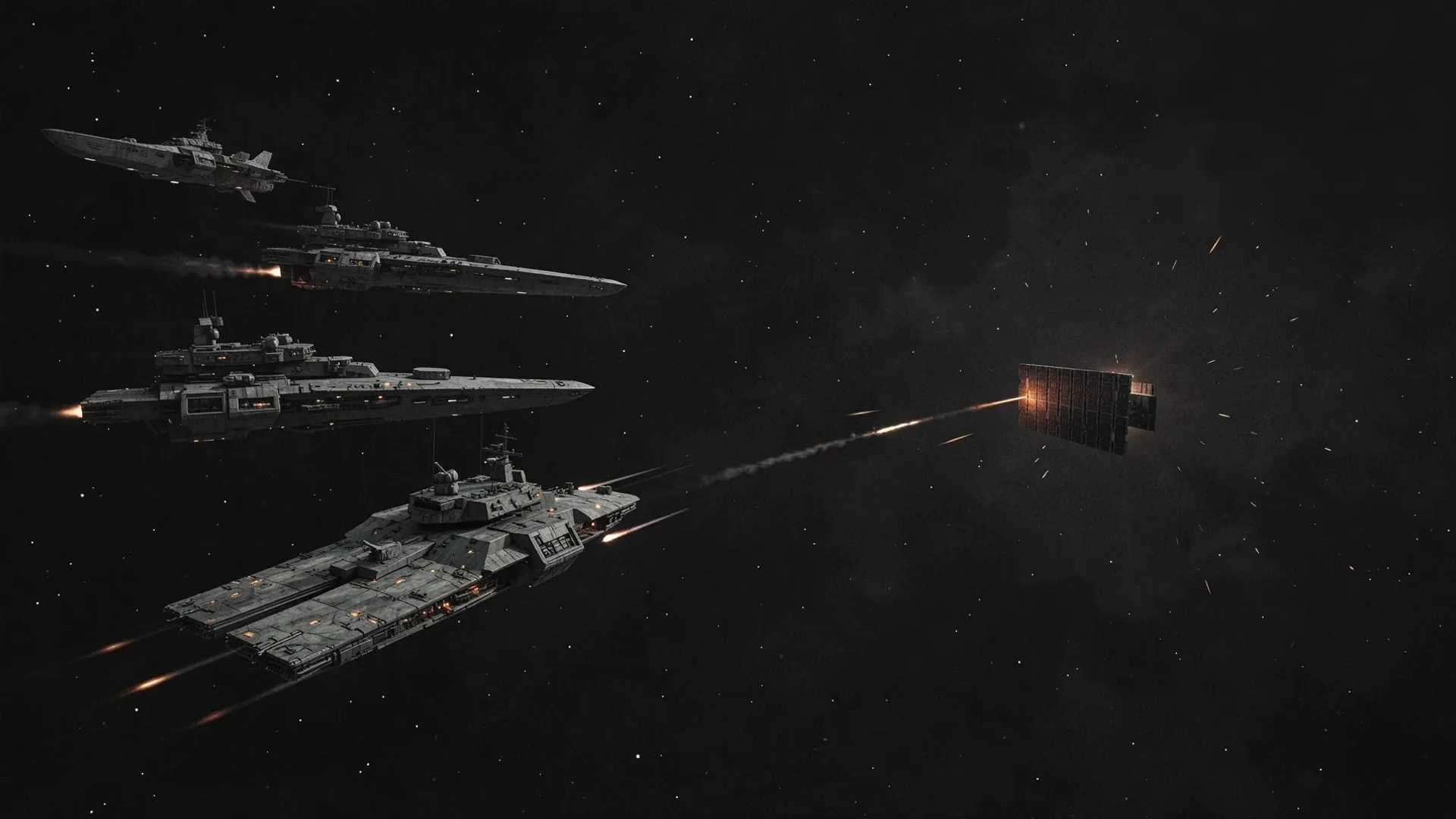
From One System to Four: The Footprint Expands
The earliest observation in this campaign recorded only NSI-MW as contested. Since then, the map has flickered with systems entering and leaving the list - C-KW6X, F-WZYG, RIU-GC, X1W-AL, and X-PQEX all made appearances before fading out. The current picture is four systems, but not a stable four: 7-YHRX, V3P-AZ, and Y6-9LF have joined NSI-MW in the last week. The front is not a line so much as a game of whack-a-mole, with contested ihub systems appearing and disappearing from the tracked list.
Three Defenders, Three Defensive Lines
The four contested systems are held by three separate defending groups. UA Fleets Holding defends one front, Black OUT Narcotic Empire defends another, and Suddenly An Unpaid Alliance Bill defends two fronts, the newest in the campaign at 38 hours. Each front is a defensive campaign, all ihub defenses, meaning the attackers are contesting infrastructure but have yet to flip it.
The Scoreline Stuck at 40/60
Across every front, the attacker average is 40 and the defender average is 60. It has been that way for nearly the entire observation period, with only minor drift. The attackers are not losing ground, but they are not gaining it either. Momentum is defensive, intensity ranges from low to moderate, and the oldest front has not moved toward capture. It is a grinding stalemate, the kind where both sides keep showing up, but the only thing that changes is the date.
No Sovereignty Lost, No Story Finished
There have been no sovereignty transfers, no systems lost or gained, and no recent sov changes. That is not an anomaly; it is a complete campaign state. The pressure on these four systems is real, but it has not translated into a shift of ownership. Those watching the ihub timers in NSI-MW and the other targets are not watching a conquest unfold; they are watching a siege that refuses to become a battle. The calendar is the only thing moving.
What the Calendar Shows
The campaign area is 145 hours old, the oldest front just as old, and the newest front barely a day and a half. That spread matters. The contest has not collapsed, and it has not surged. It has persisted, widening slightly and then cooling slightly, always returning to the same stubborn equilibrium. For UA Fleets Holding and its fellow defenders, the story is not one of triumph or collapse. It is the slow arithmetic of holding a map when the attackers have not broken through. In Malpais, the real victory may simply be still being there when the next observation arrives.