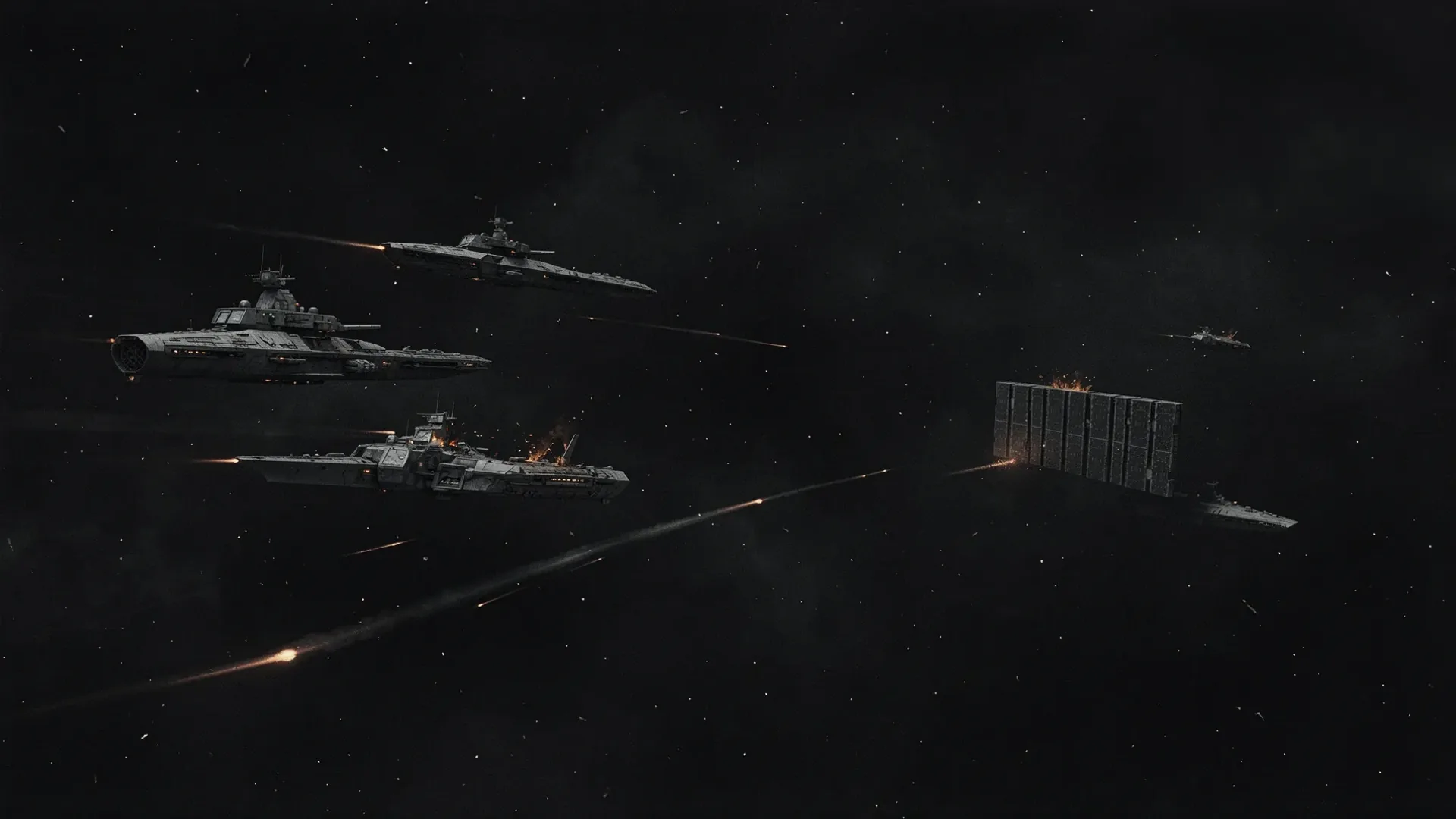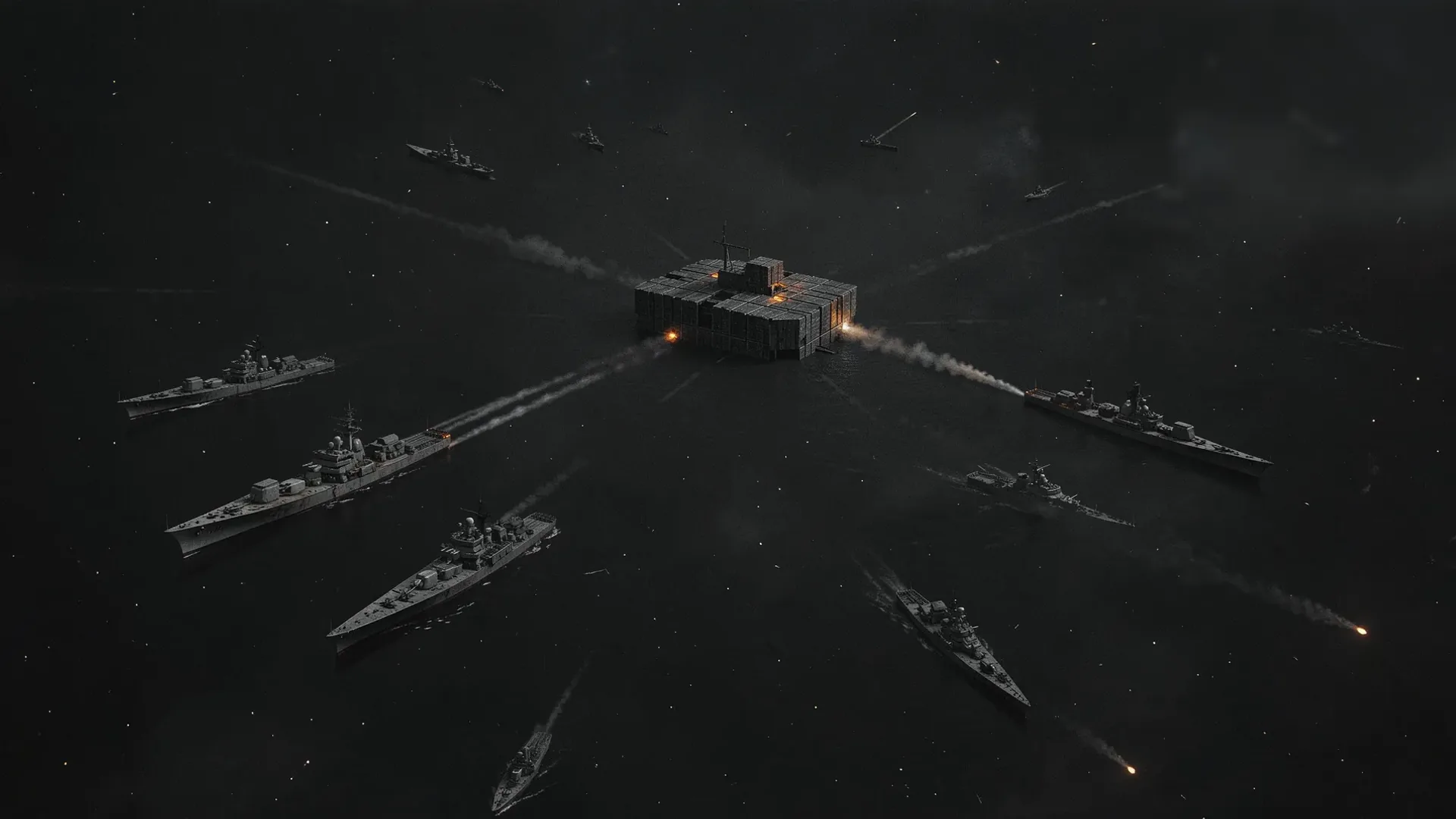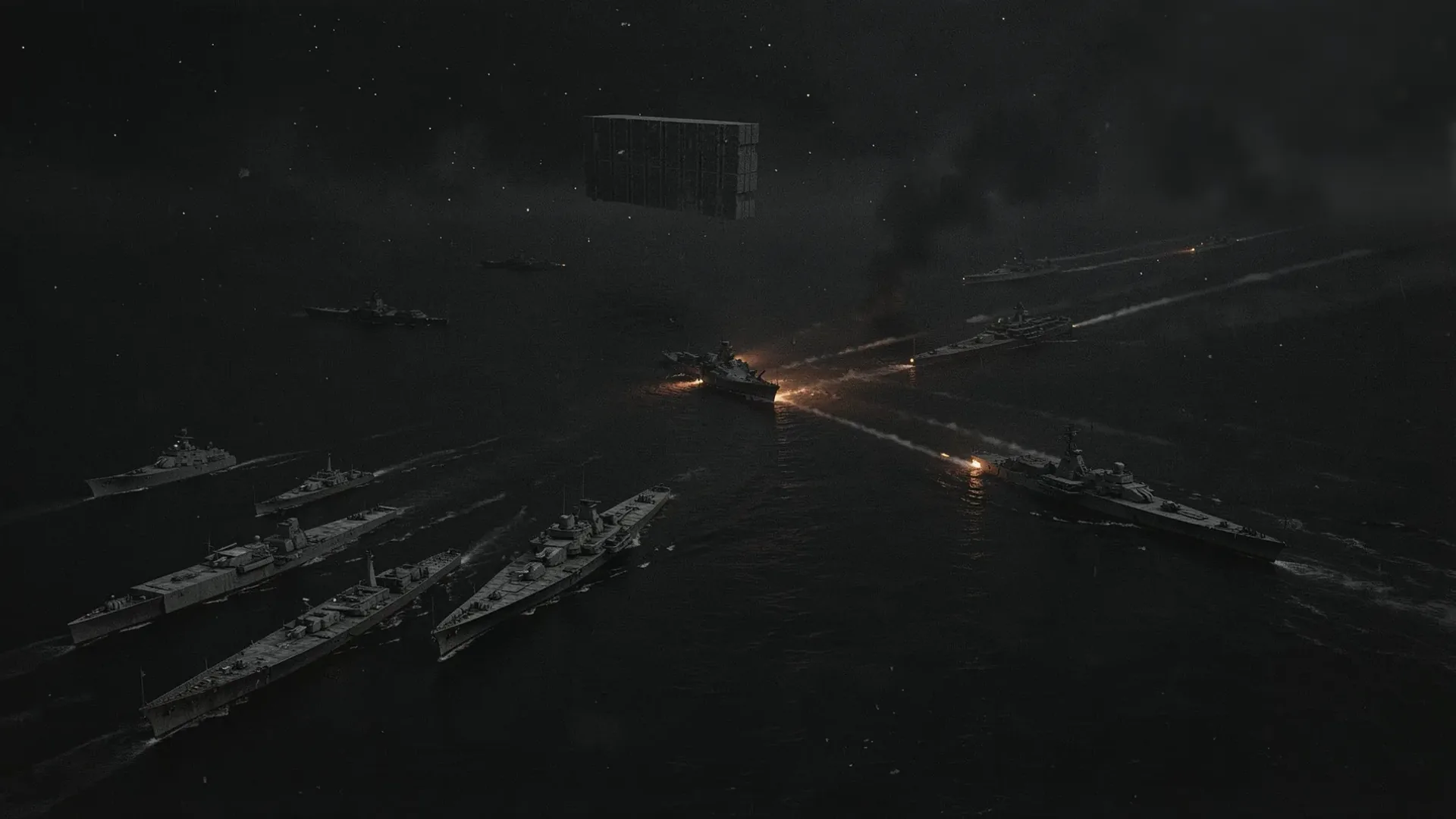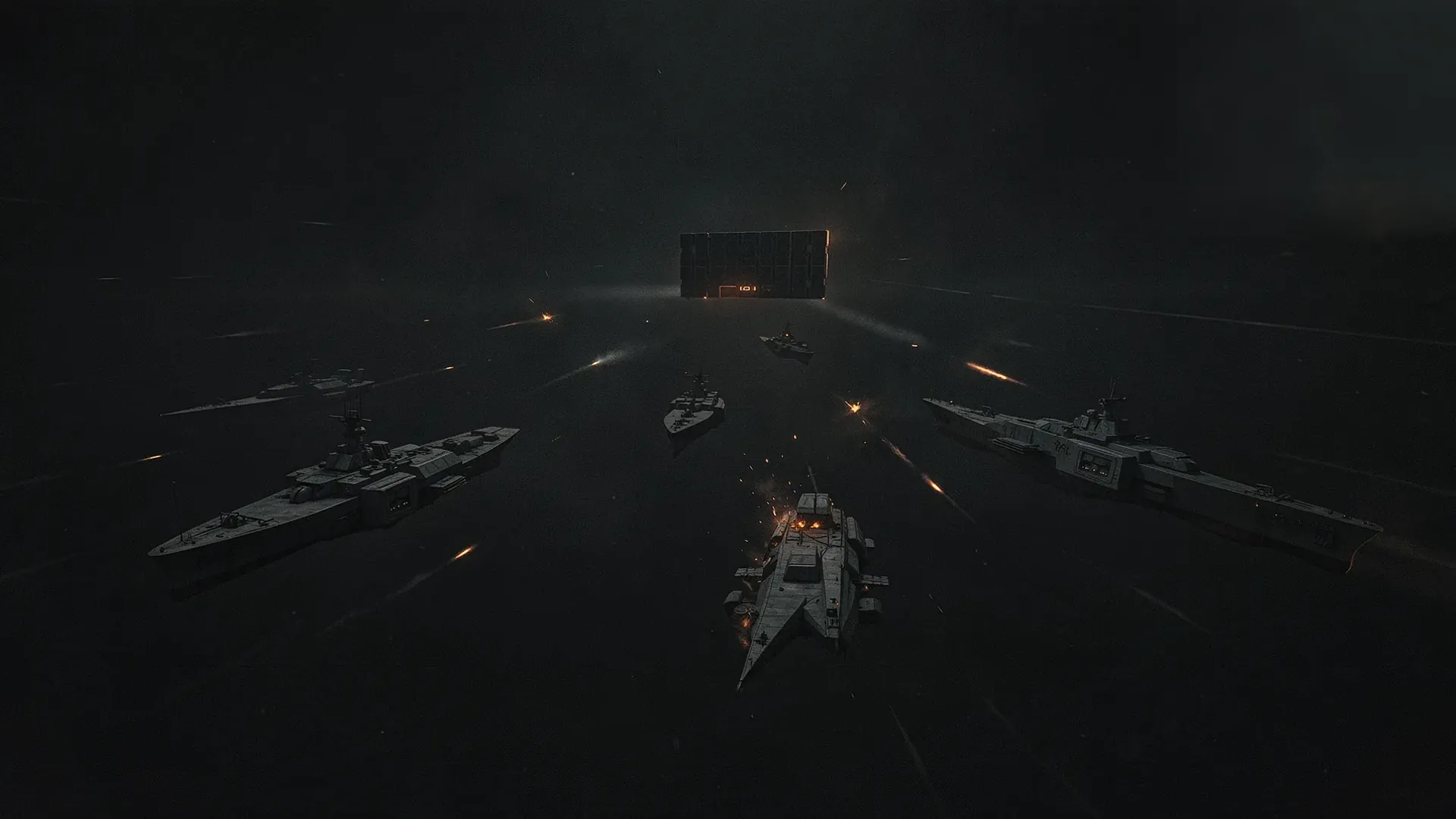

Nine additions, no subtractions
The nine systems in the earlier snapshot - 4-PCHD, 5-3722, 5E-EZC, 9KE-IT, BI0Y-X, FV-YEA, J-A5QD, P-NRD3 and SK7-G6 - all reappear in the later one. The second snapshot added nine more: CBY8-J, CUT-0V, E-BYOS, ETXT-F, GQLB-V, S-W8CF, X-41DA, Y-RAW3 and YVSL-2. Nothing dropped off. What changed is the ledger, not the standing: the campaign went from nine unresolved contests to eighteen of them while surrendering none of the original nine. A defender can absorb that kind of arithmetic for a while. It is still twice as much to answer.
What the eighteen actually are
The campaign count and the system count agree exactly - eighteen active campaigns across eighteen systems, one per system. Twelve carry a recorded event type of ihub defence; the remaining six have no recorded event type at all, so this is not eighteen confirmed attacks on sovereignty infrastructure, it is eighteen contests of which twelve are identified as such. The harder figure is the one that stays empty: recent sovereignty changes record nothing, systemsLost is 0 and systemsGained is 0. Timers aimed at the structures that underwrite space are a reasonable signal of intent against that space. They are not evidence that any of it has changed hands.
The labels disagree with each other
The two observations describe the same stalled score with different vocabulary: steady at 16:54, escalating by 19:05. The aggregate front then reads as defensive in momentum, while the leading front - Siberian Squads' own - reads as offensive. Critical intensity across the board. These are descriptions of posture and activity, not records of battles fought, and the fact that they point in three directions at once is a warning against reading any single one of them as a verdict. The one number that behaved consistently is the score, and it behaved by not moving.
Two hours old, eighteen timers deep
The campaign age is two hours. So is the oldest front. So is the entire lifespan of this problem, which is short enough that breadth is the only thing the evidence can establish with confidence. No hottest system is recorded, no notable hulls are noted - the data does not say where the weight is falling, only how many places it is falling across. That leaves the obvious open question: whether pressure on eighteen systems stretches the defender across eighteen answers or simply spreads the same effort thinner. Siberian Squads currently hold 60 to 40, with twelve ihub defences on the board, eighteen systems contested and no sovereignty transfer verified.