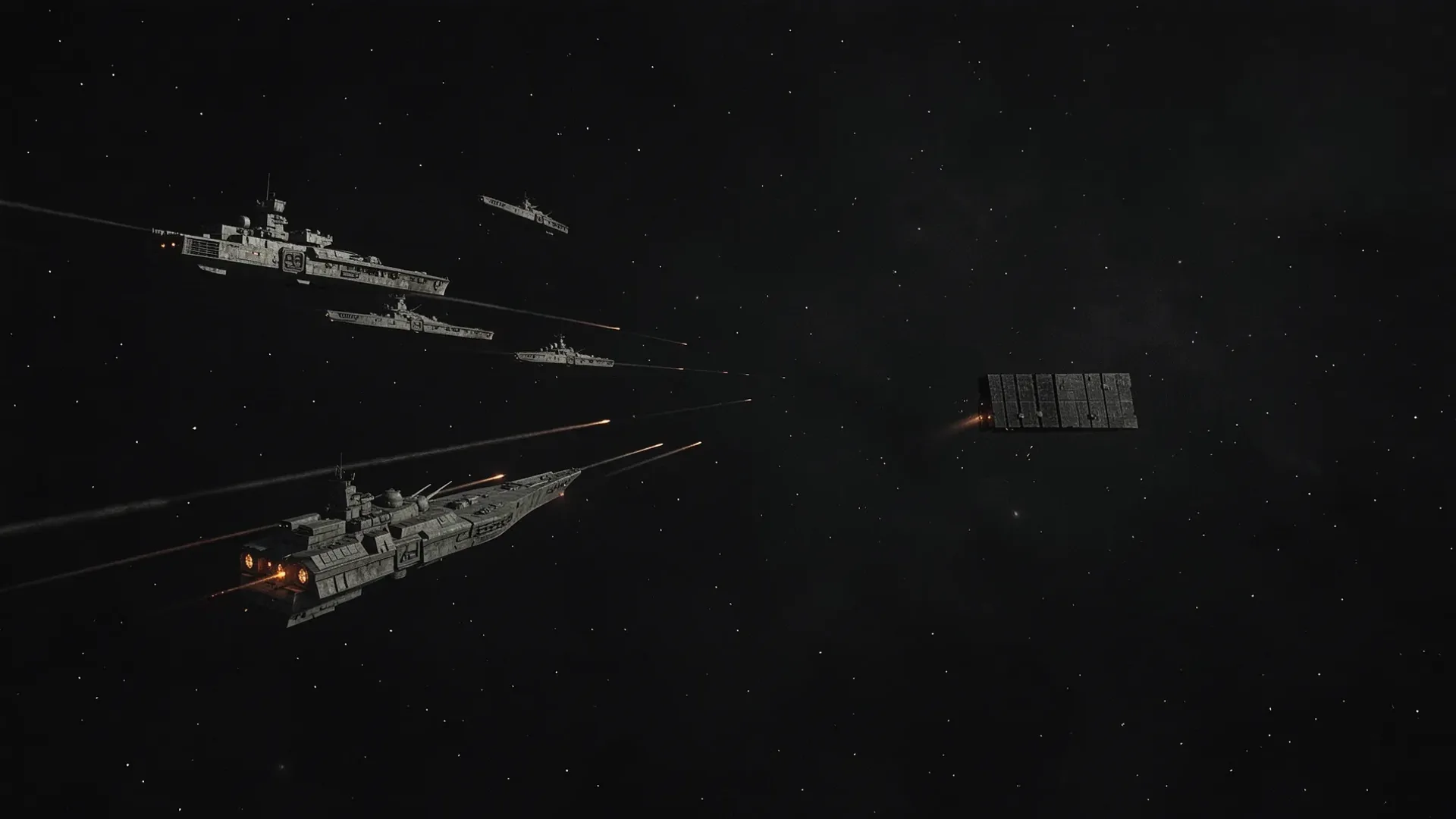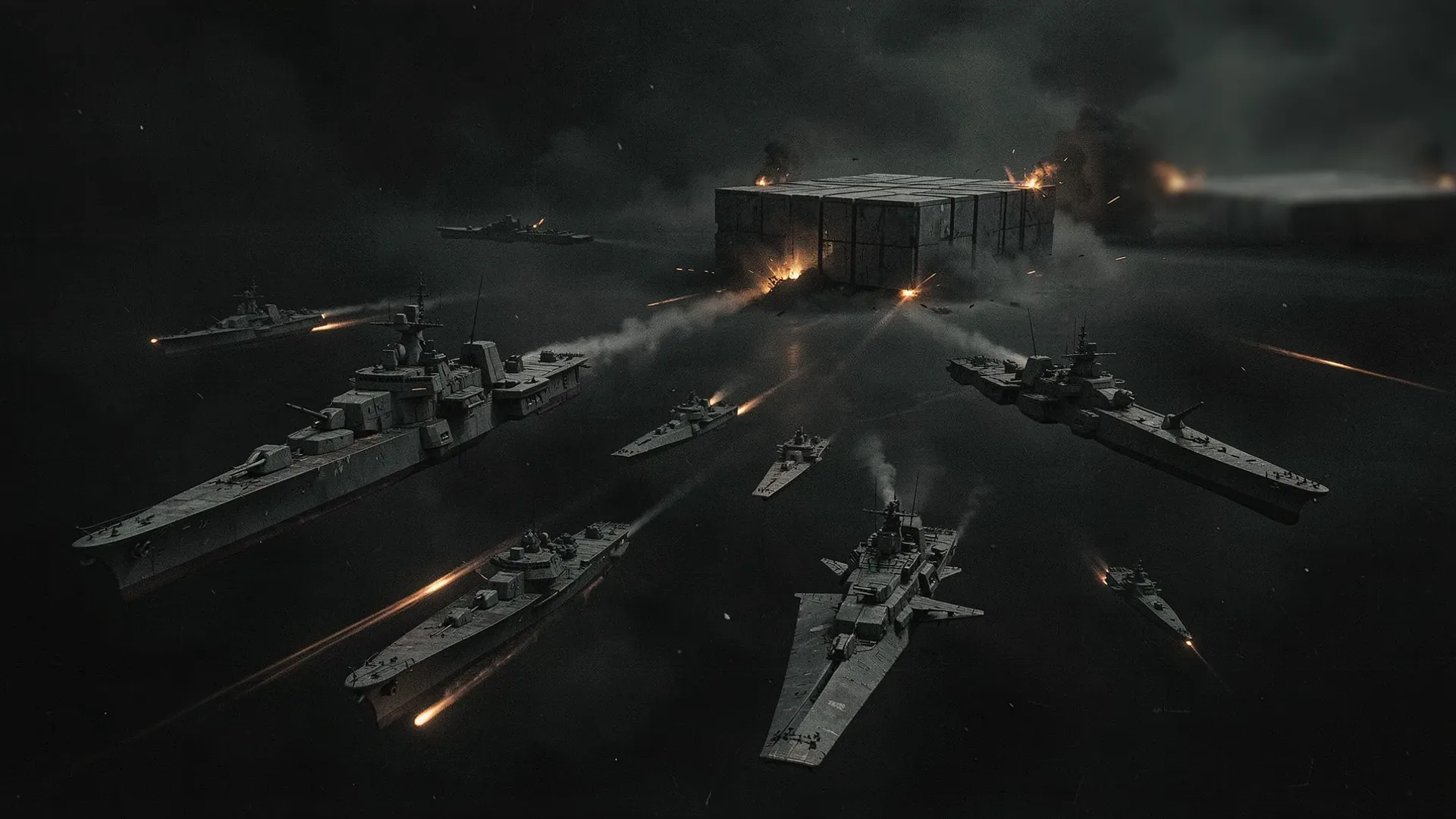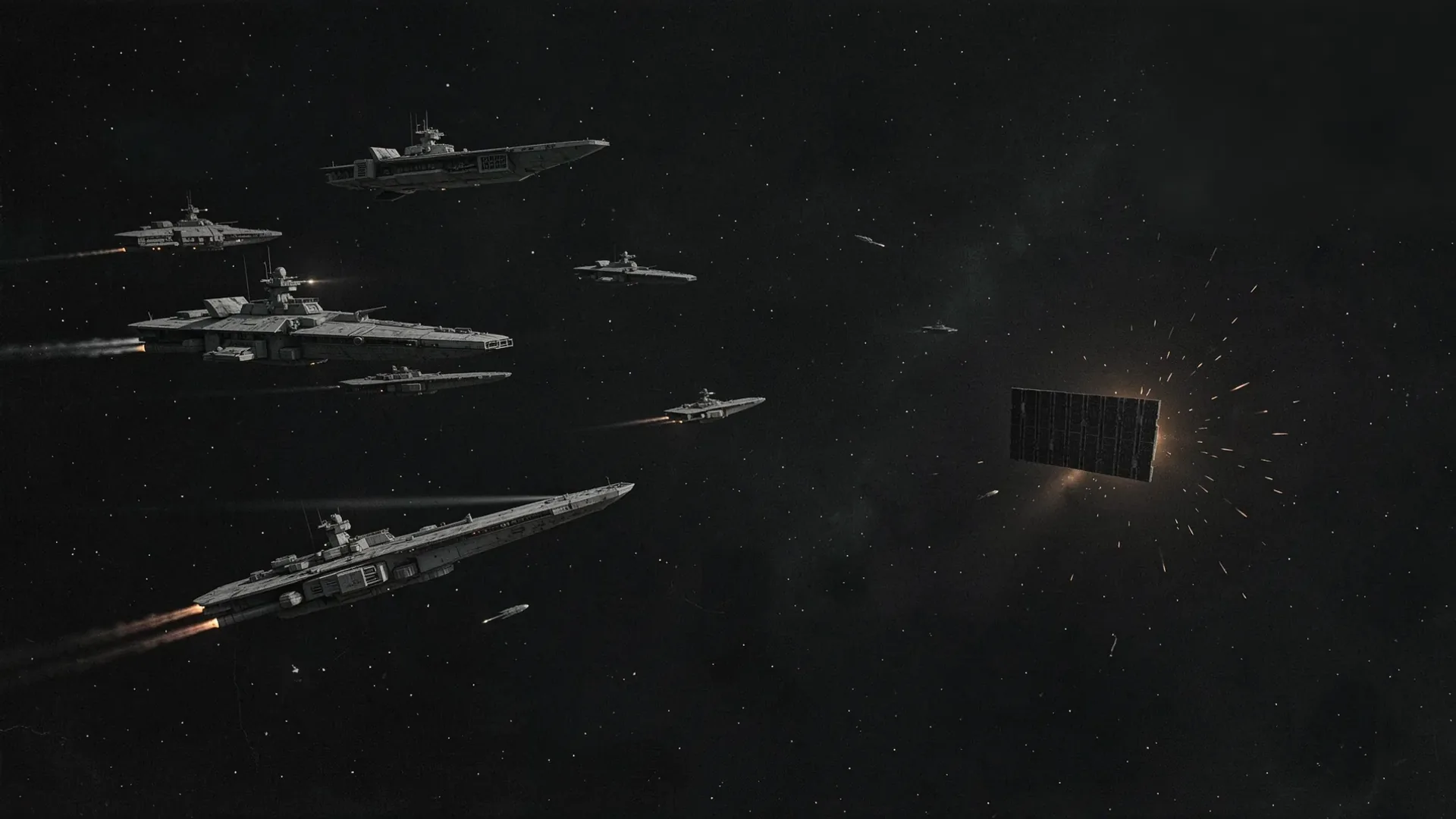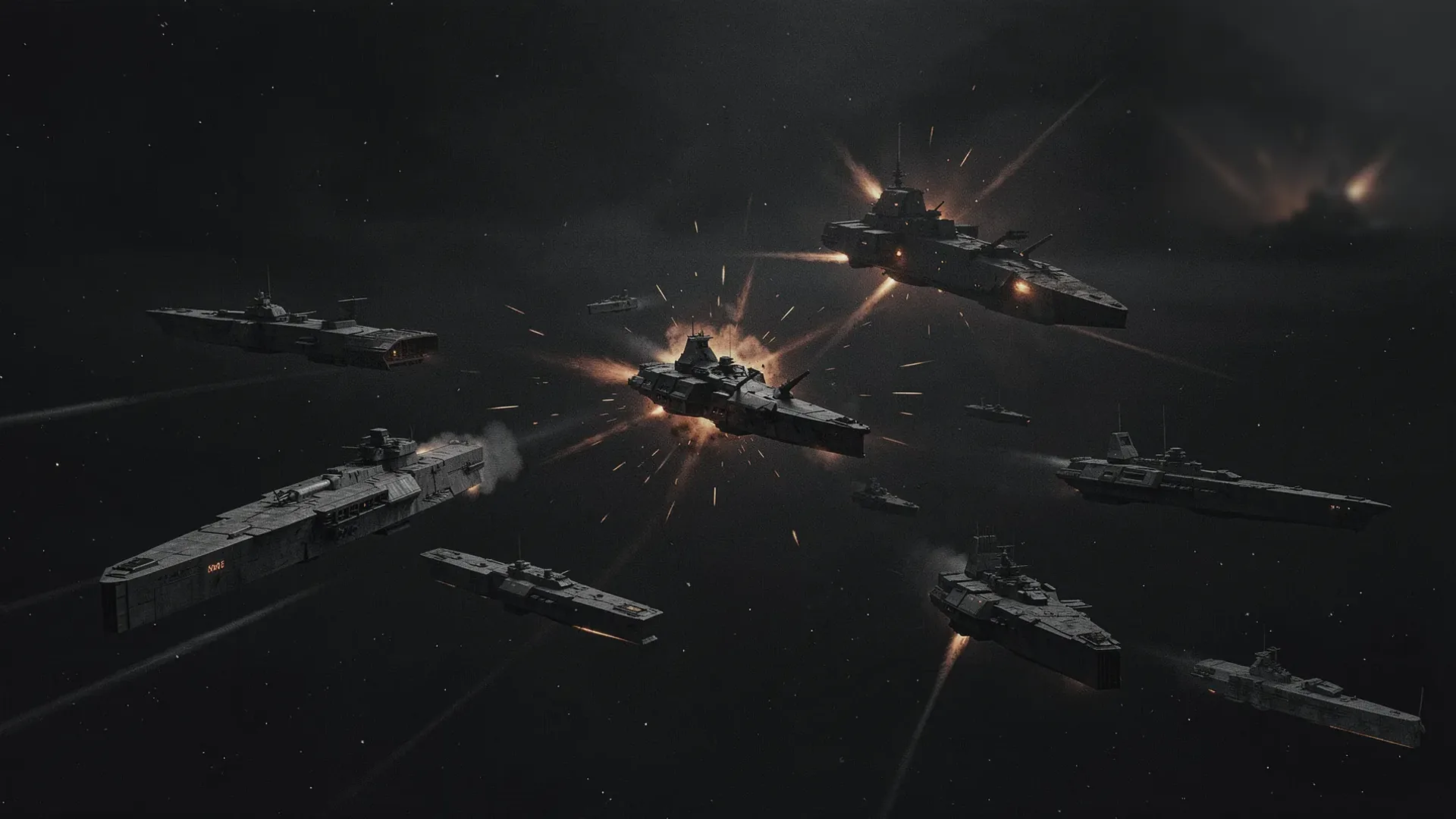

A Front That Contracts and Reopens
The first observation listed four systems under contest: 3V8-LJ, 4-ABS8, R-LW2I, and R6XN-9. By the next snapshot only 4-ABS8 remained, then 3V8-LJ alone, then L-TS8S joined 3V8-LJ in the latest data. Across every one of those changes, the score stayed exactly 40/60. No sovereignty has changed hands, and both current entries are ihub defense events. The movement is in the list of systems, not in the outcome: attackers have not converted a timer into a capture, but the front refuses to close.
Attackers at Forty: Persistent but Unconvincing Pressure
The attacker score has sat at 40 out of 100 for all four observations. That is pressure, but pressure without a breakthrough. In an infrastructure hub defense, attackers must entosis the hub while defenders scramble to stop them; a score of 40 suggests timers are being contested but not decisively flipped. The defender's 60 reflects a holding pattern: not comfortable, but not collapsing. The latest momentum is tagged defensive while intensity is moderate, and the trend summary calls it a grinding stalemate rather than a breakthrough. No notable hulls were recorded.
The Systems That Carry the Story
Currently, 3V8-LJ and L-TS8S are the two named systems with active ihub defense timers. 3V8-LJ appears in three of four observations, vanishing only in the second snapshot when 4-ABS8 was the sole contested system. L-TS8S appears only in the latest observation, a fresh timer added while the earlier systems 4-ABS8, R-LW2I, and R6XN-9 dropped away. That rotation could mean defenders cleared older timers or attackers shifted targets; either way, the campaign's geography is unstable, but its score is not. Test Alliance Please Ignore has not lost or gained a system across the entire period.
Why Holding a Map Is Harder Than Colouring It
In Pure Blind, sovereignty is not a colour on a static map; it is a sequence of infrastructure hub timers that must be defended, delayed, or allowed to lapse. An attacker can open multiple fronts, force defenders to spread, and then watch as the timer list changes shape. Here, the contested list began with four systems, narrowed to one, then expanded to two, while the defender's score stayed at 60. The unchanged score and lack of sovereignty changes indicate the defender held the contest. The real pressure is not in the score, but in the changing focus of the contest among the listed systems.
What the Evidence Does Not Say
No sovereignty has changed hands; none of the observations record a witnessed battle or a capture. The event types are ihub defense, meaning the infrastructure hub is being defended, not that it has fallen. The momentum labels move from steady to cooling to steady to escalating, but the score never moves. That contrast is the story: a front that feels active yet produces no transfer of control. Any suggestion that Test Alliance Please Ignore is about to break would be an inference, not an observation. The data supports endurance on both sides, with the attacker unable to push above 40 and the defender unable to clear the board.