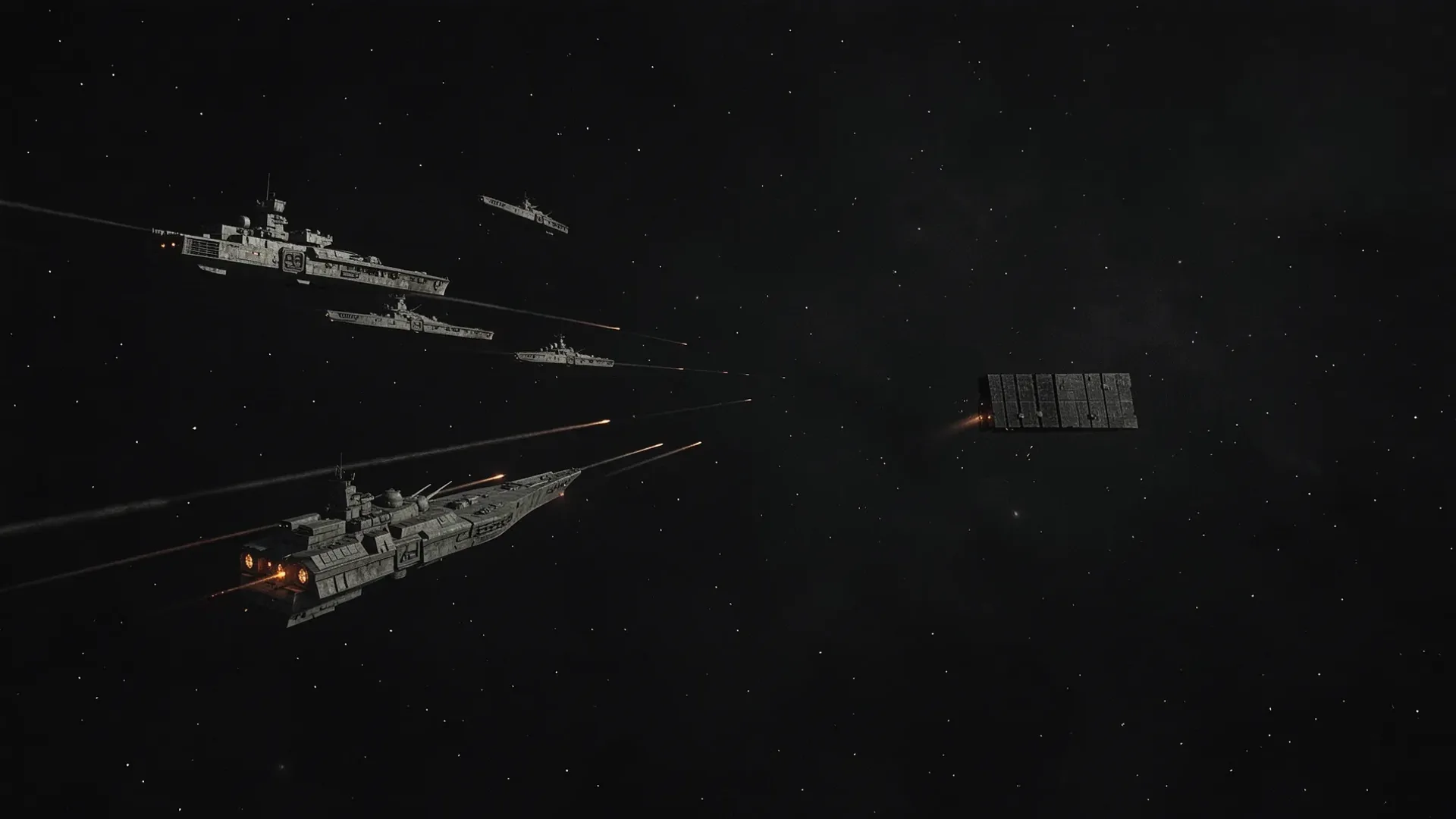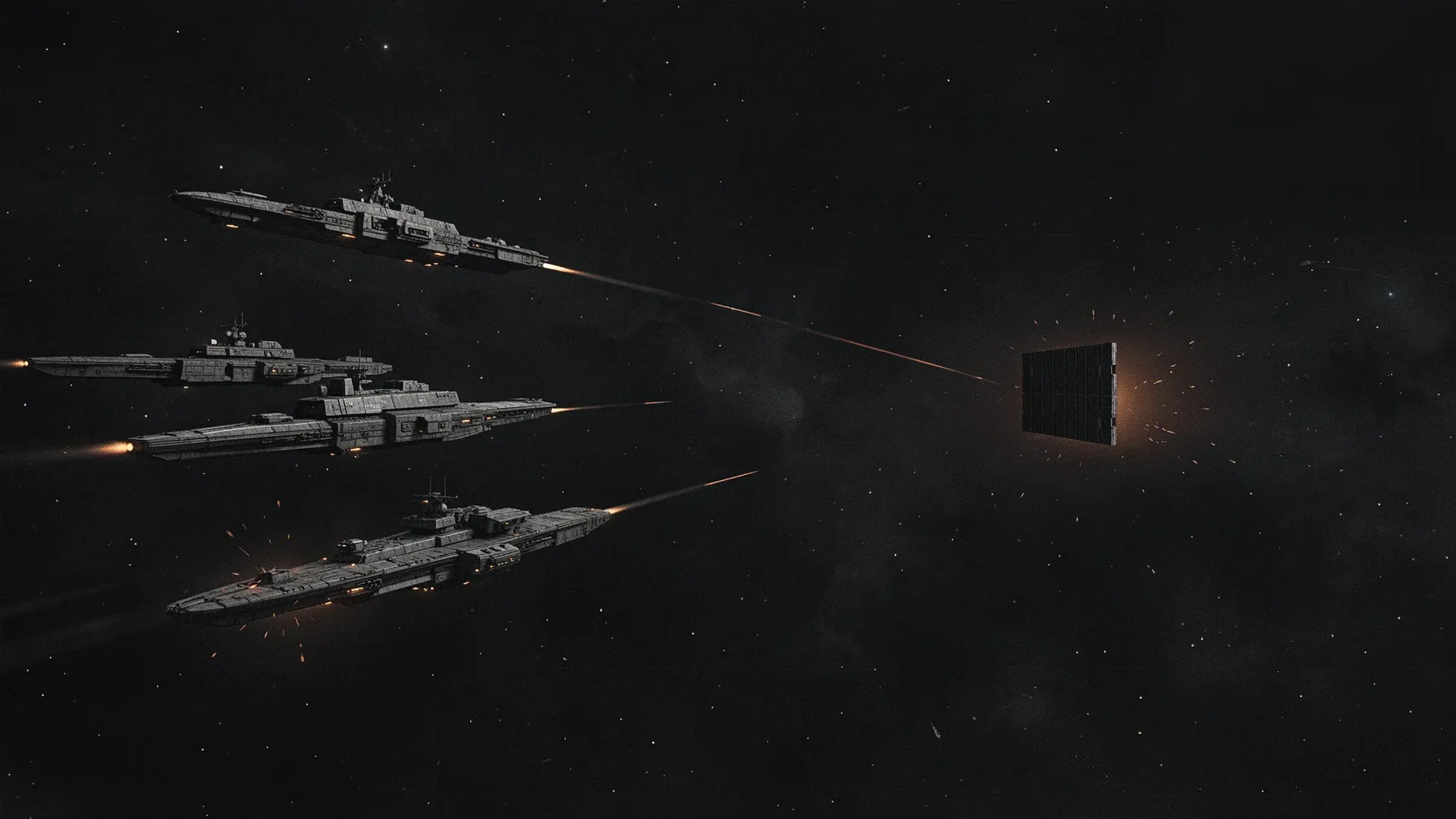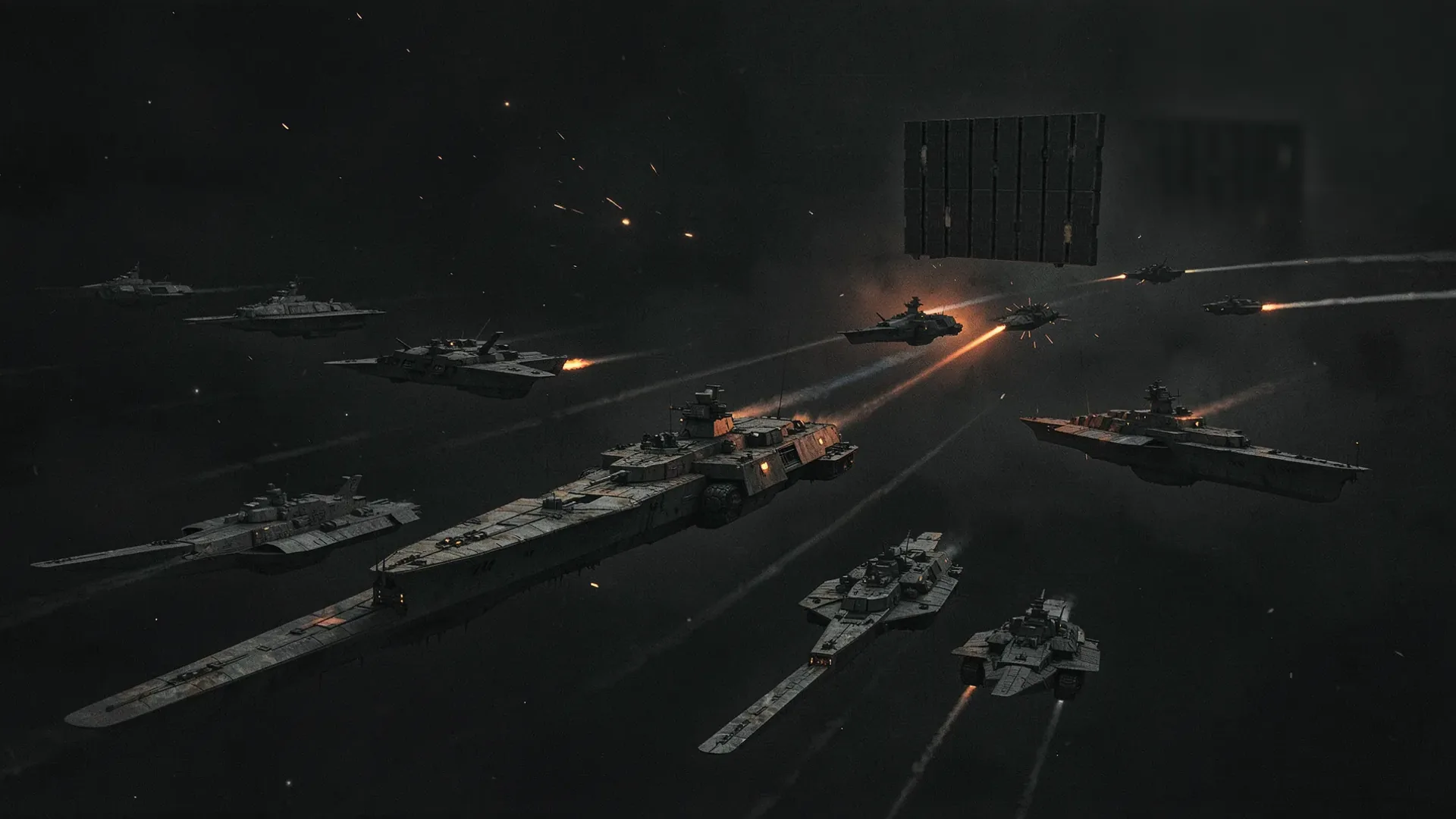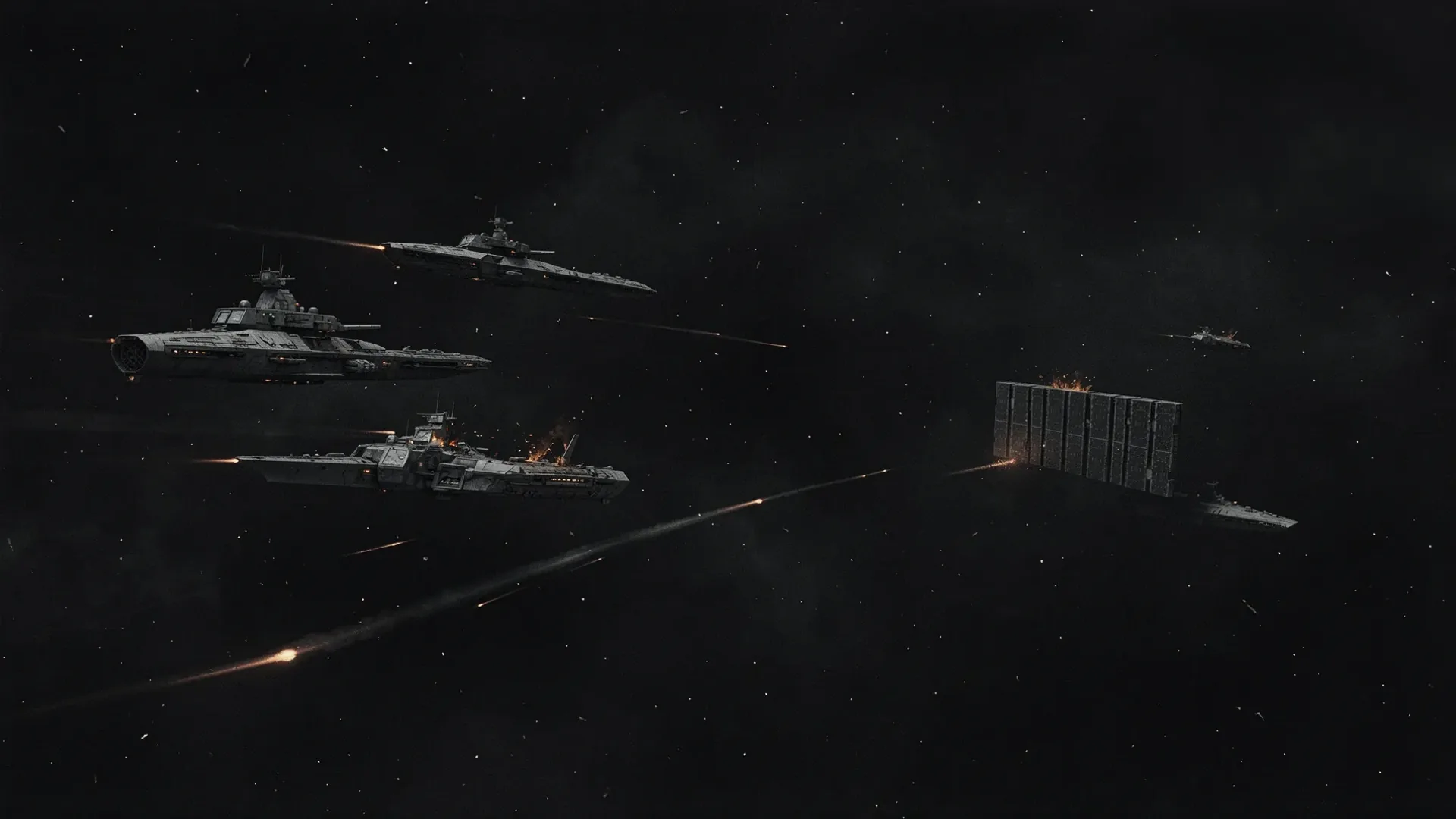
The Front Moves, the Numbers Don't
Across six snapshots, the campaign's footprint grew from the pair BY-7PY and NK-VTL to a seven-system peak on October 28, then settled back to five. But the attacker score stayed at 40 in every observation - a grinding stalemate rather than a breakthrough. The systems themselves tell the story: early flashpoints like 2G-VDP, L-ZJLN, and 8KE-YS cycled out of the contest, replaced by BNX-AS, F9-FUV, FB-MPY, and XB-9U2. Only NK-VTL appears in both the first and last observations, a stubborn constant in an otherwise rotating front.
Two Defenders, One Wall
The defense is split between Flying Dangerous, holding four systems in a constellation campaign, and Deepwater Hooligans, holding one in a defensive campaign. The scores for both fronts are identical: 40 attacker, 60 defender. That uniformity suggests the attackers are applying pressure broadly but without concentrating anywhere enough to tip a system. The defender momentum is classified as defensive, a term that here means holding ground, not losing it.
Ihub Defenses and the Missing Falls
All five contested systems - BNX-AS, F9-FUV, FB-MPY, NK-VTL, and XB-9U2 - are listed under 'ihub defense,' meaning the infrastructure hubs that anchor sovereignty are under attack. Yet the campaign has recorded zero systems lost and zero gained. In EVE Online, that's not the absence of a story; it's the story of a war of attrition where neither side can finish the job. The defenders keep absorbing pressure while no system changes hands.
The Oldest Front's Quiet Grind
146 hours in, the attacker score has not moved from 40 and no sovereignty has changed hands. In Etherium Reach, the map isn't being redrawn; it's being shaded, erased, and shaded again. That's not a failure of war - it's a reminder that holding space in New Eden is as much about endurance as about firepower.