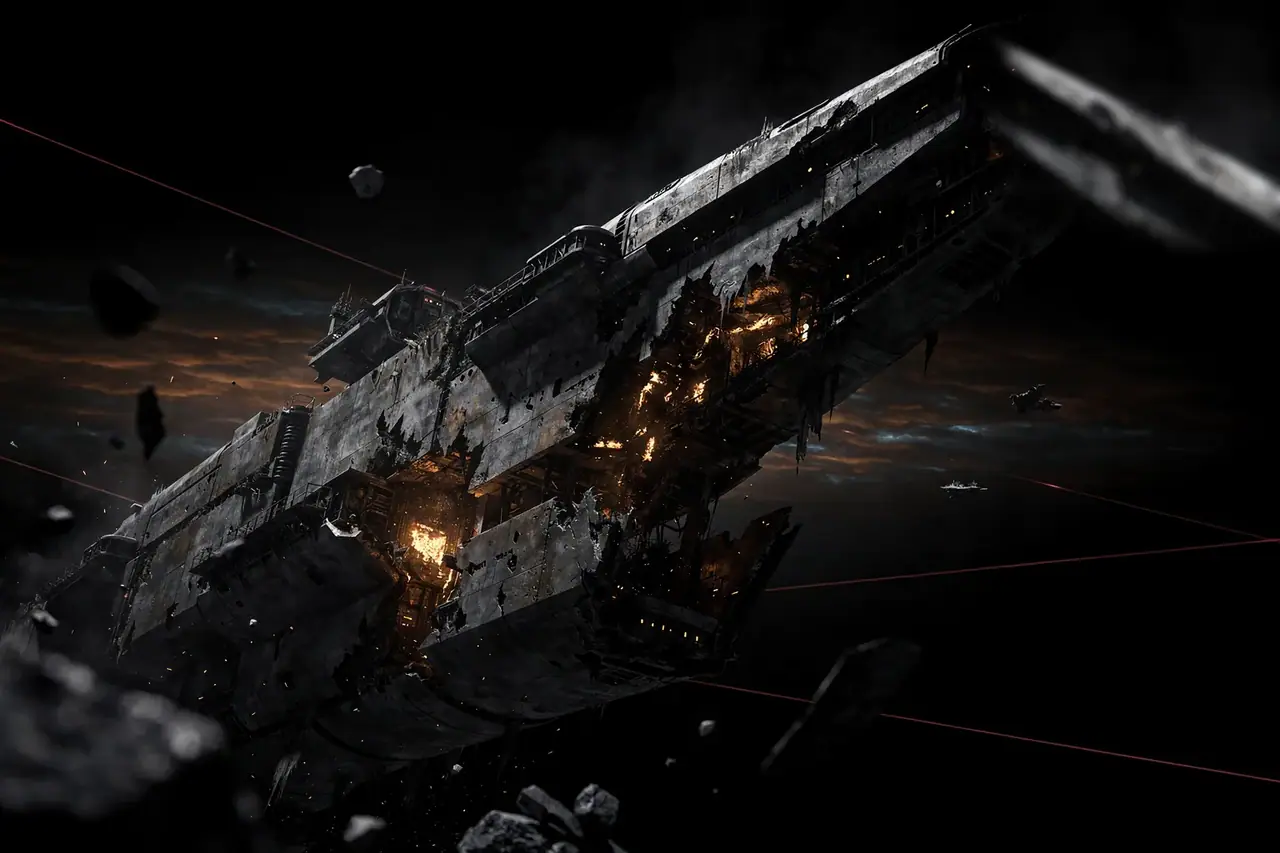
THE HANDOVER
The most important development in VAF1-P is simple and immediate: control has passed from no recognized owner to xqtywiznalamywmodxfhhopawzpqyjdwrpeptuaenabjawdzku. In sovereignty terms, that is more than a label change. It means the system is no longer unclaimed on the map, and a new power now has its name attached to the space.
THE NEW FOOTING
The gain is significant because the system’s holdings have moved from zero to 13 under the new owner. That suggests the transition is not merely symbolic, but part of a broader consolidation of presence. For pilots watching the region, VAF1-P is now a system to track as controlled space rather than neutral ground.
WHY IT MATTERS
When a system shifts from unowned to held territory, the strategic landscape changes with it. Control can affect how alliances project influence, secure routes, and establish a more stable footprint in surrounding space. Even without further detail, the move indicates that VAF1-P is now part of someone’s expanding territorial picture rather than a gap in it.
WHAT COMES NEXT
The larger question is whether this control will hold and whether the change in sovereignty will draw further attention to the area. For now, the map shows a decisive transfer of ownership, and that alone is enough to mark VAF1-P as a system whose strategic value has just become much harder to ignore.