Fifteen Minutes, One Wreck Every Twenty-One Seconds
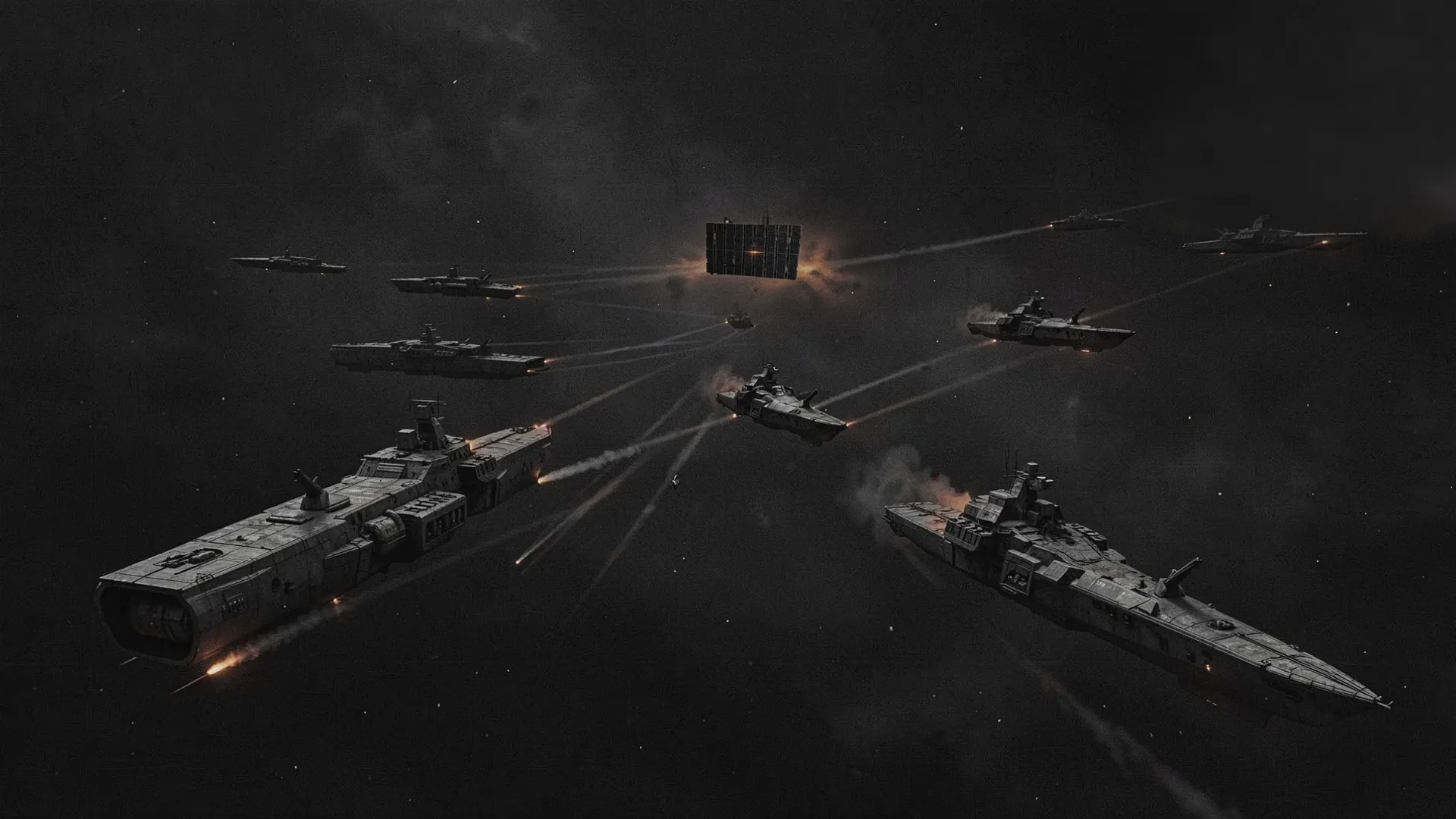
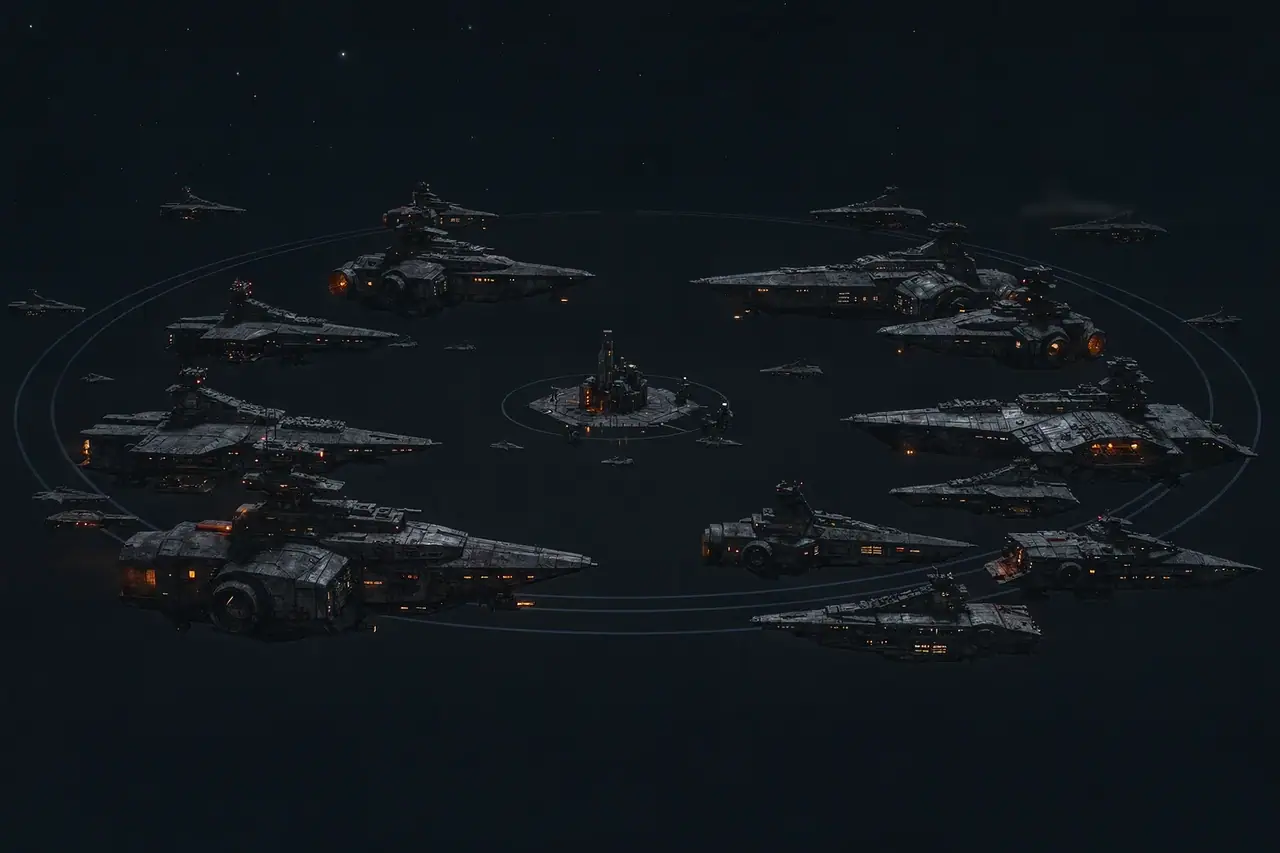
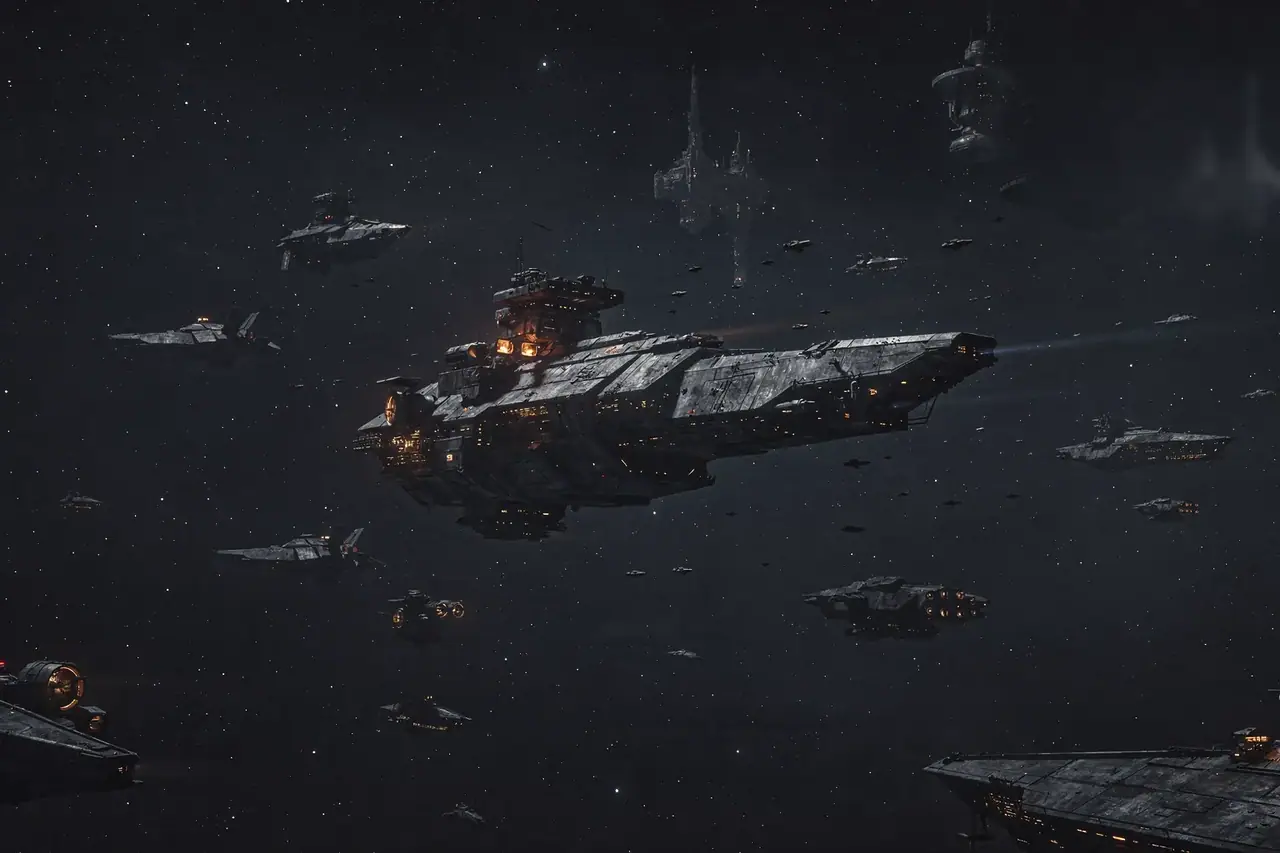
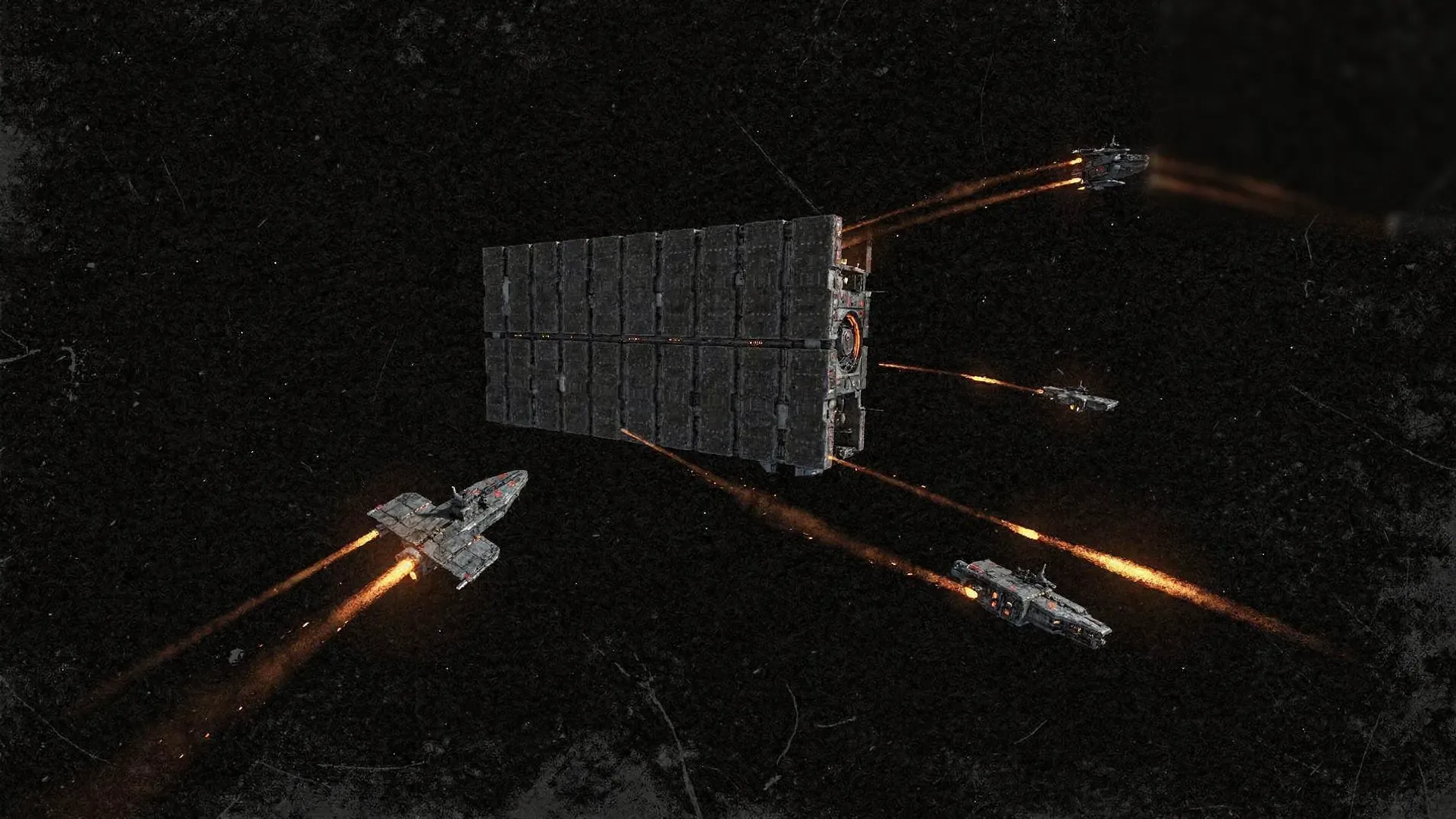
Eighty-two pilots, forty-three confirmed losses, fifteen minutes. Run the arithmetic and V2-GZS was producing a wreck roughly every twenty-one seconds, which is less a battle than a very expensive conveyor belt. Eight of those losses were capitals. Nothing larger: no Titans, no Supercarriers, no structures dragged into the mess. This was a capital fight in the plainest sense of the term - dreadnoughts and their support committed to a single system, in an engagement that was over before anyone had time to grow sentimental about it. The proportions are worth sitting with. Eight capital hulls out of forty-three total losses means the capitals were not a garnish on a subcapital brawl; they were the main course, and the subcapital fleet around them was there to hold the door while the big ships traded shots.
A Hurricane Opens, a Capsule Closes
The first confirmed loss on the timeline is a Southern Cross Monopoly Hurricane at 02:06 UTC. The last is a capsule belonging to Hounds of War. at 02:20 UTC. Between those two bookends - a battlecruiser at the start and an escape pod at the finish - eight capital ships and thirty-five other hulls were destroyed. The Hurricane is the interesting one. Whatever else was happening in V2-GZS at 02:06, it had not yet become a capital graveyard; a T1 battlecruiser was still a survivable thing to be flying. Fourteen minutes later that was demonstrably no longer true. That a pod is the closing entry says something small but telling as well. Someone's ship died late enough in the sequence that their escape capsule was caught too - the tail end of this fight was no gentler than the beginning of it.
Two Organisations on Both Sides of the Ledger
Southern Cross Monopoly appears in the attacking column with ten kills, and it appears in the losses column with seven. Evermore Warriors shows up on both sides too, and it got the far worse half of that bargain: three kills against ten losses. Alongside them, Southern Cross Silver Shields claimed ten kills, SCI Zenith six, and DickBucket Deliveries three. On the receiving end, Hounds of War. lost five hulls, Enemy of Man two and Weaponised Vegemite two. That overlap - the same organisations banking kills and writing off ships in the same fifteen minutes - suggests lines that were not drawn cleanly. It could be a third party arriving into an existing scrap. It could be a brawl that stopped caring about sides. The data here does not say which, and it is worth admitting that rather than guessing. What the data does say is straightforward. Across a quarter of an hour, Southern Cross Monopoly finished the exchange ahead. Evermore Warriors finished it ten ships lighter.
Three Dreadnoughts and the Ship That Was Supposed to Save Them
The single most expensive wreck of the engagement was a Revelation Navy Issue at 18.7 billion ISK - a Navy-issue Amarr dreadnought, and comfortably the most valuable thing on the field that stopped existing. Behind it came a Naglfar Fleet Issue at 14.2 billion, a Revelation at 8.9 billion, and a Ninazu at 5.9 billion. That is three dreadnoughts and one Force Auxiliary - the capital-class support ship whose entire job is to keep other capitals alive. It died alongside them, which says a great deal about how much sustain matters when the incoming damage arrives in this sort of volume. Those four hulls account for just under 48 billion ISK, roughly 84 per cent of everything destroyed in the engagement, concentrated into four killmails. The engagement's top damage dealer was Clovis Geass, whose name sits at the top of the charts for the fight.
The Invoice Outlives the Fight
Fifty-six-point-nine billion ISK is a serious bill, even by the standards of a region that has seen plenty of them. It is not a record, and it is not a strategic catastrophe - no structures fell, no supercapitals died, and the system itself is none the worse for wear. What it is, is a reminder of how quickly capital assets become somebody else's killmail. Eight capital hulls and thirty-five smaller ships in fifteen minutes leaves the losing side with replacement queues measured in weeks and a very clear picture of who was on the field with what. For Southern Cross Monopoly, a ten-to-seven exchange in a fight where it also bled seven hulls is the kind of result that reads well on a killboard and rather less well in a hangar. For the organisations that lost capitals outright, the next few weeks are about replacement, not revenge. Replacing a dreadnought is not an afternoon's work. V2-GZS took fifteen minutes to start, finish and settle its accounts. Paying the invoice will take considerably longer.