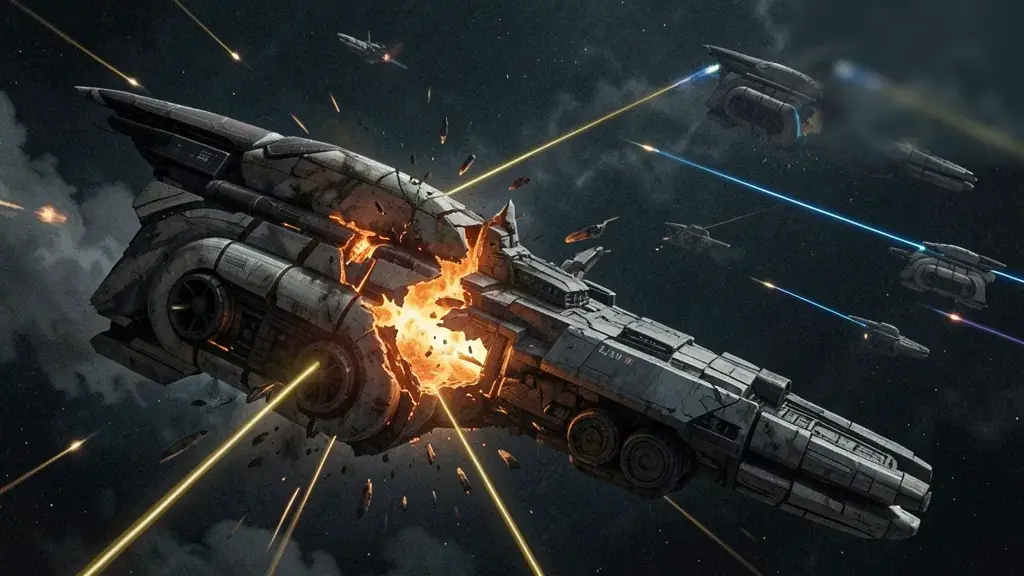
Eight Capitals, Fifteen Minutes, No Structures
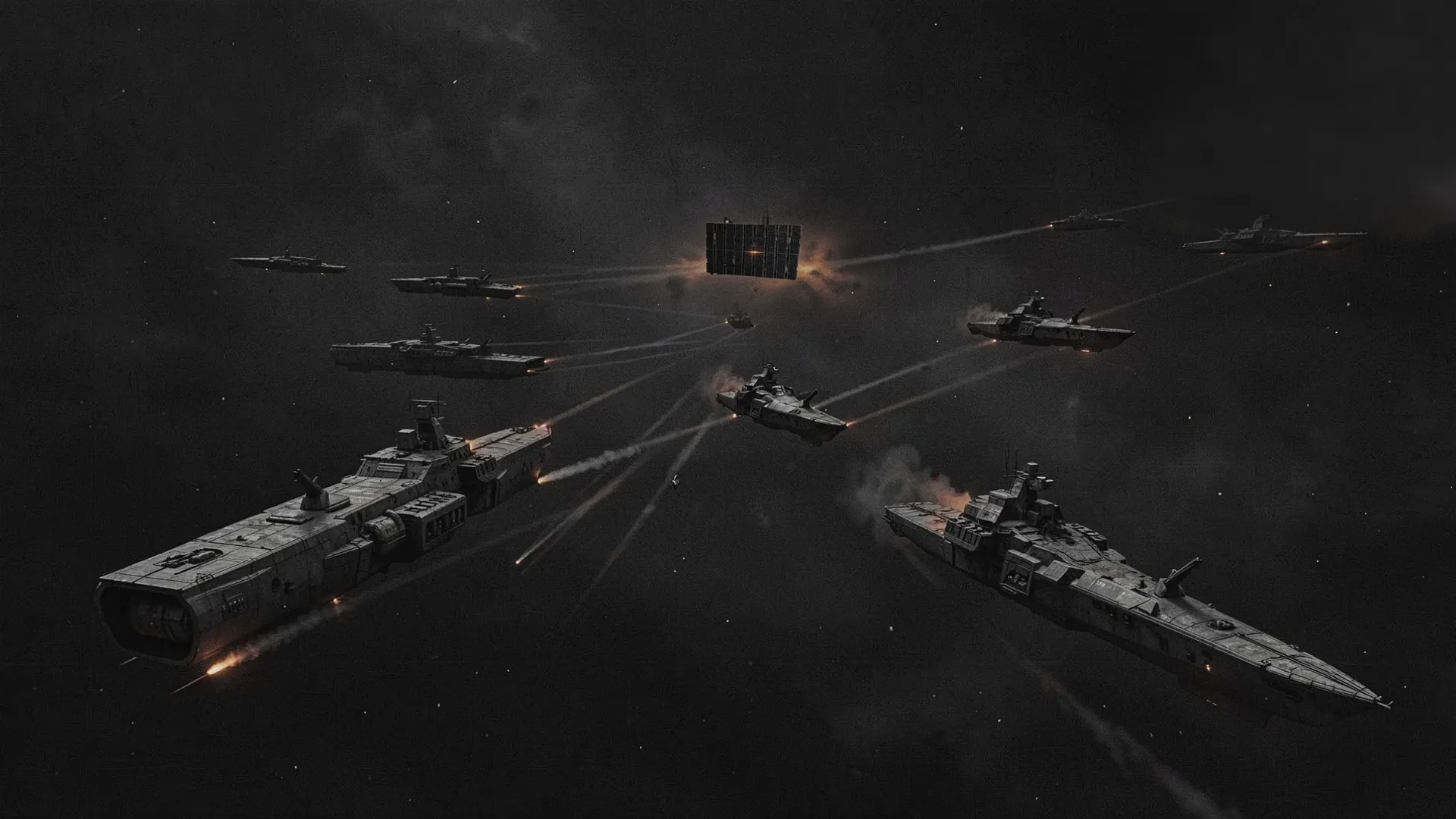
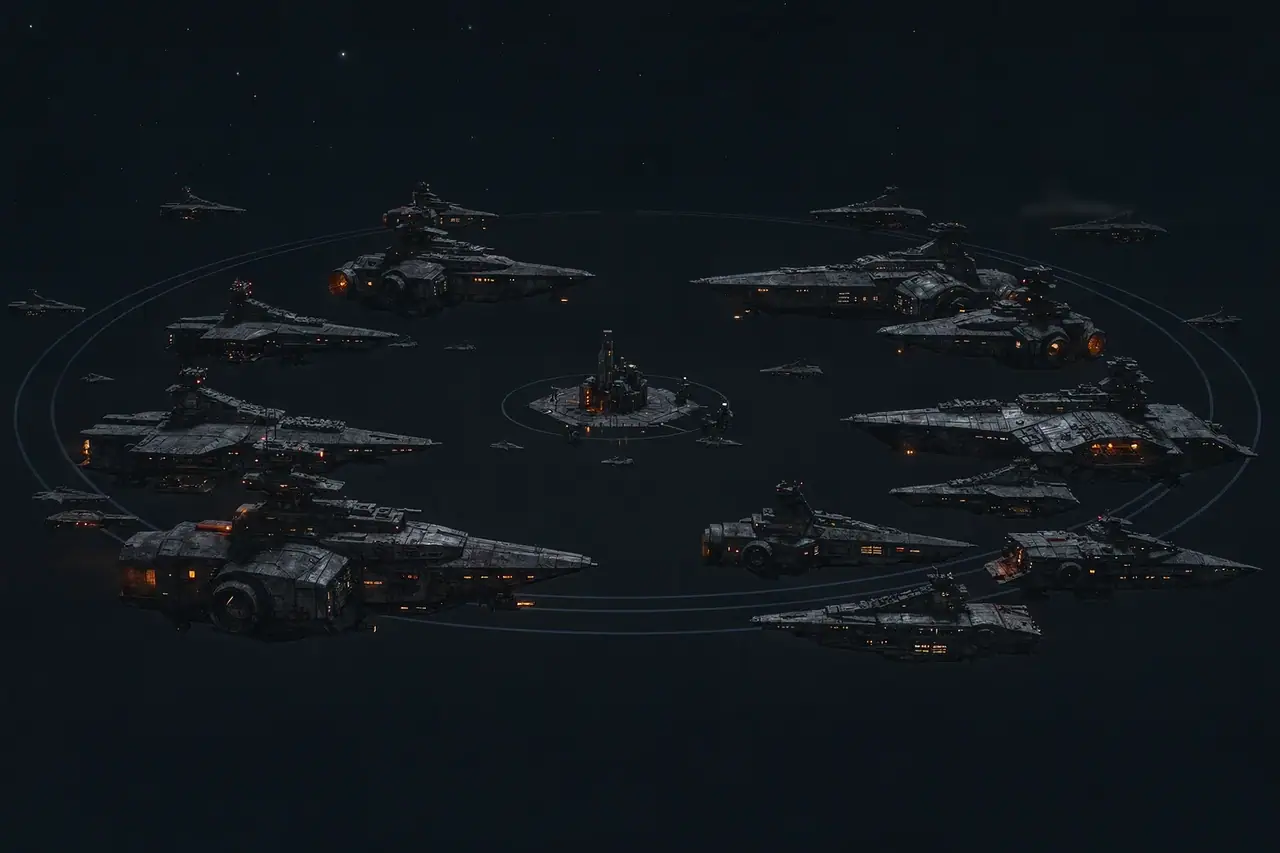
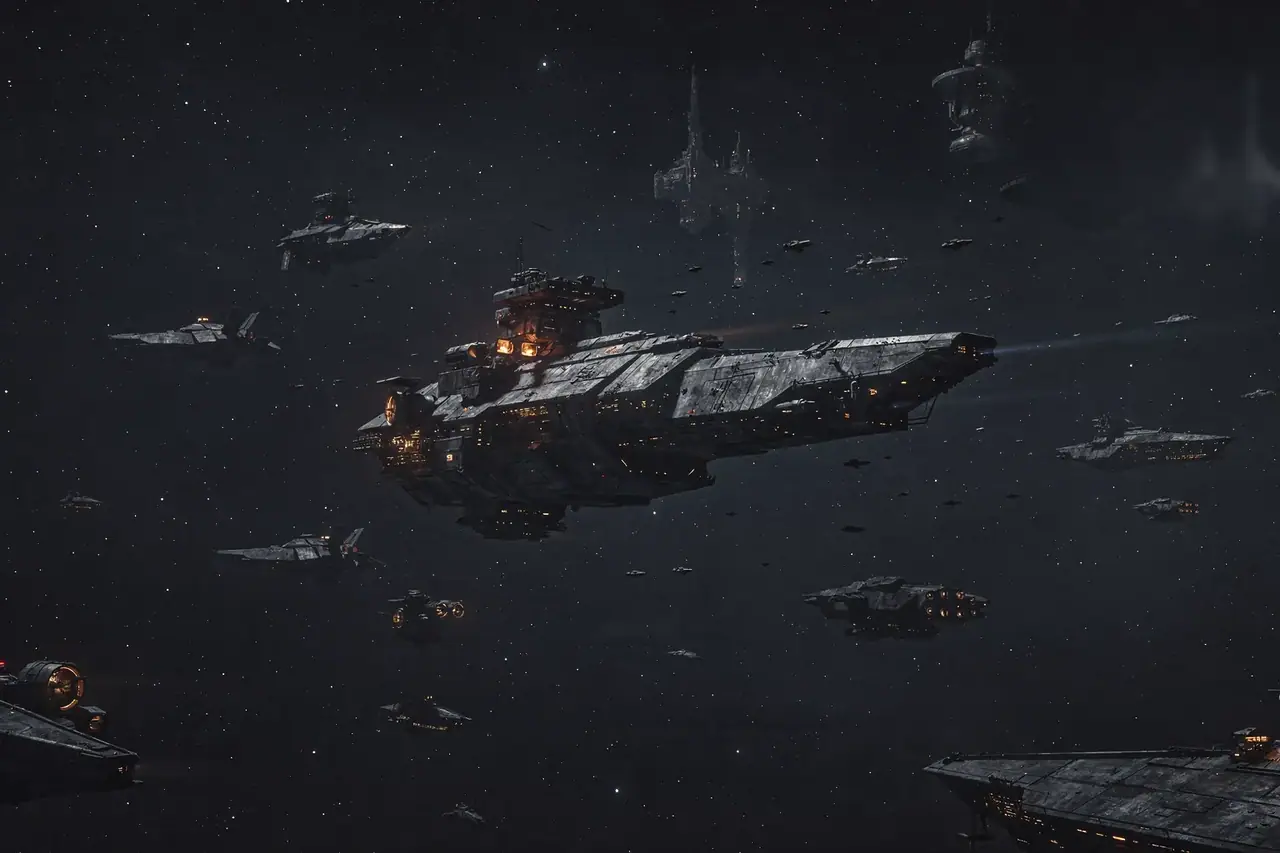
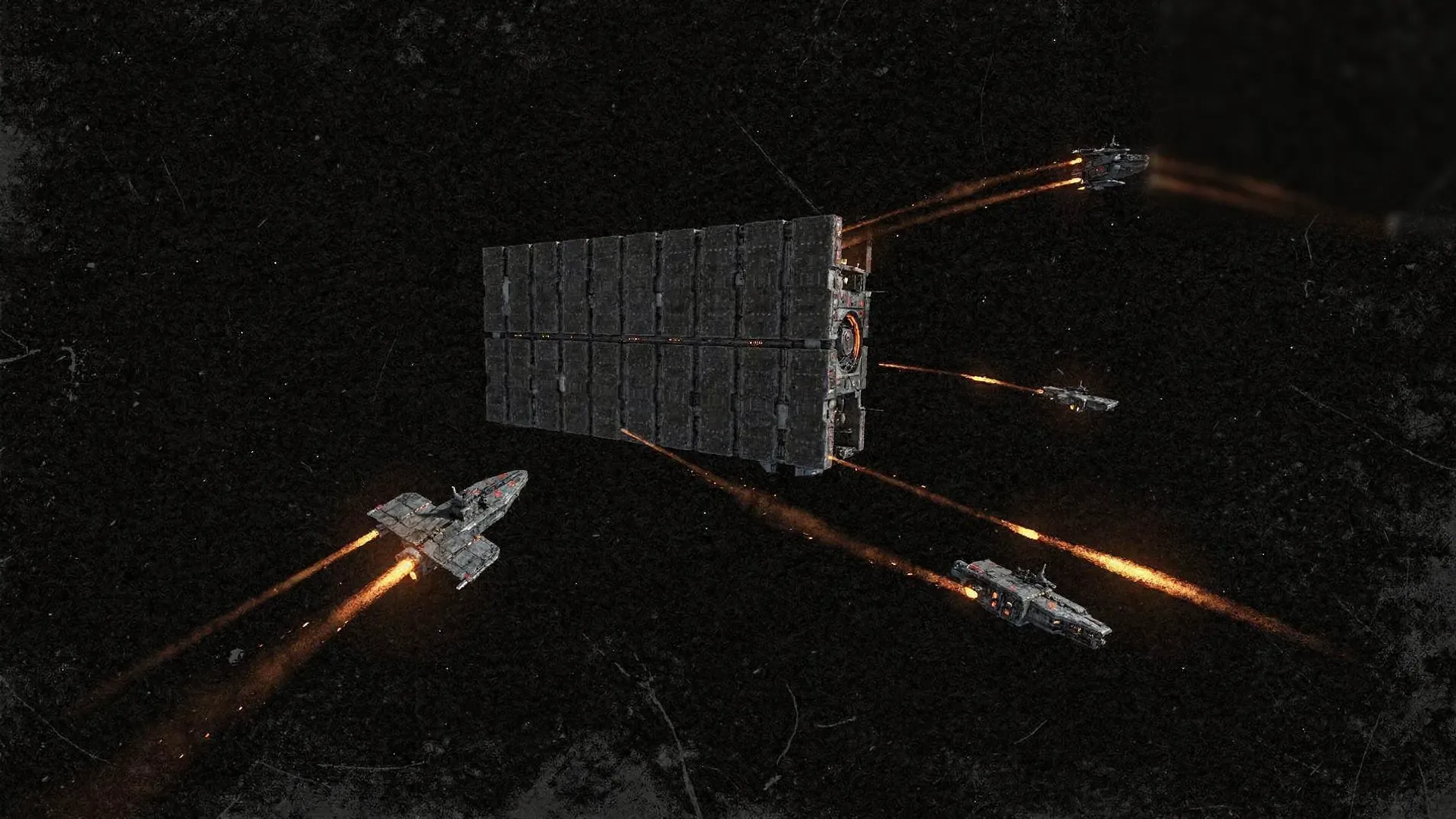
The shape of this one is unusual before you even look at the hulls. Fifteen minutes is not a fleet battle. It is barely a conversation. It is, however, long enough for eight capital ships to die, which means something was committed early and then had a very short amount of time in which to be right about it. There were 43 confirmed losses among 82 pilots, so roughly half of everyone who showed up lost something. No structures were destroyed. No supercapital was lost. This was a capital fight fought with the tier below the very top - dreadnoughts, the heavy siege platforms built to break other capitals, and one logistics capital that clearly had an unpleasant afternoon. The category the analysts filed it under was simply 'capital battle.' The killboard filed it under 'brutal.'
A Hurricane Walks In First
The first confirmed loss of the engagement was a Hurricane belonging to Southern Cross Monopoly, logged at 02:06. A battlecruiser opening a fight that would end with eight capitals on the floor is either an appetiser, a mistake, or a very expensive way of finding out who else was in system. The last confirmed loss, at 02:20, was the capsule of a Hounds of War. pilot. Pods are their own kind of punctuation mark. They only appear after the ship is already gone, when someone has failed to get clear - and a fight that ends on one is a fight where the shooting carried on well past the point where hulls were breaking. Between those two events, fourteen minutes of extremely concentrated violence. Terrible timing is often what turns a manageable engagement into a memorable one, and there was evidently a great deal of terrible timing available in V2-GZS that night.
Four Hulls Carried Forty-Seven Billion of the Bill
The value is not spread evenly, because value never is. Four ships account for around 47.8 billion of the 56.9 billion ISK destroyed - roughly 84 percent of the entire engagement, concentrated in a handful of hulls. The top loss was a Revelation Navy Issue at 18.7 billion ISK. That is an Amarr dreadnought in its faction variant: same silhouette, better numbers, and a price tag that suggests whoever fitted it was confident. Behind it came a Naglfar Fleet Issue at 14.2 billion, its Minmatar counterpart, followed by a plain Revelation at 8.9 billion and a Ninazu at 5.9 billion. That last one deserves a moment. The Ninazu is a force auxiliary - a capital-class logistics ship, the thing in the fleet whose entire job is keeping other capitals alive. When the healer dies, the damage on field has already outrun the repair. Somewhere in those fifteen minutes, the maths stopped working for at least one side.
Southern Cross Held Most of the Gun
Three organisations from the Southern Cross family dominate the attacking ledger. Southern Cross Monopoly and Southern Cross Silver Shields logged ten kills each; SCI Zenith added six. That is 26 of the 43 confirmed losses between them, which reads like coordination, though the evidence here is the kill record rather than anyone's comms. Evermore Warriors and DickBucket Deliveries added three kills each. The fight's top damage dealer was Clovis Geass. What stops this being a one-sided affair is the other column. Southern Cross Monopoly also lost seven ships, and Evermore Warriors lost ten - more than any other victim organisation - while recording three kills of its own. Hounds of War. lost five, with Enemy of Man and Weaponised Vegemite losing two apiece. Both Southern Cross Monopoly and Evermore Warriors appear on both sides of the ledger, which is what a genuine brawl looks like from the outside: nobody in this fight was purely a spectator, and several people were very much both.
What the Kalevala Expanse Bought
Nothing structural changed hands. No strategic asset fell, no supercapital died, no timer was won or lost that we can see in this data. What V2-GZS produced was eight capital wrecks and a bill of roughly 56.9 billion ISK, settled in a quarter of an hour, across at least eight organisations and a wider cloud of pilots flying under banners not captured in the record. A fifteen-minute engagement that claims eight capitals suggests two things at once: that both sides arrived with a plan, and that at least one of those plans stopped being viable very early. Which one, and why, the killmail trail does not say. It rarely does. What it does say is that on 30 September, in a system most of New Eden would need a map to find, 82 pilots spent the time it takes to make a cup of tea turning roughly 57 billion ISK of capital hardware into salvage. The replacements will be built. The lesson, whatever it was, has already been learned by whoever needed it most.