Two Hours, Bookended by Frigates
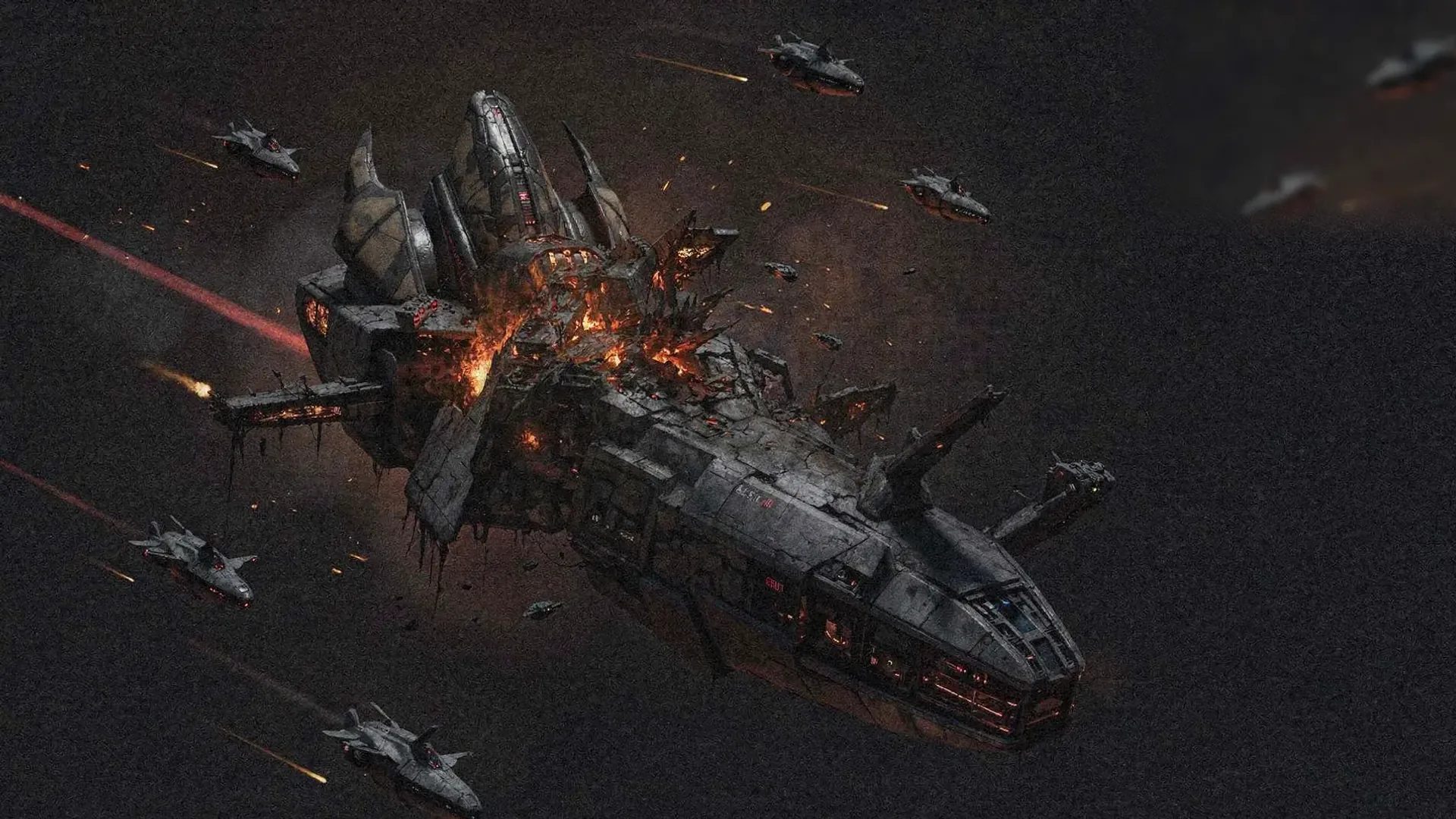
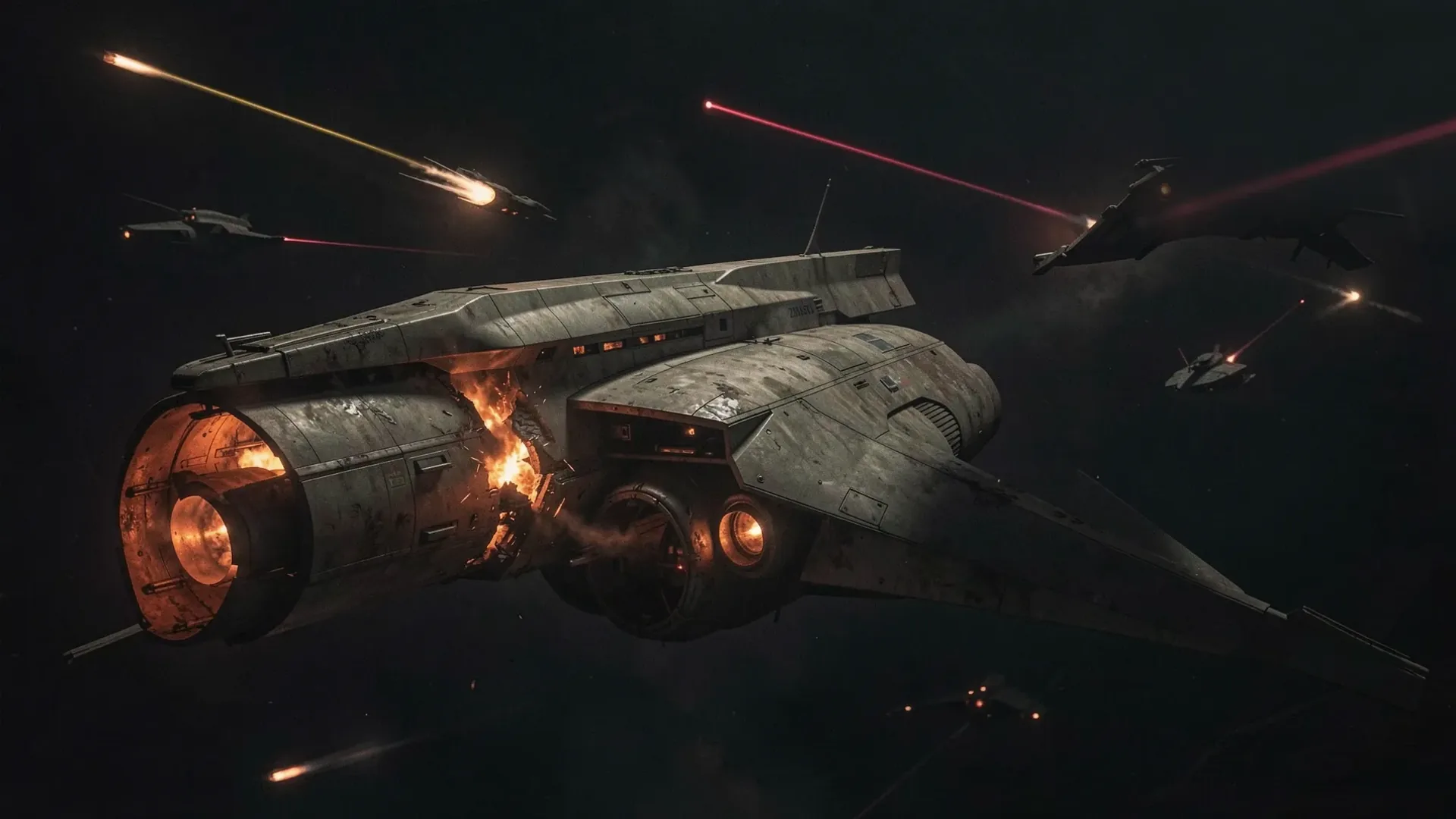
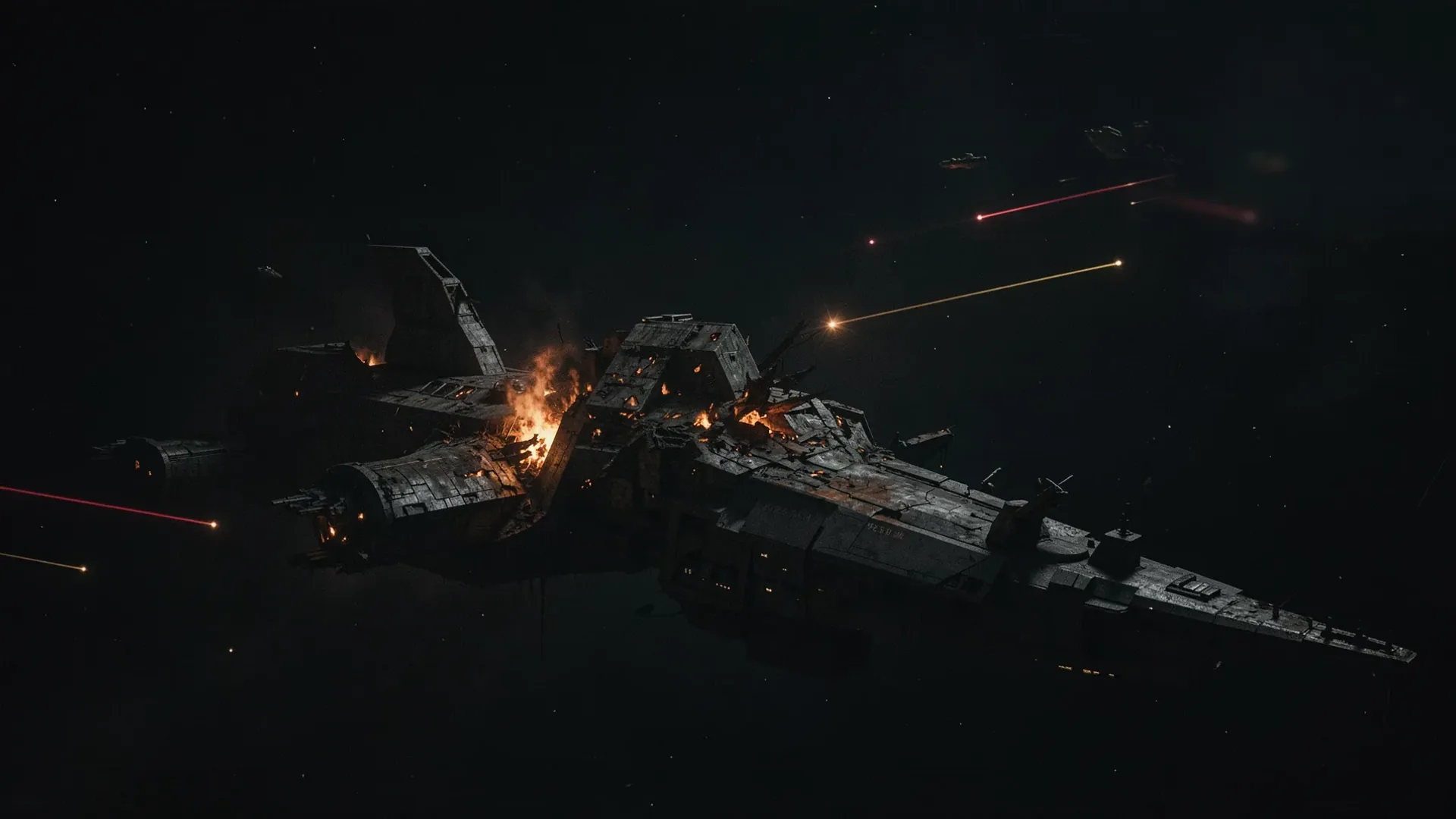
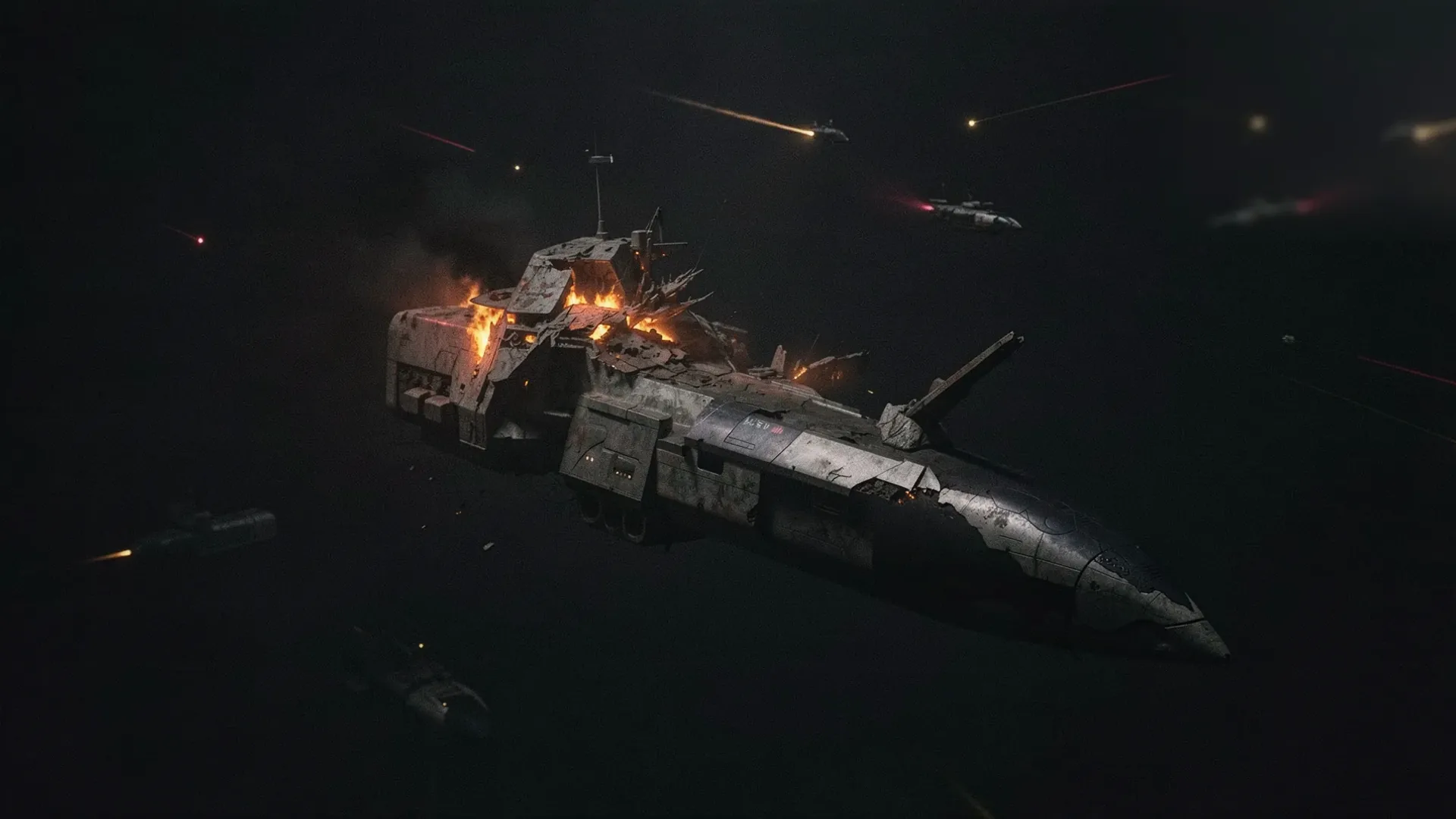
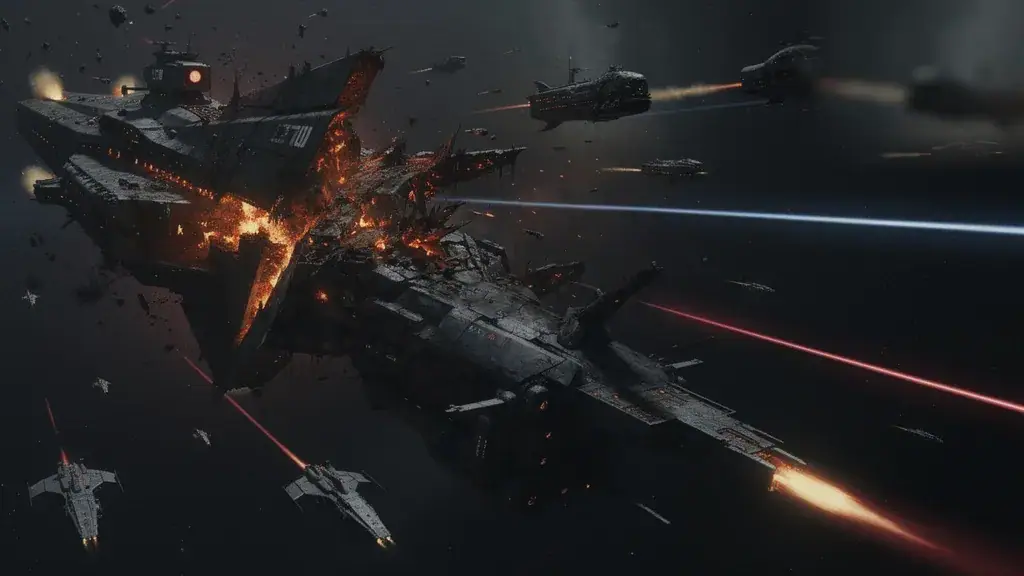
The first confirmed loss in Eifer belonged to Blackwater USA Inc. and it was a Pilgrim, a covert-ops reconnaissance ship - the cheapest, quietest kind of hull that usually opens these things. That was 17:00 UTC. The last entry on the feed, at 19:06, was an Ares interceptor flown by Blank-Space. In between lay 118 minutes of continuous losses, and the small stuff was never the point. The loss board records 169 capital kills and one supercapital kill inside that same window. Whatever the opening moves looked like, Eifer became the sort of fight where fleets keep committing dreadnoughts and then keep committing more, because the alternative is conceding a system you have already bled for. The gap between a Pilgrim at the start and an Ares at the end is not a story about frigates. It is what a capital brawl looks like at the edges, where the scouts and tackles are still doing their jobs while nine-figure hulls come apart around them.
Four Hull Types Paid 87 Percent of the Bill
Of the 1.26 trillion ISK destroyed, roughly 1.098 trillion - about 87 percent - sits on just four hull types. Zirnitras account for 513.07 billion of it. Moros Navy Issues account for 304.99 billion. Revelation Navy Issues, 178.32 billion. Apostles, 101.34 billion. That is not a random cross-section of New Eden's traffic. It is a capital doctrine on both sides: navy-issue dreadnoughts for the damage, Apostles to keep them alive, and Triglavian Zirnitras thrown into the same fire. For readers who do not fly capitals, the important part is scale. A single dreadnought is a multi-billion-ISK asset that takes real industrial effort and weeks of build time to replace. Losing one is a corporation-level event. Losing 169 of them in one system, in one evening, is a hole in the region's capital stock that will be measured in months. One supercapital also died, a loss that will sit on somebody's record for a long time. The notable-hull summary is dominated by capitals, but that single line at the top of the class list is not the kind of thing anyone forgets.
Both Sides of the Same Ledger
Four of the five organisations with the most kills in Eifer also appear among the five organisations with the most losses. Lowlife. finished on 60 kills against 28 losses. Dishonorable Duel Disturbance took 29 and gave 20. Blackwater USA Inc. killed 23 and lost 37. Outback Steakhouse of Pancakes killed 21 and lost 17. Family Guy. appears on the loss side with 13 and does not crack the top-five killer list. That pattern is the whole fight in miniature. Eifer was not a gank, not an ambush, and not one fleet catching another out of position. It was two forces standing in the same system and taking turns. Blackwater had the heaviest night of it, running a 14-loss deficit against the crews they were shooting at, while Lowlife. came out of the evening with the widest margin on the board - though a 60-to-28 night still means 28 of your own ships were left as scrap. EVE's naming conventions also showed up in force. The top of the killer table reads Lowlife., Dishonorable Duel Disturbance, Blackwater USA Inc., Outback Steakhouse of Pancakes and Suddenly a Covert Cyno - five corporation names that, taken together, more or less describe an entire evening in New Eden.
Nobody Stopped Reshipping
The number that best explains Eifer is not the ISK total. It is 421 pilots and 267 losses across 118 minutes. That ratio means people kept coming back. When a capital dies, the pilot does not get to rejoin the fight in a frigate thirty seconds later; they are out of the system, out of position, and looking at a long trip back or a hangar full of nothing. A two-hour engagement with this many losses on both sides means crews kept finding replacements and kept returning to a fight that was clearly not going to resolve cheaply. Somewhere around the ninety-minute mark, that stops being enthusiasm and starts being stubbornness. PyrotekNick topped the damage charts across the engagement, which is the sort of line that looks modest on a killboard and rather better in the retelling. On the other side of the ledger, 169 capital losses means a great many pilots spent their evening flying back toward a system they had already been blown out of once.
What Eifer Costs Next
The strategic picture is harder to read than the ledger. The kill counts suggest Lowlife. and Dishonorable Duel Disturbance traded better than they were traded with, and that Blackwater USA Inc. had the roughest two hours of the organisations on the board. What the evidence does not establish is which side got what it came for. Nobody wins a fight like this in the way a killboard measures winning; a side can hold the field and still spend the next month explaining the replacement bill. What is certain is the cost. Over a trillion ISK left Heimatar's capital pool in a single evening, most of it in dreadnought hulls, force auxiliaries and one supercapital. Capital production is a slow business, and losses on this scale are not absorbed by a market restock - they are absorbed by miners, industrial pilots and time. The fights that get remembered are usually the cheap ones with a good story attached. Eifer's story is expensive, and the bill has not finished arriving.